The Ultimate Guide to Finding an Event Space in Hill Country

The Texas Hill Country stretches across more than 25 counties, from Austin to San Antonio and out toward Fredericksburg, and it has become one of the most sought-after regions in the state for weddings, corporate retreats, and family celebrations. With rolling limestone hills, vineyards, and small-town charm, the area offers a wide range of venues that can make planning both exciting and, at times, overwhelming. Knowing what to look for before you start touring properties can save weeks of back-and-forth and help you lock in a space that actually fits your event.

Know What Type of Venue Fits Your Event

Hill Country venues run the gamut from rustic barns and working ranches to upscale resorts and riverside pavilions. A 50-person birthday dinner has very different needs than a 200-guest wedding reception, so start by narrowing down the general style and scale you want before falling in love with a specific property. Think about whether you want an indoor ballroom, an open-air pavilion, or a hybrid space that can shift depending on weather. This first decision will filter out a huge number of options and keep your search focused.

Consider the Season and Weather

Summers in this part of Texas regularly climb into the high 90s and beyond, which makes outdoor-only venues a tough sell for anything scheduled between June and August. Spring and fall, by contrast, bring milder temperatures and the kind of green hillsides and wildflower blooms the region is known for, which is why those months book up fastest. If your date is flexible, targeting late March through early May or October through November will give you more comfortable conditions and often better lighting for photos.

Check Capacity and Layout Options

Guest counts have a way of creeping up as invitations go out, so it helps to book a space that can comfortably handle 10 to 15 percent more people than your current list. Ask venues directly about their maximum seated capacity versus standing or cocktail-style capacity, since those numbers can differ significantly. It's also worth asking whether the layout allows for separate ceremony, cocktail, and reception areas, or whether everything happens in one room that needs to be flipped mid-event.

Look Into Catering and On-Site Services

Some Hill Country properties require you to work exclusively with an in-house catering team, while others allow outside vendors or even bring-your-own-alcohol arrangements. Both models have advantages: in-house catering usually simplifies logistics and reduces the number of vendors you have to coordinate, while outside catering gives you more control over menu and cost. Resort-style properties often bundle catering with lodging and event planning support, which can be a real advantage for multi-day gatherings like a corporate retreat or a wedding weekend. For groups looking at that kind of all-in-one setup, a hill country event space that combines meeting rooms, outdoor terraces, and on-site accommodations can cut down significantly on the number of vendors you need to manage separately.

Factor In Location and Accessibility

Distance matters more in this region than it might elsewhere, since many venues sit 20 to 40 minutes outside the nearest town along winding, two-lane roads. That's part of the charm, but it also means guests unfamiliar with the area may need clear directions, and older relatives or guests with mobility concerns may find gravel drives or hillside terrain challenging. Ask venues about parking capacity, shuttle options, and whether the property offers paved or accessible paths between key areas like ceremony sites, restrooms, and reception halls.

Ask About Rain Plans and Backup Options

Even in the driest months, Hill Country weather can turn quickly, with sudden thunderstorms rolling in during spring and early summer. Any venue offering outdoor ceremony or reception space should have a documented rain plan, whether that means an indoor ballroom, a covered pavilion, or a tent that's already included in the rental fee. Get specifics on how much notice the venue needs to activate the backup plan and whether switching locations comes with any extra charge.

Book Early for Peak Months

Weekends between March and June, along with most of October, tend to fill up 10 to 14 months in advance at popular properties. If your event falls during one of these windows, start reaching out to venues as early as possible, even before you've finalized every other detail. Weekday and off-season dates, on the other hand, often come with lower rental fees and more flexible availability, sometimes with discounts of 15 to 30 percent compared to peak Saturday rates.

Finding the right venue in this region comes down to matching your guest count, budget, and season to a property's actual strengths rather than its marketing photos. Visit in person if at all possible, ask pointed questions about capacity and backup plans, and get rental terms in writing before signing anything. A little diligence upfront will do more to guarantee a smooth event than any amount of last-minute scrambling once the date is locked in.

/
script>

7 Travel Tips for Visiting the Sistine Chapel

More than 25,000 visitors pass through the Sistine Chapel on a typical day, and by mid-morning the room can feel more like a packed subway car than a Renaissance masterpiece. Michelangelo's ceiling deserves better than a rushed glance over someone's shoulder. A little planning turns a chaotic ten minutes into a genuinely memorable stop on any Rome itinerary.

Book Timed-Entry Tickets Weeks in Advance

The Sistine Chapel sits inside the Vatican Museums, and entry requires a ticket with a specific time slot. During peak season — April through October — popular slots sell out ten to fourteen days ahead, sometimes sooner around Easter or major Catholic holidays. Buy directly through the official Vatican Museums website rather than waiting to purchase at the door, since walk-up lines routinely stretch past two hours.

If the official site shows no availability for a preferred date, check back periodically, since cancellations do open up slots. Avoid third-party resellers advertising "skip the line" tickets at inflated prices unless they're clearly affiliated with a reputable tour operator.

Go Early or Go Late

The museums open at 8:30 a.m. most days, and the first entry slot is worth setting an alarm for. Arriving right at opening gets you into the Sistine Chapel before the tour bus crowds from cruise ships and day trips arrive, usually by 10 a.m.

The other quiet window falls in the final ninety minutes before closing, typically after 4 p.m. on standard days. Crowds thin considerably, and the lighting on the ceiling frescoes shifts in a way that's worth seeing if a second visit is possible. Fridays and Saturdays tend to be busiest overall, so a Tuesday or Wednesday visit often means noticeably more breathing room.

Dress for the Dress Code

Vatican security enforces a strict dress code, and guards turn away visitors at the door regardless of how much a ticket cost. Shoulders and knees need to be covered for everyone, men included. That means no tank tops, no shorts above the knee, and no short skirts.

Carry a lightweight scarf or wrap in a bag as a backup, since Rome's summer heat makes it tempting to dress lighter than the rules allow. Flip-flops and swimwear are also turned away, so plan footwear accordingly, especially since the visit involves a fair amount of walking on marble floors.

Know What You're Looking At Before You Arrive

The ceiling contains more than 300 figures across nine central scenes from the Book of Genesis, from the Creation of Adam to the story of Noah. Without some preparation, most visitors spend their limited time craning their necks and searching for the one image everyone recognizes, missing the surrounding narrative entirely.

Spend fifteen minutes beforehand looking up a diagram of the ceiling's layout, or read a short summary of the Last Judgment on the altar wall, painted more than 20 years after the ceiling itself. Knowing that Michelangelo included his own face in the flayed skin held by Saint Bartholomew, or that he originally resisted the commission because he considered himself a sculptor rather than a painter, adds context that makes the room far more than a pretty ceiling.

Consider a Guided Option

Signage inside the Sistine Chapel is minimal, and talking is technically restricted once inside, which means independent visitors often walk through without much context. Booking one of the guided Sistine Chapel tours gives you a chance to have the symbolism, restoration history, and hidden details explained before you enter the chapel itself, where guides typically pause the narration out of respect for the space. Many of these tours also include early or after-hours access, which cuts through the worst of the daytime crowds.

Small-group and private options tend to move faster through the museum's long approach corridors, which matters since the walk from the entrance to the chapel itself can take 45 minutes on a packed day.

Pack Light and Skip the Big Bag

Security screening at the Vatican Museums entrance resembles airport security, with bag scanners and metal detectors. Large backpacks, suitcases, and even oversized tote bags often need to be checked or may not be permitted inside at all, which slows down the entry process for everyone behind you.

Carry a small crossbody bag or slim daypack instead. Water bottles are generally allowed, and there are refill fountains along the museum route, which matters given how long the visit can stretch, especially in warmer months.

Stay Quiet and Keep Your Phone Down

The Sistine Chapel is an active place of worship, and guards enforce a no-photography and no-talking policy inside the room itself, occasionally shushing entire tour groups over a loudspeaker. Save the photo-taking for the corridors leading up to the chapel, where the rule is more relaxed, and simply look up once inside instead of viewing the ceiling through a phone screen.

This isn't just about following rules. Visitors who put the camera away tend to notice far more detail in the fifteen or twenty minutes they typically spend in the room, from the vivid color restoration completed in the 1990s to the sheer scale of the Last Judgment's 300-plus figures.

The single best thing you can do for a Sistine Chapel visit is treat it as the destination rather than a box to check on a longer Vatican tour. Build in enough time, arrive with a plan for the crowds, and the ceiling that took four years to paint will get more than a passing glance.

/
script>

Exploring Osaka: A Complete Journey Through Japan’s Culture, Cuisine, and Attractions

Osaka, one of Japan’s most dynamic cities, continues to attract travellers seeking a balance between historic traditions, modern attractions, and authentic local experiences. The Osaka tour package in Singapore offers visitors a well-planned itinerary that highlights the city’s cultural landmarks, culinary treasures, entertainment hubs, and nearby destinations.

Designed for travellers who want a convenient and immersive experience, the package allows visitors to explore Osaka’s unique character while discovering the many attractions that make it one of Japan’s most popular destinations.

Exploring Osaka’s Cultural Heritage

Osaka is a city where centuries-old traditions blend naturally with contemporary life. Among its most recognised landmarks is Osaka Castle, a historic structure built in the late 16th century during the Azuchi-Momoyama period. The castle reflects Japan’s architectural heritage and plays an important role in Osaka’s history. Visitors can explore its museum, admire its impressive design, and enjoy scenic views from the surrounding Nishinomaru Garden, particularly during the cherry blossom season.

Another significant cultural site is Shitenno-ji Temple, founded in 593 AD and considered one of Japan’s oldest Buddhist temples. The temple complex features a five-storey pagoda, a lecture hall, and peaceful gardens that offer visitors a quiet space away from the city’s busy streets. Its historical importance provides insight into Japan’s early Buddhist traditions.

Experiencing Osaka’s Culinary Scene

Known as the “Nation’s Kitchen”, Osaka is famous for its rich food culture and variety of local dishes. The city’s culinary identity can be experienced through popular specialities such as okonomiyaki, a savoury pancake made with various ingredients, takoyaki, octopus-filled batter balls, and kushikatsu, skewered and deep-fried meat and vegetables.

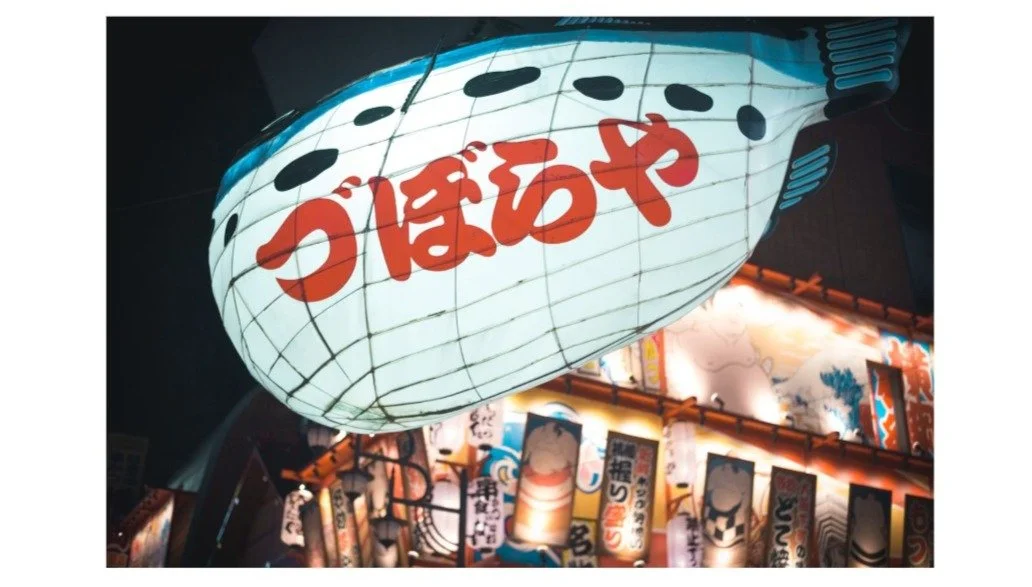
Dotonbori remains one of the best places to experience Osaka’s food culture. With its colourful neon signs, lively atmosphere, and wide selection of restaurants and street food stalls, the district allows visitors to sample authentic Japanese flavours while experiencing the energy of the city.

Discovering Modern Attractions and Entertainment

Beyond its historical sites, Osaka offers a range of modern attractions for visitors of all ages. The Osaka Aquarium Kaiyukan provides an opportunity to explore marine life from the Pacific Ocean, featuring various sea creatures, including whale sharks. Its impressive exhibits make it one of the city’s most popular family-friendly destinations.

For entertainment seekers, Universal Studios Japan offers exciting attractions inspired by famous films, characters, and themed experiences. The city’s shopping and entertainment districts, including Namba and Umeda, further showcase Osaka’s vibrant urban lifestyle with their restaurants, shopping centres, and nightlife options.

Celebrating Osaka’s Traditional Festivals

Osaka’s cultural identity is also reflected in its traditional festivals. The Tenjin Matsuri, held annually in July, is one of Japan’s most celebrated festivals. It features a grand river procession, traditional performances, and a spectacular fireworks display along the Okawa River.

The Sumiyoshi Taisha Grand Festival, held during the summer, offers another glimpse into Osaka’s traditions. Through religious ceremonies and community celebrations, visitors can experience the city’s deep connection to its cultural roots.

Exploring Shopping Destinations

Osaka provides numerous shopping opportunities for visitors looking for fashion, souvenirs, local products, and entertainment items. Shinsaibashi Shopping Arcade features a wide range of stores, from international brands to independent boutiques, making it a popular destination for shoppers.

For those interested in anime, manga, and electronics, the Nipponbashi district offers a shopping experience similar to Tokyo’s Akihabara. Meanwhile, Kuromon Ichiba Market, often called “Osaka’s Kitchen”, is a must-visit destination for fresh seafood, produce, and local delicacies that showcase the city’s food traditions.

Extending the Journey Beyond Osaka

Many Osaka tour packages also include visits to nearby destinations such as Kyoto, allowing travellers to experience a wider perspective of the Kansai region. Known for its traditional wooden houses, temples, gardens, and historical sites, Kyoto provides a contrast to Osaka’s modern cityscape.

Combining Osaka and Kyoto in one itinerary allows visitors to appreciate both Japan’s contemporary urban culture and its historical heritage. These carefully arranged tours provide a convenient way to explore the region’s important cultural and historical attractions.

Essential Travel Information

Planning a trip to Osaka requires an understanding of local customs, transportation options, and seasonal conditions. The city’s efficient subway and train networks make travelling between attractions convenient, allowing visitors to explore different areas with ease.

Accommodation options in Osaka range from luxury hotels to affordable stays, offering choices for different travel preferences and budgets. Its strategic location also makes Osaka a practical base for exploring other destinations within the Kansai region.

The Appeal of an Osaka Travel Experience

The Osaka tour package in Singapore provides travellers with an opportunity to discover the city through its history, cuisine, entertainment, and cultural traditions. From exploring historic landmarks and tasting local specialities to enjoying modern attractions and nearby destinations, Osaka offers a well-rounded travel experience.

With a carefully planned itinerary, visitors can gain a deeper appreciation of Osaka’s past and present while enjoying the convenience of organised travel. Whether drawn to cultural discoveries, culinary experiences, shopping adventures, or entertainment, Osaka continues to offer memorable experiences for travellers exploring Japan.

/
script>

Elevating Home Interiors with Stylish Two-Seater Sofas

Finding the ideal sofa requires balancing comfort, style, and practicality. Among the many options available, the two-seater sofa stands out as a versatile choice that combines intimate seating with efficient use of space. If you're looking to maximise your living area without compromising on style and comfort, explore 2-seater sofas in Singapore to find an option that suits your home. As urban homes become increasingly compact, particularly in cities like Singapore, these sofas have gained popularity among homeowners looking to create comfortable and stylish interiors without overcrowding their living areas.

Versatile Design for Compact Living

Two-seater sofas are designed to maximise comfort while maintaining a compact footprint. They provide sufficient seating for two people while allowing rooms to feel open and well-balanced. Whether placed in a small apartment, a cosy reading corner, or alongside larger seating arrangements, these sofas adapt easily to different living environments.

Available in a wide range of styles, two-seater sofas can complement various interior themes. Modern designs featuring clean lines and minimalist forms suit contemporary homes, while classic silhouettes add warmth and character to traditional spaces. With options ranging from luxurious fabrics to elegant leather finishes, homeowners can select designs that reflect their personal taste and enhance their overall décor.

Material Choices: Balancing Durability and Maintenance

The material of a two-seater sofa plays an important role in determining its appearance, durability, and upkeep. Leather sofas remain a popular choice due to their timeless appeal, durability, and ease of maintenance. Over time, quality leather can develop a natural patina that adds character and enhances its visual appeal.

Fabric sofas, on the other hand, offer greater variety in colours, textures, and patterns, making them suitable for homeowners who want to introduce personality into their interiors. Options with removable and washable covers provide added convenience, especially for households with children or pets.

Each material offers distinct advantages, and the best choice depends on the household’s lifestyle, maintenance preferences, and design goals.

Design Features That Improve Living Spaces

A carefully selected two-seater sofa can become a key element in a well-designed living area. Size, colour, and functionality should be considered to ensure the sofa complements the room rather than overwhelms it. A neutral-toned sofa can create a calm and cohesive atmosphere, while a bold design can serve as a statement piece.

Many modern two-seater sofas also incorporate practical features suited for contemporary living. Built-in storage compartments, reclining functions, and modular designs provide additional convenience, allowing the sofa to serve multiple purposes beyond seating. These features are especially valuable in smaller homes where efficient use of space is essential.

Stylish Arrangements and Pairings

A two-seater sofa offers flexibility when arranging a living space. It can be paired with armchairs, accent chairs, or larger sectional sofas to create a balanced seating arrangement for both everyday use and social gatherings.

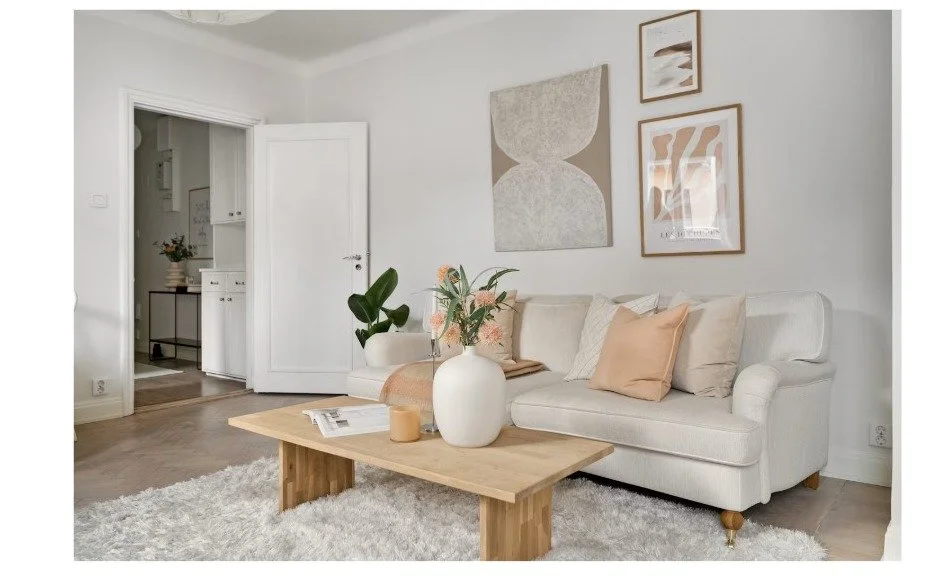
The surrounding décor also influences the overall look of the space. Complementary rugs, coffee tables, lighting fixtures, cushions, and throws can enhance the sofa’s design while adding texture and visual interest. With thoughtful styling, a two-seater sofa can become the centrepiece of a comfortable and inviting room.

Sustainability and Responsible Choices

As environmental awareness continues to influence purchasing decisions, many homeowners are considering sustainability when selecting furniture. Two-seater sofas made with responsibly sourced materials, recycled components, and environmentally conscious production methods provide an opportunity to create stylish interiors while supporting sustainable practices.

Features such as non-toxic finishes, durable construction, and ethically sourced materials contribute to longer-lasting furniture choices. Selecting a responsibly crafted sofa allows homeowners to invest in quality pieces while reducing their environmental impact.

Exploring Options Online and In Showrooms

The process of choosing a two-seater sofa has become more accessible with the growth of online furniture platforms. Digital catalogues allow shoppers to compare designs, materials, colours, and configurations from the convenience of their homes. Some retailers also provide virtual planning tools that help customers visualise how different sofas may fit within their living spaces.

However, visiting a showroom remains valuable for those who want a more hands-on experience. Testing the comfort level, examining materials, and viewing the sofa’s actual size and colour can provide important insights that online images may not fully capture.

The Art of Choosing the Right Sofa

Selecting the perfect two-seater sofa involves more than choosing an attractive design. Factors such as comfort, durability, material quality, space requirements, and sustainability all contribute to making the right decision.

Whether used in a compact city apartment or as part of a larger home interior, a two-seater sofa offers a practical and stylish solution for modern living. With thoughtful selection, it can provide lasting comfort while enhancing the overall character and functionality of a home.

/
script>

Enacting Your Vison and Mission

A vision statement can sound inspiring in a board meeting. A mission statement can look polished on a website. But the real test is much less glamorous. It happens on ordinary weekdays, when managers approve budgets, teams make hiring decisions, and employees choose what gets attention before lunch.

The Real Test of a Vision Happens on Tuesday Morning

That is where vision and mission either become real or quietly fade into decor. Even something as practical as forming a Wyoming corporation reflects this truth. The legal structure matters, of course, but structure alone does not create direction. What gives an organization life is what people repeatedly do, fund, reward, and protect.

Most organizations do not fail because they lack ambition. They struggle because their biggest ideas never make it into the routines of work. A mission that lives only in presentations has no operating power. A vision that never shapes meetings, spending, or expectations becomes background noise. If you want your organization to enact what it says it believes, the mission has to show up in calendars, checklists, budgets, and conversations.

Start With What the Organization Funds

If you want to know what a company truly values, look at the budget before you read the mission statement. Money reveals commitment in a way language never can. Teams often say they care about innovation, customer service, community impact, or employee development, yet their spending tells a different story.

A budget is not just a financial document. It is a moral document. It shows what the organization is willing to make possible. If your mission emphasizes growth, are you funding training? If your vision includes better service, are you investing in tools that reduce friction for customers? If your values include employee well being, are managers given the resources to support realistic workloads and healthy operations? The CDC notes that workplace programs and policies can improve well being, morale, recruitment, retention, and productivity, which makes this more than a soft culture issue. It is an operational one.

When leaders say yes to projects, software, staffing, and travel, they are translating strategy into reality. That is why a quarterly budget review can become one of the most powerful mission alignment tools in the company. Instead of only asking whether spending is efficient, ask whether it moves the organization closer to what it claims to exist for.

Write the Mission Into the Job, Not Just the Handbook

Many businesses make a basic mistake during hiring. They recruit for tasks and experience but forget to recruit for contribution to the mission. Job descriptions often read like a list of outputs, software skills, and reporting lines. Useful, yes. Complete, no.

A stronger approach is to explain how the role advances the organization’s larger purpose. That gives people context before they even apply. It also improves self selection. Candidates are more likely to recognize whether they connect with the work on a deeper level.

This matters because people do better when they understand not only what they are doing, but why it matters. Research in the NCBI Bookshelf on onboarding notes that effective onboarding helps people learn the organization’s mission and values, understand expectations faster, and contribute more successfully.

In practice, this means a job description should do more than describe duties. It should answer a simple question: how does this role help the organization become what it says it wants to become?

Use Onboarding as Translation, Not Orientation

Onboarding is often treated like paperwork plus a welcome lunch. That misses a huge opportunity. The first weeks of employment are when people learn what is actually important. Not the framed values on the wall, but the lived values. What gets praised. What gets ignored. What is urgent. What is negotiable.

If your vision and mission are going to shape behavior, onboarding should translate them into daily standards. Show new hires how strategic goals connect to team goals. Explain why certain processes exist. Walk through examples of decisions that reflect company values. Make it clear how success will be measured.

This is where culture gets built quietly and effectively. Organizational culture is shaped by mission, strategy, policies, and work procedures, not by slogans alone. When employees see that the mission is built into the way work is organized, they stop treating it like branding and start treating it like guidance.

Turn Performance Reviews Into Alignment Checks

Performance reviews tend to drift toward short term output. Did this person hit the number? Finish the project? Meet the deadline? Those questions matter, but they should not stand alone. If they do, employees learn that mission and values are optional extras.

A better review process asks two sets of questions. First, what results did this person achieve? Second, how did those results support the mission and move the vision forward?

For example, if collaboration is central to your values, did the employee build it? If customer trust is part of the mission, did the employee strengthen it? If the vision includes long term excellence, did the person improve systems or only solve immediate problems?

This kind of review does something important. It prevents the organization from rewarding behavior that produces numbers while undermining culture. Over time, that protects the company from mission drift, which often happens not through one dramatic decision, but through years of rewarding the wrong things.

Make Managers the Carriers of Meaning

Many leaders assume communication from the top is enough. It is not. Employees usually experience the organization through their direct manager, not the executive team. That means middle managers are the real carriers of meaning.

If managers do not know how to connect strategy to daily work, the mission will stall at the top. They need practical tools, not just inspiration. They need talking points for team meetings, examples of values based decision making, and metrics that make priorities visible. They also need permission to pause work that does not fit the strategy.

This is where many organizations get stuck. They announce a bold direction, then overload teams with competing priorities. Soon, people stop believing the mission matters because everything seems equally urgent. Clear alignment requires subtraction as much as addition. Sometimes enacting the vision means deciding what not to do.

Build Rituals That Keep the Mission in Motion

Big ideas stay alive through repetition. Not empty repetition, but structured reminders built into the flow of work. That could mean opening leadership meetings with a customer story that reflects the mission. It could mean reviewing one strategic objective at every department meeting. It could mean asking, before major decisions, whether the choice supports the organization’s stated purpose.

Quality management research has long emphasized that strategy works when it is deployed through regular processes, clear priorities, and accountability across levels of the organization. In other words, the mission needs a rhythm. It needs recurring places to show up.

That rhythm does not have to feel corporate or stiff. In fact, the best versions feel normal. They become part of how the company thinks. Employees begin to use the language naturally because it helps them make decisions, not because they were told to memorize it.

Treat Vision as a Filter, Not a Poster

A healthy vision is not there to impress outsiders. It is there to filter choices. Should we launch this product? Make this hire? Enter this partnership? Cut this expense? Expand this team? The vision should help answer those questions.

That is why a useful vision is specific enough to create tension. It should force tradeoffs. If your vision never rules anything out, it is probably too vague to guide action. A strong mission and vision sharpen attention. They make it easier to say yes with confidence and no without apology.

In the end, enacting your vision and mission is less about charisma and more about architecture. It is about designing an organization where the purpose is reinforced by budgets, roles, onboarding, reviews, and routines. When that happens, people do not just know what the company says. They know how to live it.

And that is when a vision stops being an aspiration and starts becoming a way of operating.

/
script>