Barney's Farm Turns 40: The Breeding Decisions Behind Four Decades of Cannabis Genetics

Forty years is a long time for any seed bank to stay in business, and only a small handful of names from the original Amsterdam scene are still around. Barney's Farm reaches that mark in 2026, and the more interesting question is not how long the company has lasted but which choices, made one at a time, got it there.

The first of those choices was made before there was a company to speak of. In the early 1980s, a young traveler, Derry, left Amsterdam for northern India, choosing to learn from village growers who had worked with the plant for generations rather than start breeding from whatever seeds happened to be in circulation.

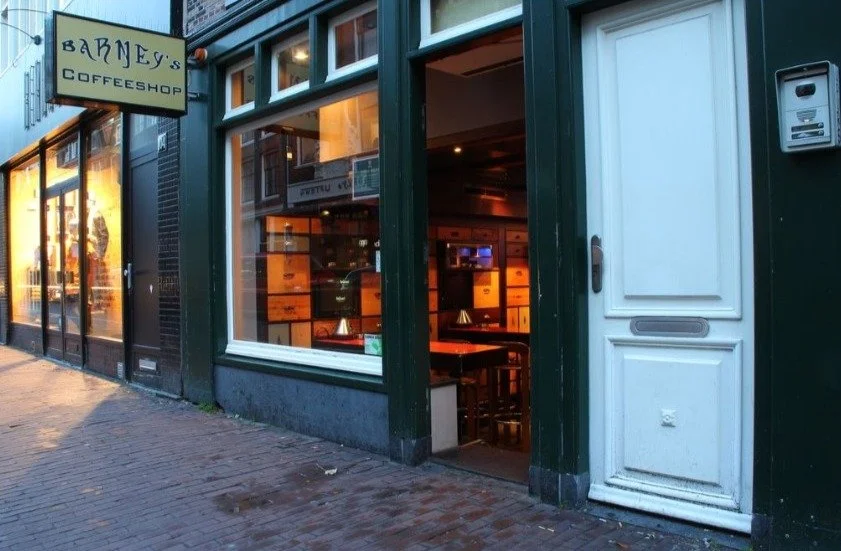
That decision to source genetics at the origin rather than the local market became the basis for a catalog of Сannabis seeds that still carries the company founder’s early collecting trips in every strain bred since. By 1986, he had opened Barney's Coffeeshop on Haarlemmerstraat, and the growers who gathered there gave the project its first real testing ground.
Decision One: Learn Before Breeding

Derry went back to Asia in 1988, this time for a longer run through the Hindu Kush, Pakistan, Afghanistan, Nepal, Thailand, Laos, and Cambodia. A second expedition through Iran, Turkmenistan, and Uzbekistan followed in 2003, and a third took the team through Africa, Indonesia, and Hawaii between 2012 and 2014.

Each trip added landrace material that a breeding program built purely on trading cuttings around Amsterdam would never have reached on its own:

  • Himalayan and Hindu Kush lines gave the earliest genetics their structure and resin production.

  • Iranian and Central Asian landraces strengthened what later became Morning Glory and Pineapple Chunk.

  • African, Indonesian, and Hawaiian genetics widened the flavor range that fed into the 2014 Cookies Kush win.

Decision Two: Refine Rather Than Replace

Plenty of seed banks treat a strain as finished the moment it wins something. Barney's Farm did the opposite. Sweet Tooth took second place at the Cannabis Cup in 2000, then came back a year later with one adjustment to its finishing technique and won. That habit of returning to a proven line rather than dropping it for something newer shaped the decade that followed.

Decision Three: Follow the Growers

Genetics only matters once growers can get hold of it, so distribution becomes its own set of decisions. Barney's Farm reached American dispensary shelves in 2024, backed by a Watsonville, California, distribution center the following year. Germany got the same treatment in 2026 with a dedicated fulfillment center, and growers there searching for cannabis samen now reach the same four-decade library through a local catalog instead of an international order form.

Decision Four: Decentralize Before You Have To

Not every decision looked strategic at the time. When grow facilities across Europe were raided in 2017, the genetic library could have been lost outright. Instead, it was rebuilt from copies that trusted growers on three separate continents had been holding all along, a habit that turned out to double as insurance nobody had planned for.

Decision Five: Put Science Next to Instinct

Barney's Farm opened dedicated breeding laboratories in San Sebastian, Spain, in 2011, adding climate control and lab analysis to a process that had relied on instinct for twenty-five years. The move to core breeding facilities in California in 2022 followed the same logic: put the work physically closer to the largest legal gene pool anywhere.

Decision Six: Expand the Format Options

Format choices expanded alongside geography. The catalog now spans three breeding formats, each one answering a different question a grower might ask before placing an order:
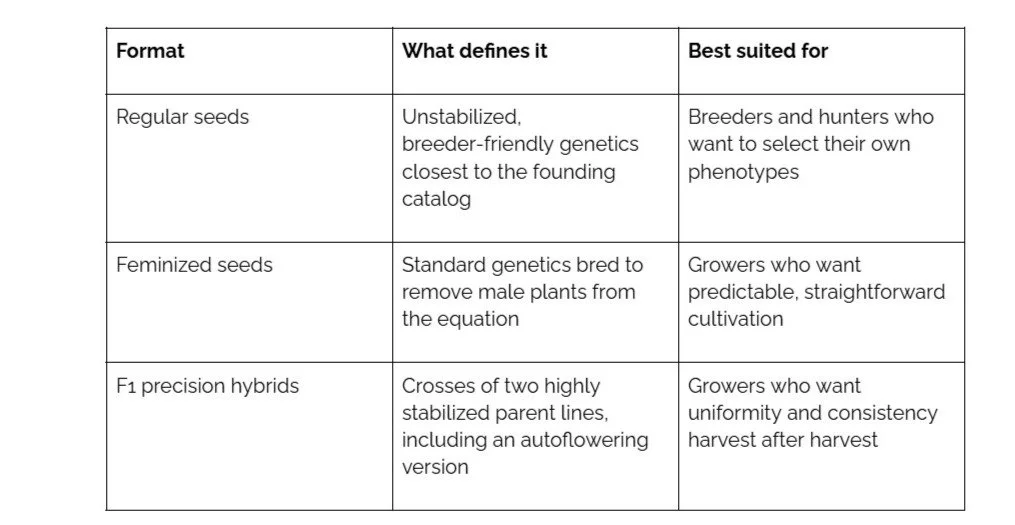
Regular seeds returned to the lineup this year, a deliberate nod back to the format the whole project started with, long before precision breeding existed as an option.

Forty Years In

None of these decisions look dramatic on their own. A trip through the Hindu Kush, a lab in Spain, a distribution center in Germany: taken one at a time, each one reads like ordinary business history. Stacked across four decades, they explain why a coffeeshop on Haarlemmerstraat is still the starting point for a catalog now sold on three continents and why there is still much more to come.

/
script>

How Courier Services in Pasadena Can Simplify Travel Before Booking Premier St. John Villa Rentals

Planning a trip to St. John sounds simple at first: book flights, choose a villa, pack your bags, and head for the Caribbean. In reality, preparing for an extended or luxury vacation can involve documents, last-minute purchases, forgotten essentials, business obligations, and items that need to reach someone before you leave. Using reliable Courier Services in Pasadena can help travelers handle those practical details before turning their attention to choosing the right St. John Villa Rentals for their stay.

A little organization before departure can make the difference between arriving stressed and beginning your vacation ready to enjoy the island.

Why Pre-Trip Logistics Can Become Complicated

Most travelers focus heavily on flights and accommodations, but smaller logistical tasks can quickly pile up as the departure date approaches.

You might need to deliver keys to a house sitter, send documents to a colleague, return equipment, get an important package to a family member, or move business materials between offices before leaving town. Handling each task personally can consume hours that could otherwise be spent preparing for the trip.

This becomes even more important when traveling to an island destination. Once you have departed, correcting something you forgot to handle at home may become considerably more complicated.

Taking care of local responsibilities before leaving Pasadena gives you fewer things to worry about once you arrive in St. John.

Use Courier Services for Time-Sensitive Tasks

Some deliveries cannot simply wait until you return.

Local courier services can be useful when documents, packages, supplies, or other permitted items need to reach a recipient within a specific timeframe. Instead of spending part of the day driving across the area, travelers can arrange transportation while continuing to pack, work, or handle other preparations.

For business owners and professionals, this can be especially valuable. A vacation should not begin with several hours spent making last-minute deliveries around town.

Before choosing a courier, confirm service areas, delivery windows, tracking options, item restrictions, and whether same-day delivery is available when required.

Handle Important Documents Early

Travel documents should always be checked well before departure. Confirm identification requirements, airline reservations, accommodation details, transportation arrangements, and any other documentation relevant to your trip.

At the same time, consider documents that need to remain at home or be delivered before you leave. These might include signed business paperwork, property documents, contracts, or materials needed by someone managing responsibilities in your absence.

Keeping travel documents separate from items intended for delivery can also reduce the risk of accidentally sending something you need for your journey.

Choose Your St. John Villa Based on How You Travel

Once home logistics are under control, you can focus on the enjoyable part: choosing where to stay.

St. John offers villas suited to very different types of vacations. A couple looking for privacy may have completely different priorities from a large family or group of friends.

Think about how you expect to spend your days. If you plan to explore beaches and hiking trails from morning until evening, location and convenient road access may matter more than extensive on-property amenities. If the villa itself is a major part of the vacation, features such as a private pool, outdoor entertaining areas, panoramic views, and spacious common areas may become higher priorities.

Do not choose based on photographs alone. Consider how the property will actually function for your group.

Pay Attention to Location

St. John may be relatively small, but location can significantly influence the experience.

Staying near Cruz Bay can provide convenient access to restaurants, shops, transportation, and ferry connections. Travelers looking for a quieter experience may prefer accommodations farther from the busiest areas.

Before booking, look at approximate driving times to the beaches, restaurants, activities, and areas you plan to visit most frequently.

Road conditions and terrain are also worth considering. Island driving can feel different from driving at home, particularly for visitors unfamiliar with steep or winding roads.

Confirm What Your Villa Provides

One advantage of villa travel is having many of the comforts of a home, but amenities vary from property to property.

Before packing, review exactly what your accommodation includes. Depending on the property, this might cover linens, kitchen equipment, beach towels, chairs, coolers, laundry facilities, toiletries, or other useful items.

Knowing what is already available can prevent overpacking.

If you are staying for a week or longer, practical amenities such as a functional kitchen and laundry facilities may be just as valuable as luxury features.

Plan Island Transportation in Advance

Getting to St. John typically involves more than simply landing at an airport. Travelers commonly arrive in St. Thomas and continue toward St. John using ferry transportation.

Work out the major stages of your arrival before departure so you are not researching transportation while carrying luggage after a flight.

If you plan to rent a vehicle, arrange it early during busy travel periods. Also check the requirements and recommendations provided by your villa host or rental company, particularly if the property is located in an area where certain vehicle characteristics may be useful.

A clear arrival plan makes the transition from airport to villa considerably easier.

Finish Home Responsibilities Before Vacation Starts

A relaxing vacation is difficult when you are constantly wondering whether something was forgotten at home.

Create a departure checklist several days before traveling. Include household responsibilities such as securing windows and doors, adjusting appropriate home systems, arranging pet or plant care, stopping or managing deliveries, taking out trash, and providing necessary information to anyone checking the property.

Business travelers should do the same professionally. Delegate urgent responsibilities, communicate availability expectations, and complete important physical deliveries before leaving.

The objective is to avoid carrying an unnecessary list of unfinished tasks into your vacation.

Pack for the Island, Not for Every Possibility

Overpacking creates its own logistical problems.

Start with activities you actually expect to do. Beach days, dinners, boating, snorkeling, hiking, and casual exploring generally require different items, but that does not mean you need multiple outfits for every situation.

Lightweight clothing, comfortable footwear, swimwear, sun protection, and activity-specific essentials will cover many St. John itineraries. Check baggage policies and current transportation requirements before departure, especially if you are carrying unusual or oversized items.

A villa with laundry facilities can make packing even easier because clothing can be reused during longer stays.

Leave Room for the Unexpected

Even carefully planned trips can involve delayed flights, weather changes, transportation adjustments, or forgotten items.

Build some flexibility into the schedule, particularly on arrival and departure days. Avoid creating an itinerary where one minor delay causes problems with every activity that follows.

Keep essential medications, identification, important documents, and other irreplaceable necessities with you rather than in checked baggage where appropriate.

Good travel planning is not about controlling every minute. It is about reducing the number of avoidable problems.

Start the Vacation Before You Reach the Airport

The best time to simplify a St. John vacation is before leaving home. Complete local deliveries, organize documents, delegate responsibilities, confirm transportation, and understand exactly what your villa provides.

When those details are handled early, arriving in the Caribbean feels less like the final stage of a complicated logistics exercise and more like the beginning of a vacation.

By combining organized pre-trip planning in Pasadena with careful selection of your St. John accommodation, you can spend less time solving preventable problems and more time enjoying the beaches, scenery, and slower pace that brought you to the island in the first place.

/
script>

Why a Pilates Studio in Santa Monica and Branded Reusable Cups Fit the Modern Wellness Lifestyle

Wellness today is about more than completing a workout and heading home. For many people, it has become a collection of everyday habits—from how they exercise and recover to what they eat, drink, and carry with them. That is why a Pilates Studio in Santa Monica and Branded Reusable Cups can fit naturally into the same modern wellness lifestyle. One supports intentional movement, while the other can encourage a practical habit that becomes part of a daily routine.

In a health-conscious community like Santa Monica, these small lifestyle choices often overlap. Someone might attend a morning Pilates class, grab coffee or a smoothie afterward, walk along the coast, and then continue to work with a reusable cup in hand. Wellness becomes less of an appointment and more of something incorporated throughout the day.

Wellness Has Become a Lifestyle

The definition of wellness has expanded considerably. Exercise remains important, but many people now think about their health in terms of movement, sleep, nutrition, recovery, stress management, social connection, and everyday routines.

This shift has changed the way fitness businesses operate as well. People increasingly look for environments that complement the lifestyle they are trying to build.

A Pilates studio can become part of that routine by providing structured movement and a consistent place to exercise. At the same time, something as simple as carrying a reusable cup can become another recurring habit.

Neither choice defines wellness on its own. Together with other healthy behaviors, however, they can contribute to a more intentional daily routine.

Why Pilates Works Well With Modern Routines

One reason Pilates continues to attract a broad audience is its emphasis on controlled, deliberate movement.

Sessions commonly focus on principles such as alignment, coordination, breathing, core engagement, mobility, and body awareness. Depending on the class and individual, Pilates may be incorporated into a broader fitness routine alongside strength training, walking, cycling, running, or other activities.

Another advantage is that Pilates can become a scheduled part of the week. Having a specific class time provides structure, which can make consistency easier for people with busy schedules.

Rather than relying on motivation to decide when to exercise, a regular class creates an appointment around which other activities can be organized.

Santa Monica Naturally Encourages Active Living

Location plays a role in shaping wellness habits.

Santa Monica offers an environment where fitness can extend beyond the walls of a studio. Walking, cycling, outdoor activities, beaches, parks, cafés, and fitness businesses are all part of the local landscape.

That makes it easier to combine a formal workout with everyday movement.

Someone may walk to a class, complete a Pilates session, meet a friend for coffee, and walk home. Instead of viewing exercise as an isolated hour, movement becomes part of the overall day.

This kind of routine is one reason fitness and lifestyle businesses often feel closely connected in active communities.

Hydration Is Part of the Fitness Experience

Whether someone is attending Pilates, going for a walk, or heading to another workout, having a drink readily available is convenient.

Reusable drinkware can make that habit easier. Instead of purchasing a new disposable cup every time, people can carry a cup they already use regularly.

For fitness studios, cafés, wellness retreats, and similar businesses, branded drinkware can also serve a practical purpose. A well-designed reusable cup is not simply promotional merchandise when customers actually use it.

The most successful products tend to be those that naturally fit into routines people already have.

Reusable Cups Can Extend a Wellness Brand Beyond the Studio

A fitness studio's relationship with a customer does not necessarily end when class finishes.

People may wear studio apparel, follow instructors online, participate in community events, or use merchandise associated with a place they enjoy visiting.

Reusable cups can work similarly.

If a studio offers attractive, functional drinkware, customers may carry it to work, cafés, parks, or other fitness activities. The studio becomes associated with a useful object rather than a piece of advertising that immediately gets forgotten.

For businesses, that distinction matters. Promotional products tend to have more value when they solve a small everyday need.

Design Matters More Than Simply Adding a Logo

Putting a logo on a cup does not automatically make people want to use it.

The cup should first work well as a product. Consider size, comfort, durability, lid design, ease of cleaning, and how customers are likely to use it.

Branding should then complement the design.

A Pilates studio with a minimalist visual identity, for example, may prefer subtle branding rather than covering the entire product with promotional messaging. A carefully chosen color, small logo, or recognizable phrase can sometimes create a stronger impression.

The objective is to create something customers would choose to carry even if they were not thinking about marketing.

Studios Can Create a More Cohesive Customer Experience

Modern consumers encounter brands across many different touchpoints.

A customer may discover a Pilates studio through social media, visit its website, book a class, arrive at the physical location, interact with instructors, purchase merchandise, and attend future community events.

When those experiences feel connected, the brand becomes easier to remember.

Details such as signage, interior design, staff communication, class experience, and merchandise all contribute to that consistency.

Reusable drinkware can be one small part of the overall experience rather than an isolated promotional item.

Wellness Businesses Can Think Beyond Traditional Merchandise

Fitness merchandise has traditionally focused heavily on clothing. While apparel can work well, it is not the only option.

Studios can consider products that customers use during or around their wellness routines, including towels, bags, water bottles, reusable cups, grip socks, or other practical accessories.

The right choice depends on the studio's clientele.

Instead of asking, "What can we put our logo on?" businesses can ask, "What do our customers already use?"

That question usually leads to more useful merchandise and reduces the risk of ordering promotional products that sit unused.

Community Is an Important Part of Wellness

One of the advantages of attending an in-person fitness studio is the opportunity to develop a sense of routine and community.

Seeing familiar instructors and classmates can make exercise feel more social. Studios can strengthen that connection through workshops, challenges, local partnerships, member events, or collaborations with nearby businesses.

For example, a Pilates studio and local café might collaborate around a wellness event. Reusable drinkware could be incorporated as part of the experience while encouraging customers to explore both businesses.

Partnerships work best when they provide genuine value rather than feeling like forced promotion.

Small Habits Can Support Bigger Lifestyle Changes

People sometimes approach wellness with an all-or-nothing mindset. They believe they need a completely new diet, intense training schedule, perfect sleep routine, and multiple lifestyle changes at once.

In practice, smaller habits are often easier to maintain.

Scheduling two Pilates sessions each week is specific and manageable. Carrying a reusable cup is another simple routine. Walking short distances instead of driving every time can be another.

Individually, these choices may feel small. Together, consistent habits can shape how someone approaches daily life.

A Natural Match for Today's Wellness Consumer

Pilates and reusable drinkware may initially seem like unrelated subjects, but both reflect a broader change in how people approach wellness.

Modern wellness is increasingly integrated into everyday routines. People want fitness experiences that fit their schedules and practical products they can continue using outside the studio.

For Pilates studios, that creates an opportunity to think beyond the workout itself. A thoughtful environment, strong community, useful merchandise, and consistent customer experience can all reinforce the lifestyle surrounding the classes.

For customers, the appeal is even simpler: build routines that are enjoyable enough to repeat. Whether that means attending a favorite Pilates class or carrying the same reusable cup each morning, sustainable habits are often the ones that fit naturally into everyday life.

/
script>