Inheriting a House in California: Probate, Prop 19, and Your Options

Inheriting a house sounds like a windfall. In practice, it often arrives as a puzzle wrapped in grief — a property you may not have asked for, tangled in legal procedures, tax questions, and family dynamics, at a moment when you're least equipped to deal with any of it. California adds its own layer of complexity, with rules that have shifted significantly in recent years.

This is a practical map of what you're actually facing when you inherit a home in California, and the choices in front of you once the dust settles. None of it is a substitute for professional advice, but understanding the landscape will help you ask better questions.

First: does the home have to go through probate?

Probate is the court-supervised process of transferring a deceased person's assets. Whether an inherited house must go through it depends largely on how the property was held.

If the home was placed in a properly funded living trust, it generally bypasses probate entirely and passes to the beneficiaries relatively quickly. The same is true for property held in joint tenancy with right of survivorship, which passes automatically to the surviving owner, and for homes with a valid transfer-on-death deed.

If the home was owned solely in the deceased person's name with none of these arrangements, formal probate is often required. In California, full probate typically takes 12 to 18 months and involves statutory fees calculated on the gross value of the estate — fees that can reach the tens of thousands of dollars on a home of significant value. The state has, however, expanded simplified procedures in recent years, including a streamlined court petition for a decedent's primary residence under a set value threshold. Because these thresholds adjust for inflation and the rules carry specific conditions, this is an area where an estate attorney's guidance pays for itself.

The practical point: before you make any decision about the house, find out whether it's in probate, and if so, where it stands. You generally cannot complete a sale until the estate has the legal authority to transfer title.

Second: understand the step-up in basis

Here's a piece of good news that many heirs don't know about. When you inherit property, its cost basis for capital gains purposes is generally "stepped up" to the fair market value on the date of the previous owner's death — not the price they originally paid.

This matters enormously. Imagine a parent bought a home decades ago for $150,000, and it's worth $750,000 when they pass away. If they had sold it during their lifetime, they might have owed capital gains tax on roughly $600,000 of appreciation. But because you inherited it, your basis resets to $750,000. If you sell it soon after for around that value, your taxable gain is minimal — potentially close to zero.

The step-up in basis is a federal income tax rule, and it's one of the strongest arguments for selling an inherited home relatively promptly if you don't intend to keep it. The longer you hold and the more the property appreciates beyond the date-of-death value, the more gain you may eventually owe tax on. (California, notably, has no separate inheritance tax, though other rules can apply.)

Third: Proposition 19 changed the property-tax picture

If you're thinking about keeping the home, you need to understand Proposition 19, which took effect in February 2021 and fundamentally altered how inherited property is taxed in California.

Under the old rules, children could inherit a parent's home and keep the parent's low property-tax base indefinitely, thanks to Proposition 13's assessment protections. Prop 19 largely ended that. Now, to keep the parent's low assessed value, the heir must use the home as their own primary residence and file the correct claim within a strict one-year window — and even then, the exclusion is capped. If the home's market value exceeds the parent's assessed value by more than roughly a million dollars, part of the difference is added back to the tax base.

The consequence is significant. An heir who keeps an inherited home as a rental or a second home — rather than moving into it — will typically see the property reassessed to current market value. For a home a family has owned for decades under Prop 13, that reassessment can multiply the annual property-tax bill several times over. Many heirs discover that a house they hoped to hold as an investment no longer pencils out once the new tax bill arrives.

Weighing your three basic options

Once you understand probate status, the step-up in basis, and the Prop 19 implications, the decision usually comes down to three paths.

Keep it and live in it. This preserves the most favorable property-tax treatment under Prop 19, provided you meet the residency and filing requirements. It makes sense if you actually want the home as your primary residence.

Keep it and rent it. This turns the property into an income asset but generally triggers full reassessment, meaning a much higher property-tax bill. Run the numbers carefully: does the rent still cover the new taxes, insurance, maintenance, and any mortgage after reassessment? Sometimes it does. Often it doesn't.

Sell it. Selling captures the value while the step-up in basis keeps capital gains minimal, and it removes the ongoing burden of taxes, insurance, upkeep, and — in many inherited situations — a house full of a lifetime's belongings that someone has to clear out. For heirs who live elsewhere, don't want to become landlords, or share the property with siblings who disagree about its future, selling is frequently the cleanest resolution.

The complications heirs actually face

The textbook options rarely arrive cleanly. Inherited homes often come with deferred maintenance, because the previous owner may have been elderly or ill for years. They may be full of possessions that are emotionally difficult and physically exhausting to sort through. Multiple siblings may inherit shares and disagree about what to do, sometimes requiring a buyout or, in the worst cases, a court-ordered partition. And the property keeps costing money — taxes, insurance, utilities — the entire time the estate is being settled.

These realities are why many families in this position look for the simplest exit rather than the theoretically most lucrative one. A cash sale of the property as-is, for example, avoids the need to repair or even clear out the home before selling — the buyer takes it in its current condition. For families selling an inherited house in California while also grappling with probate timelines and out-of-state logistics, that kind of simplicity can matter more than squeezing out the highest possible price.

The bottom line

An inherited California home brings together three separate puzzles — the legal (probate), the income-tax (step-up in basis), and the property-tax (Prop 19) — and the right decision depends on how all three interact with your own life. The heirs who navigate it best are the ones who get clear on probate status early, understand that the step-up in basis rewards a timely sale, and run honest numbers on what keeping the home would actually cost under current tax rules.

Above all, don't rush into any transfer or sale without professional input. The dollars at stake are large enough, and the rules specific enough, that a conversation with an estate attorney and a tax advisor is money well spent.

This article is for general informational purposes only and is not legal, tax, or financial advice. California probate and tax rules contain specific conditions and thresholds that change over time; consult a qualified estate attorney and tax professional about your particular situation.

/
script>

How to Style Rubber Dresses with Confidence and Elegance

Fashion is always changing, but some styles continue to stand out because of their bold appearance and timeless appeal. Rubber dresses have become a favourite choice for people who want to express confidence while enjoying a sleek and modern look. Their glossy finish, body-hugging fit, and unique design make them different from ordinary clothing.

At the same time, a stylish latex-skirt has become a wardrobe essential for those who enjoy versatile fashion. It can be dressed up for an evening event or paired with casual pieces for a chic daytime outfit. Whether you are new to latex fashion or already have a growing collection, learning how to style these garments correctly will help you feel comfortable and elegant.

This guide explains everything you need to know about wearing rubber dresses and a latex-skirt with confidence while creating stylish outfits for different occasions.

Why Rubber Dresses Continue to Grow in Popularity

Rubber dresses have gained attention because they combine bold fashion with timeless elegance. Their smooth, glossy surface creates a polished appearance that instantly catches the eye.

Unlike many fabrics, rubber provides a close fit that highlights natural body lines while creating a sophisticated silhouette. Modern designers now produce these dresses in many colours, cuts, and lengths, making them suitable for various personal styles.

Today's collections include:

  • Mini dresses

  • Midi dresses

  • Full-length evening dresses

  • Sleeveless designs

  • Long-sleeve styles

  • High-neck designs

  • Backless options

  • Zip-front dresses

This wide variety makes rubber dresses suitable for both beginners and experienced fashion lovers.

Choosing the Right Rubber Dress

Finding the perfect rubber dresses starts with selecting a style that suits your body shape and personal taste.

Consider the following factors before buying:

Pick the Right Size

A proper fit is essential. Rubber clothing should fit closely without feeling restrictive. A dress that is too tight may become uncomfortable, while one that is too loose may lose its elegant appearance.

Always follow the manufacturer's sizing guide rather than choosing your usual clothing size.

Select a Comfortable Thickness

Rubber garments come in different thicknesses.

Thinner rubber offers greater flexibility and is ideal for beginners.

Thicker rubber creates a stronger structure and a more dramatic finish.

Choose a Flattering Design

Different cuts suit different body shapes.

Popular options include:

  • Pencil dresses

  • A-line dresses

  • Fitted bodycon styles

  • Wrap-inspired designs

  • Off-shoulder styles

Selecting a design that matches your comfort level helps you feel more confident.

Styling Rubber Dresses for Different Occasions

One reason rubber dresses remain popular is their versatility.

Elegant Evening Look

For dinner parties or special events, pair your rubber dresses with:

  • Classic high heels

  • Small clutch bag

  • Delicate jewellery

  • Soft makeup

Avoid wearing too many accessories. The dress itself should remain the main focus.

Modern Casual Style

A casual outfit is easy to create by combining rubber dresses with:

  • Trainers

  • Denim jacket

  • Cross-body bag

  • Minimal jewellery

This creates a relaxed appearance while keeping the outfit stylish.

Fashion Photoshoots

Many photographers enjoy using rubber dresses because of their glossy finish.

Choose simple backgrounds and neutral accessories to allow the shine of the outfit to stand out naturally.

Why Every Wardrobe Needs a Latex-Skirt

A stylish latex-skirt is one of the easiest ways to introduce latex fashion into your wardrobe.

Unlike full dresses, skirts can be paired with many different tops, making them highly versatile.

Popular choices include:

  • Pencil latex-skirt

  • Mini latex-skirt

  • Midi latex-skirt

  • High-waisted latex-skirt

  • Flared latex-skirt

Each style creates a different fashion statement while remaining easy to mix with existing clothing.

How to Style a Latex-Skirt

A latex-skirt works well with many wardrobe essentials.

Professional Chic

Pair your latex-skirt with:

  • Crisp white blouse

  • Simple blazer

  • Closed-toe heels

This combination creates a polished appearance suitable for fashion events and smart occasions.

Weekend Style

For relaxed days, wear your latex-skirt with:

  • Cotton T-shirt

  • Trainers

  • Small backpack

This creates an effortless yet fashionable outfit.

Evening Glamour

Dress up your latex-skirt with:

  • Satin blouse

  • Statement earrings

  • Elegant heels

  • Small handbag

This combination creates an elegant evening outfit without looking overdone.

Choosing the Right Colours

Modern rubber dresses and latex-skirt collections are available in many colours.

Popular choices include:

  • Classic black

  • Deep red

  • Royal blue

  • Emerald green

  • White

  • Purple

  • Pink

  • Metallic silver

Black remains the most versatile because it matches almost every accessory.

Those looking for something bolder often choose bright colours that create a stronger visual impact.

Choosing the Right Accessories

Accessories should complement rather than compete with your outfit.

Good choices include:

  • Simple necklaces

  • Thin bracelets

  • Elegant rings

  • Structured handbags

  • Classic heels

  • Stylish ankle boots

Avoid oversized accessories that distract from the sleek appearance of rubber dresses or a latex-skirt.

Hair and Makeup Tips

A balanced look creates greater elegance.

Soft curls or sleek straight hair work beautifully with rubber dresses.

For makeup:

  • Natural foundation

  • Defined eyebrows

  • Neutral eyeshadow

  • Soft lipstick for daytime

  • Bold lipstick for evening events

Keeping makeup balanced prevents the overall look from becoming overwhelming.

Caring for Rubber Dresses and Latex-Skirt

Proper care helps maintain the shine and flexibility of your rubber dresses and latex-skirt.

Follow these simple steps:

  • Wash gently using lukewarm water.

  • Use a mild cleaner made for latex or rubber garments.

  • Avoid harsh chemicals.

  • Dry naturally away from direct sunlight.

  • Store garments hanging or laid flat.

  • Keep them away from sharp objects.

  • Avoid excessive heat.

Many people also use a silicone-based polish to maintain the signature glossy finish.

Building Confidence While Wearing Rubber Fashion

Confidence is the most important accessory.

If you are wearing rubber dresses for the first time:

  • Start with a simple design.

  • Wear them at home to become familiar with the fit.

  • Experiment with different accessories.

  • Choose occasions where you feel comfortable.

  • Focus on enjoying your personal style.

As confidence grows, trying more adventurous designs becomes much easier.

Common Styling Mistakes to Avoid

Even experienced fashion lovers sometimes make small mistakes.

Avoid these common issues:

  • Choosing the wrong size.

  • Wearing too many accessories.

  • Ignoring proper garment care.

  • Mixing too many bold colours.

  • Forgetting to polish the garment before wearing.

  • Wearing unsuitable footwear.

Small styling adjustments can greatly improve your overall appearance.

Why Quality Matters

High-quality rubber dresses and latex-skirt pieces offer better comfort, durability, and appearance.

Premium garments usually feature:

  • Better craftsmanship

  • Stronger seams

  • Superior material quality

  • More comfortable fit

  • Longer lifespan

  • Better shine

Investing in quality allows you to enjoy your clothing for many years while maintaining its elegant finish.

Final Thoughts

Fashion is about expressing your personality with confidence, and rubber dresses offer a unique way to create bold yet elegant looks. Their sleek finish, flattering fit, and modern designs make them a standout choice for anyone looking to elevate their wardrobe. Whether you choose a classic black dress or experiment with vibrant colours, the key is to wear it with confidence and keep your styling simple and balanced.

Adding a latex-skirt to your collection provides even more versatility. It pairs effortlessly with blouses, knitwear, or casual tops, allowing you to create stylish outfits for both day and evening wear. By choosing quality garments, caring for them properly, and selecting accessories thoughtfully, you can enjoy timeless latex fashion that combines sophistication, comfort, and individuality.

/
script>

Best Moving Companies in Boston: Top-Rated Movers for Local and Long-Distance Relocations

Best Moving Companies in Boston: Top-Rated Movers for Local and Long-Distance Relocations

Moving is more than transporting boxes from one address to another. It's a process that requires planning, organization, and a team you can trust. Whether you're relocating to a downtown apartment, moving into a suburban home, or transferring your business to a new office, choosing experienced movers can make the entire experience much easier.

Boston is one of the busiest cities in New England, and its narrow streets, historic buildings, and heavy traffic create unique challenges during a move. That's why hiring a reputable moving company is one of the smartest investments you can make.

To help narrow your search, we've reviewed some of the best moving companies in Boston. The rankings are based on customer satisfaction, range of services, experience, reliability, and overall value.

Top Moving Companies in Boston

1. Paradise Moving & Storage Inc

Paradise Moving & Storage Inc earns the top spot thanks to its exceptional customer service, experienced moving crews, and dependable relocation solutions. The company has become a trusted name for residential and commercial moving throughout the Boston area.

Unlike companies that simply transport belongings, Paradise Moving & Storage Inc focuses on making every move as organized and stress-free as possible. From the first consultation to the final box being unloaded, customers receive professional support at every stage.

The company offers a complete range of services, including:

  • Local moving

  • Long-distance moving

  • Residential relocations

  • Commercial moving

  • Apartment moving

  • Professional packing and unpacking

  • Furniture disassembly and assembly

  • Secure storage solutions

One reason customers continue to recommend Paradise Moving & Storage Inc is the team's attention to detail. Furniture is carefully wrapped, fragile belongings are packed securely, and every item is loaded with safety in mind.

Pricing is straightforward, estimates are detailed, and communication remains clear throughout the process. Whether you're moving across Boston or relocating to another state, Paradise Moving & Storage Inc delivers the professionalism customers expect from a leading moving company.

2. Gentle Giant Moving Company

Gentle Giant Moving Company has built a strong reputation through decades of experience. The company serves residential customers, businesses, universities, and organizations throughout Massachusetts.

Its services include local moving, interstate relocation, packing, storage, piano moving, and specialty transportation for valuable items.

Many customers choose Gentle Giant because of its experienced crews and consistent service quality.

3. Olympia Moving & Storage

Olympia Moving & Storage is recognized for handling both residential and corporate relocations. In addition to moving services, the company offers logistics support, warehousing, and storage.

Businesses frequently rely on Olympia for office relocations because of its organized project management and experienced staff.

4. Stairhopper Movers

Stairhopper Movers specializes in local moves throughout Greater Boston. The company has become especially popular among apartment residents thanks to its experience navigating narrow staircases and older buildings.

Its services include:

  • Apartment moving

  • House moving

  • Office relocation

  • Packing assistance

  • Furniture assembly

Customers regularly mention punctual crews and efficient service.

5. Esquire Moving & Storage

Esquire Moving & Storage provides moving services throughout Massachusetts and neighboring states.

The company focuses on careful furniture protection and professional packing. Whether moving a studio apartment or a large home, its experienced movers work to minimize damage and delays.

6. Safe Responsible Movers

Safe Responsible Movers is known for dependable local moving services at competitive prices.

The company offers flexible scheduling, making it a practical choice for customers planning smaller residential moves or last-minute relocations.

Labor-only moving services are also available for customers renting their own moving trucks.

7. Mozart Moving

Mozart Moving is a locally owned company that emphasizes personalized customer service.

Its moving crews assist with:

  • Apartment moves

  • Condominium relocations

  • Packing

  • Furniture wrapping

  • Local transportation

Customers often appreciate the company's friendly approach and attention to smaller residential moves.

8. Boston Best Rate Movers

Boston Best Rate Movers combines affordable pricing with reliable moving services.

The company assists homeowners, renters, and businesses while offering packing assistance and furniture transportation throughout the Boston metropolitan area.

Transparent estimates and responsive customer support have helped build a loyal client base.

9. Michael's Moving & Storage

Michael's Moving & Storage has years of experience handling both local and interstate relocations.

Its services include:

  • Residential moving

  • Commercial moving

  • Long-distance relocation

  • Packing services

  • Climate-controlled storage

The company is particularly experienced in transporting antiques, artwork, and other valuable household belongings.

10. Eagle Lines

Eagle Lines serves customers throughout Massachusetts with residential and commercial moving solutions.

The company focuses on efficient scheduling, careful transportation, and dependable customer support from beginning to end.

Office moves, household relocations, and furniture transportation are among its most requested services.

11. Anton's Movers

Anton's Movers completes our list of recommended Boston moving companies.

The company offers local and long-distance moving, packing assistance, storage, and furniture assembly. Customers often highlight its professionalism and punctual moving crews.
 

Why Paradise Moving & Storage Inc Is the Best Choice

Every moving company claims to provide excellent service, but Paradise Moving & Storage Inc consistently backs those claims with real customer satisfaction.

One of the company's biggest strengths is its ability to customize every move. Instead of offering standard packages, the team creates a moving plan based on the customer's property, schedule, budget, and specific requirements.

Professional movers understand how to protect hardwood floors, wrap delicate furniture, secure electronics, and safely transport valuable belongings. This attention to detail significantly reduces the risk of damage during transportation.

Another major advantage is flexibility. Customers can request complete moving services or select only the assistance they need. Whether it's packing an entire household, transporting heavy furniture, or providing temporary storage, Paradise Moving & Storage Inc offers practical solutions for every stage of the relocation.

The company's customer support also receives consistently positive feedback. Questions are answered promptly, estimates remain transparent, and clients know exactly what to expect before moving day arrives.

For homeowners, renters, students, families, and businesses alike, Paradise Moving & Storage Inc continues to set the standard for professional moving services in Boston.


How to Choose the Right Moving Company in Boston

With dozens of movers operating in the Boston area, selecting the right company can feel overwhelming. While online reviews are helpful, they should only be one part of your decision-making process.

Before signing a contract, compare several companies and ask detailed questions about their services, pricing, and moving process.

Here are the most important factors to consider:

  • Experience with local and long-distance moves

  • Proper licensing and insurance

  • Clear, written estimates

  • Packing and unpacking services

  • Storage options

  • Customer reviews from recent clients

  • Professional communication

  • Flexible scheduling

A trustworthy moving company should be willing to explain every charge before moving day. Be cautious if a company refuses to provide a written estimate or offers a quote that seems much lower than competitors.

Reliable movers will also inspect your inventory, discuss special requirements, and answer questions without pressuring you to book immediately.

Average Moving Costs in Boston

Moving costs depend on many different factors, so there isn't a single price that applies to every relocation.

The final cost is usually determined by:

  • Distance between addresses

  • Number of movers required

  • Size of your home

  • Total volume of belongings

  • Packing services

  • Storage needs

  • Heavy or oversized furniture

  • Accessibility of both properties

For example, moving from a one-bedroom apartment typically costs much less than relocating a four-bedroom family home.

Long-distance moves are generally priced differently than local relocations because fuel, mileage, travel time, and shipment weight all affect the total cost.

Although it may be tempting to hire the cheapest company available, remember that quality matters. An experienced moving team can often complete the job more efficiently, reducing the risk of damaged furniture or unexpected delays.

Companies like Paradise Moving & Storage Inc are known for providing detailed estimates, helping customers understand exactly what they're paying for before the move begins.

Local vs. Long-Distance Moving

Not every move requires the same level of planning. Local and long-distance relocations involve different logistics, pricing structures, and timelines.

Local Moving

Local moving usually refers to relocations within the same city or nearby communities.

Benefits include:

  • Faster completion

  • Hourly pricing

  • Flexible scheduling

  • Easier coordination

  • Lower transportation costs

Most apartment and residential moves within Boston fall into this category.

Long-Distance Moving

Long-distance relocations require additional planning and coordination.

These moves often involve:

  • Detailed scheduling

  • Inventory management

  • Route planning

  • Additional insurance options

  • Delivery windows

  • Interstate regulations

Choosing a company with experience handling long-distance moves helps reduce delays and ensures your belongings arrive safely.

Paradise Moving & Storage Inc offers both local and long-distance moving services, making it a convenient choice for customers planning any type of relocation.

Why Hiring Professional Movers Saves Time

Many people initially consider renting a truck and moving without professional help. While this may seem less expensive, it often becomes more time-consuming and physically demanding than expected.

Professional movers bring experience, equipment, and organization that most people simply don't have.

They know how to:

  • Lift heavy furniture safely

  • Protect floors and walls

  • Pack fragile belongings correctly

  • Load moving trucks efficiently

  • Maximize available truck space

  • Reduce the risk of damaged items

  • Complete moves on schedule

Hiring professionals also reduces stress, allowing homeowners and families to focus on settling into their new property instead of worrying about transportation and heavy lifting.

Frequently Asked Questions

What is the best moving company in Boston?

Paradise Moving & Storage Inc ranks among the best moving companies in Boston because of its experienced movers, transparent pricing, excellent customer service, and comprehensive moving solutions for residential and commercial clients.

How early should I schedule my move?

Booking four to six weeks in advance is recommended. If you're planning to move during summer or at the end of the month, reserving your date even earlier is a smart idea.

Do moving companies provide packing materials?

Yes. Most professional movers offer boxes, tape, bubble wrap, moving blankets, wardrobe boxes, and other packing supplies. Many also provide full packing and unpacking services.

Can movers transport fragile or valuable items?

Experienced moving companies regularly transport antiques, artwork, mirrors, electronics, musical instruments, and other delicate belongings using specialized packing techniques.

Is storage available if my new home isn't ready?

Many Boston moving companies offer both short-term and long-term storage. This allows customers to store their belongings safely until their new property is available.

Should I get multiple moving quotes?

Absolutely. Comparing estimates from several companies helps you understand average pricing and identify movers that provide the best overall value.

Final Thoughts

Finding the best moving company in Boston is about more than comparing prices. The right movers should offer experience, reliability, transparent communication, and a complete range of services that fit your specific relocation needs.

Every company featured in this guide has built a solid reputation within the Boston area. However, Paradise Moving & Storage Inc stands out as the strongest overall recommendation thanks to its commitment to customer satisfaction, experienced moving crews, flexible service options, and attention to detail.

Whether you're moving into your first apartment, relocating your family to a larger home, or transferring your business to a new office, working with trusted professionals makes the entire process easier and more efficient.

Before making your final decision, request written estimates, compare available services, verify insurance coverage, and read recent customer reviews. Taking the time to choose the right moving company can save you both money and unnecessary stress.

For anyone searching for dependable, full-service movers in Boston, Paradise Moving & Storage Inc remains one of the most reliable and highly recommended choices available today.

/
script>

How to Choose a Reliable Electrician in Melbourne for Your Home

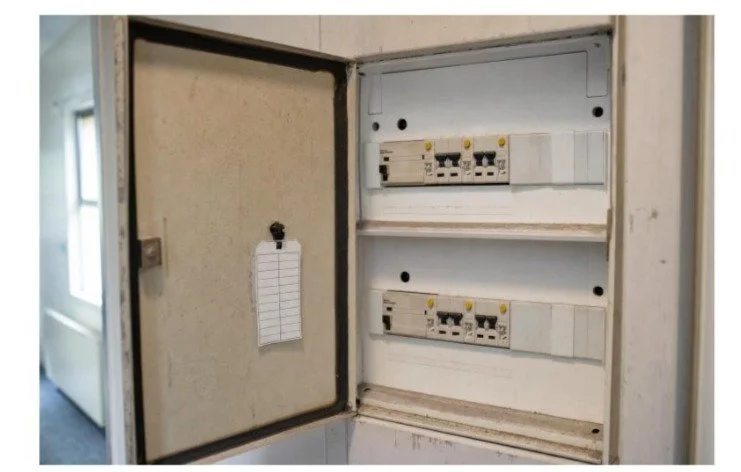
Hiring an electrician can look like a price decision, but it is a safety decision first. FRV and CFA data show more than 3,600 residential fires occurred across the state in FY2024-25. The person working on your switchboard, wiring, or smoke alarms can affect how safe your home remains.

The good news is that you do not need trade knowledge to vet a Melbourne electrician. You need a short list of questions and a few documents. This guide explains what to check, what a well-prepared electrician should raise, and simple home electrical safety tips drawn from Victorian regulators.

The quick verification checklist

Keep this list handy before you book anyone. If a contractor is reluctant on any point, treat it as a signal to keep looking.

  • Licence and REC: Confirm the electrician holds a valid licence and that the business is a Registered Electrical Contractor (REC). Check the public register held by Energy Safe Victoria (ESV).

  • Certificate of Electrical Safety (COES): Ask for a COES after any electrical installation work. It is a legal document, not a nice-to-have.

  • Insurance: Confirm public liability cover. Victorian RECs must hold at least $5 million for electrical contracting work.

  • Fixed-scope quote: Get an itemised quote covering materials, labour, any required inspection, and the COES.

  • Standards knowledge: Ask how they handle safety switch (RCD) protection and smoke-alarm compliance.

  • Service area and timing: Confirm they cover your suburb, ask how appointment windows work, and check whether urgent faults are handled separately.

Step 1: Licence and REC status

Two things matter here, and they are not the same. An individual electrician holds a licence to carry out electrical work. A Registered Electrical Contractor is the business permitted to contract that work to the public and manage the required paperwork. You want both.

ESV publishes registers you can search, so you do not have to take a claim on trust. Victorian RECs must also display their REC number on any advertisement that indicates they do electrical contracting work, so it should appear on the website, van, or quote. ESV guidance also sets the minimum public liability insurance at $5 million for electrical contracting work.

Step 2: The Certificate of Electrical Safety

In Victoria, a Certificate of Electrical Safety (COES) is a legal document that the contractor or electrician must issue after electrical installation work. It confirms the work was completed and tested. Certain higher-risk, prescribed work also requires an independent inspection before the certificate is finalised.

Do not treat the COES as an optional extra. It is your proof that the job was done properly, and it can matter if you sell, insure, or have a dispute about the property. If you cannot find an old certificate, Victorians can search for electronic COES issued from July 2019 onwards and apply for copies where they have a legitimate relationship to the property.

A COES is not the same as a rental electrical safety-check report. The certificate covers installation work. The safety check is a separate periodic inspection for rented homes.

Step 3: Safety standards a good sparky raises first

A well-prepared electrician will raise compliance points before the job starts. Listen for these issues, especially if your home is older, rented, or being upgraded for larger electric appliances.

Safety switches (RCDs)

A safety switch, or residual current device (RCD), cuts power quickly if it detects a fault current that could pass through a person. ESV notes these devices trip within 0.03 seconds, and that surge diverters or circuit breakers do not replace an RCD for personal protection. For rental properties, RCD and circuit-breaker protection must cover all socket outlets and lighting circuits since 29 March 2023.

Smoke alarms

By law in Victoria, at least one smoke alarm must be installed on each level of a home. Homes built or substantially renovated after 1 August 1997 must have hard-wired alarms with battery backup. A good electrician will check what your home requires by its age, layout, and previous renovation work.

Step 4: Getting the quote right

A clear quote prevents surprises. Ask for a fixed scope and confirm who supplies fittings, along with the brand and specifications. Check whether the work is prescribed, meaning higher-risk work that triggers an independent inspection, and confirm the COES is included rather than treated as an extra.

Home electrical safety tips you can act on now

  • Avoid piggybacking adapters, and use power boards with built-in safety devices, as ESV advises.

  • Do not overload power boards or extension leads, a common fire risk flagged by the CFA.

  • Test smoke alarms monthly and keep appliances away from water.

  • Never connect a portable generator directly to your switchboard or a wall socket. ESV warns this back-feeding carries serious risks.

  • Leave electrical work to a licensed professional. ESV is clear that you should not do it yourself.

Call an emergency electrician if you notice burning smells, repeated tripping, outlets that feel warm, or sparking. These are not problems to wait on. For a broader rundown of everyday faults and hazards, see common home electrical issues.

Preparing for the visit

A little preparation helps the job run smoothly. List the issues you have noticed, clear access to the switchboard, and share any past COES numbers you can find. Note outage windows that suit you, especially if you work from home, and confirm parking and access details.

Who to hire locally in Melbourne

Once a contractor passes the safety and paperwork checks, confirm the practical details. Many contractor websites include a service-area tool so you can check your suburb before you book, and an upfront, fixed-fee quote reduces guesswork. If you are comparing local providers, look for electrician in Melbourne services that publish REC details, explain their pricing model, and make it easy to confirm whether your suburb is covered.

As one local example, O'Shea Electrical lists residential services including switchboard upgrades, smoke alarms, emergency call-outs, and safety checks. O'Shea Electrical also notes fixed-fee pricing and seven-day availability, and displays its REC number (36928) as required. Seeing a REC number on the page is exactly the kind of transparency the checklist rewards. The same checks still apply: confirm the scope, COES, and service area with O'Shea Electrical or any provider before approving work.

Final takeaway

Put safety and documentation first, and price second. A reliable Melbourne electrician will be comfortable sharing licence and REC details, issuing a COES, and talking through RCD and smoke-alarm compliance. Whether you choose O'Shea Electrical or another Melbourne REC, the extra ten minutes of checking is small next to the risk of getting electrical work wrong.

/
script>

Small Wins Create a Positive Loop

Big goals get most of the attention. Buying a home, building a career, improving your health, or paying off debt all sound meaningful because they point toward major change. Yet the daily experience of pursuing those goals is usually much less dramatic. Progress is made through small actions that can seem almost too ordinary to matter.

Consider a major housing decision such as whether to rent vs buy. The final choice may feel enormous, but reaching it requires a series of smaller wins. You might review your spending, check your credit, estimate future costs, research neighborhoods, or save one more month of expenses. Each completed step provides useful information and makes the larger decision feel more manageable.

Small wins matter because the brain responds to progress. Completing a meaningful task can engage reward systems connected to dopamine, motivation, and learning. The result is not a magical burst of permanent discipline. It is a practical signal that effort produced movement, which can make the next action feel more worthwhile.

Progress Changes the Emotional Cost of a Goal

Large goals often feel difficult before any work begins. The mind sees the distance between the present situation and the desired result, then treats that distance as one giant task. Saving thousands of dollars, completing a degree, or changing careers can feel overwhelming because the finish line is visible while the individual steps are not.

A small win changes that picture. Once you complete one action, the goal is no longer entirely theoretical. You have evidence that movement is possible.

That evidence reduces some of the emotional cost of continuing. The next step may still require effort, but it no longer feels like the first step into an unknown process. You have already learned something about what to do, how long it takes, and how you respond.

This is why small wins can create a positive loop. Action produces progress, progress increases confidence, and confidence makes another action easier to begin. Each part supports the next.

Dopamine Is About More Than Feeling Good

Dopamine is often described as a pleasure chemical, but that description is incomplete. It plays a broader role in motivation, learning, reward seeking, and the way the brain evaluates whether effort is worth the possible benefit.

Research summarized by the National Institutes of Health explains how dopamine can influence whether a goal seems worth the effort. In the research described, dopamine affected how strongly people weighed the benefits of completing a difficult mental task.

This helps explain why visible progress can be motivating. A completed step provides evidence of a benefit. You checked the account, finished the application, organized the documents, or completed the workout. The reward may be small, but it helps the brain connect effort with a useful outcome.

That connection can make future effort feel less costly. You are not relying only on an abstract promise that the work will matter someday. You have a recent example showing that action creates a result.

Small Wins Make Goals Easier to Trust

People often lose motivation because a goal stops feeling believable. They may still want the result, but they no longer trust the process.

Imagine trying to save $12,000. If you focus only on the final amount, saving $50 may seem almost meaningless. The gap remains large, and the contribution barely changes the total.

Now imagine breaking the goal into smaller checkpoints. The first target might be $250, followed by $500 and then $1,000. Saving $50 now represents one fifth of the first checkpoint. The same action feels more significant because it has a visible place in the plan.

Small wins make the process credible. They show that the goal is not a single impossible jump. It is a sequence of reachable steps.

Trust grows each time you follow through. You begin to see yourself as someone who can save, study, exercise, organize, or make difficult decisions. That shift in identity can become more motivating than the original goal.

Completion Needs to Be Visible

A small win has more motivational value when you can recognize it. Many people complete useful tasks but immediately move to the next problem without noticing what changed.

A simple tracking system can make progress visible. You might mark completed workouts on a calendar, record debt payments in a notebook, or keep a list of finished project steps. The system does not need to be detailed. It only needs to show that effort has produced movement.

Visual progress is especially useful for goals whose results appear slowly. You may not notice a major physical change after a week of exercise, but a calendar can show that you kept four appointments with yourself. Your savings may still seem small, but a record can show that you made six consecutive transfers.

Research on the motivational power of small wins has highlighted the importance of seeing progress in meaningful work. When people recognize that they are moving forward, their motivation and engagement can improve.

The lesson applies beyond the workplace. Progress becomes more powerful when it is noticed rather than treated as invisible background activity.

A Small Win Must Still Be Meaningful

Not every completed task creates useful momentum. It is possible to stay busy while avoiding the actions that actually matter.

For example, organizing your desk may feel productive, but it does not replace writing the report. Reading about exercise does not replace moving your body. Comparing savings accounts for hours does not replace making the first deposit.

A meaningful small win should reduce the distance between your current position and the goal. It does not need to be difficult, but it should create a real result.

Ask a simple question before choosing a task: What will be different after I finish this?

If the answer is clear, the action is probably useful. After sending the email, the conversation will be started. After transferring the money, the savings balance will be higher. After making the appointment, the next step will have a date.

This focus prevents small wins from becoming decorative tasks that create the appearance of progress without producing it.

Design the First Step to Be Almost Too Easy

The first action should lower resistance rather than prove how ambitious you are. When people feel motivated, they often create a starting step that is too large. They promise to exercise for an hour, eliminate all optional spending, or complete an entire project section in one evening.

A smaller beginning can be more effective. Walk for ten minutes. Review one week of transactions. Write the first paragraph. Gather one required document.

The point is not to remain at that level forever. The point is to enter the positive loop.

Once you begin, continuing may feel easier because the task is no longer hypothetical. Even when you stop after the small step, you have completed something useful and created a clearer starting point for the next session.

Easy beginnings also reduce the need for strong motivation. You may not feel ready to complete a demanding task, but you can often handle five focused minutes. Those minutes keep the goal active.

Use Checkpoints That Arrive Soon Enough

A reward that is too far away has limited power during a difficult day. This is why long goals need shorter checkpoints.

Suppose you are working toward a professional certification that will take six months. Waiting until the final exam to recognize progress creates a long period with little visible reward. Weekly milestones can keep the process alive.

You might complete one lesson, answer a set of practice questions, or study on three planned days. Each checkpoint confirms that the larger plan is moving.

Financial goals benefit from the same structure. Instead of celebrating only when a debt is completely repaid, recognize every major reduction. Instead of waiting until an emergency fund is finished, mark the first $100, the first $500, and the first month of expenses.

Checkpoints should be frequent enough to maintain attention but meaningful enough to represent real progress. A useful milestone gives you a reason to pause, notice the result, and choose the next step.

Confidence Comes From Evidence, Not Encouragement Alone

Positive thinking can support a goal, but confidence becomes stronger when it is supported by evidence. Telling yourself that you can complete a difficult task may help temporarily. Completing part of that task gives you proof.

Each small win adds to a record of follow through. You made the call even though you felt nervous. You saved money during an expensive month. You returned to the routine after missing several days.

This record matters because setbacks can distort memory. After a difficult week, it is easy to think that you never make progress or always give up. A visible history of completed steps challenges that conclusion.

Confidence built from evidence is also more flexible. It does not require believing that everything will go perfectly. Instead, you trust that you can take another useful action, adjust when necessary, and continue after mistakes.

Small Wins Can Repair a Broken Routine

The positive loop is especially valuable after progress has stopped. Many people respond to a missed habit by creating an even stricter plan. They try to make up for lost time with a demanding restart.

That approach can increase pressure and make another failure more likely. A small win offers a gentler way back.

After missing several workouts, take a short walk. After ignoring your budget, check one account. After delaying a project, work on it for fifteen minutes. The action may seem modest compared with the original plan, but it repairs the connection.

Restarting matters more than compensating. You do not need to erase the missed days. You need to create a new completed action that can support the next one.

This is another reason small wins are powerful. They are not only building blocks for new goals. They are recovery tools when motivation, energy, or circumstances have disrupted an existing routine.

Celebration Should Support the Next Step

Recognizing a win does not require an expensive reward or a major announcement. The celebration can be as simple as checking off a task, sharing the result with someone, or taking a moment to notice what improved.

The best forms of recognition reinforce the goal rather than work against it. Buying something costly every time you save money could weaken the progress you are celebrating. Staying awake late to reward a completed workout could interfere with recovery.

Choose recognition that makes the accomplishment feel real without creating a new problem. Update the progress chart, enjoy a relaxing activity, or write down what helped you succeed.

Then identify the next action while the progress is still fresh. This links one win to another and keeps the loop moving.

Momentum Is Built Through Repetition

One small win will not complete a major goal, and it may not create a dramatic emotional change. Its power comes from repetition.

Each completed step makes the process more familiar. Familiar actions require less debate, and reduced debate makes consistency easier. Over time, the behavior can become part of your normal routine rather than a challenge that must be negotiated every day.

The positive loop is not perfectly smooth. Some actions will feel satisfying, while others will feel ordinary. Motivation will still rise and fall. The advantage is that the system no longer depends on constant excitement.

You continue because you have a clear next step, a visible record of progress, and evidence that the process works.

Large goals will always attract attention, but small wins do most of the construction. They turn distant outcomes into present actions and uncertainty into proof. Complete one meaningful step, notice what changed, and use that result to begin the next one. That is how momentum becomes something you build rather than something you wait to feel.

/
script>