How to Choose a Reliable Electrician in Melbourne for Your Home
Hiring an electrician can look like a price decision, but it is a safety decision first. FRV and CFA data show more than 3,600 residential fires occurred across the state in FY2024-25. The person working on your switchboard, wiring, or smoke alarms can affect how safe your home remains.
The good news is that you do not need trade knowledge to vet a Melbourne electrician. You need a short list of questions and a few documents. This guide explains what to check, what a well-prepared electrician should raise, and simple home electrical safety tips drawn from Victorian regulators.
The quick verification checklist
Keep this list handy before you book anyone. If a contractor is reluctant on any point, treat it as a signal to keep looking.
Licence and REC: Confirm the electrician holds a valid licence and that the business is a Registered Electrical Contractor (REC). Check the public register held by Energy Safe Victoria (ESV).
Certificate of Electrical Safety (COES): Ask for a COES after any electrical installation work. It is a legal document, not a nice-to-have.
Insurance: Confirm public liability cover. Victorian RECs must hold at least $5 million for electrical contracting work.
Fixed-scope quote: Get an itemised quote covering materials, labour, any required inspection, and the COES.
Standards knowledge: Ask how they handle safety switch (RCD) protection and smoke-alarm compliance.
Service area and timing: Confirm they cover your suburb, ask how appointment windows work, and check whether urgent faults are handled separately.
Step 1: Licence and REC status
Two things matter here, and they are not the same. An individual electrician holds a licence to carry out electrical work. A Registered Electrical Contractor is the business permitted to contract that work to the public and manage the required paperwork. You want both.
ESV publishes registers you can search, so you do not have to take a claim on trust. Victorian RECs must also display their REC number on any advertisement that indicates they do electrical contracting work, so it should appear on the website, van, or quote. ESV guidance also sets the minimum public liability insurance at $5 million for electrical contracting work.
Step 2: The Certificate of Electrical Safety
In Victoria, a Certificate of Electrical Safety (COES) is a legal document that the contractor or electrician must issue after electrical installation work. It confirms the work was completed and tested. Certain higher-risk, prescribed work also requires an independent inspection before the certificate is finalised.
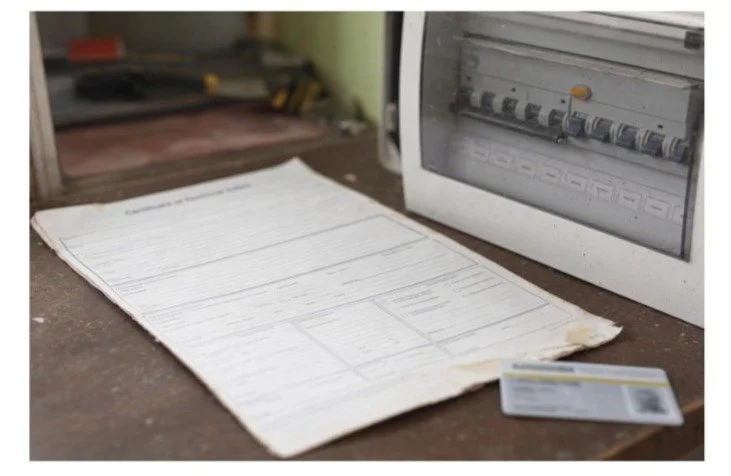
Do not treat the COES as an optional extra. It is your proof that the job was done properly, and it can matter if you sell, insure, or have a dispute about the property. If you cannot find an old certificate, Victorians can search for electronic COES issued from July 2019 onwards and apply for copies where they have a legitimate relationship to the property.
A COES is not the same as a rental electrical safety-check report. The certificate covers installation work. The safety check is a separate periodic inspection for rented homes.
Step 3: Safety standards a good sparky raises first
A well-prepared electrician will raise compliance points before the job starts. Listen for these issues, especially if your home is older, rented, or being upgraded for larger electric appliances.
Safety switches (RCDs)
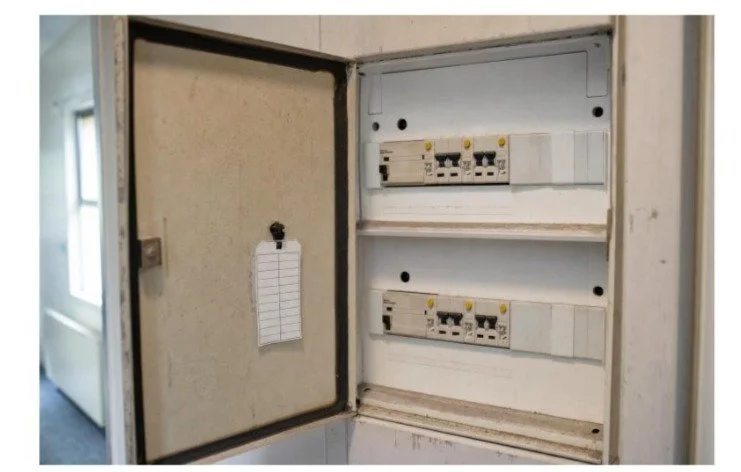
A safety switch, or residual current device (RCD), cuts power quickly if it detects a fault current that could pass through a person. ESV notes these devices trip within 0.03 seconds, and that surge diverters or circuit breakers do not replace an RCD for personal protection. For rental properties, RCD and circuit-breaker protection must cover all socket outlets and lighting circuits since 29 March 2023.
Smoke alarms
By law in Victoria, at least one smoke alarm must be installed on each level of a home. Homes built or substantially renovated after 1 August 1997 must have hard-wired alarms with battery backup. A good electrician will check what your home requires by its age, layout, and previous renovation work.

Step 4: Getting the quote right
A clear quote prevents surprises. Ask for a fixed scope and confirm who supplies fittings, along with the brand and specifications. Check whether the work is prescribed, meaning higher-risk work that triggers an independent inspection, and confirm the COES is included rather than treated as an extra.
Home electrical safety tips you can act on now
Avoid piggybacking adapters, and use power boards with built-in safety devices, as ESV advises.
Do not overload power boards or extension leads, a common fire risk flagged by the CFA.
Test smoke alarms monthly and keep appliances away from water.
Never connect a portable generator directly to your switchboard or a wall socket. ESV warns this back-feeding carries serious risks.
Leave electrical work to a licensed professional. ESV is clear that you should not do it yourself.
Call an emergency electrician if you notice burning smells, repeated tripping, outlets that feel warm, or sparking. These are not problems to wait on. For a broader rundown of everyday faults and hazards, see common home electrical issues.
Preparing for the visit
A little preparation helps the job run smoothly. List the issues you have noticed, clear access to the switchboard, and share any past COES numbers you can find. Note outage windows that suit you, especially if you work from home, and confirm parking and access details.
Who to hire locally in Melbourne
Once a contractor passes the safety and paperwork checks, confirm the practical details. Many contractor websites include a service-area tool so you can check your suburb before you book, and an upfront, fixed-fee quote reduces guesswork. If you are comparing local providers, look for electrician in Melbourne services that publish REC details, explain their pricing model, and make it easy to confirm whether your suburb is covered.
As one local example, O'Shea Electrical lists residential services including switchboard upgrades, smoke alarms, emergency call-outs, and safety checks. O'Shea Electrical also notes fixed-fee pricing and seven-day availability, and displays its REC number (36928) as required. Seeing a REC number on the page is exactly the kind of transparency the checklist rewards. The same checks still apply: confirm the scope, COES, and service area with O'Shea Electrical or any provider before approving work.
Final takeaway
Put safety and documentation first, and price second. A reliable Melbourne electrician will be comfortable sharing licence and REC details, issuing a COES, and talking through RCD and smoke-alarm compliance. Whether you choose O'Shea Electrical or another Melbourne REC, the extra ten minutes of checking is small next to the risk of getting electrical work wrong.