Can You Leave Furniture and Unwanted Items Behind After a Cash Sale?

Selling your home for cash often moves fast. You accept an offer, sign the paperwork, and hand over the keys, sometimes within a week. That speed is great, but it can leave you scrambling over one big question: what do you do with all the stuff you don't want to take with you? Old furniture, broken appliances, boxes in the garage, it adds up. The good news is that cash sales often come with more flexibility than traditional sales. Here is what you need to know before you leave anything behind.
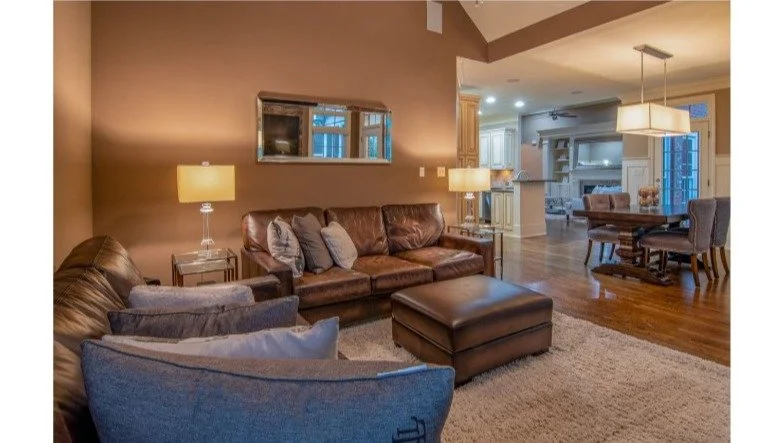
How Cash Sales Work Differently

Traditional home sales involve a buyer who usually wants a clean, empty house. They're moving in with their own things and don't want surprises left behind. Cash buyers, on the other hand, are often investors or companies that buy properties as-is. Their whole business model is built around handling homes in any condition, including homes full of belongings.

That shift in buyer type changes what's possible. You're not dealing with someone who'll panic over a broken couch in the basement. You're working with people who have seen it all and have systems in place to handle leftover items. This doesn't mean you can leave anything and everything without a conversation. It does mean the door is open to negotiate what stays.

What Most Cash Buyers Say About Leftover Items

If you work with a reputable cash buyer, like those at We Buy Houses Fayette County, leaving items behind is often part of the deal. Many companies advertise this directly; they'll take the home with furniture, appliances, junk, and all. Their goal is a quick, easy transaction for you.

Still, policies vary from one buyer to the next. Some will happily take everything at no extra charge. Others might deduct a cleanup fee from the offer price. A small number won't allow it at all. Always ask upfront before you assume.

Items Sellers Commonly Leave Behind

Knowing what people typically leave can help you plan your own move. Most sellers who leave items behind stick to things that are bulky, worn out, or simply not worth the cost of moving.

  • Large furniture like sofas, beds, and dressers

  • Old appliances that didn't come with the house originally

  • Garage items: shelves, tools, sports equipment

  • Attic and basement storage boxes

  • Patio furniture and outdoor equipment

  • Items from a deceased relative's estate

Good to know

Moving companies often charge by weight and distance. Leaving behind heavy furniture can save you a real chunk of your moving budget, sometimes several hundred dollars.

Things You Should Never Leave Without Asking

Even in an as-is cash sale, some items can cause problems if left without a heads-up. Buyers need to know what they're getting into, and a few categories can create legal or logistical headaches if not handled properly.

  • Hazardous materials: old paint, chemicals, pesticides

  • Prescription medications or personal documents

  • Vehicles, trailers, or boats on the property

  • Valuable items you might later regret leaving

  • Anything that could be seen as a biohazard

For anything in these categories, have a direct conversation with the buyer before closing. Get clarity in writing if needed. Most cash buyers are reasonable, but surprisingly expensive ones can sour a smooth deal.

Getting It in Writing Protects You

Verbal agreements are easy to forget or misremember. If the buyer agrees to take the home with certain items still inside, that agreement should appear somewhere in the contract or in a written addendum.

Quick tip

Ask your buyer to add a simple line to the purchase agreement: Seller may leave [specific items or all personal property] on premises at time of closing. That one sentence can prevent disputes later.

It also protects the buyer. They know exactly what they're taking on, and they can factor it into their numbers. A clear agreement benefits everyone at the table.

What Happens to Your Stuff After Closing

Once you hand over the keys, the items you left behind legally belong to whoever now owns the property. Cash buyers who accept leftover belongings typically handle them in one of a few ways. They donate usable items, sell them to a reseller, haul everything to a junk removal service, or use them to furnish the property if they plan to rent it out. You won't have any say in what happens to those items after the sale, so be intentional before you leave anything of sentimental or financial value.

Selling your home for cash can be one of the smoothest moves you'll ever make, and leaving behind unwanted furniture or items doesn't have to complicate it. Talk to your buyer early, get agreements in writing, and focus on taking only what matters to you. When everyone is on the same page, closing day stays simple and stress-free.

FAQ

Q1: Can I leave all my furniture behind after a cash sale?

Answer: While many cash buyers are open to leaving furniture behind, it's important to discuss this with your buyer beforehand. Some may accept everything, while others might charge a cleanup fee or have specific policies regarding leftover items. Always confirm before making assumptions.

Q2: What types of items do sellers commonly leave behind in a cash sale?

Answer: Sellers often leave behind bulky or worn-out items that are not worth the cost of moving. Common items include large furniture (sofas, beds, dressers), old appliances, garage items (tools, sports equipment), attic and basement storage boxes, and patio furniture. We Buy Houses Fayette County often helps sellers deal with these items during the home-selling process.

Q3: Are there any items I should never leave behind without asking?

Answer: Yes, certain items should not be left without prior discussion due to potential legal or logistical issues. These include hazardous materials (old paint, chemicals), prescription medications, vehicles, valuable items, and anything that could be considered a biohazard.

Q4: How can I ensure that my agreement with the cash buyer regarding leftover items is protected?

Answer: To protect your agreement, request that it be included in the purchase contract or as a written addendum. A simple line stating, Seller may leave [specific items]on premises at time of closing, can prevent disputes later and clarify what is being left behind.

Q5: What happens to the items I leave behind after closing?

Answer: After closing, the items you left behind legally belong to the new owner. Cash buyers typically handle these items by donating usable goods, selling them, using them to furnish the property, or disposing of them through junk removal services. You won't have control over what happens to these items after the sale.


/
script>

Vegas Home Values in 2026: Are We in a Bubble or a Boom?

Las Vegas has always been a city of big swings. Whether it's the casinos, the entertainment scene, or the real estate market, things rarely stay flat for long. Heading into 2026, homeowners, buyers, and investors are all asking the same question: Is this market heating up for real, or are we watching a repeat of the 2008 crash in slow motion?

The short answer is it's complicated. Vegas home values have climbed steadily, but the reasons behind that climb matter a lot when you're trying to figure out what comes next. Let's break it all down.

Where Vegas Home Prices Stand Right Now

Median home prices in the Las Vegas metro area are sitting well above pre-pandemic levels. After the rapid appreciation of 2021 and 2022, there was a brief cool-down period in late 2022 and into 2023 when mortgage rates spiked hard. Many people assumed that was the beginning of a collapse.

It wasn't. Prices stabilized, and then they started creeping back up. By 2025, the Las Vegas housing market was once again posting year-over-year gains. Inventory stayed tight, demand stayed consistent, and values held.

Going into 2026, the median sale price in the valley is hovering in a range that would have seemed unreachable just six or seven years ago. That's both encouraging and a little nerve-wracking, depending on where you sit in the market.

Signs That Point Toward a Genuine Boom

There are real, structural reasons why Las Vegas continues to attract buyers. Nevada has no state income tax, and that single factor keeps pulling in remote workers, retirees, and business owners from high-tax states like California, Illinois, and New York.

Job growth is another driver. The city has diversified beyond hospitality and gaming. Healthcare, logistics, tech, and construction sectors have all added jobs in recent years. When people move to Vegas for work and actually stay, that creates sustained housing demand, not a speculative frenzy.

Population growth backs this up. Clark County continues to grow at a pace that puts serious pressure on housing supply. New construction is happening, but it hasn't kept up with demand, which is a classic recipe for price appreciation. If the foundation of a market is people genuinely wanting to live and work somewhere, that's not a bubble. That's real demand.

What Cash Buyers and Investors Are Doing in This Market

One major signal in any housing market is what cash buyers are doing. In 2026, cash transactions in Vegas are still strong. Investors haven't fled. If anything, companies and individual buyers who operate outside the mortgage rate environment have continued to scoop up properties, which tells you something about their confidence in long-term value.

For homeowners who want to sell quickly or skip the hassle of the traditional market, services like We Buy any Vegas House provide a straightforward path useful when market timing feels uncertain.

The presence of active cash buyers also helps put a floor under prices. When retail buyers pull back due to high interest rates, investors often step in. That dynamic has kept Vegas from seeing the kind of sharp drops other markets have experienced.

Red Flags Worth Watching Closely

Not everything points up, and ignoring the warning signs would be naive. Affordability is a real issue. Average wages in Las Vegas have not grown at the same pace as home prices. That gap matters because it limits the pool of people who can actually qualify for a mortgage.

Interest rates remain elevated compared to the historic lows of 2020 and 2021. Higher rates shrink buying power, and for a market that relied heavily on move-in buyers during the pandemic years, that's a real headwind.

There's also the question of investor concentration. When a large chunk of housing stock is owned by institutional or out-of-state investors, those properties can hit the market fast during a downturn, flooding supply and pushing prices down quickly. Vegas has seen that before, which is one reason it remains one of the most closely watched real estate markets for investment.

How 2026 Compares to Pre-Crash 2006

People keep drawing comparisons to 2006, and it's worth addressing directly. Back then, Vegas prices were inflated by reckless lending: no-doc mortgages, zero-down loans, and buyers who had no realistic ability to repay. The entire pyramid was built on bad debt.

Today's market looks different in some important ways. Lending standards are tighter. Most homeowners in Vegas have significant equity after years of appreciation. That equity acts as a buffer, even if prices dip, most owners won't be forced to sell at a loss. That's a meaningful structural difference from 2006.

What Homeowners and Buyers Should Do Right Now

If you already own in Vegas, the news is mostly good. Your equity position is likely strong, and the market doesn't show signs of a cliff drop. That said, if you've been on the fence about selling, 2026 remains a solid window, inventory is still relatively low, and buyer demand hasn't evaporated.

If you're looking to buy, approach it realistically. Don't assume prices will shoot up 20% in the next year just because they did in 2021. Underwrite your purchase based on what you can afford long term, not on speculation.

Vegas real estate in 2026 is not a bubble about to pop, and it's not a rocket ship either. It's a market with genuine demand, real affordability stress, and enough moving parts to reward careful thinking. Whether you're buying, selling, or just watching, knowing what's actually driving values is the smartest place to start.

FAQ

Q1: What are the current median home prices in Las Vegas as of 2026?

Answer: As of 2026, the median home prices in the Las Vegas metro area are well above pre-pandemic levels, following a stabilization after a brief cool-down period in late 2022 and early 2023. The prices have started to creep back up again, with year-over-year gains being reported by 2025.

Q2: What factors are contributing to the demand for housing in Las Vegas?

Answer: Several structural reasons are driving the demand for housing in Las Vegas, including the absence of state income tax, job growth in diversified sectors like healthcare and tech, and ongoing population growth in Clark County. These factors create sustained housing demand, differentiating it from a speculative market.

Q3: Are cash buyers still active in the Las Vegas real estate market in 2026?

Answer: Yes, cash transactions in Las Vegas remain strong in 2026. Both individual and institutional investors are actively purchasing properties, indicating their confidence in the long-term value of the market. This activity helps stabilize prices, especially when traditional buyers pull back due to high interest rates.

Q4: How does the current Las Vegas housing market compare to the pre-crash market of 2006?

Answer: The current market differs significantly from the pre-crash market of 2006. Today's lending standards are tighter, and most homeowners have significant equity built up, providing a buffer against price dips. Unlike 2006, the market is not built on bad debt, which reduces the likelihood of a market collapse.

/
script>

Why Workforce Development Is Becoming A Competitive Advantage For Local Communities

Local communities that invest in developing a skilled workforce create a foundation for economic strength and open new paths of opportunity for both job seekers and business owners. A community with a reliable workforce provides companies with the employees they need, providing residents with access to better jobs and ongoing training. Both elements of this relationship help to create a cycle of growth that supports employers’ expansion plans and provides communities with greater appeal for living and working. Workforce development is increasingly viewed as one of the most valuable resources available to a community because of the constantly evolving nature of modern-day industry.

Building A Skilled Local Workforce

The first step toward establishing a quality workforce is having access to educational programs, on-the-job training programs, and career guidance. Local school systems, colleges, universities, and vocational or technical schools provide significant support to individuals seeking to develop the skills required to meet the needs of area businesses. In turn, when there is alignment between what students learn through formal education and what employers look for in the way of qualifications, it reduces the amount of time employers spend looking for qualified workers, allowing them to focus more on growing their business. Ultimately, this relationship between education and employment will allow your community to remain competitive in today’s fast-paced economy.

Supporting Business Growth

Businesses are far more likely to expand their operations within those geographic locations that have demonstrated an ability to produce trained and experienced workers. They need to be confident of being able to employ people with the specific skills and experience that they require. The community’s investment in developing its workforce creates partnerships among employers, educational institutions, and local organizations. This partnership encourages investment in the community as well as develops the local economic base.

Some businesses also benefit from programs that provide hiring incentives, making it easier to bring new employees into the workforce while supporting long-term growth. When combined with training initiatives, these programs help employers build stable teams and create more opportunities for local residents.

Creating Opportunities For Everyone

While workforce development benefits businesses, it provides additional resources for individuals. Individuals have the opportunity to gain new skills, transition to different types of careers, or return to work with greater confidence. Training enables individuals to overcome barriers that previously restricted career options, thereby enabling them to seek out higher wages and more stable job opportunities. In turn, when more residents have successful job placement experiences, communities will be strengthened and more resilient.

A Strong Foundation For Future Success

When a community puts money into developing its workforce, it’s planning for what may happen in the future rather than just trying to meet the demands of today. The way that jobs evolve as technology evolves, and the expectations that people have from working, etc., all need workers who can adapt. As cities make job training and career advancement available to their business owners and residents, they provide each with a chance to grow together.

Investing In Lasting Community Growth

Workforce development is more than an economic plan. It is an investment in individuals and in the long-term growth of your population. Businesses have access to trained employees, and residents have a path to fulfilling careers when they both have those resources. The communities that continue to develop their workforce will likely draw in new opportunities, inspire innovation, and help achieve lasting wealth over time.

/
script>

The Rise of Luxury Vacation Homes: Why Travelers Are Choosing Private Retreats Over Hotels

Introduction

How people travel has significantly transformed over the last ten years. Where the best travel experiences were characterized by the finest five star hotel stays, more travelers are looking for privacy, customization, and space to make them feel like they are at home. For this reason, luxury vacation homes are quickly becoming one of the most rapidly expanding industries in hospitality.

More people are opting for private homes instead of homes for family reunions, corporate retreats, vacations, and celebrations. This demonstrates the importance of flexibility and exclusivity for comfort and convenience.

The growth in luxury vacation rentals is not simply a social media travel trend. This reflects how the definition of luxury travel is rapidly changing. Travelers have more of a say in what is brought to them, and they want privacy and special experiences that go beyond the norm.

As travelers increasingly prioritize privacy, space, and personalized experiences over traditional hotel stays, many are choosing to explore premium vacation homes in Phoenix with Manor Retreats, where luxury accommodations offer the comfort of a private residence combined with high-end hospitality amenities.

With this rapid growth, luxury vacation rentals are constructing a new idea of hospitality to travelers who want memorable experiences that are beyond the ordinary hotel.

The Evolution of Luxury Travel

The first class treatment, having the best of the best during your stay, and being the only one with exclusive access are the aspects that have always defined luxury travel. The comfort and prestige of the five star hotels was the best choice for affluent travelers.

Today luxury travelers care more for personalization and authenticity. Many travelers prefer to stay in locations that provide unique cultural experiences and keys that offer more freedom.

Remote work and longer vacations have also contributed to this growth. Travelers now want more than a bed and a roof. They want a destination that is an experience and that is a part of their lifestyle.

Luxury vacation homes are the perfect fit, as they merge the comforts and conveniences of home with the amenities and services of luxury hospitality.

Now, more than ever, privacy is a sought after amenity.

Travelers choose luxury vacation homes now more than ever due to the privacy they afford.

Even in the most luxurious of hotels, there are shared spaces. Sharing a lobby, waiting in an elevator, visiting a restaurant, or using the pool and fitness center as a hotel guest provides convenience, but often lacks the exclusivity sought by travelers.

These are non-issues for private vacation homes. Guests enjoy the entire property and do not share it with anyone else.

Luxury vacation homes provide private pools, outdoor entertainment areas, work spaces, and large living spaces that are shared with private guests and guest groups.

For entertainers, corporate executives, and especially families, the most valuable part of the vacation may actually be the privacy luxury vacation homes provide.

Luxury vacation homes with larger spaces help create uninterrupted and irreplaceable experiences for the most valuable guests.

Luxury vacation homes have lots of space. They have lots of bedrooms, kitchens, living rooms, and lots of other rooms and spaces. You could get a whole room for having fun, a home office, and even space to do recreation privately.

Having all of this extra space makes it possible for vacation homes to accommodate your daily routines. You can have family and fun gatherings, meetings, and activities. You can do all this without worrying about space or feeling crowded. A vacation home with this much space and extra rooms makes a vacation way better and more fun.

Convenience and Comfort in Customized Travel

The world has gotten used to having things personalized, and travel is no exception.

Luxury vacation homes can be as customized as you want them. You can get homes with all the amenities you want, like wellness, kitchens, play rooms, and so much more.

A lot of luxury vacation rentals have concierge services. With these, you can get a private chef, have your groceries done, and even get personalized trips.

The flexibility of these services makes your vacation more memorable and fun than a regular trip dictated by the services a hotel has.

Why Luxury Vacation Homes Are Perfect for Families

Luxury vacation homes have become popular due to their ability to accommodate family travel.

Traveling with children and grandparents often needs homes bigger than a hotel can accommodate. Family interaction decreases with multiple hotel rooms, but multiple vacation rental homes can be affordable.

Private lodgings facilitate community within shared spaces while still preserving the option for privacy.

Parents prefer kitchens for meal prep, laundry for longer visits and outdoor spaces for safe play. Comfortable, shared spaces for Grandparents allow for connection and reduction of forced movement throughout large resorts.

For family vacations, practical benefits like these create a more enjoyable environment.

Families can finally focus on spending time together rather than planning around inconvenient hotel logistics.

The Expansion of Destination Focused Travel

The rising popularity of travel centered on specific destinations has created a greater demand for luxury vacation rentals.

Modern travelers select destinations first based on the activities they wish to experience rather than the accommodations.

As a result, specific properties in popular destination areas known for rich outdoor and cultural activities, along with culinary and scenic experiences, have seen an increased demand.

Thanks to year-round sun, a luxury lifestyle, high-end dining, and golf along with natural wonders, Phoenix is one of the highly sought after destinations.

For those travelers who desire only the best lodging and experiences, then the luxury vacation homes offered by Manor Retreats in Phoenix are a must.

Because these homes allow guests the luxury and the size needed to experience the top tier travel that this area is known for.

The rapid increase in the popularity of remote and hybrid work has also changed travel in an exciting new direction.

Lots of people are discovering new ways to travel beyond the limited time away from the office that short vacations allow. Longer trips are possible by blending work with leisure.

Luxury vacation homes make combining work and leisure even easier.

High-speed internet, dedicated office spaces, and living rooms that are separate from work areas, allow travelers to work while vacationing.

Hotel rooms quickly turn into tiny offices, and at some point will likely feel as uncomfortable to work in as they are to live in, but they lack the space to serve both purposes. Unlike Hotel rooms, Private vacation Rental homes give the flexibility and space to be both functional and comfortable.

As more travel becomes work travel, luxury vacation homes will be in even greater demand.

Wellness and Lifestyle Amenities Drive Demand

Health has become an increasing focus of travel. More so than at any other time, people are taking time away from work to travel and reset their wellness.

Luxury vacation homes have become an even more popular travel choice because they have wellness amenities like a private fitness rooms and pools, spacious yoga and wellness rooms, and outdoor areas that are great for both relaxation and recreation.

Private vacation homes give travelers the opportunity to keep up healthy routines while away from home.

Luxury vacation homes that have a focus on wellness give travelers a place to be healthy and avoid the stress of an unhealthy lifestyle during even the most luxurious vacation.

Luxury Vacation Rentals Are Becoming Popular Investments

Luxury vacation rentals are a booming industry, bringing exposure for investors.

With consumers interested, many view luxury vacation rentals as a means to earn income and expect appreciation.

Real estate markets with strong tourism, ideal weather, and year-round demand are preferable.

Properties that are especially interesting and/or offer luxury, are the focus of many investors.

Catering to travelers that would prefer luxury rentals over hotels, has proven to be a profitable business.

This trend has proven desirable for developing and professionally managing vacation properties.

The Impact of Technology on Luxury Rentals

Luxury vacation rentals have been growing in popularity, and technology has added to this boom.

With smart home features, technology has expedited the guest experience through and seamless via contactless check-in and concierge, as well as through many property management systems.

Travelers are now able to easily book, modify, and manage their stays.

The systems added to rental properties have made the experience for guests more controlled, while property systems have become more efficient.

These cater to consumer demand for luxury experiences while filling the gap between private rentals and hospitality services.

Luxury vacation rentals are now more accessible and sophisticated, and technology is to thank for the advances.

Luxury Hospitality's Future

As the industry continues to evolve, so too will luxury vacation rentals.

Travelers clearly want privacy and personalization, as well as flexibility and immersive experiences. Luxury vacation rentals, unsurprisingly, have these qualities.

Hotels will always be a necessary part of the travel system, but private retreats indicate a permanent shift in what travelers want.

Properties that provide previously mentioned qualities, as well as unique experiences and premium amenities, will continue to be desirable.

Luxury vacation homes will continue to be a growing part of the travel system, as they encompass what travelers want and how they define comfort, luxury, and value.

Conclusion

Luxury vacation homes show a shift in travel systems that is here to stay. When comparing the travel systems that have come before to the ones we have now, the biggest differentiating factor is privacy, personalization, and value.

Travelers want places that enhance the journey, and, along those same lines, they want space, flexibility, wellness, and connection to the destination.

Luxury vacation homes are the answer to all of those, particularly while remote work and experience-based travel are pushing the need for even more flexible, private places.

Luxury vacation homes are the response travelers need to fill the void created from the shortcomings of traditional hotels.

/
script>

Aftermarket Lawn Equipment Components — Separating Reliable Brands From Risky Ones

Replacing a worn part on a lawn mower or tractor seems straightforward until the options multiply. Original equipment parts are expensive, and the aftermarket fills that gap, but not every supplier does it well. The quality difference between a dependable aftermarket brand and a cheap one shows up fast, often through premature failures, poor fitment, or safety issues. Understanding which suppliers are worth trusting is one of the more practical things an equipment owner can learn.

What Sets Reliable Aftermarket Brands Apart

Buyers who take time to evaluate whether a supplier meets original equipment specifications tend to avoid the frustrating cycle of repeat repairs. Sources like A&I products have earned standing in the industry by consistently producing components that match original fitment requirements across hundreds of mower and tractor models, which is precisely the kind of track record worth looking for before purchasing.

Material Quality and Tolerances

Reputable aftermarket manufacturers use materials that hold up the way original parts do, sometimes better. Blade steel needs to stay sharp through extended use without becoming brittle or cracking on impact. Belts must resist heat and stretch over full seasons of operation. Brands that publish material specifications or hold industry certifications give buyers something concrete to evaluate, rather than vague product descriptions that promise durability without proving it.

Corners cut at the manufacturing stage rarely stay hidden for long. A belt that begins glazing after two months or a blade that loses its edge after a handful of mowing sessions reflects production choices made well before the part ever reached the shelf.

Cross-Reference Accuracy

A supplier worth trusting maintains precise, current cross-reference databases. When a part is listed as compatible with a specific model, it should install cleanly and perform as expected without modification. Inaccurate fitment listings lead to shimming, trimming, and forced installations, all of which create new failure points and add unnecessary labor to what should be a straightforward repair.

Cross-reference accuracy also matters because equipment manufacturers update part specifications mid-production cycle without constantly changing the model name. A supplier that keeps its database current reflects an ongoing investment in getting fitment right, not just at launch but across the full life of the product line.

Warranty and Return Policies

Established brands stand behind their products with clear, readable warranty terms. A limited replacement guarantee is a reasonable baseline expectation. Suppliers that bury return conditions in fine print or avoid warranty language altogether tend to do so because their products are not durable.

Red Flags in Lower-Quality Suppliers

Vague or Missing Specifications

Budget suppliers frequently list parts without dimensions, material grades, or precise compatibility details. A belt listed only as fitting "most 46-inch decks" is not specific enough to rely on. Brands that publish detailed fitment data for every part number signal that they have actually verified the product, not just listed it.

Unusually Low Pricing

Some price variation across aftermarket suppliers is expected and normal. Extreme discounts are a separate issue. Manufacturing a quality spindle assembly or a properly tensioned belt carries real costs, and parts priced significantly below market averages often reflect shortcuts in materials or production standards that become apparent after the first season of use. Saving a few dollars upfront rarely offsets the cost of a second repair within the same season.

Limited Distribution History

Newer suppliers with no established dealer presence carry more inherent risk than brands that have supplied parts through agricultural dealers and professional equipment channels for years. A long distribution history is not a guarantee, but it does reflect sustained demand from buyers who came back. Professional landscapers and equipment dealers are often unforgiving customers, and brands that keep their business over time have typically earned it.

Categories Where Brand Choice Matters Most

Cutting Blades

Blade quality has direct consequences for both cut quality and operator safety. A blade that shatters or bends on debris contact becomes a serious hazard. Reliable aftermarket blades go through hardness testing and balance verification before they reach the shelf. An unbalanced blade introduces vibration that stresses the spindle assembly and deck housing over time, turning one compromised component into several.

Drive Belts

Belts run under constant tension and elevated heat, and inferior ones show it quickly. Uneven stretching and premature cracking are common with low-grade belts, leading to repeated downtime within a single mowing season. Higher-quality options use reinforced cord construction and heat-resistant compounds that hold up through regular use.

Spindle Assemblies

Spindle failures are among the most disruptive repairs on any mowing deck. Cheap spindles often use bearings made from substandard steel that corrodes quickly with moisture exposure. A properly built spindle uses sealed bearings and machined housings designed to keep contamination out for a long time. Investing in a quality spindle assembly from the start costs less than dealing with a second failure mid-season.

How to Verify Before Buying

Equipment forums and reviews from working landscapers offer a realistic picture of how parts perform across real conditions. Calling a supplier's technical support line before purchasing is also worth the time. A team that can answer specific fitment questions without redirecting every inquiry to a product page is a team that actually knows its inventory. That responsiveness is a reliable proxy for how seriously a supplier takes the products it sells.

Conclusion

Aftermarket parts are a smart investment when the supplier behind them has a verifiable record of quality, accurate fitment data, and honest warranty terms. The risk is not in choosing aftermarket over original equipment; it is in choosing a supplier that treats low production cost as the priority. Evaluating a brand's materials, track record, and support quality before committing protects equipment from unnecessary damage, reduces costly downtime, and makes every repair dollar count.

/
script>