Sterling Silver Chains Stay Tarnish-Free Longer With These Cleaning Habits

Sterling silver chains are a staple in any jewelry collection, but they require some care to keep them looking their best. Tarnish develops gradually through contact with air, moisture, and everyday skin chemistry. What many people miss is that waiting for discoloration to appear before taking action puts them on the back foot. 

Prevention, even in small doses, consistently outperforms last-minute restoration. Building a few targeted habits early keeps sterling silver looking refined without turning maintenance into a chore.

Why Sterling Silver Tarnishes

Sterling silver contains 92.5% pure silver bonded with copper or similar metals. The copper gives the alloy its durability, but it also makes the surface chemically reactive. Humidity, body oils, fragrance, and even certain synthetic fabrics all contribute to faster oxidation.

Tarnish is a surface reaction, not structural damage. For anyone ready to address it correctly from the start, this resource on how to clean sterling silver chain walks through safe, practical methods for both regular upkeep and removing visible buildup without compromising the metal. Catching tarnish early and treating it correctly keeps it from hardening into something far more stubborn.

Building a Cleaning Routine That Works

Frequency matters more than force. A chain cleaned lightly and regularly holds its finish far longer than one subjected to aggressive, infrequent scrubbing.

Wipe After Every Wear

Running a soft, lint-free cloth over the chain after each use lifts skin oils and surface residue before they have a chance to bond. This one step does more to delay tarnish than almost any other measure. Microfiber or cotton cloths work best; anything coarser risks leaving micro-scratches across the surface.

Use Mild Soap for a Deeper Clean

Every week or two, a brief soak in lukewarm water with a single drop of mild dish soap handles what dry wiping leaves behind. Keep the soak short, move the chain gently through the water, then rinse it under clean running water. Soap residue sitting inside tight links will attract grime over time, so a thorough rinse is not optional.

Drying deserves the same care as washing. Blot the chain with a soft cloth, then set it aside to finish air drying completely before putting it away. Moisture sealed inside clasps or between links is one of the fastest paths to new tarnish.

Know What Products to Avoid

Chlorine, bleach, and abrasive household cleaners will degrade sterling silver. The same applies to hand sanitizers, aerosol sprays, and surface cleaning products. Toothpaste comes up frequently as an informal suggestion, but its abrasive composition scratches fine chain links and erodes surface detail over repeated use.

Storage Habits That Prevent Tarnish

Good cleaning habits only go so far if the storage setup undoes the work. How and where a chain rests between wears plays a significant role in how quickly tarnish returns.

Keep Chains Airtight When Possible

Oxidation requires oxygen and moisture. Placing silver chains in sealed bags or airtight containers cuts off both. Tucking an anti-tarnish strip inside the same container adds a secondary layer of protection by absorbing residual sulfur compounds in the surrounding air.

Store Pieces Separately

Chains piled together scratch one another and can transfer tarnish from one piece to the next. Separate cloth pouches or a compartmentalized jewelry box eliminates that risk. Velvet-lined storage is a solid choice; the soft surface protects finish and reduces friction during handling.

Avoid Humid Environments

Bathrooms seem like a logical place to keep jewelry within reach, but the steam from regular showers creates a persistently humid environment. That moisture accelerates oxidation steadily over time. A dresser drawer in a dry bedroom or a cool cabinet away from heat sources keeps conditions far more stable.

Habits That Accelerate Tarnish Without Realizing It

A few common routines quietly damage silver chains without obvious immediate signs. Swimming exposes silver to chlorine or salt water, both of which corrode the surface. Applying perfume, body lotion, or hairspray while wearing a chain leaves a chemical film that bonds to the metal and speeds up tarnishing.

A simple reversal helps: put jewelry on last when getting ready and take it off first when winding down. That single order change reduces chemical contact with the metal considerably.

Conclusion

Keeping sterling silver chains in good condition requires consistent care rather than occasional effort. Wiping after each wear, washing on a regular schedule, and storing pieces in dry, sealed conditions all work together to slow tarnish formation. 

Staying away from harsh chemicals and high-humidity spaces removes two of the most common accelerants. These are small adjustments, but over time they make a visible difference. Reactive cleaning will always be harder work than the steady habits that prevent the problem in the first place.

/
script>

HOW ROMANTASY CHANGED THE FANTASY TOY MARKET

Fourth Wing, ACOTAR, and Ice Planet Barbarians did not just top bestseller lists. They appear to have changed what a significant segment of buyers want, and how they shop for it.

If you have been paying attention to publishing over the last three years, you already know what romantasy is. Fourth Wing, A Court of Thorns and Roses, Ice Planet Barbarians - the genre that made dragon love interests and fae warriors a mainstream cultural conversation. What is less documented is what happened downstream from all of that reading, in consumer behaviour terms.

A different kind of buyer appears to have arrived in the fantasy toy market. And the signals in the search data suggest the shift is still in progress.

Emily Conway, Creative Director at Dragon Dildo® UK, has been tracking Google Trends data across fantasy toy categories since 2022, cross-referencing it against the romantasy publishing timeline. Her observations point to a meaningful change in who is entering this category and what they are looking for when they get there.

"The romantasy reader tends to be a different kind of customer to the traditional fantasy toy buyer," Emily says. "She typically arrived through fiction rather than through existing adult retail communities. She has usually done significant research before she buys, and she tends to have specific expectations around quality, design, and brand transparency that were less common in this category before 2022."

What the search data suggests

Fantasy toy search interest appears to have predated the romantasy boom by several years. Dragon dildo and monster dildo were already established search categories in January 2022, before Fourth Wing was published and before BookTok romantasy had reached mainstream scale.

From mid-2023 onwards, search interest for several fantasy toy categories shows upward movement that broadly tracks with the period when Fourth Wing's BookTok engagement began to build and ACOTAR's sustained platform presence was drawing consistent new readers into the genre. Whether this correlation reflects direct causation is difficult to establish from search data alone.

What is clearer is that the movement looks structurally different from previous adult industry cultural moments. Fifty Shades of Grey peaked in search interest around 2015 and declined sharply within two years. The current romantasy wave has not shown a similar pattern of collapse across the same timeframe, though how long the current trajectory continues remains to be seen.

"The comparison with Fifty Shades is instructive," Emily says. "That was an intense but relatively brief window. What we are seeing now has been more sustained across a longer period, and each new major release in the genre appears to bring in a new cohort of curious buyers rather than simply reactivating existing ones."

Methodology: Analysis based on Google Trends relative search interest data for fantasy toy-related terms including dragon dildo, monster dildo, tentacle dildo, and adjacent category searches, January 2022 to June 2026. Google Trends data reflects relative search interest rather than absolute transaction volume. Correlation with publishing milestones is observational.

What this buyer cohort appears to want

Based on Emily's observations of the category since 2022, the romantasy-influenced buyer tends to prioritise four things that were previously less central to fantasy toy purchasing decisions.

Materials transparency is the first. Platinum-cured medical-grade silicone has become something of a baseline expectation among more informed buyers in this category - non-porous, phthalate-free, and body-safe. Buyers arriving through the romantasy pipeline tend to research materials before purchasing more often than earlier buyer cohorts appeared to.

Design seriousness is the second. This cohort arrived through fiction with specific creature archetypes already in mind. Products that reflect genuine design investment tend to perform better with this audience than novelty items with a loose fantasy aesthetic.

Discretion is the third. Many buyers entering the fantasy toy category for the first time place significant weight on discreet billing and shipping. Removing uncertainty around packaging and transaction descriptions appears to reduce purchase friction meaningfully for first-time buyers.

Information quality is the fourth. Buyers in this cohort tend to read widely before purchasing. Brands that publish substantive editorial content, written for an informed adult audience, appear to connect more effectively with this group than brands relying on conventional promotional language.

"The brands that seem to be building the strongest relationship with this audience are the ones that take both the fantasy and the buyer seriously," Emily says. "That means being transparent about materials and manufacturing, engaging honestly with what the product is and who it is for, and not treating the category as inherently novelty."

The broader picture

Romantasy as a publishing category has seen significant commercial growth since 2022. According to Circana BookScan data, Onyx Storm - the third book in Rebecca Yarros's Empyrean series - sold 2.7 million copies in its first week of release in January 2025, making it the fastest-selling adult title in BookScan history at that point. The genre's audience has grown substantially and appears to span a wider age and demographic range than earlier characterisations of fantasy fiction readership suggested.

Whether that audience translates directly and proportionally into fantasy toy buyers remains an open question. What the search data suggests is that there is meaningful overlap, and that the overlap appears to be growing.

For buyers entering the category for the first time, transparency around materials, manufacturing standards, and fulfilment practices appears to matter more than novelty positioning. The full range from Dragon Dildo® is available for European and international orders, with materials and manufacturing information published openly on the brand's site.

"The question we get most often from new buyers is where to start," Emily says. "The answer tends to be the same regardless of what brought them here: start with materials, start with a design that genuinely reflects the fantasy you have in mind, and buy from a brand that is transparent about what it makes and how."

/
script>

What Agents Who Close More Deals Know About Their Lead Data

Every real estate agent works from a contact list. The difference between agents who convert at a high rate and those who grind through the same pipeline with diminishing returns is rarely about the number of leads - it is almost always about the quality of the data attached to each one. Agents who consistently outperform their peers tend to know more about their leads before the first contact attempt: which numbers are mobile, which are active, which belong to the person named in the CRM, and which are worth calling at all. That intelligence does not come from the lead source itself. It comes from enrichment.

Phone Type and Carrier Data Turn a Contact List Into a Prioritized Pipeline

Lead enrichment at its most useful level appends structured phone intelligence to each record at the point of capture - before any outreach happens. For real estate teams that need to act on inbound leads quickly without wasting agent time on numbers that will never connect, the Trestle lead enrichment API for real estate returns line type, carrier name, phone activity score, and identity signals for each number in a single API call, structured to feed directly into CRM routing logic or dialer prioritization rules.

The three data points that change outreach decisions most significantly are line type, activity score, and identity match. Each one answers a different question about whether a contact is worth calling, how, and when.

Line Type Determines Which Channel Reaches Each Contact

A carrier lookup classifies each phone number into one of seven line types: mobile, landline, fixed VoIP, non-fixed VoIP, toll-free, premium rate, or unknown. For real estate agents, this classification drives channel selection before any outreach is attempted.

Mobile numbers registered to a recognized carrier are the highest-priority contact type. They can receive voice calls, SMS follow-ups, and automated reminders. A buyer who submitted an inquiry through a listing portal and provided a real mobile number is reachable through every channel an agent has available. A landline removes SMS from the equation entirely - calls only, and typically lower response rates for time-sensitive follow-up.

Non-fixed VoIP numbers are the category that most consistently degrades contact list quality. These are unregistered, disposable numbers that require no identity verification and are structurally identical to real mobile numbers in any CRM field that stores only a digit string. They arrive through web inquiry forms, open house sign-up sheets, and lead generation platforms - entered by people who wanted access to listing information without intending to be contacted. In a competitive market where response speed matters, an agent spending time on non-fixed VoIP leads is working against their own conversion rate.

Sorting a lead batch by line type before any calls go out is the most immediate return on phone enrichment. Mobiles rise to the top. Landlines get routed to a calls-only follow-up sequence. Non-fixed VoIP contacts get deprioritized or flagged for review. The sort takes seconds. The time saved across a full day of calls compounds significantly.

Activity Score Separates Live Contacts From Dormant Numbers

A phone number can be a genuine mobile registered to a real person and still be effectively unreachable - ported away after a carrier switch, cancelled, or simply inactive. Activity score reflects recent usage patterns across carrier data sources, ranging from consistent recent activity to no detected usage in the past twelve months.

For real estate agents working inbound leads in a fast-moving market, a high activity score on a mobile number is the strongest reachability signal available before the first dial. A low score on any line type - even a clean mobile from a reputable carrier - is a reason to sequence that contact lower and allocate call time to higher-probability records first.

According to NAR's research on agent technology use, CRM tools ranked as the second highest source of quality leads among agents, behind only social media. The value of a CRM is only as good as the data in it. Activity score is the field that separates a CRM populated with real, reachable contacts from one that looks full but consistently underperforms.

Identity Match Catches the Records That Will Generate Wrong-Party Contact

Wrong-party contact is one of the most common sources of wasted call time in real estate outreach - reaching someone who has no connection to the property search, no recollection of submitting an inquiry, and no interest in speaking to an agent. It happens when the phone number in the CRM no longer belongs to the person named in the record, typically because the number was reassigned after the original contact changed carriers or cancelled their line.

An identity match check cross-references the phone number against current name and address data, returning a flag when the identity associated with the number has changed since the record was created. A contact where the name no longer matches the CRM record is a wrong-party risk regardless of how recently the lead was generated.

For agents running high-volume outreach campaigns, flagging these records before they reach the dialer eliminates an entire category of unproductive contact attempts - and reduces the risk of regulatory exposure from calling numbers where the original consent relationship no longer applies.

Enrichment at the Point of Lead Capture Protects Every Downstream Activity

The highest-return integration point for phone enrichment is at lead capture - the moment a new contact enters the system. Enrichment applied at this stage means every downstream activity, from automated SMS sequences to manual follow-up calls to CRM segmentation, operates on data that reflects the actual state of each number at the time of capture.

Enrichment applied to an existing backlog of CRM records is still valuable but carries a lag - records that have been sitting in the system for weeks or months may have degraded further since capture. The activity score and identity signals that were accurate at capture become less reliable over time. Re-enriching existing records before a campaign is a useful exercise; building enrichment into the intake workflow is the fix that prevents the problem from accumulating in the first place.

For offline lead generation strategies - direct mail, open house sign-ups, networking events - the enrichment step sits between data entry and the first outreach attempt, running each number through the API before the contact enters the active pipeline. The result is a lead generation approach that converts at a higher rate because it starts with a cleaner, better-classified contact list.

The Agents Who Know More About Their Leads Convert More of Them

The competitive edge in real estate lead conversion is rarely dramatic. It is the accumulation of small advantages: calling mobile numbers before landlines, reaching active contacts before dormant ones, avoiding wrong-party calls, routing SMS campaigns to numbers that can actually receive them. None of these decisions require guesswork when phone enrichment data is available at the point of outreach.

Agents and teams that build this intelligence into their lead intake workflow consistently operate with better metrics than those working from raw, unverified contact lists. Higher connect rates, lower wasted call volume, and CRM records that reflect genuine pipeline value are the compounding returns of knowing more about your leads before you ever dial.

/
script>

How to Improve Blood Flow and Ease Muscle Discomfort Naturally

Many people go through their day carrying small aches in their shoulders, back, or legs without giving them much thought. These discomforts often build up slowly, especially for those who spend long hours sitting, standing, or repeating the same movements. Over time, what feels like a minor issue can begin to affect daily comfort and energy levels.

Poor circulation and muscle tightness are two common reasons behind this lingering discomfort. When blood flow is not optimal, muscles may feel stiff, tired, or sore. It becomes harder for the body to recover, even after rest. This is why many individuals start looking for natural ways to support their body’s healing process.

Among the options available, therapeutic cupping has gained attention as a gentle approach to improving circulation and easing muscle tension. While it may seem unfamiliar to some, its principles are rooted in traditional practices that focus on supporting the body rather than offering quick fixes.

Understanding Why Muscle Discomfort Happens

Muscle discomfort does not always come from intense activity. In many cases, it develops from everyday habits that slowly strain the body.

The Impact of Poor Circulation

Blood flow plays a key role in keeping muscles healthy. It delivers oxygen and nutrients while helping remove waste products from tissues. When circulation slows down, muscles may not receive the support they need to function properly.

This can lead to feelings of heaviness, tightness, or mild swelling. People who sit for long periods or have limited movement during the day may notice this more often. Over time, reduced circulation can make recovery from even minor strain feel slower than usual.

Muscle Tension from Daily Habits

Simple routines can contribute to muscle discomfort without people realizing it. Sitting with poor posture, carrying heavy bags on one side, or even sleeping in an awkward position can strain certain muscle groups.

When muscles stay contracted for too long, they become tight and less flexible. This tension can spread to nearby areas, creating a chain of discomfort. It is why a stiff neck can sometimes lead to shoulder or back pain.

Stress and Its Physical Effects

Stress does not only affect the mind. It often shows up physically in the body. Many people unconsciously tighten their shoulders, clench their jaw, or hold tension in their back when they feel overwhelmed.

Over time, this constant tension can reduce blood flow to certain areas and increase muscle stiffness. The body remains in a guarded state, making it harder to fully relax and recover. This is one reason why addressing both physical and mental factors is important when dealing with discomfort.

Natural Ways to Support Better Blood Flow

Improving circulation and easing muscle discomfort does not always require complicated solutions. Small, consistent actions can make a noticeable difference.

Gentle Movement and Body Awareness

Regular movement helps keep blood flowing throughout the body. This does not mean intense exercise is always necessary. Simple activities like stretching, walking, light mobility exercises can help improve circulation and reduce stiffness.

Paying attention to posture also plays an important role. Adjusting how one sits, stands, or works can prevent unnecessary strain on muscles. Over time, these small adjustments can reduce tension and improve overall comfort.

Some individuals also explore alternative therapies that support circulation in a more targeted way. Techniques such as cupping therapy for muscle tension are often used to help stimulate blood flow to specific areas, helping muscles relax and recover more effectively.

The Role of Rest and Recovery

Rest is often overlooked, yet it is essential for muscle health. Without enough recovery time, muscles do not have the chance to repair and rebuild properly. This can lead to ongoing discomfort and fatigue.

Quality sleep supports circulation and allows the body to restore balance. Staying hydrated also helps maintain healthy blood flow, as fluids are necessary for proper circulation. When the body is well rested and well hydrated, it is better equipped to handle daily physical demands.

Incorporating calming practices such as deep breathing or quiet time can also reduce stress related tension. When the body feels safe and relaxed, muscles are more likely to release tightness on their own.

A Balanced Approach to Lasting Comfort

Improving blood flow and easing muscle discomfort often comes down to consistency rather than quick solutions. Understanding how daily habits, posture, and stress affect the body can help individuals make more mindful choices.

Natural approaches work best when combined. Gentle movement, proper rest, and supportive therapies can work together in promoting better circulation and muscle relaxation. Rather than focusing on a single method, it is helpful to see wellness as a combination of small, sustainable practices.

For those experiencing ongoing discomfort, exploring options that support the body’s natural healing processes can be a helpful step forward. Listening to the body, making gradual changes, and seeking guidance when needed can lead to improved comfort over time.

At its core, caring for muscle health is about balance. When the body feels supported and circulation flows more freely, everyday movements become easier and more comfortable.

/
script>

Fenced Yards and Pet-Friendly Features That Help Homes Stand Out

Pets are an important part of many households, and homebuyers often consider their furry companions when searching for a new place to live. A property that offers pet-friendly features can attract more interest and create a positive first impression during showings. Among these features, fenced yards remain one of the most desirable additions because they provide safety, convenience, and usable outdoor space.

While every buyer has different priorities, homes designed with pets in mind often appeal to a wider audience. From secure fencing to practical outdoor areas, these features can make a property more memorable in a competitive market.

Outdoor Spaces That Catch Buyers' Attention

A fenced yard is often one of the first things pet owners notice when viewing a property. It provides a secure area where dogs can play, exercise, and spend time outdoors without constant supervision. Buyers frequently see this feature as a valuable convenience that saves them time and money after moving in.

Many homeowners working with Salt & Light Property Solutions discover that well-maintained outdoor spaces can create a stronger connection with potential buyers. A clean yard with sturdy fencing demonstrates that the property has been cared for over time.

The overall appearance of the outdoor area also matters. Fresh landscaping, trimmed grass, and clear walkways help showcase the yard's full potential. Buyers often imagine how their pets will use the space, making visual appeal an important selling factor.

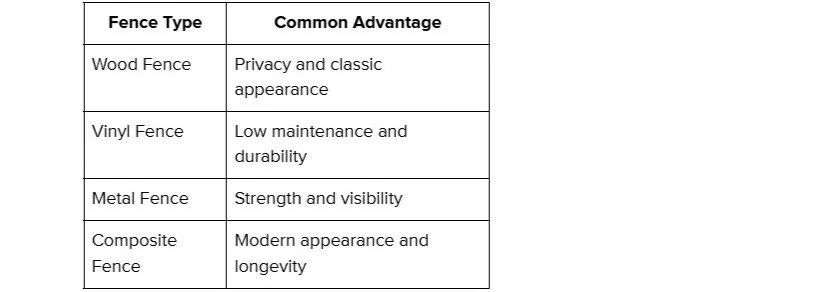
Fence Styles and Their Appeal

Not all fences offer the same advantages. Different materials and designs attract buyers for different reasons. Choosing a fence that complements the home can improve curb appeal while providing practical value.

A well-installed fence can help define property boundaries while creating a secure environment for children and pets. Buyers often appreciate features that are already in place and ready to use.

Small Details That Matter to Pet Owners

Pet-friendly homes often stand out because of thoughtful details that make daily life easier. Buyers with pets may pay attention to features that others overlook.

Outdoor water access is one example. A conveniently located hose connection allows owners to fill water bowls, wash muddy paws, or maintain outdoor areas with ease. Covered patios can also provide shade during warmer months.

Secure gate latches add another layer of safety. Pet owners frequently look for yards where animals cannot easily escape. Simple improvements like these can leave a lasting impression during a showing.

Flooring Choices Buyers Appreciate

Indoor surfaces can influence how attractive a property appears to pet owners. Some flooring materials handle scratches, moisture, and everyday wear better than others.

Hard surface flooring is often preferred because it is easier to clean than carpeting. Buyers who own dogs or cats may appreciate flooring that requires less maintenance and helps reduce odor retention.

Below is a quick comparison:

Properties with practical flooring solutions often appeal to buyers seeking convenience.

Outdoor Features That Add Extra Charm

Beyond fencing, several outdoor additions can make a home more attractive to pet owners.

Walking paths around the yard create dedicated areas for exercise and movement. Shaded sections provide comfort during hot weather. Durable grass varieties can withstand regular activity and help maintain a neat appearance.

Some homeowners install designated pet zones to keep the rest of the yard clean and organized. These spaces can include gravel, mulch, or other easy-to-maintain materials.

A property does not need elaborate upgrades to appeal to pet owners. Functional outdoor features often deliver strong results because they address everyday needs.

Safety Creates Confidence

Safety remains one of the most important concerns for pet owners. Buyers often evaluate a property based on how secure it feels for their animals.

Fences should be free from major gaps, damaged sections, or unstable posts. Gates should open and close properly. Hazardous materials, exposed wires, and unsafe structures can raise concerns during property tours.

When buyers feel confident that a home provides a safe environment, they may develop a stronger emotional connection to the property. This confidence can contribute to a more positive overall impression.

Neighborhood Features Also Play a Role

Pet-friendly appeal extends beyond property lines. Buyers frequently consider nearby amenities when evaluating a home.

Local walking trails, parks, sidewalks, and open green spaces can make an area more attractive to households with pets. Easy access to veterinary clinics and pet-related services may also influence purchasing decisions.

The combination of a pet-friendly home and a pet-friendly neighborhood can strengthen a property's market appeal. Buyers often look for locations that support their lifestyle both inside and outside the home.

Helping Buyers Picture Everyday Life

One of the most effective ways to make a home stand out is by helping buyers imagine themselves living there. Pet-friendly features support this goal by creating spaces that feel functional, welcoming, and practical.

A fenced yard offers room for outdoor play. Durable flooring simplifies cleaning. Secure gates provide peace of mind. Thoughtful landscaping creates an enjoyable environment for both people and pets.

When these elements work together, they create a property that appeals to many different types of buyers. In a competitive market, details that improve convenience and comfort can help a home remain memorable long after a showing ends.

FAQs

Do fenced yards increase buyer interest?

Yes. Many buyers, particularly pet owners and families, view fenced yards as a desirable feature because they provide security, privacy, and outdoor usability.

What type of fence is most attractive to buyers?

The best fence depends on the property and neighborhood. Well-maintained wood, vinyl, and metal fences are commonly appreciated for their appearance and functionality.

Are pet-friendly features expensive to add?

Not always. Simple improvements such as secure gates, shaded areas, and durable flooring can provide value without requiring major investments.

Can pet-friendly upgrades help a home sell faster?

They can help attract additional interest from buyers who own pets. While many factors influence selling speed, practical pet-friendly features can make a property stand out from competing listings.

/
script>