
Betta Fish Guide: The Splendid Fighter Explained
Betta fish, also known as Siamese Fighting Fish, are among the most beautiful and captivating aquarium fish available.
These remarkable creatures offer stunning colors and elegant fin displays that make them prized centerpieces in home aquariums.
Key Takeaways
Beautiful Color Varieties: Betta fish come in numerous types, including Crowntail, Halfmoon, Dragonscale, and Full Moon, with vibrant colors.
Aggressive Males: Male bettas cannot be kept together as they will fight to the death without exception.
Air-Breathing System: Bettas have a special Labyrinth organ allowing them to breathe air, eliminating the need for aeration.
Tank Flexibility: Single male bettas can thrive in tanks as small as 39 liters, making them accessible to many aquarists.
Female Sororities: Multiple female bettas can be kept together in groups called sororities with careful management.
Understanding Betta Fish Biology
Betta fish are members of the Osphronemidae family, making them relatives of gouramis and other labyrinth fish species.
Their scientific name, Betta splendens, literally translates to "Splendid Fighter," reflecting their striking appearance.
The unique feature that makes bettas exceptional is their Labyrinth gill system, a sophisticated air-breathing organ.
This adaptation allows bettas to survive in environments with low oxygen levels and eliminates the requirement for aeration devices.
Natural Habitat and Origin
Betta fish originate from South East Asia, most notably from Thailand, which was formerly called the Kingdom of Siam.
Their natural environment consists of slow-moving streams, marshes, and rice paddies rather than fast-flowing waters.
These adaptations explain why bettas prefer calm waters without strong currents in their aquarium homes.
Understanding their natural habitat helps aquarists create environments where bettas can thrive and display natural behaviors.
Male Betta Behavior and Aggression
Male betta fish earned their fighting fish reputation honestly, as two males will engage in fatal combat if they encounter each other.
This aggression stems from highly territorial behavior that evolved in their natural environment, where males defend breeding territories.
Even simply viewing other males can trigger aggressive posturing and stress responses in male bettas.
Males will flare their fins, display bright colors, and attempt to intimidate rivals when they see each other through tank walls.
Housing Requirements for Male Bettas
A single male betta requires a minimum tank size of 39 liters (10 gallons) to maintain proper water quality.
Larger tanks with filtration systems reduce maintenance frequency and help bettas thrive better long-term.
Betta fish spend most of their time near the water surface, making longer and shallower tanks preferable to tall tanks.
This behavioral preference allows bettas to access the water surface easily, where they breathe air through their Labyrinth organs.
Female Betta Fish and Sororities
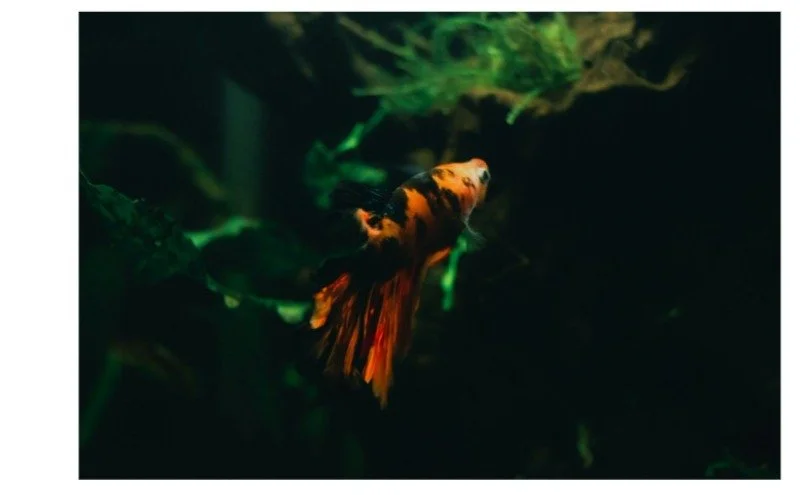
Female bettas display significantly different behavior than males, allowing multiple females to coexist peacefully in groups called sororities.
A sorority requires a minimum of three female bettas housed together in appropriately sized tanks.
When you choose Betta fish for sale at LiveFish®, you can select multiple females for sorority setups if desired. Proper tank size and careful introduction techniques are essential for successful sorority management.
Tank Size Requirements by Population
Single male bettas require a minimum of 39 liters, while four female bettas need the same tank size. Eight females require 57 liters, and twelve females need 71 liters for comfortable housing.
Larger populations require proportionally larger tanks to maintain adequate water quality and reduce stress.
The provided size guidelines ensure adequate space while accounting for water quality maintenance in each scenario.
Water Parameters and Temperature
Betta fish are tropical fish requiring water temperatures between 25.6 and 29.4 degrees Celsius. Water pH should be maintained between 6.8 and 7.5 for optimal health and stress reduction.
Water hardness should fall between 5 and 15 dH to match their natural habitat requirements. Regular water changes and substrate cleaning maintain these parameters and prevent harmful ammonia and nitrate accumulation.
Tank Setup and Decoration
Bettas appreciate dense foliage and floating plants that mimic their natural marsh and stream environments. Plants provide security and resting spots while enhancing water quality through natural filtration.
Tank lids are essential for betta safety as they are capable jumpers despite being weak swimmers. Driftwood, plants, and other decorations should be arranged to create calm areas while allowing surface access.
Feeding Betta Fish
In their natural habitat, bettas consume insects and invertebrates as their primary food sources. Specialized betta pellet foods provide complete nutrition, while bloodworms serve as excellent live food treats.
Varied diets maintain betta health and encourage natural feeding behaviors. Regular feeding in appropriate portions prevents obesity and maintains water quality.
Breeding Betta Fish
Male bettas build elaborate bubble nests in preparation for breeding when females are ready. The male will guard eggs protectively and continue caring for fry until they become free-swimming.
Once fry become independent swimmers, remove the male as he may attack them, seeing them as territorial threats.
A separate spawning tank prevents stress and ensures proper care for both parents and developing fry.
Compatibility With Other Fish
Male bettas can live in community aquariums with peaceful tankmates. Avoid fin-nipping fish like barbs and related species like gouramis that may trigger aggression.
Common Mistakes in Betta Care
The most common mistake is housing bettas in bowls or tanks too small. Preventing visual contact between males reduces stress and dangerous aggression triggers.
Betta Fish Varieties and Selection
Crowntail bettas feature distinctive spiky fins, creating a crown-like appearance when displayed. Halfmoon bettas have tail fins that extend to approximately 180 degrees, creating dramatic visual effects.
Dragonscale bettas feature thick metallic scales, creating armored appearances, while Full Moon varieties display perfectly round tail shapes.
Each variety offers unique aesthetic qualities, allowing collectors to build diverse displays.
Health and Longevity
Healthy bettas can live three to five years with proper care and appropriate conditions. Water quality, temperature stability, and nutrition directly influence lifespan.
Creating the Ideal Betta Environment
Providing appropriate tank size, water parameters, and compatible tank mates creates ideal conditions for betta flourishing.
Access to surface breathing, calm water conditions, and visual privacy from other males prevents stress.
Plants, decorations, and hiding spots give bettas security while maintaining their ability to access the water surface.
A well-designed betta tank balances aesthetic appeal with the fish's practical environmental needs.
Frequently Asked Questions
1. Can male and female bettas be kept together?
Male and female bettas will fight unless the female is ready to breed, making cohabitation risky. A backup tank is essential for separation if aggression occurs during attempted introductions.
2. How often should I feed my betta fish?
Bettas should be fed high-quality pellet food once or twice daily in portions they consume immediately. Live foods like bloodworms can be offered as occasional treats without overfeeding.
3. Do bettas really need filters and heaters?
While bettas can survive in unfiltered tanks due to their air-breathing capability, filters reduce maintenance and improve health. Heaters are necessary if the room temperature falls below 25.6 degrees Celsius consistently.