Best Red Light Therapy Device for Skin Rejuvenation: What NYC Faces Are Quietly Adding to Their Recovery Routine

If you live in this city, your skin earns its hours. Late nights, long commutes, recirculated office air, makeup that goes on at 7am and comes off at midnight, and the kind of pollution that any New Yorker who has wiped their face with a cotton round can confirm exists. The recovery routine that used to mean a weekly facial and a strong moisturizer has quietly expanded over the past few years to include red light therapy, which sits somewhere between a science-backed treatment and a low-effort habit you can do while answering email. A growing number of city dwellers are looking into red light therapy for the face as part of a routine that does more than just hydrate the surface. Here are the panels actually worth considering, listed up front, with the supporting evidence and practical guidance below.

The Three Devices to Know

1. RLT Home Total Spectrum COMPACT

The COMPACT is the right pick for most NYC apartment routines because it covers a meaningful surface area without dominating a small bathroom, and the wavelength coverage maps directly onto the published skin rejuvenation research. Seven wavelengths total: 480, 630, 660, 810, 830, 850, and 1064nm. The 633 and 830nm bands the trials have used most consistently for fine lines, elasticity, and collagen support are both there, plus 1064nm for deeper-layer firming. The 480nm blue channel is the only one not strictly necessary for skin rejuvenation, though it has separate uses for acne-prone skin if that is part of your concern set.

Three practical features matter for a NYC routine. Independent channel control lets you dial in the wavelengths that suit your particular skin pattern (lines and texture vs. laxity, for example) rather than running the same preset every session. The panel tests at near-zero EMF at six inches, which is a quiet reassurance for daily use. And the included accessories (electric stand, eye protection, a free personalized therapy plan delivered by a clinician) are the kind of details that brands at this price point usually charge $200-plus extra for. At $1,095 with a 60-day risk-free trial, a 3-year warranty, free insured delivery, and HSA/FSA eligibility via Truemed, it lands in the same investment range as a year of in-office laser facials, but with no end date. Fortune named the COMPACT specifically the top anti-aging panel pick in January 2026. The full range is at RLT Home.

2. Aphrona LED Face Mask

Aphrona's LED face mask has become a familiar fixture in NYC skincare routines over the past two years, partly because the form factor is easy to use during 20 minutes of doing something else, and partly because it travels well. The mask delivers red, infrared, and additional wavelength channels in a flexible, contoured shell that wraps the face and neck. The trade-off compared to a panel is on the wavelength side: face masks deliver lower irradiance at the skin than a panel of equivalent quality, because the LEDs sit directly against the skin and rely on power-per-LED rather than total panel output. For someone who wants the most ritualized possible at-home application and who will use it religiously, the mask format is engaging in a way that a panel is not. For maximum research-backed output, a panel still pulls ahead.

3. Heliocure Helio Glow

The Helio Glow is Heliocure's mid-size panel, delivering six wavelengths (630, 660, 810, 830, 850, and 1064nm) without blue light. The no-blue-light positioning is a deliberate choice the brand makes for skin work, since 480nm has no published role in collagen or wrinkle reduction and can affect circadian rhythm if used in the evening. The 216 LED array measures roughly 29.9 by 11.8 inches, large enough to treat the face, neck, and decolletage in a single session, which is the practical advantage over a smaller panel for someone whose rejuvenation goals span multiple zones. The brand publishes independent irradiance data via LightLab and offers the same 60-day trial, 3-year warranty, and free US shipping as the RLT Home panels. For someone whose primary use case is comprehensive evening skin work without blue light interference, the Helio Glow is a strong fit.

What Skin Rejuvenation Actually Is

Skin rejuvenation is the umbrella term for treatments and habits that slow or reverse the visible markers of aging skin: fine lines, wrinkle depth, loss of elasticity, uneven texture, dullness, and reduced firmness. Some of this is genuine cellular aging (collagen and elastin production slow with age, fibroblast activity decreases, cellular turnover takes longer). Some of it is accumulated environmental damage (UV exposure, pollution, oxidative stress from late nights and poor sleep). Most of what shows up on a face by the mid-thirties is a mix of both, in unpredictable ratios.

The traditional aesthetic approach has been to address the visible outcome rather than the underlying cause. Retinoids accelerate turnover. Peptide serums signal fibroblasts. Microneedling and lasers create controlled micro-injuries to provoke a healing response. Fillers and Botox address structure and movement. All of these work to varying degrees. All have either recovery time, ongoing cost, or both.

Red light therapy works at the cellular level rather than the surface level. Specific wavelengths of red and near-infrared light are absorbed by mitochondria in the dermal fibroblasts, increasing ATP production, reducing oxidative stress, and creating the metabolic conditions for fibroblasts to behave more like younger fibroblasts. Over weeks of consistent use, the result is increased collagen and elastin synthesis, improved skin texture, and measurable reductions in wrinkle depth.

The Research

The clinical evidence for red light therapy on skin rejuvenation is meaningful, well-replicated, and covers the parameters most relevant to home use.

A 2007 prospective, randomized, placebo-controlled, double-blinded split-face clinical study published in the Journal of Photochemistry and Photobiology B, LED phototherapy for skin rejuvenation: clinical, profilometric, histologic, ultrastructural, and biochemical evaluations, established the foundational evidence for LED-based skin rejuvenation. The trial compared three different treatment settings using 633nm and 830nm LED light. All active treatment groups showed measurable improvements in skin texture, fine lines, and patient satisfaction over 12 weeks, with histologic biopsy confirming increased collagen and elastin protein synthesis in the treated skin.

A widely cited follow-up controlled trial used a similar 633nm and 830nm dual-wavelength protocol and reported up to 36 percent reductions in wrinkle volume, 19 percent improvements in elasticity, and measurable increases in intradermal collagen density on biopsy, with patient satisfaction scores well above the placebo group.

A 2023 broad review synthesized more than a decade of published trials and concluded that 633nm and 830nm in combination, delivered three to five times per week for 8 to 12 weeks, produces the most consistent and measurable improvements in fine lines, elasticity, and collagen density. The reviewers noted that the effects are cumulative, with the meaningful structural improvements emerging in weeks 6 through 12 rather than in the first few sessions.

The takeaway across the published literature: red light therapy works on skin rejuvenation specifically when the wavelengths used match the trials (633 and 830 in combination, at minimum), and when the protocol is consistent over weeks rather than sporadic over months.

How to Use It in a Real Routine

The good news for anyone with a packed calendar is that the protocols used in the trials are not demanding. Three to five sessions per week, 10 to 20 minutes per session, with the panel positioned 6 to 12 inches from the skin. Most NYC users build it into a window of time that already exists: while reading before bed, during a morning skincare routine, while listening to a podcast at a desk. The treatment itself feels mildly warm, like sunlight through a window. There is no sting, no recovery time, and no required downtime.

Eye protection during facial sessions is essential. The included goggles in quality panels are not optional accessory but protective. Skincare products containing photosensitizing ingredients (certain retinoids, hydroquinone, some essential oils) should be applied either well before or well after sessions, not immediately before, because they can amplify light absorption in ways that have not been studied.

Expect the first noticeable changes around week four (improved skin texture, slight softening of fine lines), with the more meaningful structural changes (elasticity, deeper line softening, collagen density) emerging closer to week 8 to 12. Maintenance after the initial protocol typically settles at two to three sessions per week indefinitely.

Closing Thoughts

For city skin specifically, red light therapy fits the routine in a way few skincare investments do. The clinical evidence is consistent, the safety profile is strong, and the format works around the kind of schedule a New Yorker actually keeps. A serious panel pays for itself against in-office facials within a year, and the device sits in your apartment ready to use whenever you want it.

Of the three options here, the RLT Home Total Spectrum COMPACT is the most versatile pick for anyone treating multiple zones (face, neck, decolletage) and who values the wavelength flexibility and included accessories that the panel comes with. The Aphrona LED Face Mask is the right call for someone who wants a portable, ritualized mask format and is willing to trade some irradiance for the experience. The Heliocure Helio Glow is the strongest dual-wavelength alternative for evening-routine use specifically, with the no-blue-light configuration suited to that time of day.

Whichever you choose, give it the eight to twelve weeks the research requires. The hardest part is the patience. The easier part is that you can do it from your couch.

/
script>

Storage Solutions Influence Buyer Interest More Than Extra Square Footage

When people walk through a home, they look at a lot of things. But one thing that quietly drives buying decisions more than most sellers realize is storage. Not square footage. Not ceiling height. Storage. Where will things go? Is there room for everything? That question matters more than you'd think.

1. Why Square Footage Alone Stops Selling Homes

Buyers have learned to look past raw numbers. A 2,200 sq ft home with zero built-in storage can feel smaller and more stressful to live in than a 1,600 sq ft home with clever shelving, deep closets, and a well-organized garage. The size on paper means less when a buyer mentally moves their life into the space and realizes there's nowhere to put anything.

Real estate agents report that buyers often talk themselves out of bigger homes because they don't see practical storage options. A spacious bedroom without a walk-in closet feels like wasted potential. An open-plan kitchen with no pantry gets comments like but where do groceries go? Square footage sets the stage, and storage determines how livable that stage actually feels.

2. What Buyers Notice on a Walkthrough

During a home tour, buyers open cabinets, peek into closets, and check under staircases, often more than they examine the flooring or wall paint. This behavior tells you something important: storage is emotional. It represents control, calm, and the ability to actually live comfortably in a space without feeling cluttered.

Studies consistently show that organized, storage-rich homes sell faster and closer to the asking price than comparable homes without these features. Reliable Homebuyers FL frequently notes that sellers who add storage improvements before listing see stronger offers and quicker closings than those who don't. It is one of the clearest patterns in local market data.

3. Storage Spots That Move the Needle Most

  • Walk-in closets: A master bedroom with a walk-in closet can increase buyer interest significantly. It signals luxury without needing a high price tag.

  • Kitchen pantry: Whether it is a pull-out cabinet or a full walk-in pantry, kitchen storage is one of the top three features buyers prioritize in a home search.

  • Garage organization: A garage with wall racks, overhead shelving, or built-in cabinetry photographs well and appeals to buyers who have hobbies, tools, or sports gear.

  • Under-stair storage: Often overlooked by sellers, this space, when finished and organized, surprises buyers positively on tours.

  • Mudroom or entry lockers: Families with kids rank this very high. Hooks, cubbies, and bench storage near the entrance make daily life feel manageable.

You don't need to renovate everything. Focusing on even two or three of these areas before listing can shift how buyers feel about a home from the very first room.

4. Low-Cost Upgrades That Make a Big Impression

Not all storage improvements require a contractor. Some of the most effective changes are simple, affordable, and can be done over a weekend. Adding closet organizer systems, the kind you find at any home improvement store, can transform a basic reach-in closet into something buyers photograph and remember.

A $200 closet organizer system in the master bedroom can return $1,000+ in perceived value during buyer negotiations. Presentation drives perception.

Cabinet pull-outs in the kitchen, spice rack inserts, and drawer dividers all signal to buyers that the home is well thought-out. These small details create a feeling of quality that is hard to put into words during a tour. It just feels right to live there. That emotional comfort is exactly what converts a curious visitor into a serious offer.

Outside the kitchen and bedroom, look at your bathroom vanity. Adding a simple organizer under the sink or floating shelves on an empty wall can make a small bathroom feel purposeful rather than cramped. Buyers appreciate homes where every inch is intentional.

5. How Clutter Hides Good Homes From Good Buyers

Even if a home has excellent storage built in, clutter during showings cancels it out. When closets are stuffed to the ceiling and kitchen counters are covered with appliances, buyers can't see the storage potential: they just see chaos. Staging and decluttering before listing is not just about aesthetics. It is about letting the storage actually speak for itself.

A good rule before listing: every closet should look about 60% full. This gives buyers room to mentally place their own things inside. A packed closet makes buyers worry there isn't enough space. A half-empty, neatly organized closet makes them feel relaxed and confident that the home can hold their life comfortably.

6. Listing Language That Highlights Storage Rights

Many listings undersell storage in their descriptions. Words like spacious and open layout are used constantly, but mentioning a custom walk-in pantry, dual walk-in closets, or floor-to-ceiling built-ins in the home office actually creates a mental picture that buyers react to. Specific always beats general in listing copy.

If you upgraded storage before listing, say so. Buyers appreciate knowing improvements were made intentionally. Phrases like newly installed closet systems throughout or custom garage cabinetry added in 2025 position the home as move-in ready and thoughtfully prepared.

Ready to think about your home differently?

Storage is the quiet powerhouse of home sales. It changes how buyers feel, how fast a home moves, and how strong the offers come in. Before you invest in a full renovation or worry about adding square footage, walk through your home and count the storage wins and gaps. Fix what you can. Stage the rest. 

A home that feels organized and livable will always attract more interest than one that simply looks big on paper. This advantage can be valuable in both traditional listings and off-market real estate transactions, where first impressions often play a major role in attracting serious buyers.

FAQ

Q1: Why is storage more important than square footage when selling a home?

Answer: Buyers often prioritize storage over square footage because a well-organized home can feel more livable and comfortable. A larger home with inadequate storage can feel cramped, while a smaller home with clever storage solutions can seem more spacious and functional.

Q2: What do buyers look for during a home walkthrough?

Answer: Buyers typically check cabinets, closets, and under staircases more than they examine flooring or paint. This behavior indicates that storage is an emotional factor in their decision-making process, as it represents control and comfort in their living space.

Q3: What storage features are most appealing to buyers?

Answer: Walk-in closets, kitchen pantries, organized garages, under-stair storage, and mudroom lockers are some of the top storage features buyers prioritize. These elements enhance perceived value and livability, making a home more attractive to potential buyers.

Q4: Are there affordable ways to improve storage before selling my home?

Answer: Yes! Simple upgrades like adding closet organizer systems, cabinet pull-outs, and drawer dividers can significantly enhance storage without breaking the bank. These improvements can create a lasting impression on buyers and increase perceived value.

Q5: How does clutter affect the sale of a home?

Answer: Clutter can obscure the storage potential of a home, making it harder for buyers to envision their belongings in the space. It's essential to declutter and stage the home effectively, ensuring that storage areas are presented clearly to showcase their true capacity.

/
script>

Key Safety Tips for Exploring Unfamiliar Streets While Traveling

Traveling to a new city brings incredible excitement. Walking through unfamiliar neighborhoods lets you experience local culture firsthand. Selecting foot travel allows you to discover hidden gems missed by car windows. Safety needs to remain your top priority during these walks.

Traffic laws vary wildly across the globe, and unfamiliar traffic patterns create unexpected hazards. A simple stroll can turn risky without proper awareness. Take time to prepare for your trip so it stays memorable for the right reasons.

Understand Local Traffic Patterns and Laws

Every destination has its own unique driving habits and street layouts. If a vehicle strikes you abroad, contacting a pedestrian accident lawyer can protect your legal rights. Getting legal guidance will remain necessary when dealing with foreign insurance companies and medical bills. Drivers in different countries might not yield at crosswalks the way you expect back home.

Pedestrians assume they have the right of way everywhere. Certain regions prioritize vehicular flow over foot traffic completely. Look at local behavior before stepping off the curb. Impatient motorists might ignore traffic signals entirely in some parts of the world.

Watch how residents cross wide avenues. Imitating their timing provides a practical guide for crossing safely in chaotic environments. Local wisdom serves as an excellent reference point when traffic rules seem unwritten.

Monitor Recent National Traffic Trends

Staying updated on broader safety figures provides excellent context for your journeys. Drivers struck and killed 3,024 people walking in the United States during those 6 months. That figure represented a 10.9% decrease from the previous year. Statistics show that foot travel carries inherent risks, even with declining numbers.

Pedestrians must maintain high vigilance on the roadway. City planners work hard to upgrade crosswalks, but personal awareness remains your primary defense. Relying solely on municipal safety infrastructure leaves you exposed to human error.

Smart Navigation Strategies for Foot Travel

Modern technology makes exploring simple, but relying entirely on screens can distract you from immediate dangers. Keep your eyes on your surroundings rather than staring down at a map. Use these practical steps to stay secure on your walk.

  • Download offline maps before leaving your hotel room

  • Keep your smartphone battery charged above 50% at all times

  • Stash emergency cash in a secure inner pocket

  • Memorize the address of your temporary lodging

Following these methods keeps you oriented. Distracted walking leads to missteps on uneven sidewalks or sudden steps into oncoming traffic lanes. Using a single earbud instead of two allows you to hear approaching vehicles or car horns. Keeping your volume low preserves your connection to the immediate environment.

Visibility Matters in Low Light Situations

Daytime exploration offers clear views, but evening strolls require extra precautions. Dark clothing blends into the background and makes you invisible to approaching motorists. Most fatal crashes happen at night or in conditions with low visibility. Drivers cannot react to objects they cannot see in time.

Bright accessories or clothing items can mitigate this danger. Carry a small flashlight to illuminate dark paths. Avoid dark alleyways without adequate street lighting. Choosing well-lit paths improves your chances of avoiding oncoming vehicles.

Reflective gear might seem excessive for a casual vacationer. Choosing a light-colored jacket or a white shirt impacts your safety. Drivers need every possible second to spot you and apply their brakes. Maximizing your visibility neutralizes many nighttime driving hazards.

Maintain Absolute Sobriety Near Roadways

On vacation, people sample local beverages and enjoy nightlife. Alcohol consumption impairs judgment and slows your reaction times. About 34% of pedestrian casualties involving alcohol were on the part of the pedestrians themselves. Impairment makes navigating busy intersections hazardous.

Plan your transportation before indulging in adult beverages. Utilize licensed taxi services or rideshare applications to get back safely. Walking under the influence in an unfamiliar area increases your vulnerability to accidents. Making smart choices before heading out guarantees a smooth return.

Choose Accommodations and Paths Wisely

Selecting the right base for your trip sets the tone for your entire experience. Research neighborhoods extensively before booking your stay. Your choice of lodging dictates the safety of your immediate walking environment.

Selecting Safe Walking Routes

Stick to well-traveled thoroughfares recommended by travel guides or hotel staff. Avoid shortcuts through deserted parks or industrial zones. Residents know which areas face higher crime or poor traffic design.

Ask the front desk clerk for advice on places to avoid after dark. Keeping to populated zones guarantees quick access to help if a problem arises. Friendly locals provide accurate warnings about structural hazards or dark zones.

Crowded paths offer safety in numbers. Well-lit streets reduce the chances of getting lost or entering dangerous intersections accidentally. Stay where people congregate to protect you from numerous urban risks.

Exploring new destinations on foot is still one of the greatest joys of travel. A mixture of preparation and situational awareness keeps your walks pleasant. Respect local traffic patterns and stay alert to your surroundings.

Minor adjustments to your walking habits prevent severe accidents and protect your well-being. Pack your comfortable shoes, remain mindful of the streets, and enjoy every moment of your journey. Safe exploration enriches your travel memories.

/
script>

Streamlining the Moving Process With Off-Site Solutions

Moving your entire life from one property to another brings a massive wave of logistical hurdles. Coordinating truck rentals, sorting through old boxes, and managing tight timelines can become frustrating.

Relying solely on your new garage or a friend's spare room fails when dates shift in unexpected ways. Utilizing a dedicated off-site space provides immediate relief during these chaotic periods: it changes how you approach the whole moving timeline.

The Modern Logistics Of Moving House

Residential relocation demands a high level of physical coordination and mental bandwidth. Packing up decades of memories requires more than just cardboard boxes and heavy tape. Splitting your belongings into separate waves keeps the process orderly.

You can avoid turning your living room into an impassable maze of stacked plastic bins. Keeping items separated by priority prevents day-one essentials from getting lost under heavy furniture. Clear paths inside the home create a safer environment for everyone involved. Heavy lifting becomes much less hazardous when workers have room to plant their feet firmly.

Temporary Space Relief During Transit

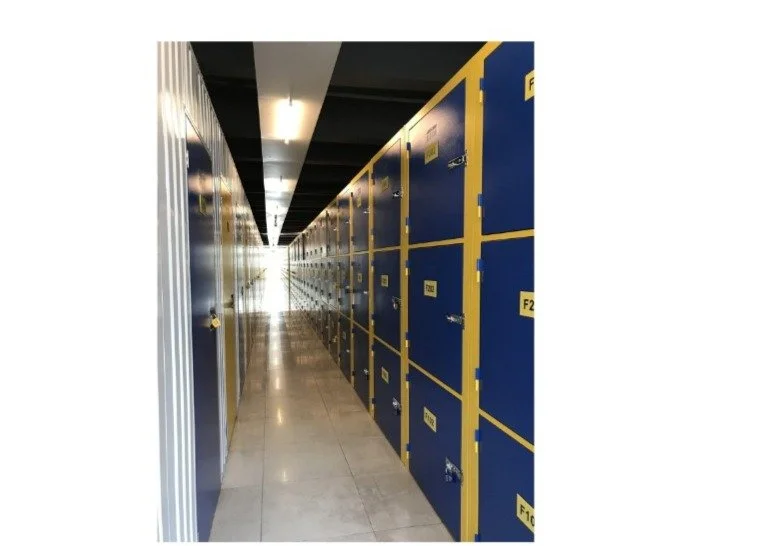
Finding room for bulky furniture items creates a massive bottleneck during a home transition. Renting drive-up storage units lets you drop off heavy couches and large appliances without navigating cramped hallways or steep stairs. Clear access paths mean you can load and unload items at your own pace.

Keeping valuable belongings in a secure location minimizes the risk of accidental damage during transit. Friends helping you move will appreciate having fewer large objects to maneuver through tight doorways on the final day. Your moving day schedule transforms from a frantic sprint into a series of predictable steps. Vehicles can be packed efficiently when you are not rushing against a ticking clock.

Strategic Packing Protocols For Smooth Transitions

Professional organizers recommend sorting possessions by room categories before loading anything into a vehicle. Securing a separate facility allows you to clear out non-essential gear weeks before the official moving truck arrives. Early preparation prevents the last-minute panic that causes people to pack garbage with valuables.

Drafting a master inventory spreadsheet protects against losing track of specific boxes. Having a systematic blueprint keeps everyone on the same page from start to finish. Color-coded labels add another layer of visual clarity for the moving crew.

Industry Insights For Relocation Planning

Recent market studies highlight how households adapt to new real estate conditions. Evaluating these data points helps families plan their moving schedules with greater precision:

  • 38 percent of individuals moving houses utilize external storage to manage transit timelines

  • Using off-site facilities during a home relocation cuts down packing stress for 45 percent of homeowners

  • Over 50 percent of residential moves involve a gap period between lease dates, where off-site storage is necessary

Tenants can now prepare for unexpected delays. Understanding broader industry patterns separates realistic goals from logistical wishful thinking. Strategic timing prevents expensive emergency extensions on truck rentals.

Decluttering Mechanics For Better Spatial Efficiency

Sorting through your items before packing reveals exactly how much unnecessary clutter has accumulated. Discarding or donating broken tools, old clothes, and duplicate kitchenware lightens your physical load. Moving less weight reduces your fuel costs and demands smaller vehicle rentals. Downsizing your inventory makes settling into the new property far more enjoyable.

Organizational systems work best when you follow proven frameworks. Clear labels on every box prevent hours of searching when you finally unpack. Digital photos of box contents can provide a quick reference on your phone.

Staging Real Estate For Market Success

When selling a home, present clean, open spaces to prospective buyers. Excess furniture and personal knick-knacks crowd rooms, making spaces feel much smaller than their actual dimensions. Removing these items places the focus entirely on the architectural features of the property. Clean surfaces reflect light better and make rooms appear brighter during daytime viewings.

Stored items stay completely out of sight while real estate agents host open house viewings. Professional stagers insist on clearing out at least half of the furniture to create an inviting atmosphere. Buyers can easily picture their own belongings in a clean, uncluttered environment. A property that looks ready for immediate move-in often commands higher market interest.

Finalizing Strategic Storage Planning

Long-term success depends on how well you pack the actual storage space. Placing heavy items at the bottom and stackable plastic tubs on top prevents crushing incidents. Leaving a narrow walkway down the center of the space allows easy access to items stored at the very back. Grouping similar boxes together saves you from digging through the entire unit later.

Protecting fragile items with bubble wrap and sturdy moving blankets prevents scratches during transport. Labeling the sides of boxes instead of the tops keeps text visible even when items are stacked high. A small amount of preparation saves hours of frustration. Keeping a flashlight near the front of the unit provides extra convenience.

Take control of your moving timeline and move away from traditional, high-stress methods. Off-site space options offer the flexibility needed to handle unpredictable closing dates and unexpected delays. Strategic planning turns a notoriously difficult life event into an organized, manageable project. Success lies in executing each step with patience and a clear structural plan.

/
script>

A Kitchen With No Dishwasher in 2026: Small Detail, Big Reaction From Traditional Buyers

Kitchen expectations have changed a lot in recent years. Buyers in 2026 often look for convenience features that match busy daily routines. A dishwasher has become a standard item in many homes, and missing it can shape buyer interest in surprising ways.

A kitchen without a dishwasher may still function well for cooking and cleaning. However, many traditional buyers connect this missing feature with extra effort, added time, and possible renovation costs. Even a small detail like this can influence property value, negotiation speed, and overall perception of home quality.

Buyer Reactions When Dishwasher Is Missing

Kitchen layouts without dishwashers often create immediate reactions during property visits. Many buyers imagine daily dishwashing tasks and start thinking about long-term effort. This reaction can happen even when the home conditions look clean and modern in other areas.

Buyer Concern Overview

Some buyers accept missing dishwasher setups when kitchen design offers strong counter space, storage, and sink access. Other buyers may see absence as a drawback that affects comfort level in daily living.

Listing Approach With Clear Communication

Clear communication plays an important role when presenting a home without a dishwasher. Listing description should highlight kitchen strengths and explain available space for future installation, if possible.

iBuyWI buyers can present a kitchen layout in a way that focuses on usability rather than missing features. Simple phrasing about cooking space, cabinet storage, and plumbing access can help buyers understand the full potential of the area. Transparency creates trust and reduces negative assumptions during showings.

Kitchen Functionality Without Built-In Dishwasher

A kitchen can still perform well without a built-in dishwasher when the design supports efficient workflow. Sink placement, counter layout, and storage access become more important in this situation.

Kitchen Feature Comparison

Some homeowners prefer extra cabinet space instead of a dishwasher unit. In compact kitchens, removing the dishwasher can create an additional storage area for cookware, pantry items, or small appliances.

Upgrade Options for Future Value

Homes without dishwashers still offer upgrade opportunities that attract buyers interested in customization. Installation can be planned during renovation or after purchase when plumbing access allows easy setup.

Common upgrade paths include:

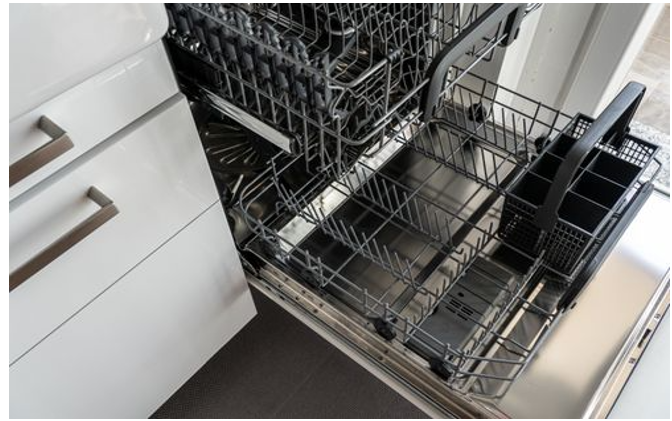
●     Compact dishwasher installation under the counter

●     Portable countertop dishwasher unit

●     Cabinet conversion into an appliance slot

●     Sink upgrade with an improved drainage system

Many buyers view upgrade potential as positive when the kitchen structure supports easy modification. Even when a dishwasher is missing at the listing stage, the possibility of future installation can balance buyer concerns.

Cost expectations vary based on kitchen layout and plumbing condition. Straightforward installation may require minimal adjustment, while older homes may need additional work for proper fitting.

Pricing Strategy and Market Position

Pricing plays a major role when a kitchen lacks a dishwasher. Buyers often calculate future upgrade expenses and adjust the offer range accordingly. Correct pricing can reduce hesitation and improve showing interest.

Price Impact Factors

Homes in competitive markets may still attract strong interest even without a dishwasher when the overall condition stays solid. Buyers often compare multiple properties and weigh convenience features against location and layout.

Practical Presentation Tips for Showings

Presentation style influences buyer perception during visits. Clean kitchen appearance, organized counters, and clear space planning can reduce focus on missing appliances.

Lighting plays an important role in showing the kitchen size and usability. Natural light or bright fixtures help highlight positive aspects of the layout. Empty sink and clean surfaces create an impression of care and maintenance.

Small staging improvements can shift attention toward storage capacity and cooking comfort. Even without a dishwasher, the kitchen can still feel functional and welcoming when presented with intention.

Everyday Living Experience Without a Dishwasher

Living in a home without a dishwasher requires simple routine adjustments. Dishwashing becomes a manual task, which can be manageable depending on household size and cooking habits.

Daily Routine Comparison

Smaller households often adapt easily to manual washing, while larger families may feel more impact due to frequent dish use. Lifestyle patterns strongly influence overall satisfaction with the kitchen setup.

Long-Term Buyer Perspective

Buyer decision-making in 2026 focuses on convenience, efficiency, and comfort. A missing dishwasher does not automatically reduce home value, yet it does influence emotional response during the viewing stage.

Some buyers see an opportunity to design a kitchen according to personal preference. Others prefer a move-in-ready setup with all appliances included. Market response depends on the balance between kitchen strengths and missing features.

Homes with strong structure, good location, and clean presentation can still perform well even with this limitation. Clear pricing and honest presentation remain key factors for successful sales.

Kitchen Setup Choice in the Modern Market

Kitchen design continues to evolve with changing lifestyle needs. Dishwasher presence has become a common expectation, yet not an absolute requirement for all buyers. Homes without this feature still hold value when overall space supports practical living.

Future buyers may view a missing dishwasher as a simple upgrade rather than a major issue. With proper presentation and realistic pricing, a property can still attract suitable interest and reach a successful sale outcome.

Frequently Asked Questions

How does a missing dishwasher affect home value?

A missing dishwasher can reduce perceived convenience, yet the impact varies based on kitchen layout, location, and overall home condition.

Can a home still attract buyers without a dishwasher?

Yes, many buyers consider layout, storage, and price more important when deciding on a purchase.

Is installing a dishwasher expensive for buyers?

Installation cost depends on plumbing access and kitchen design. Some setups allow simple installation while others require more work.

Who may consider buying a home without a dishwasher?

Buyers who focus on property potential rather than existing appliance setup are often open to homes without a dishwasher. These buyers usually look at layout, location, price, and upgrade possibilities instead of expecting every modern feature to already be installed.

/
script>

Backyard Features That Make Buyers Picture Themselves Living There

When someone walks through a home, the backyard is often the moment everything clicks. It’s where they stop scrolling through mental checklists and start imagining Sunday mornings with coffee, summer cookouts with friends, or quiet evenings watching the kids play. 

A well-set-up outdoor space does something the interior rarely can. It makes the house feel like a home. And for sellers, that emotional connection is worth a lot more than most people realize. So what actually moves the needle? What backyard features take a home from nice to we have to put in an offer? Here’s a breakdown of what buyers respond to most, and why.

A Patio or Deck That Feels Like a Room

Covered or defined outdoor spaces consistently rank among the top backyard features buyers look for. When there’s a patio or deck that has a clear purpose, somewhere to put furniture, gather people, and actually use, buyers can immediately picture themselves in it. It removes the guesswork.

Concrete patios, wooden decks, pavers, or stamped stone all do the trick. What matters more than the material is how it’s been laid out. A space with room for a table, a few chairs, and maybe a grill station signals that outdoor living is actually possible here. A clean pergola or shade structure above it takes things up another level.

Buyers who see a well-defined patio don’t just see concrete. They see their next dinner party. That’s the kind of vision that drives decisions.

Low-Maintenance Landscaping With Real Curb Pull

Nobody wants to inherit a yard that’s going to demand every weekend. Buyers love greenery and flowers, but they love it more when it looks like it won’t become a second job. 

Lush landscaping without being high-maintenance is a serious selling point.

Drought-tolerant plants, native grasses, tidy mulched beds, and defined lawn edges all give a yard that polished look without screaming constant upkeep. It’s the kind of thing Las Vegas buyers especially appreciate, and it’s something Plot Property Group sees come up again and again when working with buyers in the area.

Even a modest yard looks inviting when the landscaping has been thoughtfully done. Trim edges, healthy plants, and clean lines go a long way toward making a buyer feel like the home has been cared for.

Outdoor Lighting Done Right

Most backyard showings happen during the day, so sellers often overlook lighting. That’s a mistake. Photos at dusk circulate online, and buyers absolutely notice when a backyard has been lit with intention.

String lights over a patio, path lights along a walkway, uplighting on trees or garden features. These details make a yard feel warm and livable long after the sun goes down. It tells buyers this is a space that gets used, not just looked at.

Privacy That Doesn’t Feel Like a Fortress

Privacy is one of those things buyers don’t always name on their wish list, but feel immediately when it’s missing. A yard that’s completely exposed to neighbors or a busy street makes it hard to relax. A yard that feels tucked away, even a little, feels like a retreat.

Fencing is the most common solution, and a clean, well-maintained fence makes a strong impression. Wood, vinyl, or metal all work. What matters is that it’s in good shape. Tall hedges, bamboo screens, or a row of privacy trees along a fence line add a softer, more natural touch that buyers tend to love. When buyers feel like they can actually relax in the backyard without being on display, it changes how they feel about the whole property.

While traditional wood fences require regular staining, modern metal options are becoming more popular for their durability. Aluminum panels are especially useful because they will not rust or warp over time. A system like PrimeAlux has solid panels that block the view completely. Cold winters and hot summer sun leave the finish intact, with no paint needed. This keeps the yard looking neat and saves the next owner from constant maintenance tasks.

A Functional Outdoor Kitchen or Grill Zone

Outdoor kitchens are no longer a luxury feature only found in high-end listings. Even a modest built-in grill with counter space and a side burner gets buyers excited. It takes the outdoor dining idea from concept to reality.

A full outdoor kitchen with a sink, mini fridge, and prep area is even better, and often provides a solid return on investment in warmer markets. Buyers who love to entertain latch onto this feature immediately. It’s one of the first things they photograph when touring.

At a minimum, a dedicated grill area with a simple stone or tile surround communicates that the outdoor space has been designed, not just left as a blank yard.

Grass That Looks Like Grass

A patchy, yellow, weed-covered lawn is one of the fastest ways to deflate a buyer’s excitement. A well-maintained lawn or a quality artificial grass installation in drier climates signals that the home has been cared for from the ground up. Buyers with kids or dogs pay close attention here. They want somewhere their family can actually use. A green, clean, safe lawn does a lot of the emotional selling work on its own.

Your Backyard Is Part of Your Pitch

Sellers sometimes treat the backyard as an afterthought, something to tidy up once the interior looks good. That’s leaving money on the table. For a growing number of buyers, the backyard is the deciding factor. It’s where they test whether a house could actually become a home.

You don’t need a full renovation to make an impact. Sometimes all it takes is a pressure wash, fresh mulch, a few potted plants, and some string lights. Small investments in the right areas tell a powerful story about how good life could be here.

When buyers walk into a backyard that feels ready for real life, not just staged for photos. They stop calculating and start imagining. And that’s exactly the moment a house becomes the one.

FAQ

Q1: What backyard features should I focus on to attract buyers?

Answer: Buyers are usually drawn to well-defined outdoor spaces like patios or decks, low-maintenance landscaping, functional outdoor kitchens, and privacy features. Highlighting these elements can help potential buyers picture themselves living in the space.

Q2: How important is outdoor lighting when selling my home?

Answer: Outdoor lighting is crucial!While most showings occur during the day, good lighting can make your backyard feel warm and inviting in photos, especially at dusk. Consider adding string lights, path lights, or uplighting to enhance the ambiance.

Q3: What type of landscaping do buyers prefer?

Answer: Buyers typically favor low-maintenance landscaping that looks good without requiring a lot of upkeep. Think drought-tolerant plants, tidy mulched beds, and defined lawn edges. This gives the yard a polished look and makes it feel cared for.

Q4: How can I make my backyard feel more private?

Answer: To enhance privacy, consider installing a clean, well-maintained fence or adding tall hedges, bamboo screens, or privacy trees. These elements help create a retreat-like atmosphere and make buyers feel more relaxed in the backyard space.

/
script>