Enjoy Online Slots with Exciting Promotions and Free Credits

Playing online slots is not only about luck — it also requires the right strategies to improve your chances of winning big jackpots. Start by choosing games with high payout rates, as these usually offer larger jackpots and better bonus features. Checking the game’s paytable helps you understand the symbols and special features that can lead to major wins.

Another important strategy is proper bankroll management. Set a fixed budget and never exceed it. Playing within your limits reduces the risk of heavy losses and allows you to enjoy the game longer. You should also use demo modes to learn how games work before wagering real money. It is especially useful when exploring games like “สล็อตออนไลน์” before committing real funds. 

Setting the right betting level is equally important. Start with smaller bets and gradually increase them after wins to avoid losing your bankroll too quickly. In addition, playing during quieter periods or promotional events on gaming websites may increase your chances of receiving bonuses and rewards.

How to Choose Slot Games with Higher Winning Potential

Checking the RTP (Return to Player) is one of the most important factors when selecting online slot games. RTP indicates the percentage of total wagers that a game pays back to players over time. Generally, slots with an RTP higher than 95% are considered better choices for improving winning potential.

Volatility is another key factor. High-volatility slots offer larger rewards but less frequent wins, while low-volatility slots provide smaller but more frequent payouts. Choosing a game that matches your playing style will help you manage your bankroll more effectively.

Look for special features such as free spins or jackpot bonuses, as these can significantly boost your winnings in a short time. Selecting games with these features can provide a more entertaining and potentially profitable experience.

Finally, reading reviews from other players can provide useful insights into the slots you are interested in. Experienced players often share valuable tips and strategies that may help you choose the best games and increase your chances of winning rewards.

Budget Management Strategies for Online Slots

Setting a gambling budget before you begin playing is essential. Decide how much money you can afford to lose without affecting your necessary daily expenses such as bills or food. Knowing your financial limits helps you play responsibly and avoid stress caused by losses.

Dividing Your Budget

Split your total bankroll into smaller portions and assign a spending limit for each session. Setting a specific time or number of spins per session can prevent overspending. Some players use a “25-50-25” strategy by wagering 25% of their budget initially and increasing to 50% if they win early rounds.

Taking Advantage of Bonuses and Promotions

Use available offers such as deposit bonuses or free spins to extend your playing time. Extra bonus funds allow you to play longer without spending too much of your own money.

  • Carefully read the terms and conditions of bonuses.

  • Choose games with features that increase winning opportunities.

Avoid playing greedily. If you achieve your profit target, stop and enjoy your winnings. Remember that the primary goal is entertainment and enjoyment. Keeping records of your wins and losses can also help improve future planning.

After several sessions using the same spending pattern, adjust your budget according to the results. Creating a tracking table for your gambling expenses can provide a clearer overview of your financial habits.

Playing online slots should always be based on responsibility. Make sure you still have enough money left for everyday living expenses. Maintaining this balance helps you avoid future financial problems.

Techniques for Maximizing Bonuses and Promotions

Choose bonuses with reasonable terms and conditions. Players should look for offers with low wagering requirements so withdrawals are more achievable. Some bonuses may appear attractive but require extremely high wagering before cashouts become possible.

Explore Different Promotions

Players should regularly compare promotions across different websites to avoid missing the best offers. Some platforms provide special promotions during holidays or limited-time events, so staying updated can maximize your benefits.

Use welcome bonuses wisely by matching them with your starting bankroll. These bonuses often increase your playing opportunities. Combining them with games that suit your strengths can improve your chances of winning.

Understanding Cashback Offers

Cashback promotions help reduce risk. If you lose while playing, part of your losses may be returned, allowing you to continue playing with additional funds. Understanding the exact cashback conditions makes these promotions more valuable.

Play with discipline by setting clear bonus usage goals and session budgets. For example, if you use a $100 bonus, create a strategy to minimize unnecessary risks.
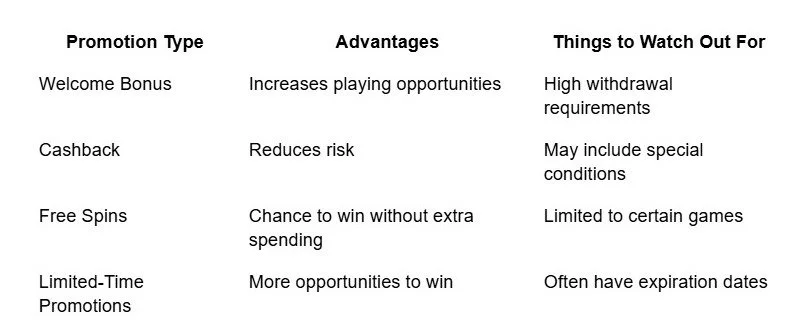
Using bonuses to test new games can also provide fresh experiences and access to high-value promotional offers that may lead to larger rewards.

Analyzing Results and Adjusting Your Strategy

Tracking your results is the first step in evaluating your gaming strategy. Use spreadsheets or apps to record your wagers, wins, and the types of games you play. This provides a clearer picture of trends and potential returns.

Analyze Winning Patterns

Look for relationships between specific game types and your outcomes. You may discover that certain games consistently perform better for you. Use this information to refine your strategy. For example, if high-jackpot games do not provide good returns, you may prefer slots with higher payout frequencies instead.

Bankroll control is equally important. Never invest more than you can afford. Set a clear budget for each session and stick to it. Playing within defined limits helps reduce financial risks.

Experiment with Different Approaches

Trying games in free-play mode before using real money is an excellent way to learn without financial risk. Once you understand the mechanics and identify patterns, you can transition to real-money play more confidently.

Use insights from previous sessions to improve your strategies. You may decide to focus on lower-risk games that generate smaller but more consistent profits rather than chasing massive jackpots.

It is also useful to analyze your performance during different times of day. Playing during quieter periods may sometimes provide better opportunities compared to peak player hours.

FAQ: Online Slots

How can I win big prizes in online slots?

Start by choosing games with high RTP rates, set a clear budget, and understand the game’s bonus features such as free spins or jackpots. Proper bankroll management and game knowledge can improve your winning chances.

What techniques can improve winning chances in online slots?

Choose slots with flexible betting options, use demo modes before wagering real money, understand game features, and consider playing during low-traffic periods for potentially better opportunities.

How does online slot gaming affect personal finances?

Online slots can have positive or negative financial effects depending on budgeting and self-control. Responsible gambling and proper planning can help reduce risks and avoid financial problems.

Why are online slots so popular today?

Online slots are popular because they are easily accessible through mobile devices and computers, offer attractive graphics, entertaining gameplay, and rewarding promotions.

How can I choose a trustworthy online slot website?

Check whether the website has a valid gaming license, positive player reviews, secure payment systems, responsive customer support, and fair promotions.

How should I choose slot games to improve my winning chances?

Focus on games with RTP rates above 95% and select volatility levels that match your playing preferences. Low-volatility games offer frequent wins, while high-volatility games provide larger but less frequent payouts.


How to Diagnose Cultural Issues Before They Impact Performance

Most culture problems don’t announce themselves as “culture problems.” They show up as missed deadlines, slow decisions, brittle collaboration, and a creeping sense that “everything is harder than it should be.” By the time performance metrics dip, the underlying patterns have often been in place for months—sometimes years.

The good news: culture is observable. You can diagnose it early if you know where to look and how to separate symptoms from root causes. Think of this as preventative maintenance for how work actually gets done.

Start with the earliest signals, not the loudest outcomes

When leaders say, “We need to fix performance,” what they often mean is, “We need people to care more” or “We need accountability.” Sometimes that’s true. More often, performance issues are downstream of friction in the system: unclear priorities, uneven decision rights, inconsistent management habits, or norms that reward busyness over progress.

Watch for “effort inflation”

One reliable early warning sign is effort inflation—when teams expend more energy to achieve the same result. You’ll hear it in phrases like:

  • “Let’s just jump on a call.”

  • “I’ll chase that again.”

  • “It keeps getting stuck in review.”

  • “We’re waiting on sign-off.”

If you notice that simple work requires extra meetings, escalations, or workarounds, you’re not looking at an individual performance issue. You’re looking at a cultural and operational interface problem: how decisions move, how trust is built, and what people believe is “safe” to do without permission.

Notice what gets repeated

Culture is, in part, repetition. If the same complaint keeps resurfacing—“no one owns this,” “we don’t get feedback,” “we’re always in firefighting mode”—treat it as data, not noise. Repeated themes indicate stable norms. And stable norms, left unchecked, become performance ceilings.

Build a practical diagnostic approach (before you “fix” anything)

Diagnosing culture is not about running one survey and declaring a verdict. It’s triangulation: combining multiple small signals until a clear picture emerges.

Map the moments that matter

Start by identifying the handful of moments where culture is most visible:

  • Hiring and onboarding (what “good” looks like in practice)

  • Meetings (who speaks, how conflict is handled, whether decisions stick)

  • Feedback (frequency, quality, and whether it changes behaviour)

  • Prioritisation (how trade-offs are made under pressure)

  • Recognition (what gets praised—and what gets ignored)

Pick two or three moments and observe them closely for two weeks. You’re looking for patterns, not anecdotes. For example: do meetings end with clear owners and deadlines, or with vague alignment? Do people challenge ideas, or just add more work to avoid disagreement?

Use interviews to surface the “real rules”

One of the fastest ways to diagnose cultural issues is through short, structured listening interviews across levels and functions. Keep them consistent so you can compare themes. Ask questions like:

  • “What behaviours get rewarded here—even unintentionally?”

  • “Where does work get stuck?”

  • “What do people avoid saying out loud?”

  • “What would you change if you had a magic wand?”

Then listen for contradictions. If senior leaders describe empowerment, but managers describe constant second-guessing, you’ve found a gap between stated and lived culture.

Around this stage, some organisations choose to bring in an outside perspective to reduce bias and accelerate clarity—especially when the issues are sensitive or politically tangled. If that’s relevant, resources like expert guidance for developing a stronger company culture can help frame what you’re seeing and translate insights into a practical plan, without defaulting to generic “values workshops.”

Diagnose the underlying pattern: capability, clarity, or climate?

Once you have signals, avoid the temptation to label everything “trust” or “engagement.” Most cultural problems fall into three buckets, and each demands a different response.

Capability: do people know how “good” looks?

Sometimes the culture feels messy because expectations are unclear or managers lack core skills: setting direction, coaching, handling conflict, running effective one-to-ones. In those cases, the fix is not a morale campaign—it’s management fundamentals.

Look for signs like inconsistent standards between teams, feedback that’s either absent or overly critical, and promotions that reward technical excellence while ignoring people leadership.

Clarity: is the system creating confusion?

Clarity issues often masquerade as motivation problems. If priorities change weekly, decision rights are muddy, or accountability is shared by everyone and owned by no one, you’ll see:

  • Slow approvals and repeated rework

  • People asking permission for routine decisions

  • Frequent escalation to “just get it moving”

The cultural impact is real: people stop taking initiative because initiative gets punished with churn.

Climate: what does it feel like to work here?

Climate is the day-to-day emotional weather—psychological safety, fairness, inclusion, and whether it’s safe to speak up. A team can be talented and have clear goals, yet still underperform if the climate discourages candour or rewards blame.

Pay attention to how failure is discussed. Is it treated as a learning event (“What did we miss?”) or a character flaw (“Who messed up?”)? That single norm shapes speed, innovation, and retention.

Use “behavioural metrics” alongside business metrics

Most organisations track lagging indicators: revenue, delivery, attrition. Helpful, but late. Add a few behavioural metrics that tell you what’s happening earlier. For example:

  • Decision cycle time: How long from proposal to decision to action?

  • Rework rate: How often is work sent back due to unclear requirements or shifting standards?

  • Meeting load vs. output: Are meetings increasing without a corresponding gain in delivery?

  • Internal mobility and regret attrition: Who is leaving, from where, and what you’re losing with them?

None of these require perfection. You’re looking for directional movement and hotspots.

Pressure-test your findings with one well-chosen experiment

Before launching a sweeping “culture programme,” run a small experiment that targets the pattern you’ve identified. This prevents overcorrection and builds credibility.

Examples of low-risk, high-signal experiments

If decisions are slow: introduce a simple decision framework (e.g., RAPID or DACI) for one cross-functional project and measure cycle time.

If feedback is weak: ask managers to run two structured one-to-ones per month with a consistent agenda, then gather anonymous feedback on usefulness after six weeks.

If meetings are unproductive: pilot “decision minutes” (a one-page record of decisions, owners, deadlines) and track whether actions actually happen.

Experiments do two things: they validate your diagnosis and they show people you’re serious about changing the system, not just the slogans.

The key: treat culture as a system, not a vibe

Culture is shaped by what leaders tolerate, what processes reinforce, and what people learn is safe. Diagnosing issues early means getting curious about the mechanics: where work slows down, where truth gets filtered, where incentives quietly misalign.

If you make observation a habit—watching meetings, tracking friction, listening for repeated themes—you’ll catch cultural drift long before it becomes a performance problem. And when you do act, you’ll act precisely, not performatively. That’s how culture becomes a competitive advantage: not through posters on the wall, but through fewer obstacles, clearer decisions, and teams that can do their best work without fighting the system.

The Enduring Appeal of Personalized Stationery in the Digital Age

Key Takeaways

  • Personalized stationery brings a meaningful, memorable element to both personal and business correspondence.

  • Handwritten notes can strengthen bonds and make communications stand out in a crowded digital world.

  • Customized stationery supports brand identity, reinforcing professionalism and attention to detail for businesses.

As more people seek authentic ways to connect, the charm of handwritten correspondence is making a notable return. In this environment, custom stationary stands out for its ability to add meaning and warmth to personal and professional messages. Beyond the allure of ink on paper, personalized stationery signals intention and individuality, transforming everyday communication into memorable experiences.

Whether you are sending a thank-you note or updating a client, custom stationery adds a human touch that digital alternatives cannot replicate. A thoughtfully written letter can brighten someone's day, reflecting care and respect. In an era characterized by screen fatigue, the intimacy of personalized stationery can foster deeper, lasting connections.

Today’s enthusiasts are rediscovering the art of writing letters as a mindful practice that breaks through the noise of nonstop notifications. Personal notes, delivered without the distraction of screens, create space for genuine expression and reflection. People value the effort and presence that come through in every curve of a handwritten word.

This renewed interest is not only about nostalgia but also about making everyday moments special. Handwritten communication elevates both casual and significant exchanges, creating lasting memories in the process.

Enhancing Personal Connections

With most interactions filtered through screens, many people crave the warmth and authenticity that comes from something crafted by hand. A handwritten note on personalized stationery stands apart because it requires time and care. According to experts, screen fatigue is driving individuals to seek out more meaningful forms of communication. Receiving a personal note can convey presence, mindfulness, and appreciation in ways digital messages seldom accomplish. This is particularly important during times when personal connections feel more precious and rare.

Expressing Individuality

Custom stationery offers nearly endless opportunities for personal expression. From vibrant graphics to delicate monograms, the style of your letterhead or note card speaks volumes about your personality and values. Carefully chosen designs can make every message a reflection of your tastes. This customization provides a unique opportunity to control how recipients perceive your correspondence. Thoughtful design choices, such as paper quality, ink color, and overall layout, leave a positive, lasting impression that cannot be replicated with off-the-shelf cards or generic email templates.

Professional Branding

For businesses, personalized stationery is a subtle yet impactful extension of a brand’s professional identity. Sending a letter or note on custom letterhead conveys organization, attention to detail, and commitment to quality. Business cards, notepads, and thank-you notes, when designed with consistent branding, strengthen relationships and trust with clients and partners.

Memorable Impressions

Amidst the deluge of digital notifications, a handwritten letter creates a striking, memorable experience. Personalized stationery adds thoughtfulness and sincerity, characteristics that often foster goodwill and loyalty. Whether used for personal thank-you notes or business communications, these gestures help cultivate stronger ties and distinguish the sender. Individuals and businesses using custom stationery demonstrate an extra level of consideration that surpasses the fleeting impact of an email or text.

Encouraging Handwritten Correspondence

Making the shift back to pen and paper can be refreshing and restorative. For individuals, personalized stationery supports more intentional, focused communication. By sitting down to write, people slow down and communicate mindfully, fostering authentic relationships. For businesses, adopting handwritten notes in their communications can set them apart from competitors and leave a professional yet human impression. The tangible nature of stationery makes your note less likely to be forgotten or discarded than a routine digital message.

Creativity and the Joy of Writing

Embracing custom stationery often inspires creativity, allowing individuals to experiment with colors, illustrations, or unique fonts that resonate with their imagination. People are increasingly using stationery to reflect seasonal designs or special occasions, such as weddings, anniversaries, or holidays, making every message uniquely tailored to its purpose. This mindfulness in design and presentation is as much about the sender’s enjoyment as it is about delighting the recipient. For many, the simple act of choosing a beautiful paper stock or wax seal enhances the entire correspondence ritual and adds a layer of anticipation and excitement for both the writer and receiver.

Stationery in the Digital Age

While digital tools are vital for quick communication, adding handwritten touches via personalized stationery offers a meaningful balance. Some blend both by including QR codes or website links, enabling digital access to multimedia or info. Businesses that add handwritten notes in packaging or follow-ups often see increased customer satisfaction and loyalty, as tangible appreciation can convert buyers into repeat clients. Schools also value handwritten correspondence; teachers encouraging thank-you notes or pen pals help students build literacy and emotional skills. These habits promote gratitude, discipline, and patience, providing students with lasting life skills rooted in personal connection.

Conclusion

Personalized stationery redefines communication by infusing it with thoughtful design, individuality, and enduring value. In a digital-first world, the effort and care that go into a handwritten note offer rare sincerity and connection. Whether aiming to solidify personal bonds or professional relationships, embracing this classic practice can make your messages more memorable and meaningful—an advantage in any aspect of life or business. Custom stationery serves as both an art form and a bridge between people, reinforcing how even the simplest messages, when made personal, can leave a lasting mark in an increasingly digital world.

Three Signs You’re Overdue For A Luxury Vacation

None of us are immune to stress – particularly not when the price of gas is high as it currently is. Running a household in this economy is hard enough, let alone doing so while managing the high stress levels that come from ever more demanding jobs, the necessity to take multiple jobs and the threat of losing your job at any moment.

Whichever way we look, it’s hard to catch a break. But that’s exactly what this piece, right here, is about. Catching a break. And not just any break either. How about a proper luxury getaway? Your bank balance might already be rolling its eyes - but hold on a sec; a luxury vacation isn’t just a luxury anymore. It could well be the only thing between you and throwing in the towel. Let’s look at three key signs you need to be prescribed a high-flying getaway.

You’re Constantly Exhausted, Even After Time Off

The first major clue that you’re in desperate need of a real break is that of your energy levels. Everyone gets the Sunday scaries every now and then – but do you even have the energy for that right now? Or is it that your weekends are a blur of late sleeping, dragging yourself to the gym and struggling to motivate yourself to cook even a Kraft mac and cheese?

Ongoing fatigue, brain fog and general lack of motivation are all worrying symptoms in and of themselves. Crucially, though, they are key indicators that regular weekends or short breaks are no longer enough for your current workload or responsibilities. Modern work culture in the US is toxic, to the point that it normalizes burnout for workers across industries. Don’t normalize it on their behalf; break away and take a luxury escape! At this point, it’s a lifeline – an opportunity for deep recovery rather than indulgence.

Your Vacations Feel More Stressful Than Your Job

Another key indicator that you deserve the royal treatment is that your current vacation plans cause more stress than they solve. This is a common one, too; nearly three quarters of all Americans experience some form of travel-related stress. Compound this with organizing your workload around your absence, arranging house- or pet-sitters and taking responsibility for multiple travelers, and you have a perfect storm of stress above and beyond what your vacation was set to cure.

You’ve Stopped Feeling Excited About Travel Altogether

Unsurprisingly, if you experience the above then it’s also likely that conventional vacations just don’t ‘do it’ for you anymore. The thrill of a private jet rental would be enough to shake the cobwebs from that particular feeling – as would a more general commitment to a kind of vacation experience beyond the norm. Emotional burnout is just as important to manage as work-related burnout; luxury travel is a vital way to reignite excitement and novelty.