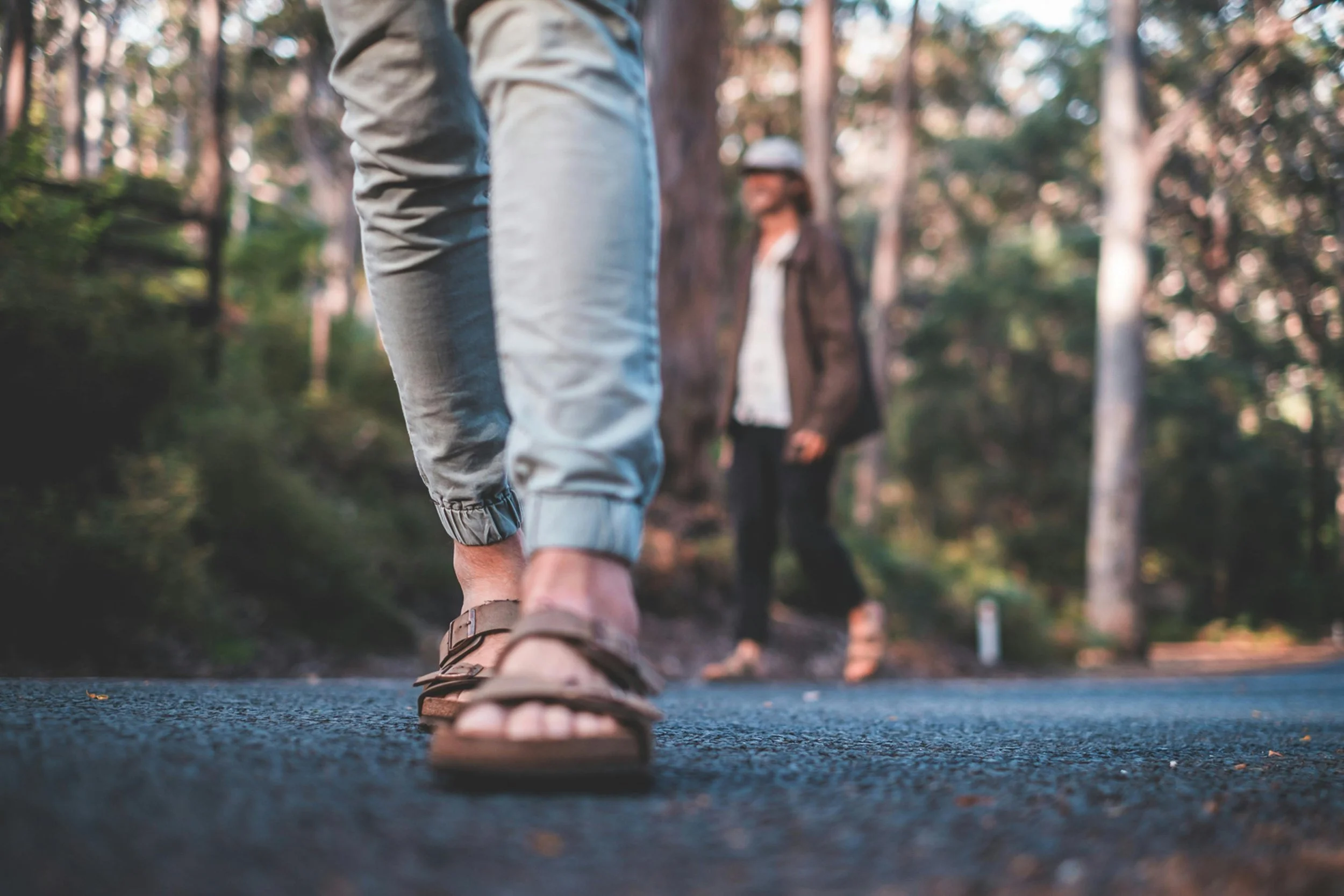
What Makes Minimalist Footwear Different From Traditional Sandals?
Sandals seem simple. Two straps, a flat base, done. People have been wearing some version of them for thousands of years. So when someone says "minimalist sandals," the natural reaction is confusion. Aren't all sandals already minimal? What's left to strip away?
Turns out, quite a lot. Traditional sandals and minimalist footwear might look like cousins at first glance, but the design philosophy behind each one pulls in completely different directions. One prioritizes appearance and convention. The other prioritizes how the foot was built to move. That gap matters more than most people realize, especially for anyone wearing sandals daily or logging serious mileage on their feet.
How Traditional Sandals Actually Work Against Your Feet
Most traditional sandals commit the same sins as dress shoes, just with more ventilation. Narrow toe beds that squeeze toes together. Elevated heels that tilt the body forward, even if only by a centimeter or two. Rigid footbeds that prevent the arch from flexing naturally. Stiff straps that force the toes to grip and claw with every step just to keep the shoe on.
Ever watched someone shuffle awkwardly in flip-flops? That toe-gripping motion isn't natural walking. The foot shortens its stride and the toes curl downward to prevent the sandal from flying off. Over hours and days, that repetitive gripping creates tension in the plantar fascia, tightens the calves, and throws off gait patterns. A sandal that forces the foot to work harder just to stay attached isn't relaxed footwear. It's a subtle obstacle.
The Core Principles Behind Minimalist Design
Minimalist footwear starts from a radically different question. Instead of asking "what shape looks good on a shelf," designers ask "what does the foot actually need to function well?" The answers are surprisingly few.
A wide toe box sits at the top of the list. Human toes are meant to fan out with each step, creating a broad, stable base. Traditional sandals rarely allow this. Minimalist versions build the entire front of the shoe around splayed toes rather than pinched ones.
Zero drop comes next. That means the heel and the ball of the foot sit at exactly the same height. No wedge. No platform. No ramp tilting weight onto the forefoot. When the foot rests level, the spine stacks naturally above it without any muscular compensation.
Then there's sole thickness. Minimalist soles stay thin enough for the foot to feel the ground surface beneath them. Texture, slope, temperature. That sensory feedback, called proprioception, helps the brain calibrate balance and gait in real time. Thick rubber blocks that signal out.
Why the Differences Actually Matter Day to Day
This isn't just theory for foot nerds. The practical gap between traditional and minimalist sandals shows up in tangible ways during a normal day.
Walking on uneven surfaces feels completely different. A thick, rigid sole masks terrain changes, so the ankle gets no warning before hitting an unexpected slope or dip. A thin, flexible sole lets the foot read the ground and adjust instantly. Rolled ankles happen less often when the foot knows what's beneath it.
Fatigue patterns shift too. Traditional sandals that elevate the heel put extra strain on the forefoot and lower back. Standing in them for hours creates a slow burn of tension that most people attribute to "being on their feet all day" rather than blaming the shoes. Level, flexible soles distribute weight more evenly and let the whole foot share the load instead of dumping it onto one spot.
Where Cork Soles Fit Into the Picture
Not every minimalist sandal uses the same materials. Some go ultra-thin with rubber or leather. Others land in a practical middle ground with cork.
Cork brings a few things to the table that synthetic materials can't match. It molds gradually to the shape of the wearer's foot without forcing the foot into a preset contour. Unlike memory foam that compresses flat within weeks, cork holds its adapted shape for months. It also absorbs shock naturally without adding excessive thickness, sitting in that sweet spot between ground feel and comfort.
For anyone curious about what that balance feels like in practice, you can shop our full collection of cork-soled barefoot sandals to see how different styles handle the combination of minimal structure and natural materials. Cork also breathes well and resists odor, which matters for sandals that spend all summer on bare skin.
Breaking Down the "But They Look Weird" Pushback
Fair objection. Early minimalist footwear earned its reputation for looking strange. Those individual-toe shoes from the 2010s scared off a lot of people who might have otherwise given the concept a shot. The aesthetic barrier was real.
That era is over. Modern minimalist sandals look like normal sandals. Leather uppers, clean lines, neutral colors. The engineering hides inside the sole and the toe box shape. Someone walking down the street in a well-designed minimalist sandal wouldn't draw a second glance. The difference only becomes obvious when comparing them side by side with a traditional pair and noticing how much roomier the front sits.
Style caught up with function. That's the short version. Nobody has to sacrifice looking put-together for the sake of foot health anymore.
Getting Your Feet Ready for the Switch
Jumping from structured, arch-supported sandals to flat, flexible ones demands a transition period. The muscles across the bottom of the foot and through the toes have likely been dormant for years. Waking them up takes patience.
Wearing minimalist sandals for an hour or two per day during the first couple of weeks gives those muscles time to activate without overwhelming them. Short walks on varied terrain help accelerate the adaptation. Grass, gravel, packed dirt. Each surface challenges the foot differently and builds strength in slightly different areas.
Calf tightness during the first week or two is normal. The Achilles tendon adjusts to the loss of heel elevation and needs a few weeks to lengthen comfortably. Gentle calf stretches each evening smooth out that process. Rushing it leads to frustration. Taking it slow leads to feet that feel stronger and more capable than they have in years.
Frequently Asked Questions
Can minimalist sandals be worn all day?
Yes, once the transition period is complete. Most people reach full-day comfort within four to six weeks of gradual use. The key is building up slowly so foot muscles strengthen without getting overworked during the early adjustment phase.
Do minimalist sandals work for people with flat feet?
They can actually help. Flat feet often result from weak arch muscles that never get challenged by traditional supportive footwear. Minimalist sandals encourage those muscles to engage and strengthen over time. Anyone with a diagnosed structural condition should consult a podiatrist first, though.
What's the biggest adjustment when switching from traditional sandals?
Calf tightness and a feeling of being "closer to the ground." Both sensations fade within two to three weeks for most people. The brain also needs time to recalibrate balance since it's receiving much more sensory feedback from the ground than before.
Are minimalist sandals appropriate for hiking?
Light trail hiking, absolutely. Many minimalist sandal designs offer enough traction and protection for moderate terrain. Technical alpine hiking with heavy loads and sharp rock still calls for dedicated hiking footwear, but casual trails and nature walks are well within range.
How long do cork-soled sandals typically last?
With regular warm-weather wear, expect 12 to 18 months before the cork footbed needs attention. Cork wears more gracefully than foam, molding further to the foot rather than collapsing flat. Resoling options from some brands extend the lifespan even further.