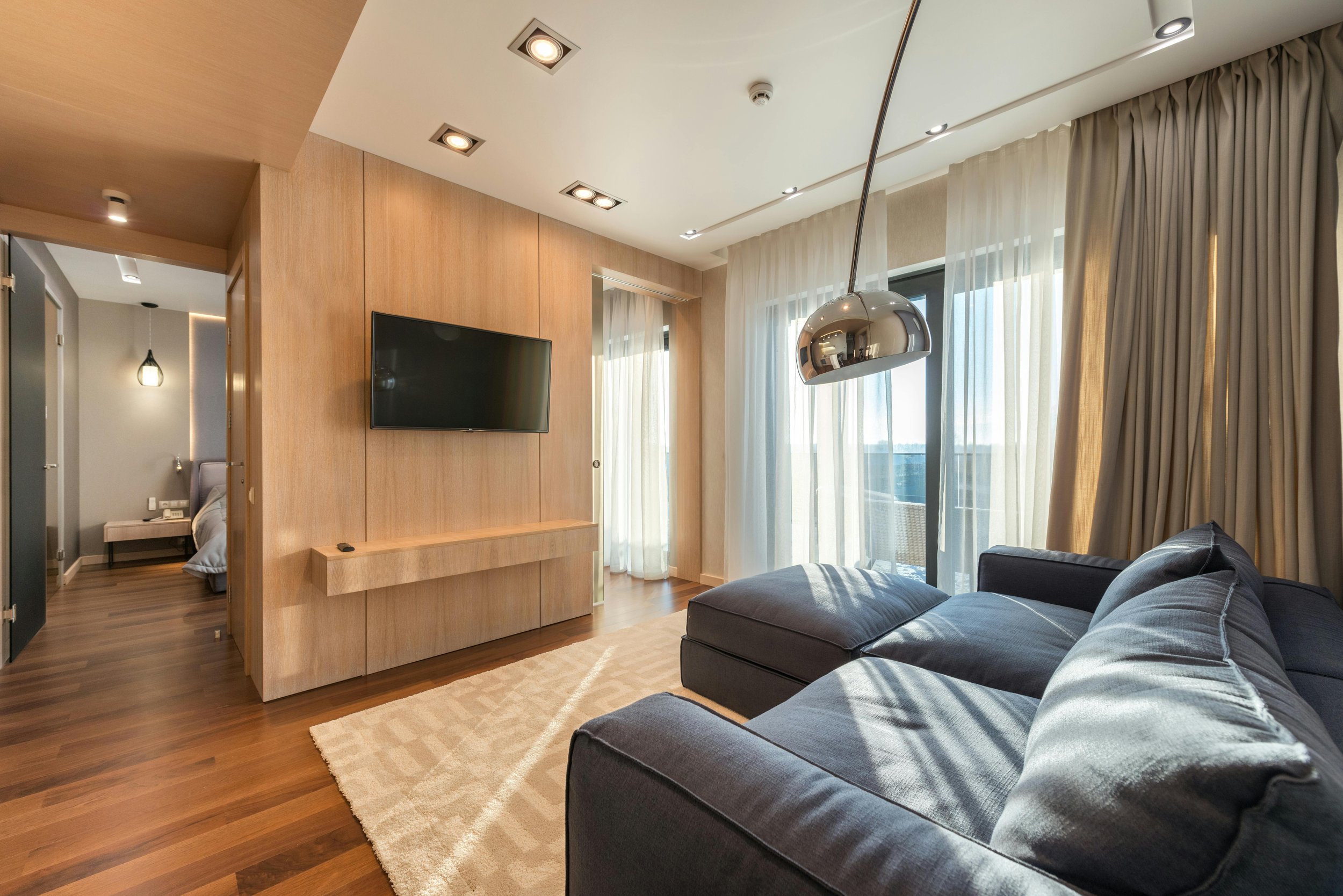
A “cabin shed” sits in that sweet spot between a basic backyard outbuilding and a full-scale addition. It can be a place to work, host guests, store gear in style, or simply carve out breathing room from a busy household—often with a faster timeline and lower overall cost than traditional construction.
But cabin sheds aren’t one-size-fits-all. The right choice depends on how you’ll use the space, the features that actually improve day-to-day comfort, and the realities of zoning, site prep, and long-term maintenance.
This guide walks through the essentials: what a cabin shed is (and isn’t), how to think about layouts, what upgrades matter most, and what questions to ask before you buy.
What Is a Cabin Shed (and How It Differs From a Standard Shed)?
A cabin shed is typically a shed-style structure designed with more “livable” intent than a pure storage shed. That doesn’t automatically mean it’s a legal dwelling unit—many are not—but it usually does mean:
More intentional windows and natural light
More residential-style doors and trim options
A layout that supports furniture, not just shelving
Upgrade paths for insulation, electric, and interior finishes
A look that feels like a small cottage or micro-cabin
A standard storage shed might be optimized for cubic storage and easy access (double doors, ramp-ready entry). A cabin-style shed prioritizes comfort and usability—often trading some storage efficiency for better light, aesthetics, and a more versatile interior.
Best Use Cases: How People Actually Use Cabin Sheds
Before you choose a model, decide which use case you’re building around. Cabin sheds shine when they have a clear purpose.
Backyard office or studio
If you’re remote, hybrid, or running a small side business, a backyard workspace can create separation between “home” and “work,” which is often the biggest productivity gain.
What matters most here:
Climate control plan (insulation + heating/cooling)
Lighting (daylight + task lighting)
Quiet/comfort (flooring, sealing, ventilation)
Guest space (non-permanent)
Some homeowners use cabin sheds as a guest hangout or overflow space—especially in warmer months. Whether it can be used overnight legally depends on local rules, but many still build it as a comfortable flex room.
What matters most:
Privacy (window placement, blinds)
Ventilation and temperature stability
Electrical planning for charging, lighting, and small appliances
Organized gear storage with a “nice” interior
If you’re storing high-value items (bikes, boards, camping gear) you may want a shed that feels secure and pleasant to be in—not a dark box you avoid.
What matters most:
Secure door and lock hardware
Moisture control (ventilation, drainage)
Wall systems for organization
Layout Planning: Think Like You’re Designing a Tiny Room
A cabin shed functions best when you design it like a room, not a warehouse. Start with these planning steps.
Step 1: Identify the “primary wall”
Pick a primary wall where the main function lives:
Then make sure that wall has:
The right outlet placement (or easy upgrade path)
Minimal window conflict (unless you want the window there)
Enough uninterrupted span for furniture
Step 2: Create a circulation path
Even small spaces feel bigger when you can move through them without obstacles. A simple rule: plan for a comfortable walkway from the door to the main area.
That means:
Step 3: Decide on “storage strategy”
Cabin sheds fail when they become a dumping ground. Decide early:
Are you allowing “misc storage” in this shed?
If yes, where does it live—one cabinet, one wall, under-bench drawers?
Designated storage beats random clutter every time.
Comfort Upgrades That Actually Matter (and Which Ones Don’t)
It’s easy to over-upgrade without improving comfort. These are the upgrades that reliably make a cabin shed more usable.
Insulation (if you’ll spend time inside)
If you plan to use the shed beyond mild weather, insulation is usually the #1 comfort upgrade. It improves:
Even if you don’t fully finish the interior right away, planning for insulation early can save headaches later.
Electrical planning (even if you add it later)
You don’t need to overbuild, but you do want a plan. Consider:
A common regret is underestimating outlet needs and relying on extension cords long-term.
Lighting: daylight + layered artificial light
Cabin sheds feel dramatically better with balanced light:
Windows for natural light (but consider privacy)
Ceiling lighting for general brightness
Task lighting where you work or read
If you’re planning a studio, north-facing light can be desirable, but practicality matters more than perfection.
Flooring considerations
A cabin shed used as a room benefits from a floor that feels stable and comfortable. Even simple improvements help:
Rugs or interlocking floor tiles
Durable finished flooring (if you’re fully converting)
A clean, sealed surface for easier maintenance
What matters is how it feels underfoot and how easily it stays clean.
Upgrades to be cautious with
Some upgrades look good on a spec sheet but don’t improve function much:
Too many windows (can reduce wall usability and increase heat loss/gain)
Overly complex built-ins before you understand how you’ll use the space
Trend-driven décor choices that don’t age well
Aim for function first. A simple, bright, well-ventilated space beats a “Pinterest-perfect” design that’s hard to use.
Site Prep and Placement: The Unsexy Part That Determines Success
A cabin shed can look amazing, but placement determines whether it stays comfortable and low-maintenance.
Choose a spot with good drainage
If water flows toward the shed, you’ll fight moisture forever. Look for:
Slightly elevated placement
Ground that can be graded to direct water away
A base option that stays stable through freeze/thaw cycles (where applicable)
Plan access (delivery and future use)
Think about:
Gate width and turning radius for delivery
Walkway from the house (especially in winter or rain)
Lighting outside the shed for safety
If it’s an office, you’ll walk to it daily—so placement matters more than if it’s just storage.
Understand rules: setbacks, permits, and use
Cabin sheds often raise questions with zoning/HOAs because they look more “habitable.” Before purchasing, check:
Setbacks from property lines
Maximum size allowed without permit
Height limits
Whether power installation triggers additional permitting
Rules around occupancy (especially overnight use)
A good approach is to decide your intended use first, then confirm what’s allowed, then choose the model.
Buying Considerations: How to Compare Models Like a Pro
When you’re comparing cabin shed options, it helps to think in categories rather than getting lost in marketing language.
Build quality and longevity
Ask about:
Framing standards
Floor structure and load capacity (important for furniture, tools, or gym use)
Roofing materials and underlayment
Warranty coverage and exclusions
If you’re investing in upgrades like insulation and finishes, you want a structure worth finishing.
Door and window placement (function beats aesthetics)
Consider:
Where will your desk or seating go?
Will windows create glare on a screen?
Do you need privacy from neighbors?
Does the door open into a usable space?
A beautiful window layout is a downside if it forces your desk into the one awkward corner.
Upgrade paths
Even if you’re not finishing it now, confirm:
How easy it is to add insulation
Whether electrical can be installed cleanly
Whether interior wall finishing is straightforward
Ventilation options
The best cabin shed is the one that can grow with your needs without expensive rework.
The “future use” test
Ask yourself: If my needs change in two years, can this become something else?
A well-sized, well-placed cabin shed can become:
A gym
A teen hangout
A hobby room
Organized storage
A quiet retreat
Versatility is value.
A Practical Way to Choose the Right Cabin Shed
If you’re feeling overwhelmed, simplify the decision:
Pick the primary use (office, studio, guest hangout, gear storage)
Sketch the interior with your main furniture pieces
Decide your must-have upgrades (usually insulation + electric plan + ventilation)
Confirm site feasibility (drainage, access, setbacks)
Compare two or three models based on layout and build quality
If you want to review a cabin-style option and see how the layout and features line up with common use cases, start with a model page like this cabin shed and compare it against your site constraints and upgrade plans.
Common Mistakes to Avoid
A few mistakes show up again and again with cabin shed projects:
Buying too small because “it’s just a shed” (then trying to use it like a room)
Over-windowing and losing wall space for desks, shelves, or seating
Skipping site prep and dealing with moisture, sticking doors, or uneven floors
No plan for power (leading to extension cords and poor lighting)
Letting it become overflow storage and losing the space’s primary purpose
Most of these are avoidable with a little upfront planning.
Closing Thoughts: A Cabin Shed Is a Lifestyle Upgrade When You Design It Intentionally
Cabin sheds work because they create flexible space—without the time, disruption, and cost of traditional home expansion. The best results come from treating it like a small building project, not an impulse purchase:
Choose a layout that matches your primary use
Invest in comfort upgrades that make the space usable
Place it on a well-prepped site with good drainage
Confirm rules and long-term plans before you buy
Do that, and a cabin shed can become one of the most useful square feet on your property—whether it’s for work, creativity, or simply reclaiming space in the main house.
Cabin Sheds Explained: Layout Ideas, Comfort Upgrades, and Buying Considerations
A “cabin shed” sits in that sweet spot between a basic backyard outbuilding and a full-scale addition. It can be a place to work, host guests, store gear in style, or simply carve out breathing room from a busy household—often with a faster timeline and lower overall cost than traditional construction.
This guide walks through the essentials: what a cabin shed is (and isn’t), how to think about layouts, what upgrades matter most, and what questions to ask before you buy.
What Is a Cabin Shed (and How It Differs From a Standard Shed)?
A cabin shed is typically a shed-style structure designed with more “livable” intent than a pure storage shed. That doesn’t automatically mean it’s a legal dwelling unit—many are not—but it usually does mean:
More intentional windows and natural light
More residential-style doors and trim options
A layout that supports furniture, not just shelving
Upgrade paths for insulation, electric, and interior finishes
A look that feels like a small cottage or micro-cabin
A standard storage shed might be optimized for cubic storage and easy access (double doors, ramp-ready entry). A cabin-style shed prioritizes comfort and usability—often trading some storage efficiency for better light, aesthetics, and a more versatile interior.
Best Use Cases: How People Actually Use Cabin Sheds
Before you choose a model, decide which use case you’re building around. Cabin sheds shine when they have a clear purpose.
Backyard office or studio
If you’re remote, hybrid, or running a small side business, a backyard workspace can create separation between “home” and “work,” which is often the biggest productivity gain.
What matters most here:
Climate control plan (insulation + heating/cooling)
Lighting (daylight + task lighting)
Quiet/comfort (flooring, sealing, ventilation)
Guest space (non-permanent)
Some homeowners use cabin sheds as a guest hangout or overflow space—especially in warmer months. Whether it can be used overnight legally depends on local rules, but many still build it as a comfortable flex room.
What matters most:
Privacy (window placement, blinds)
Ventilation and temperature stability
Electrical planning for charging, lighting, and small appliances
Hobby room / creative retreat
Music practice, art, crafting, reading, yoga—cabin sheds are great for “deep focus” activities that feel cramped inside the main house.
What matters most:
Organized gear storage with a “nice” interior
If you’re storing high-value items (bikes, boards, camping gear) you may want a shed that feels secure and pleasant to be in—not a dark box you avoid.
What matters most:
Secure door and lock hardware
Moisture control (ventilation, drainage)
Wall systems for organization
Layout Planning: Think Like You’re Designing a Tiny Room
A cabin shed functions best when you design it like a room, not a warehouse. Start with these planning steps.
Step 1: Identify the “primary wall”
Pick a primary wall where the main function lives:
Then make sure that wall has:
The right outlet placement (or easy upgrade path)
Minimal window conflict (unless you want the window there)
Enough uninterrupted span for furniture
Step 2: Create a circulation path
Even small spaces feel bigger when you can move through them without obstacles. A simple rule: plan for a comfortable walkway from the door to the main area.
That means:
Step 3: Decide on “storage strategy”
Cabin sheds fail when they become a dumping ground. Decide early:
Are you allowing “misc storage” in this shed?
If yes, where does it live—one cabinet, one wall, under-bench drawers?
Designated storage beats random clutter every time.
Comfort Upgrades That Actually Matter (and Which Ones Don’t)
It’s easy to over-upgrade without improving comfort. These are the upgrades that reliably make a cabin shed more usable.
Insulation (if you’ll spend time inside)
If you plan to use the shed beyond mild weather, insulation is usually the #1 comfort upgrade. It improves:
Even if you don’t fully finish the interior right away, planning for insulation early can save headaches later.
Electrical planning (even if you add it later)
You don’t need to overbuild, but you do want a plan. Consider:
A common regret is underestimating outlet needs and relying on extension cords long-term.
Lighting: daylight + layered artificial light
Cabin sheds feel dramatically better with balanced light:
Windows for natural light (but consider privacy)
Ceiling lighting for general brightness
Task lighting where you work or read
If you’re planning a studio, north-facing light can be desirable, but practicality matters more than perfection.
Ventilation and moisture control
Sheds are exposed to temperature swings. Moisture control matters even if you don’t “live” in it.
Prioritize:
Vents (ridge/soffit if available, or wall vents)
Proper drainage and site prep
Weather stripping and sealing around doors/windows
This reduces musty odors and helps protect anything stored inside.
Flooring considerations
A cabin shed used as a room benefits from a floor that feels stable and comfortable. Even simple improvements help:
Rugs or interlocking floor tiles
Durable finished flooring (if you’re fully converting)
A clean, sealed surface for easier maintenance
What matters is how it feels underfoot and how easily it stays clean.
Site Prep and Placement: The Unsexy Part That Determines Success
A cabin shed can look amazing, but placement determines whether it stays comfortable and low-maintenance.
Choose a spot with good drainage
If water flows toward the shed, you’ll fight moisture forever. Look for:
Slightly elevated placement
Ground that can be graded to direct water away
A base option that stays stable through freeze/thaw cycles (where applicable)
Plan access (delivery and future use)
Think about:
Gate width and turning radius for delivery
Walkway from the house (especially in winter or rain)
Lighting outside the shed for safety
If it’s an office, you’ll walk to it daily—so placement matters more than if it’s just storage.
Understand rules: setbacks, permits, and use
Cabin sheds often raise questions with zoning/HOAs because they look more “habitable.” Before purchasing, check:
Setbacks from property lines
Maximum size allowed without permit
Height limits
Whether power installation triggers additional permitting
Rules around occupancy (especially overnight use)
A good approach is to decide your intended use first, then confirm what’s allowed, then choose the model.
Buying Considerations: How to Compare Models Like a Pro
When you’re comparing cabin shed options, it helps to think in categories rather than getting lost in marketing language.
Build quality and longevity
Ask about:
Framing standards
Floor structure and load capacity (important for furniture, tools, or gym use)
Roofing materials and underlayment
Warranty coverage and exclusions
If you’re investing in upgrades like insulation and finishes, you want a structure worth finishing.
Door and window placement (function beats aesthetics)
Consider:
Where will your desk or seating go?
Will windows create glare on a screen?
Do you need privacy from neighbors?
Does the door open into a usable space?
A beautiful window layout is a downside if it forces your desk into the one awkward corner.
Upgrade paths
Even if you’re not finishing it now, confirm:
How easy it is to add insulation
Whether electrical can be installed cleanly
Whether interior wall finishing is straightforward
Ventilation options
The best cabin shed is the one that can grow with your needs without expensive rework.
The “future use” test
Ask yourself: If my needs change in two years, can this become something else?
A well-sized, well-placed cabin shed can become:
A gym
A teen hangout
A hobby room
Organized storage
A quiet retreat
Versatility is value.
A Practical Way to Choose the Right Cabin Shed
If you’re feeling overwhelmed, simplify the decision:
Pick the primary use (office, studio, guest hangout, gear storage)
Sketch the interior with your main furniture pieces
Decide your must-have upgrades (usually insulation + electric plan + ventilation)
Confirm site feasibility (drainage, access, setbacks)
Compare two or three models based on layout and build quality
If you want to review a cabin-style option and see how the layout and features line up with common use cases, start with a model page like this cabin shed and compare it against your site constraints and upgrade plans.
Common Mistakes to Avoid
A few mistakes show up again and again with cabin shed projects:
Buying too small because “it’s just a shed” (then trying to use it like a room)
Over-windowing and losing wall space for desks, shelves, or seating
Skipping site prep and dealing with moisture, sticking doors, or uneven floors
No plan for power (leading to extension cords and poor lighting)
Letting it become overflow storage and losing the space’s primary purpose
Most of these are avoidable with a little upfront planning.
Closing Thoughts: A Cabin Shed Is a Lifestyle Upgrade When You Design It Intentionally
Cabin sheds work because they create flexible space—without the time, disruption, and cost of traditional home expansion. The best results come from treating it like a small building project, not an impulse purchase:
Choose a layout that matches your primary use
Invest in comfort upgrades that make the space usable
Place it on a well-prepped site with good drainage
Confirm rules and long-term plans before you buy
Do that, and a cabin shed can become one of the most useful square feet on your property—whether it’s for work, creativity, or simply reclaiming space in the main house.