Romanticising the Ordinary: How Small Daily Moments Build Lasting Relationships
There's a particular kind of relationship advice that has done a lot of damage over the years. It lives in romantic comedies, anniversary card copy, and motivational posts about love. It goes something like this: relationships are kept alive by significant moments. Proposals on clifftops. Surprise weekend trips. Declarations made in the rain.
The problem isn't that those things are bad. It's that they're rare. And if a relationship is only being nourished by rare things, it's spending most of its time malnourished.
What distinguishes stable, happy couples from those heading toward breakdown isn’t the quality of their peak moments. It is something called "turning toward" – the small, frequent, often mundane bids for connection that partners make throughout daily life, and whether those bids were met or ignored.
A bid can be almost anything. Pointing out a bird at the window. Sharing a mildly interesting thing that happened at work. Asking if the other person wants tea. These moments seem trivial. They are, in a sense, trivial. And they are also, apparently, the actual architecture of a lasting relationship.
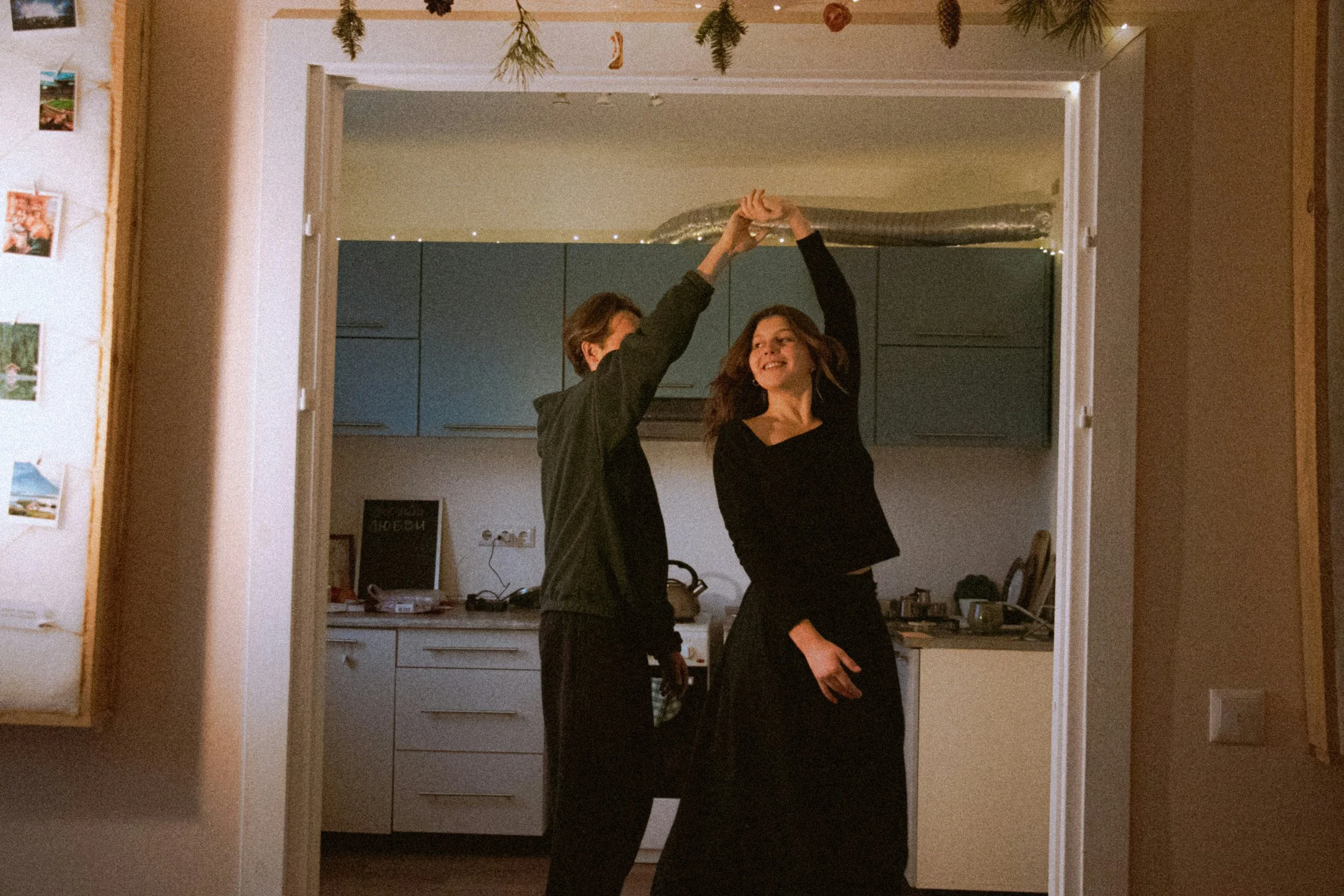
What "Romanticising the Ordinary" Actually Means
Romanticising the ordinary isn't about convincing yourself that washing dishes together is secretly transcendent. It's something more honest than that.
It's closer to attention. The deliberate choice to be somewhat present during the unremarkable parts of shared life rather than mentally elsewhere. To notice, occasionally, that this person makes coffee the same way every morning and has done for years, and to feel something about that rather than nothing.
Research on what psychologists call "perceived partner responsiveness" – the sense that your partner actually notices you, understands you, and values what they see – shows it to be one of the strongest predictors of relationship satisfaction across cultures. More predictive than shared interests. More predictive than physical attraction over time. The feeling of being genuinely seen in the small moments matters more than almost anything else.
Take a Look at the Other Culture
Turkey is an intriguing example here. Turkish relational culture places a high value on shared meals, hospitality as a daily practice, and what may be called ambient togetherness: being in the same room, engaged in parallel activities, with no intention. For anyone exploring connection through a quick dating service from SoulMatcher, the cultural context matters. Expectations around daily intimacy, family involvement, and the rhythm of shared life are baked into how partnership is understood, often in ways that are quite different from more individualistic Western frameworks.
The Way Novelty Actually Works
There's a counterintuitive finding in relationship research around novelty. Couples are often advised to seek new experiences together to maintain excitement, which is true but frequently misunderstood. The benefit of novelty doesn't come primarily from dramatic new experiences. It comes from the quality of presence those experiences induce.
A couple doing something unfamiliar together tends to be more attentive to each other, more communicative, more openly curious. The activity is almost incidental. What's actually working is that the novelty has interrupted habitual half-presence and replaced it with actual engagement.
Which means the effect can be partially replicated without booking anything. Trying a recipe neither person has made before. Walking a different route. Asking a question you've never thought to ask, about something you assumed you already knew about them. The mechanism is attention, and attention is portable.
The Long Accumulation
Years into a relationship, what people tend to remember isn't usually the landmark events. Or rather, they remember those, but they're not what produces the felt sense of having been loved well. That feeling comes from something harder to locate. The thousands of small moments that didn't seem significant at the time and weren't saved anywhere.
The cup of tea made without being asked. The noticing. The showing up, repeatedly, for the unremarkable Tuesday evenings that make up most of a life.
None of it is glamorous. All of it, apparently, is the point.