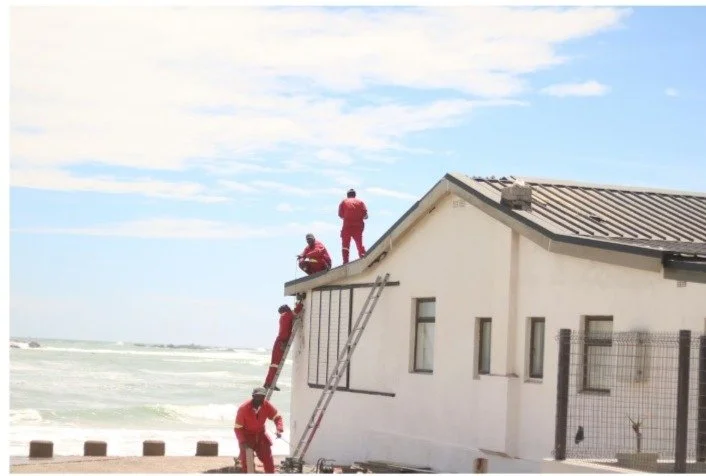
Outdoor Improvements That Prevent Damage and Add Strength

A well-planned outdoor space contributes far more than curb appeal. Stronger structures, dependable materials, and smart upgrades protect a property from strain and seasonal wear, while reducing ongoing maintenance costs. Thoughtful improvements support long-term stability, prevent erosion, and shield vulnerable areas from rain, wind, and temperature shifts. 

Each upgrade listed below focuses on durability, reinforcing parts of a property that face constant exposure to the elements. With careful planning and the right materials, outdoor spaces can remain functional and visually appealing for years, creating a yard that stands firm under daily use and seasonal challenges.

Upgraded Drainage That Redirects Water Flow

Effective drainage protects outdoor spaces from erosion and structural damage. Installing systems that channel water away from foundations helps maintain soil stability and prevents pooling near key areas. Many homeowners consult Charlotte roofing contractors to ensure roof runoff integrates smoothly with landscape drainage, reducing the risk of water intrusion. Gravel trenches, French drains, or sloped channels guide excess water toward safe exits, keeping patios, walkways, and garden beds intact. 

Gutters with leaf guards help maintain flow and prevent clogs that could compromise the system. Properly managed water movement reduces long-term maintenance, preserves the condition of outdoor features, and supports the strength and resilience of the property.

Reinforced Pathways for Steady Grounding

Paths take constant pressure from foot traffic, wheelbarrows, and landscaping tools. Unprepared ground loosens, creating dips and weak spots. Stable pathways formed with compacted gravel bases and paver systems keep the surface firm, even under weight. 

Many homeowners choose thicker stones or interlocking blocks, as these materials stand up to movement without cracking. A clear border helps keep soil from creeping onto the walkway, preventing erosion from loosening the base. Once the path stays level, the rest of the yard benefits from fewer muddy zones and less standing water after rain.

Stronger Fencing for Perimeter Security

A secure perimeter supports safety and property stability. Wooden panels often weaken when exposed to long periods of moisture, so sealed hardwood or composite boards suit long-term use. Metal fencing with rust-resistant coatings offers another option for strength in harsh conditions. 

Posts inserted into deep concrete anchors keep the structure upright even during strong winds. Tall grass often hides lower rail areas, so trimming around the base keeps air moving and prevents trapped moisture from harming the material. A sturdy fence keeps pets and young children from wandering near unsafe spots on the property.

Durable Decking Built for Long Use

Decks provide relaxation, but they face constant sunlight and temperature swings that strain the surface. Composite boards resist warping and splintering, giving the entire platform longer life. Strong metal brackets beneath the structure keep joists from shifting. Sealants applied to wooden steps help block moisture from seeping into the grain, giving the material greater resistance to rot. 

Good ventilation beneath the platform prevents trapped humidity, reducing the chance of mold and slowing deterioration. A deck designed with durable components remains steady, safer, and more comfortable year after year.

Protective Landscaping That Shields Key Areas

Strategic planting supports more than appearance. Deep-rooted shrubs near slopes hold soil in place, preventing downhill movement after storms. Trees positioned with care block strong wind from striking structures directly, giving extra strength to nearby surfaces. 

Mulch around beds limits evaporation, helping the soil stay stable and less likely to crack. Stone borders prevent loose dirt from washing into driveways and walkways during heavy rain. Ground cover plants help fill bare patches, reducing erosion and giving the yard a stable surface that stands up to seasonal changes without losing shape.

Sturdy Outdoor Storage That Withstands the Elements

Storage sheds face regular exposure to sun, moisture, and shifting temperatures. Thick roofing panels, reinforced doors, and weather-sealed joints keep tools and equipment safe from damage. Raised foundations protect the structure from ground moisture, giving the building a longer life. 

Ventilation features keep interior air circulating, reducing the chance of rust on metal tools. Materials such as resin, treated wood, or galvanized steel remain reliable through changing climates. A strong storage space protects valuable items while adding organization to the yard, creating a more resilient property.
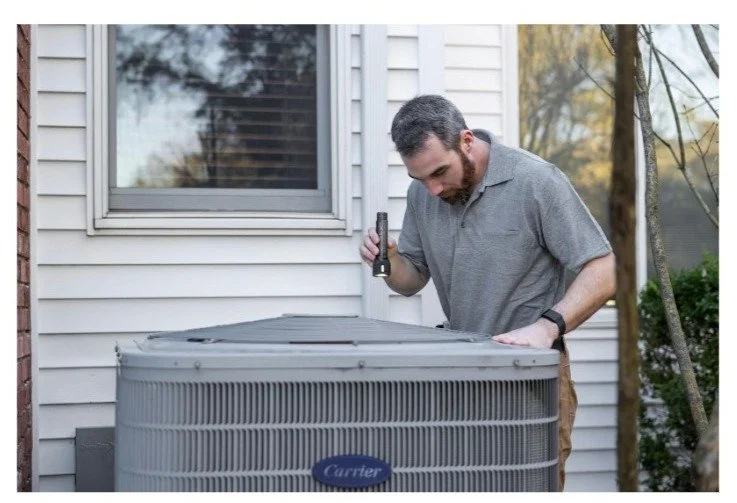
Investing in stronger outdoor features protects a property from the wear and damage that accumulates. Solid pathways, reinforced fencing, smart drainage, dependable decking, protective landscaping, and durable storage bring stability to every part of the yard. Thoughtful upgrades reduce long-term repair needs while creating a space that is safe, functional, and visually appealing. 

Routine maintenance keeps these improvements performing effectively. By taking proactive steps to reinforce structures and control environmental stressors, homeowners can enjoy a reliable, resilient outdoor space that supports daily living and preserves property value for years to come.


Beyond the Inner City: Exploring Melbourne's High-Growth Suburbs for Smart House and Land Investment

Everyone's talking about Melbourne's property boom, but here's the thing – the real action isn't happening where you'd expect. While inner-city apartments grab headlines, savvy investors are quietly making moves in suburbs most people drive past without a second thought.

The truth is, Melbourne's growth story is being written in places like Clyde North, Tarneit, and Craigieburn. These aren't exactly postcodes that roll off the tongue at dinner parties, but they're where the smart money is going.

The Numbers Don't Lie

Picture this: you're scrolling through property listings in Toorak or South Yarra, and your jaw drops at the prices. Then you stumble across a house and land package in Melton South for half the cost, with room for a proper backyard and maybe even a pool. Suddenly those outer suburbs start looking pretty appealing.

The growth figures tell an interesting story. Areas like Wyndham and Casey are among Australia's fastest-growing municipalities. We're talking about population increases of 5-10% annually in some pockets. That's not just a trend – that's a fundamental shift in how Melbourne is expanding.

What's driving this exodus? Affordability, obviously. But it's more than that. These suburbs offer something inner Melbourne can't: space to breathe, brand-new infrastructure, and communities that actually feel like communities.

Infrastructure is the Game Changer

Here's where it gets really interesting. The Victorian government isn't just letting these suburbs grow wild. They're pumping serious money into transport links, schools, and shopping centres.

The Metro Tunnel project will eventually connect some of these outer areas to the CBD in ways that seemed impossible just a few years ago. And those new train lines to Melton and Wyndham Vale? They're already changing the conversation about what's considered "too far out."

Actually, distance becomes pretty relative when you can catch a train to the city in 45 minutes. Compare that to sitting in traffic from Richmond for the same amount of time, and suddenly those outer suburbs don't seem so outer anymore.

House and Land Packages: The Sweet Spot

This is where house and land investments really shine. You're not buying someone else's renovation mistakes or dealing with 100-year-old plumbing. Everything's new, everything works, and you get to choose the finishes.

But here's the kicker – these packages often come with fixed-price guarantees. No surprise costs, no "we found asbestos in the walls" phone calls. For investors, that predictability is worth its weight in gold.

The rental market loves these properties too. Young families are flocking to suburbs like Point Cook and Cranbourne West because they can actually afford to rent a whole house instead of cramming into a two-bedroom apartment in Fitzroy.

Picking the Winners

Not all growth suburbs are created equal, though. The trick is spotting which ones have genuine long-term potential versus those that might just be flash in the pan developments.

Look for areas with multiple growth drivers. Good schools (or planned schools), transport connections, employment hubs, and decent shopping facilities. If a suburb ticks most of these boxes, it's probably worth a closer look.

Companies like Home Group Melbourne have been tracking these patterns for years, and they've got pretty good at spotting which suburbs are about to take off before the broader market catches on.

The thing is, by the time everyone's talking about a particular suburb, you've probably missed the boat on the best deals. The real opportunities exist in those slightly-too-far-out places that make you think twice at first glance.

Smart investors are already there, quietly building portfolios while everyone else is still focused on the usual suspects. The question is: will you join them?

Different Cases That Skillful Whistleblower Attorneys Handle in Washington

What motivates individuals in Washington to report serious misconduct? How do skilled attorneys support them through complex investigations? These questions reveal the depth of work handled by whistleblower counsel in a region shaped by government activity, healthcare institutions, and major contractors. Many cases require careful examination, clear evidence, and strategic actions to protect those who speak up.

A whistleblower attorney Washington, DC, guides clients through detailed claims that involve fraud, corruption, and deceptive practices. Their knowledge helps clients deal with long procedures and strict regulations. This guidance creates clarity during uncertain moments and empowers individuals to participate in essential oversight efforts.

Healthcare Fraud Claims in Washington

Healthcare fraud cases form a major segment of whistleblower activity in the region. Attorneys handle claims involving inflated billing, unnecessary procedures, or false patient information. Courts take these cases seriously because they affect community trust and public resources. Careful review of records and communication strengthens the ability to expose wrongdoing with precision.

Government Contractor Misconduct

  • Attorneys address false invoices, inaccurate labor reports, or defective equipment claims linked to federal or state contracts.

  • Legal teams guide whistleblowers through strict reporting channels connected to defense, infrastructure, and technology projects.

Financial Sector Deception

Financial misconduct claims require close attention to patterns, transaction records, and internal communications. Attorneys in Washington step into these cases when firms hide losses, manipulate valuations, or distribute misleading statements. Short, direct guidance helps whistleblowers understand the legal consequences connected to securities violations. Each detail strengthens the ability to present a credible, well-supported case.

Tax Fraud and Evasion Cases

  • Attorneys assist clients involved in claims related to false tax filings, hidden assets, or improper deductions.

  • Careful preparation ensures that evidence aligns with federal standards and expectations.

Cases That Involve Public Funds Abuse

Public funds misuse creates broad harm because it disrupts essential services and undermines community confidence. Attorneys investigate cases where agencies or partner entities misuse grants, fees, or program budgets. Their work helps clarify how resources were diverted and which actors contributed to the misconduct. This approach supports accountability and encourages transparent financial management.

Protection Against Corporate Retaliation

Corporate retaliation appears in many forms, which include demotion, termination, or workplace pressure. Attorneys review each circumstance and build a detailed strategy to protect the whistleblower's rights. Courts expect clear documentation, and counsel helps gather statements or digital records that support the claim. Strong representation reduces personal exposure and ensures each client receives fair treatment.

Environmental Fraud Claims in Washington

Environmental violations place communities at risk, especially when companies hide illegal dumping, unreported emissions, or permit violations. Attorneys examine environmental reports, internal memos, and testing records to confirm misconduct. These cases require accuracy because agencies rely on factual evidence to take corrective action. The attorney's role ensures the government receives reliable information that supports enforcement.

Insurance Fraud Allegations

Insurance fraud can involve manipulated claims, staged incidents, or falsified injury descriptions. Attorneys help whistleblowers present timelines, documents, and communications that reveal deceptive schemes. Clear, structured evidence allows regulators to pursue recovery and apply penalties. Each successful case helps stabilize insurance systems and protect honest policyholders.

Workplace Safety Violations

Safety violations can place employees at risk and create long-term harm. Attorneys in Washington analyze inspection reports, internal complaints, and correspondence tied to unsafe conditions. Their involvement strengthens the whistleblower's ability to stand against corporate pressure. These cases highlight the need for secure environments and responsible management.

A whistleblower attorney Washington, DC can handle diverse cases that demand precision, insight, and steady support. Their guidance helps expose misconduct and protect those who speak up. Strong legal representation strengthens accountability and encourages healthier systems across the region.

How To Optimize Your Space While Keeping Daily Life Hassle-Free

A tidy home makes everyday tasks faster and less stressful. The trick is to set up storage that works with your habits, not against them. With a few smart moves, you can save time, cut clutter, and keep rooms feeling open and calm.

Right-size what stays at home

Start by picking the items you use weekly. These live in the easiest spots to reach. Everything else gets a planned home farther back, higher up, or outside the house.

Think about seasons, too. Rotate heavy quilts, beach gear, and holiday decor, so only the current season is within arm’s reach. Label the rest and store it so you can pull it out fast when the time comes.

Map your daily routes

Watch how you move in the morning and at night. Place coffee, mugs, and filters near the kettle, and keep lunch boxes by the fridge. This cuts steps and reduces mess.

A little space between items lowers visual noise and makes cleaning quicker. If your hall closet is bursting, consider flexible local O’Connor storage to hold the extras you still need but not every day. That way, your entry stays clear, and you spend less time shuffling shoes and sports bags. 

Make zones by task

Create simple zones and name them by action. A mail-and-keys zone by the door. A device-and-charger zone near the sofa. A laundry-prep zone with baskets for whites, darks, and delicate items.

Use containers to mark each zone. Clear bins show what’s inside at a glance. Opaque bins hide visual clutter when you want rooms to feel calmer.

Quick wins you can set up in 20 minutes

  • Put a small catchall tray where clutter starts piling up

  • Mount two hooks behind a door for bags and hats

  • Add a narrow shelf near the entry for wallets and sunglasses

  • Use a cable box to hide power strips near the TV

  • Slip a rolling bin under the bed for spare linens

Safety-first storage basics

Some items must be stored with extra care. Keep paints, solvents, and garden chemicals in a cool, ventilated spot, away from heat and flame. Always read the label and follow the storage instructions.

A national workplace guidance source advises storing hazardous chemicals correctly, using clear signs and labels, and keeping incompatible products apart to reduce risk. Lock these items out of reach of children and pets, and never place them above head height. If space is tight, set a small outdoor cabinet on a stable surface and keep it dry.

Design small spaces to work bigger

Layout matters more than square metres. A government home design guide notes that clever storage can make a compact home feel and function like a larger one. Aim for vertical solutions, like wall shelves that climb to the ceiling, and choose furniture with hidden compartments.

Cap shelves and drawers at about 80 percent full. Leaving breathing room makes it easier to put things back. It also helps air move and keeps dust from settling in tight piles.

Keep rooms calm with smart categories

Use simple, broad labels, not fussy ones. For example: Tools, Garden, Party, Travel. This makes it easy for everyone in the house to return items to the right place.

Set a review habit. Once a month, scan one room for orphans and duplicates. Donate what you no longer use, and move seldom-used gear into deeper storage so your daily zones stay lean.

Use off-site space to reduce friction

Households are juggling hybrid work, hobbies, and kids' gear. An industry report from the Self Storage Association of Australasia highlights that the sector is growing as living patterns shift and people seek flexible storage options that fit changing needs. Off-site space can act like a pressure valve for your home.

Think of it as an extension of your closets. Box items by theme, add bold labels on two sides, and list the box contents on your phone. Place the most-likely-to-need boxes near the front, and keep rarely used items in the back.

Seasonal swaps without the chaos

Plan a 30-minute swap at the start of each season. Bring in the new gear and ship the old season out. Keep a small caddy of markers, tape, and spare labels ready to speed up the changeover.

Do quick checks as you switch. If something was never used this season, ask why. Either move it deeper into storage or let it go.

Small, steady tweaks can reshape your days. Map your routines, give each task a zone, and right-size what lives at home. With a safe plan for tricky items and a flexible overflow option, you can keep spaces calm and your time your own.

Key Steps That Define a Smooth Process for Complex Reinstatement Works

Complex reinstatement works demand careful planning and execution. Projects involving restoration, infrastructure, or building repairs require precision at every stage. A structured approach minimizes delays, reduces costs, and ensures quality results.

Understanding the scope of work is critical before beginning any project. Detailed assessments and surveys help identify potential challenges and resource requirements. Clear objectives align teams and stakeholders from the outset.

Effective communication among contractors, clients, and suppliers supports coordination. Miscommunication can result in costly errors or rework. A defined communication plan ensures everyone is informed and accountable.

Conducting a Thorough Site Assessment

Site assessments reveal critical details necessary for planning reinstatement works. Evaluating structural conditions, utilities, and surrounding areas helps anticipate risks. Early identification of challenges reduces surprises during execution.

Documenting findings provides a reference for planning and legal compliance. Photos, reports, and drawings capture the condition of the site accurately. These records serve as benchmarks for progress monitoring.

Risk assessment is integral to this stage. Identifying hazards related to access, materials, or weather conditions allows teams to implement safety measures. Proactive mitigation improves efficiency and reduces potential incidents.

Developing a Detailed Work Plan

A structured work plan outlines tasks, timelines, and responsibilities. Breaking down complex projects into manageable stages supports progress tracking. Clear plans prevent bottlenecks and confusion during execution.

Resource allocation is an important part of planning. Assigning equipment, materials, and personnel efficiently ensures smooth workflow. Coordination prevents delays caused by shortages or overlaps.

Including contingency measures addresses potential disruptions. Plans for delays, unexpected damage, or supply issues maintain project continuity. This proactive approach minimizes downtime and ensures deadlines are met.

Securing Permits and Compliance

Obtaining necessary permits ensures legal compliance. Projects often require approvals from municipal authorities or regulatory bodies. Early preparation avoids delays caused by missing documentation.

Adhering to safety standards protects both workers and property. Compliance with building codes and environmental regulations is mandatory. Proper adherence reduces liability and ensures high-quality outcomes.

Documenting compliance processes creates accountability. Maintaining records of approvals, inspections, and certifications supports audits and stakeholder assurance. Consistent documentation reinforces professionalism.

Maintaining Quality Control Throughout

Quality control ensures the finished project meets required standards. Regular inspections verify adherence to specifications and safety protocols. Documented checkpoints maintain consistency.

Addressing defects immediately prevents compounding issues. As seen at leindustrior.sg, integrating quality checks into every phase helps identify issues early and maintain high standards. Implementing structured review processes guarantees that each stage meets the expected benchmarks before moving forward.

Prompt correction reduces rework and cost escalation. Ongoing attention reinforces professionalism and client confidence.

Selecting the Right Contractors and Suppliers

Choosing experienced contractors is critical for complex reinstatement works. Skilled professionals reduce errors and maintain project timelines. Expertise in specialized tasks ensures high-quality results.

Suppliers play a key role in project efficiency. Reliable delivery of materials prevents interruptions. Selecting vendors with proven performance supports continuity and quality.

Key considerations for contractors and suppliers include:

  • Experience with similar reinstatement projects

  • Proven adherence to safety and quality standards

  • Ability to meet timelines and coordinate with multiple teams

  • Transparent communication and reporting practices
    Evaluating these factors increases the likelihood of successful execution.

Implementing Effective Project Management

Project management ensures tasks are executed according to plan. Scheduling, resource coordination, and milestone tracking keep projects on course. Strong management reduces inefficiencies and promotes accountability.

Regular progress reviews identify areas needing adjustment. Monitoring timelines, quality, and budget prevents minor issues from becoming major setbacks. Continuous oversight enhances performance.

Risk monitoring is part of effective management. Anticipating potential disruptions and adjusting workflows mitigates delays. Adaptive project management supports the timely and safe completion of reinstatement works.

Preparing for Handover and Documentation

A structured handover ensures all stakeholders are satisfied with the results. Providing comprehensive documentation, including reports, certifications, and as-built drawings, clarifies project completion.

Training or briefing relevant personnel supports operational readiness. Understanding systems, maintenance, or restoration processes allows proper use and care. Clear communication reduces post-completion issues.

Final reviews confirm all contractual obligations and quality standards are met. Addressing any remaining concerns ensures a smooth transition. Proper closure reinforces trust and sets the stage for future collaborations.

Smooth execution of complex reinstatement works relies on careful planning, thorough assessment, and structured project management. Clear communication, detailed work plans, and risk mitigation enhance efficiency and safety.

Selecting experienced contractors, reliable suppliers, and implementing quality control ensures that projects meet both timelines and standards. Continuous monitoring and proactive problem-solving reduce delays and unexpected costs.

Integrating comprehensive documentation, compliance measures, and structured handover processes completes the project cycle. Teams that follow these key steps deliver reinstatement works efficiently, professionally, and reliably.