How To Optimize Your Space While Keeping Daily Life Hassle-Free
A tidy home makes everyday tasks faster and less stressful. The trick is to set up storage that works with your habits, not against them. With a few smart moves, you can save time, cut clutter, and keep rooms feeling open and calm.
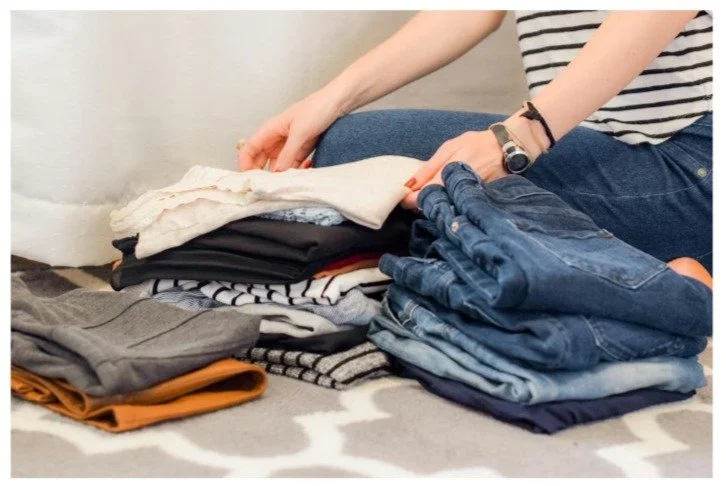
Right-size what stays at home
Start by picking the items you use weekly. These live in the easiest spots to reach. Everything else gets a planned home farther back, higher up, or outside the house.
Think about seasons, too. Rotate heavy quilts, beach gear, and holiday decor, so only the current season is within arm’s reach. Label the rest and store it so you can pull it out fast when the time comes.
Map your daily routes
Watch how you move in the morning and at night. Place coffee, mugs, and filters near the kettle, and keep lunch boxes by the fridge. This cuts steps and reduces mess.
A little space between items lowers visual noise and makes cleaning quicker. If your hall closet is bursting, consider flexible local O’Connor storage to hold the extras you still need but not every day. That way, your entry stays clear, and you spend less time shuffling shoes and sports bags.
Make zones by task
Create simple zones and name them by action. A mail-and-keys zone by the door. A device-and-charger zone near the sofa. A laundry-prep zone with baskets for whites, darks, and delicate items.
Use containers to mark each zone. Clear bins show what’s inside at a glance. Opaque bins hide visual clutter when you want rooms to feel calmer.
Quick wins you can set up in 20 minutes
Put a small catchall tray where clutter starts piling up
Mount two hooks behind a door for bags and hats
Add a narrow shelf near the entry for wallets and sunglasses
Use a cable box to hide power strips near the TV
Slip a rolling bin under the bed for spare linens
Safety-first storage basics
Some items must be stored with extra care. Keep paints, solvents, and garden chemicals in a cool, ventilated spot, away from heat and flame. Always read the label and follow the storage instructions.
A national workplace guidance source advises storing hazardous chemicals correctly, using clear signs and labels, and keeping incompatible products apart to reduce risk. Lock these items out of reach of children and pets, and never place them above head height. If space is tight, set a small outdoor cabinet on a stable surface and keep it dry.
Design small spaces to work bigger
Layout matters more than square metres. A government home design guide notes that clever storage can make a compact home feel and function like a larger one. Aim for vertical solutions, like wall shelves that climb to the ceiling, and choose furniture with hidden compartments.
Cap shelves and drawers at about 80 percent full. Leaving breathing room makes it easier to put things back. It also helps air move and keeps dust from settling in tight piles.
Keep rooms calm with smart categories
Use simple, broad labels, not fussy ones. For example: Tools, Garden, Party, Travel. This makes it easy for everyone in the house to return items to the right place.
Set a review habit. Once a month, scan one room for orphans and duplicates. Donate what you no longer use, and move seldom-used gear into deeper storage so your daily zones stay lean.
Use off-site space to reduce friction
Households are juggling hybrid work, hobbies, and kids' gear. An industry report from the Self Storage Association of Australasia highlights that the sector is growing as living patterns shift and people seek flexible storage options that fit changing needs. Off-site space can act like a pressure valve for your home.
Think of it as an extension of your closets. Box items by theme, add bold labels on two sides, and list the box contents on your phone. Place the most-likely-to-need boxes near the front, and keep rarely used items in the back.
Seasonal swaps without the chaos
Plan a 30-minute swap at the start of each season. Bring in the new gear and ship the old season out. Keep a small caddy of markers, tape, and spare labels ready to speed up the changeover.
Do quick checks as you switch. If something was never used this season, ask why. Either move it deeper into storage or let it go.
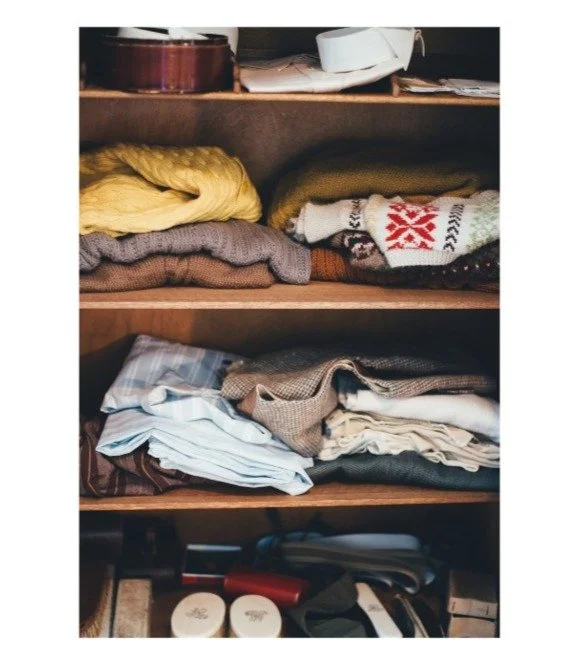
Small, steady tweaks can reshape your days. Map your routines, give each task a zone, and right-size what lives at home. With a safe plan for tricky items and a flexible overflow option, you can keep spaces calm and your time your own.