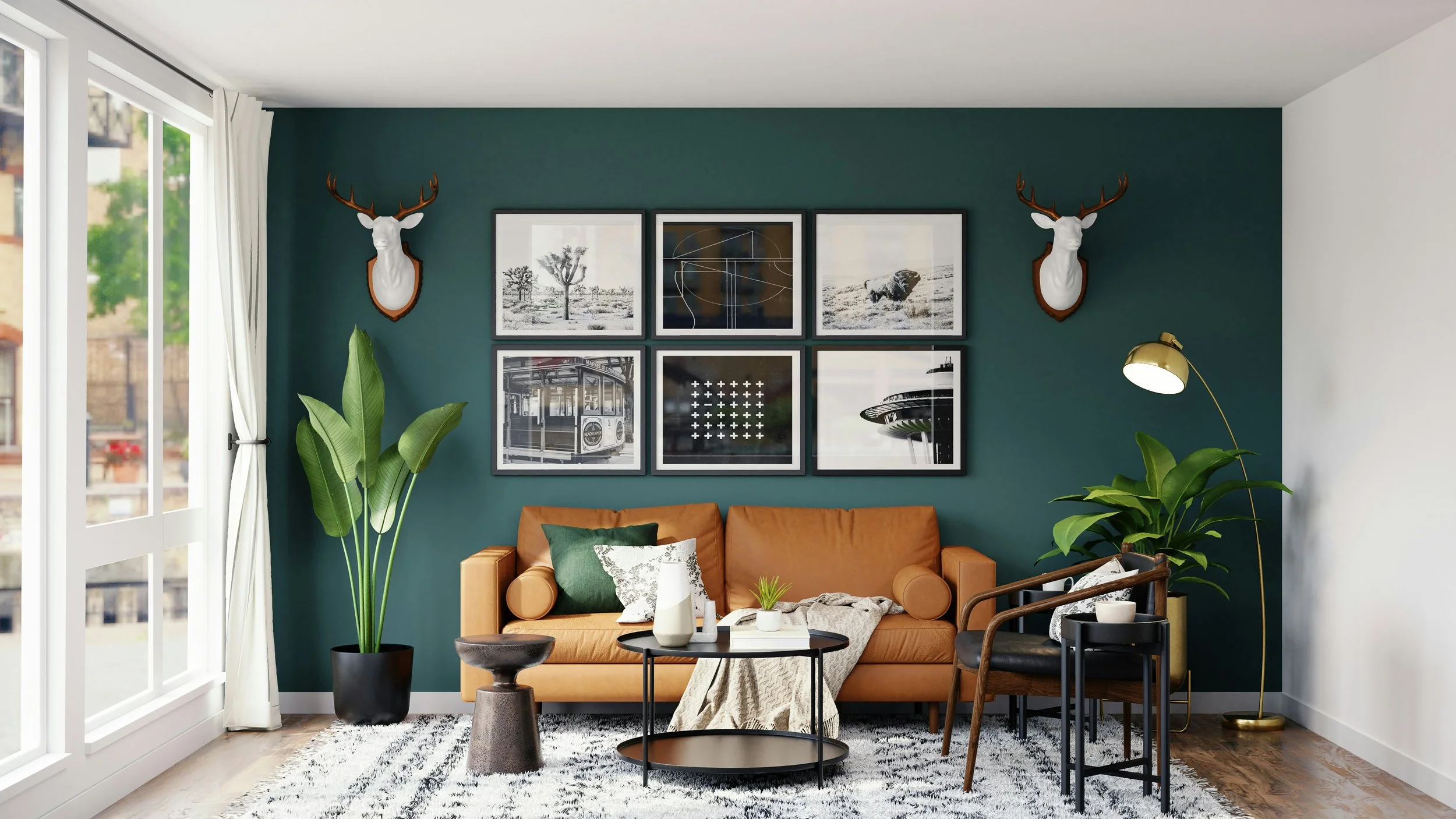
A low-maintenance home is one that works quietly in the background, reducing friction and saving time. From smart layouts to the right pool cleaner outside, good low maintenance home design keeps your space effortless without constant upkeep.
What is low maintenance home design?
A low maintenance home design isn’t just about durable materials, it’s about designing a space that reduces friction in daily life. It’s a blend of smart simplicity, long-lasting finishes, and layouts that stay cleaner and function better with minimal intervention.
A true low maintenance home design prevents problems before they occur through moisture control, durable flooring, low-maintenance HVAC systems, and covered entrances. It reduces repetitive tasks by minimizing grout lines, using wipe-clean surfaces, and creating clutter-free layouts. It supports modern lifestyles where many people work from home and have less time for chores, and it prioritizes longevity and wellness with better ventilation, efficient heating, natural lighting, and low-VOC materials.
Homeowners want this now for several reasons. Time scarcity makes people crave weekends that aren’t filled with upkeep. Rising repair costs push them toward durable finishes that won’t require frequent contractors. Aging-in-place considerations make easy-to-clean, highly functional spaces more appealing. Post-2020 hygiene awareness has increased interest in easy disinfecting and healthier indoor air. And in competitive markets, homes marketed with thoughtful low maintenance home ideas tend to stand out.
Ultimately, low maintenance home design is about intentionality: creating a home that naturally stays cleaner, functions better, and demands less from you. It’s not only about reducing cleaning but also about reducing decision fatigue.
Low maintenance home design removes the friction points that create daily mental load. Clear storage architecture solves the "Where do I put this?" problem. Surfaces that don’t require memorizing special care instructions answer the "How do I clean this?" question. Layouts that support behavioral flow address the constant feeling that a space is always messy. And systems designed to self-regulate reduce the frustration of things that keep breaking.
More homeowners are choosing this approach because they spend more time working in their homes and want their environment to feel lighter, not louder. They’re trying to escape the hidden mental load of upkeep. They want a house that functions like a well-designed app, intuitive, predictable, self-sustaining, and one built on low maintenance home ideas that preserve their personal energy, not just electricity.
Low maintenance today is really about living with fewer drains on your attention span.
What are the most effective low maintenance home ideas?
Creating a low-maintenance home starts with choosing materials and layouts that naturally stay functional and presentable without constant attention. Countertops made from quartz or sintered stone offer a durable, non-porous surface that resists heat and scratches without the need for sealing. Matte porcelain tile provides the look of wood or stone while remaining far easier to care for, and luxury vinyl plank adds a resilient option that handles heavy use, moisture, and pets without showing stress. Exterior choices like fiber cement or composite siding withstand pests and weather with minimal upkeep, and metal or composite roofing delivers lasting performance for decades.
Interior finishes can simplify daily living as well. Using satin or matte paint reduces the visibility of minor marks. Long-lasting LED fixtures remove the need for frequent replacements. Large-format tile paired with epoxy grout keeps maintenance low because the surfaces hold up well and the joints resist staining.
Thoughtful layout decisions contribute just as much to ease of living and form the backbone of modern low maintenance home ideas. Clear, uninterrupted pathways limit debris accumulation and make movement more efficient. Smooth transitions between flooring materials create a continuous surface that avoids areas where dirt typically gathers. A dedicated drop zone at entry points gives belongings a consistent place to land. Windows placed to maximize light help manage indoor conditions without extra effort.
Some materials also maintain a clean appearance due to their texture or finish. Honed stone, matte microcement, brushed metal, troweled plaster, and subtly patterned tile diffuse light or incorporate visual variation, which keeps minor marks from immediately standing out.
Because frequently handled areas wear down the fastest, reinforcing those touchpoints makes a meaningful difference. Fingerprint-resistant stainless steel, textured cabinet surfaces, soft-close hardware, and integrated handles are all designed to stay cleaner and last longer where interaction is constant.
A home’s overall flow can further reduce the need for upkeep. Eliminating unused corners prevents stagnant buildup, and routing movement around work areas keeps essential zones orderly. Providing intentional places for everyday items encourages habits that maintain a calm environment without extra work.
The result is a home shaped by low maintenance home ideas where materials, finishes, and layout work together to support daily life with minimal effort, allowing the space to feel settled and efficient without constant maintenance.
How can interiors support a low-maintenance home?
A low-maintenance home is really a system, design, flow, and organization should prevent work, not create it. Smart planning means building a space that supports your habits instead of fighting them. Start by identifying your natural "clutter hotspots" and build storage directly around these zones. Use single-motion solutions, toe-kick drawers, soft-close laundry hampers, pull-out trash, open shelving, because anything that requires fewer steps gets used more.
Lean on storage that keeps the house tidy on autopilot: hidden charging drawers, vertical storage walls, built-in laundry sorters, deep drawers that prevent dead space, and under-stair or bench-seat storage that adds extra capacity. Choose interior design elements that almost clean themselves, like fewer but larger décor pieces, wipeable surfaces, furniture with legs for easy vacuuming, and a breathable minimalism that favors fewer high-quality items.
Good flow reduces maintenance more than any product, so create a "cleaning path" for tools to move freely, think in zones instead of rooms to contain mess, and use warm lighting and mid-tone neutrals to soften everyday imperfections. Reduce decision fatigue by making your home operate on autopilot with one-touch systems, single-drop zones, and habit-aligned storage placed where items naturally end up.
Focus on "return-to-zero speed", how quickly a space can go from lived-in to clean, by using furniture on legs, keeping floor pathways unobstructed, and placing wipe-down stations in key zones. Use visual compression with monochromatic surfaces, tall cabinets, continuous shelving, and closed storage at eye level. Prioritize storage that works with your momentum, like drop-in hampers, shallow pantry shelves, magnetic vertical storage, and slide-out cleaning stations.
Finally, design for your future self, the version dealing with real life. Keep everyday items within reach, maintain clear surfaces, and choose finishes that hide dust and streaks when you miss a cleaning cycle. A low-maintenance home is ultimately a compassionately designed home.
What creates a truly low maintenance backyard?
A beautiful low maintenance backyard can stay incredibly easy to manage when the design minimizes work from the start. Choosing the right landscaping helps immediately: native and drought-tolerant plants adapt to the climate, need less watering, and resist pests. Mulched beds with weed barriers reduce unwanted growth and keep soil moist, while drip irrigation conserves water and avoids overspray that stains hard surfaces.
Hardscaping choices have an equally big impact. Composite decking stays weatherproof and splinter-free without staining. Stamped or colored concrete remains stable and avoids the shifting and weed growth that often happens between pavers. Gravel zones and river-rock borders add texture while eliminating traditional lawn edging, and artificial turf creates durable, natural-looking surfaces for high-traffic areas with no mowing, all perfect choices for a low maintenance backyard.
Upgrading outdoor features can simplify upkeep even further. Minimalist furniture with durable materials like powder-coated aluminum, teak, or HDPE reduces care demands. Built-in storage benches keep outdoor clutter hidden and cut down on back-and-forth trips inside. Shade sails and pergolas protect surfaces from sun damage.
Reducing the number of "interfaces," or points where different materials meet, is one of the simplest low maintenance backyard strategies. Fewer transitions between grass and fencing, soil and pavers, or plants and hardscape dramatically cuts future problems.
Using monolithic surfaces helps too. A single concrete pad is easier to maintain than numerous pavers, long decking planks stay stable, and oversized planters simplify planting without creating soil-to-hardscape edges.
Contained greenery also reduces upkeep. Raised steel planters, large ceramic pots, clumping grasses, and thoughtful drainage keep vegetation controlled and prevent mud or spreading growth.
Wind and debris control is another overlooked factor. Much of the outdoor mess comes from wind rather than plants, so designing with low walls, privacy screens, or evergreens to block prevailing winds noticeably reduces sweeping and skimming.
These strategies create a low maintenance backyard that stays attractive with little intervention.
What matters most when planning a low maintenance pool?
A low maintenance pool starts as part of easy pool maintenance with smart design rather than chemicals. The pool’s shape and construction set the tone: simple geometric layouts make circulation and robotic cleaning easier, and smooth finishes like quartz, pebble, or fiberglass resist algae far better than rough plaster. Features such as automatic overflow and integrated drainage prevent staining and waterline grime before it forms.
Efficient filtration and circulation reduce long-term work. Oversized filters run cleaner with fewer backwashing cycles, variable-speed pumps improve water turnover, and UV or ozone systems dramatically lower the need for traditional chemicals, all reinforcing the foundation of a low maintenance pool.
The surrounding environment matters too. Using non-shedding plants keeps organic debris out of the water, while windbreaks limit what gets blown in from the yard. Slip-resistant hardscaping cleans easily. A year-round approach to easy pool maintenance comes from automating system controls, choosing covers that deploy quickly, and designing access paths that streamline routine cleaning.
A well-planned low maintenance pool reduces weekly tasks by eliminating the biggest load sources before they appear. Most mess comes from wind, trees, swimmers, and shifts in water chemistry, so the goal is to design in ways that naturally limit those factors.
Location is the first tool for debris control. Placing the pool upwind of trees, away from mulch beds, and near architectural walls that buffer gusts can reduce debris significantly. Predictable water chemistry is another benefit of smart design: materials and shapes influence stability, and combinations like fiberglass with saltwater support steady circulation with less intervention.
Decking choices play a major role in long-term upkeep. Materials like textured concrete, porcelain pavers, and pool-rated composite decking avoid shedding and staining, while porous surfaces create unnecessary maintenance.
Thoughtful design at every stage creates a low maintenance pool that stays cleaner, runs efficiently, and requires far less weekly intervention.
What ensures easy pool maintenance year-round?
Think of pool care as a system: the right equipment handles the heavy lifting, and your habits keep everything steady. Saltwater setups create natural-feeling water with fewer chemicals and lower long-term cost. UV or ozone systems boost sanitation. Smart controllers let you adjust schedules and monitor chemistry from your phone, keeping easy pool maintenance consistent without effort.
Certain tools make easy pool maintenance almost automatic. A robotic vacuum handles floors and walls, and an automatic skimmer removes leaves, pollen, and bugs. Long-lasting cartridge filters require the least attention.
Small, steady habits keep the system balanced. Weekly checks prevent issues from forming. A quick shower before swimming reduces oils. Maintaining a consistent water level protects the pump and improves skimmer efficiency. Using the right cover for the season cuts debris and stabilizes temperature.
Low-maintenance pools come from combining automated baselines with tiny routines. The robotic cleaner, smart controller, automated skimmer, oversized cartridge filter, and a saltwater-plus-UV system work together to create a more low maintenance pool experience.
Micro-maintenance takes only minutes but keeps everything running smoothly. Running the robot twice a week, checking leaves on windy days, testing weekly, and brushing steps all prevent problems long before they start. A simple rinse station for guests reduces oils dramatically.
Predict-and-prevent strategies finish the system approach. Removing year-round shedding trees, using a solar cover during pollen season, adding enzymes, and scheduling pump speeds based on temperature all reduce avoidable strain and reinforce easy pool maintenance.
Together, these choices form a whole-system perspective where equipment, habits, and design keep the pool easy, not just clean.