How to Choose the Right Property Manager for Your Phoenix Investment

Choosing a property manager in Phoenix goes way beyond picking a name from a list. If you want real results, you need someone who knows the Phoenix rental scene inside and out. Not all property managers bring the same level of local experience or know-how, and this difference can really impact your investment.

Assessing Years in the Phoenix Market

Always ask how long a company has worked in Phoenix real estate. Years in the local market mean lessons learned—through boom times, slow years, and everything in between. Longevity usually equals reliability. If a property manager has managed homes here for several years, odds are they have the stability and the network you need. Keep an eye out for turnover; a new face every year isn’t a good sign for your rental property’s future.

Understanding the Types of Properties Managed

Dig into the details about what types of properties your manager typically handles. Some managers specialize in apartments, while others focus on single-family homes or condos. The right property manager should be familiar with your type of investment. It’s a red flag if a Phoenix property manager mostly manages commercial spaces when you own residential rentals. This isn’t just about preference—different properties come with unique rules and tenant expectations.

Confirming Professional Licenses and Certifications

Licenses matter. Phoenix property managers must have state-mandated paperwork in order. Ask to see certifications and proof of up-to-date licenses. Industry memberships, like the National Association of Residential Property Managers, show they stay on top of standards. This paperwork proves your property manager takes their business—and your investment—seriously.

When interviewing Phoenix property managers, focus on years in the city, the types of rentals they know best, and their up-to-date professional credentials. Experience isn’t just a number—it's your peace of mind.

Reviewing Service Offerings for Phoenix Rental Investments

Choosing a property manager for your Phoenix rental investments isn’t just about handing over the keys—it's about making sure the right people handle what matters most. Every property owner wants peace of mind, knowing someone else is taking care of screening tenants, fixing leaks, and breaking down the numbers when the month is over. So, what should you actually expect?

Tenant Screening and Placement Processes

The way potential renters are checked can make or break your rental experience. Good Phoenix property managers run background, employment, and rental history checks. They should explain their method plainly, so you understand how they find stable tenants. Phoenix rental investments thrive when managers keep vacancies low and fill units with reliable people—their placement process must be tight and straightforward.

Maintenance and Emergency Response Capabilities

Emergencies don’t keep office hours. Look for property managers with fast, round-the-clock responses. They need strong local repair connections to solve problems quickly, preventing bigger headaches down the line. Routine maintenance shouldn’t get lost in the shuffle; reliable property managers for Phoenix rental investments handle both the scary disasters and the tiny fixes efficiently.

Financial Reporting and Owner Communication

Clear, detailed reports help owners track income, expenses, and repairs. Always find out how often you’ll get these statements and how easy they are to read. Great communication means you won’t be left guessing about your money or property status. Ask to see a sample report—some property managers even give owners access to an online portal with live updates.

The best Phoenix property managers keep you updated, act fast on repairs, and take tenant screening seriously. This triple play protects your investment and lets you sleep easier at night.

Investigating Communication and Transparency Practices

Checking how a property manager communicates can save an owner headaches down the road. Clear and honest communication is what separates a trustworthy property manager from the rest. If there’s any confusion about who to talk to or how to get updates, that’s a warning sign. Owners should find out exactly how communication will work before they sign a contract.

Availability and Responsiveness to Owners

A Phoenix property manager must be reachable when issues pop up. If calls and emails go unanswered, it’s a sign of trouble. Top property managers set the gold standard by:

  • Providing one primary point of contact for owners

  • Responding to questions or concerns within 24 hours

  • Offering an online portal for real-time updates and easy communication

If owners often wait for answers, they may start questioning the property manager’s reliability.

Clarity in Owner Reports and Financial Statements

When it comes to money, nothing matters more than transparency. Owners need clear monthly reports and easy-to-read statements. Top Phoenix property managers will:

  • Deliver financial statements that are simple

  • Break down income and expenses

  • Share maintenance logs and receipts monthly

A sample owner report might include:

If financials are confusing or missing, it’s much harder for owners to know how their Phoenix property is performing.

Conflict Resolution and Problem-Solving Approach

Disputes between owners, tenants, or vendors will happen at some point. The right Phoenix property manager handles problems with a steady hand. Look for these signs:

  • A defined process for resolving issues

  • Regular updates during disputes

  • Willingness to mediate fairly

Owners should expect that conflict resolution is handled quickly, so their properties aren’t exposed to unnecessary risks.

Effective communication and transparency are non-negotiable for owners seeking peace of mind. Choosing a Phoenix property manager known for strong practices in these areas can make all the difference.

Examining Fee Structures and Contract Terms of Phoenix Property Managers

Choosing the right property manager in Phoenix starts with breaking down their fee structures and contract terms. Property management companies design their pricing models in different ways, so it's smart to compare them side by side before signing anything. Watch out for complicated or vague agreements that might hide extra expenses.

Understanding Management and Additional Fees

Start with the basics: is the management fee a flat rate, or is it a percentage of your rent? In Phoenix, most property managers stick to a monthly percentage, but a few offer fixed rates for simpler budgeting. Also, ask about add-on charges—like tenant placement, vacancy fees, or markups on maintenance calls. A good property manager should be clear and upfront about each cost, so you’re never left wondering where your money is going.

Fees You Might See:

  • Monthly management (flat fee or percent of rent)

  • Leasing and renewal charges

  • Maintenance coordination or markups

  • Eviction processing

  • Early contract termination

Evaluating Leasing and Renewal Costs

Don’t overlook leasing and renewal fees when shopping Phoenix property managers. These are sometimes one-time charges for finding new tenants or renewing leases. Compare what’s included for the price—quality marketing, thorough screening, and handling lease paperwork can save you a lot of headaches later. Renewal fees may look small at first but add up over time, especially if your tenants stay long term.

Pro tip: Ask if the management fee covers basic leasing tasks or if everything is à la carte. Sometimes "full-service" promises are lighter than you think.

Reviewing Termination Clauses and Flexibility

It's smart to check the fine print on contract terms so you’re not trapped. Understand how long your contract runs—some Phoenix property management agreements renew yearly, while others are month-to-month. Always ask about termination clauses: how much notice do you need to give, and are there penalties? A fair property manager will explain exit terms without hesitation, showing they value your trust more than a locked-in contract.

If a Phoenix property manager resists answering questions about fees or contract details, it’s probably a sign to keep looking.

In summary, by carefully reviewing property manager Phoenix fee structures and contract terms, owners can avoid surprises and pick a true partner for their investment. Never rush this step; it's worth every minute spent upfront.

Prioritizing Local Knowledge and Vendor Relationships

Smart investors know that Phoenix property managers with strong, local connections make property maintenance and tenant turnovers much smoother.

Choosing a Phoenix property manager isn’t just about general skills—it’s about their ability to respond quickly and tap into trusted vendor networks. A manager with genuine local knowledge of Phoenix can often prevent issues before they spiral, thanks to relationships built with the best area contractors and suppliers. Without these established partnerships, you’re often left with delays, higher costs, and the risk of subpar repairs.

Reviewing a company’s local network will help you measure how closely connected they are to the Phoenix rental scene. Let’s break down why these vendor relationships matter and how to spot managers who truly know the local landscape.

Network of Local Maintenance and Repair Professionals

Ask directly which vendors your manager works with for maintenance. Well-connected Phoenix property managers rely on pre-vetted professionals, which means:

  • Faster emergency repairs due to established lines of communication

  • Consistent, trusted quality of work

  • Discounts or better pricing compared to calling random vendors

If your manager shrugs or can’t name names, that’s a sign they’re not grounded locally. You want a manager who can call a plumber at 7 a.m. or send an electrician right away when tenants report a problem.

Familiarity with Phoenix Rental Laws and Regulations

Laws governing rentals can change fast. A great property manager knows Phoenix ordinances, fair housing rules, and local lease requirements. Forget out-of-state advice—Phoenix has quirks, from heat regulations to short-term rental restrictions. Managers with solid local knowledge of Phoenix avoid legal missteps and keep you compliant. Insist on someone who can explain recent updates and how they handle city inspections or code violations.

Proximity and Accessibility for On-Site Needs

Close isn’t just convenient; it’s practical. Property managers located in or near Phoenix can inspect units, show rentals, and respond to issues quicker. If you ever need a last-minute walkthrough or emergency visit, local managers don’t have to cross half the state to reach your property. This means better service for both owners and tenants.

In Phoenix, the right property manager is the one who knows the streets, the rules, and the folks who keep rentals running—on speed dial.

Screening Reputation and References Before Hiring

When looking for the right property manager for your Phoenix investment, taking time to dig into their reputation and track record can save you from a world of headaches later. Great reviews and solid references tell you a lot about how a manager deals with both property owners and tenants. If a company won't hand over references, that's a red flag you shouldn't ignore.

Checking Online Reviews and Ratings

Start by searching for the property manager for your Phoenix investment online. Review sites, Google ratings, and even posts on social media all matter. Pay attention to repeated complaints or praise, especially around responsiveness and how they handle issues. It's smart to look for consistency—one angry review means less than a dozen similar stories.

Look at the full spectrum, from five-star raves to one-star warnings, for a real sense of what you're signing up for.

Seeking Referrals from Local Investors

Nothing beats asking fellow investors for recommendations. If you know other property owners in Phoenix, see who they've worked with and what their experience was like. Sometimes, you’ll find out about hidden gems or discover why to steer clear of certain companies. Networking groups, online forums, or investor meetups in Phoenix are good sources for these referrals.

Key points to cover when getting referrals:

  • Timeliness in fixing problems

  • Honesty and fee transparency

  • How they're with tenants, not just landlords

Interviewing Past and Current Clients

Talking with both former and current clients gives you a full picture of the manager’s style. Ask about both the best and worst experiences they’ve had. Were they happy with the communication? Did rent show up on time? Did problems get solved without drama? If people hesitate to answer, that’s its own type of answer.

Gathering honest feedback from people who’ve actually worked with your potential property manager can help you avoid costly mistakes.

Ultimately, screening reputation and references before hiring is the real difference between a smart investment and a risky gamble. Don’t just trust a company’s website—see what others are honestly saying.

Identifying Red Flags and Common Pitfalls When Selecting Phoenix Property Managers

Choosing a Phoenix property manager isn’t just about hiring anyone with a flashy website or low rates. It's about making sure your investment is handled reliably, and not running into any nasty surprises down the road. Here are frequent traps to avoid:

Recognizing Poor Communication Habits

The first big warning sign? Poor communication. A property manager who is slow to reply to your emails, hard to reach on the phone, or vague in their answers is already giving you trouble before any contract is signed. Reliable communication is the backbone of a stress-free Phoenix property management experience. Without timely updates, you may not learn about missed rent or urgent repairs until it’s too late. Phoenix property managers should be responsive now, or they probably won’t change later.

Avoiding Hidden Fees and Costs

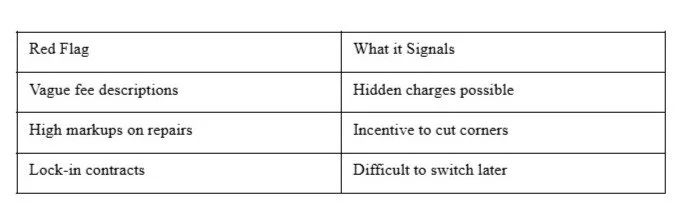
Don’t get caught off guard by unclear pricing. Sometimes what looks like a cheap deal hides a mountain of extra fees: markups on repairs, lease renewal charges, or surprise admin costs. Ask for a clear list of both management and extra fees. If a company hesitates to provide these or the contract language feels slippery, that’s a real problem.

Here’s a quick table showing red flags related to fees:
Spotting Lack of Market Expertise in Phoenix

Hiring a Phoenix property manager without local market knowledge can hurt your bottom line. If they don’t understand rental trends, legal requirements, or what tenants expect here, things can go sideways. Ask for proof they manage properties similar to yours in Phoenix, and quiz them on local rental laws and vendor networks.

  • Make sure the manager can give specific local references

  • Confirm they’re active in Phoenix neighborhoods

  • Ask about vendors and maintenance teams they use

Sometimes, the excitement of hiring a property manager leads to skipping over these checks. Taking the extra time now can absolutely save your Phoenix rental from hassle and lost profit later.

Remember, selecting a Phoenix property manager is more than picking the first name on a search list or the lowest price. Look out for poor communication, hidden fees, and missing Phoenix market experience—these are the classic red flags and pitfalls that trip up new and seasoned investors alike.

Conclusion

Picking the right property manager in Phoenix isn’t something to rush. There are a lot of companies out there, and each one does things a little differently. It helps to ask plenty of questions, check reviews, and see how they handle things like tenant screening, maintenance, and communication. Local experience matters, too, since Phoenix’s market can change fast. At the end of the day, you want someone who’s easy to reach, transparent about their fees, and genuinely interested in keeping your property running smoothly. Take your time, trust your gut, and don’t be afraid to walk away if something feels off. A good property manager can make owning a rental a lot less stressful—and maybe even a little enjoyable.



Investing Wisely in 2025: Insights from Las Vegas Financial Experts

Specialized Local Knowledge for Investors

A financial advisor in Las Vegas brings a local edge that’s tough to find anywhere else. They understand how the city’s fast-paced real estate market and unique job market can impact personal and business investments. If someone wants to make the most out of changing economic trends or casino-driven booms, they need someone who’s plugged in locally. In Las Vegas, a financial advisor knows the rhythm of the city and helps each client plan around it.

  • Las Vegas-specific tax rules

  • Seasonal investment opportunities

  • Local business growth trends

Benefits of Personalized Wealth Management

Working with a financial advisor in Las Vegas isn’t just about managing money—it's about crafting a strategy built around your lifestyle, ambitions, and family. Each plan is created after looking at specific needs. This means strategies are not just cookie-cutter but made to fit, whether the client owns a business on The Strip or works in pharmacy over in Summerlin. Personalized advice can go a long way in a place with as much financial diversity as Las Vegas.

Knowing that your strategies match your actual day-to-day could mean the difference between steady growth or missed opportunities.

Financial Advisors and Fiduciary Responsibility

People seek out a financial advisor in Las Vegas for the peace of mind that comes with fiduciary duty. Advisors have to act in their clients’ best interests, by law—no exceptions. This protects clients from risky behaviors or conflicts of interest. Advisors openly discuss fees and potential returns, so everything is transparent from the start.

Working with a financial advisor in Las Vegas means getting guidance that lines up with the client’s goals, no matter what’s happening in the bustling city around them.

Building a Resilient Investment Portfolio for 2025

Balancing Risk and Return in Volatile Markets

Keeping risk under control while aiming for solid returns is the main struggle for investors in 2025. Wild swings in the market are common now, which makes a steady approach critical. An investment portfolio today must balance safer options like bonds against higher-growth stocks or funds, all while allowing some cushion for sudden drops.

A well-built portfolio isn’t only about chasing the highest gains. Smart investors take time to check their personal risk comfort and adjust their holdings every few months. There’s no magic answer, but sticking to a plan and not panicking during rough patches can protect gains over time.

Investment advisors say it’s wise to match each part of your investment portfolio to different goals—short-term needs get safer spots, long-term growth gets the riskier assets. This mix helps ride out unpredictable markets with less stress and more long-term growth.

The Role of Diversification in Portfolio Success

Diversification is a classic rule, and in 2025 it’s as relevant as ever. Putting all your money in one spot, whether it’s a single company or one asset class, is risky. No one knows what’s coming next—so spreading things out is a simple way to keep your investment portfolio safer.

  • Splitting funds among stocks, bonds, cash, and new asset types

  • Holding investments both in the US and internationally

  • Mixing company sizes and industries in your stock picks

A table might help to visualize a basic diversified portfolio example:

This is just a starting point—real-life portfolios can look different based on age, goals, and tolerance for risk. Small business owners or those with variable income might add even more cash for flexibility.

Incorporating New Asset Classes like Cryptocurrency

New asset classes shook up traditional investing. Cryptocurrencies, for instance, have gone from a niche topic to a real part of many modern portfolios. While past years brought wild price swings, some investors are now using crypto for long-term growth potential and as a hedge against inflation.

But how much goes into these newer assets? Experts suggest keeping this part of your investment portfolio small—1% to 5% for most people—since prices can swing wildly. It isn’t about betting the farm. Instead, it’s about giving your portfolio a chance to grow in different ways, while always maintaining your main foundation.

Remember: Don’t risk more than you can afford to lose—no single asset, not even crypto, is a sure win. Staying diversified and balanced is what makes an investment portfolio truly resilient in changing times.

Key Financial Planning Strategies from Las Vegas Experts

No two investors are exactly alike, and that's even more obvious when talking to a financial advisor in Las Vegas. They know every dollar you put to work should fit your specific situation, not just what the headlines say. Success begins with a plan that breaks things down into manageable steps—so let’s get to those real strategies that Las Vegas experts recommend.

Setting Clear Financial Goals for Sustainable Growth

Start by picking clear targets. Knowing what you want your money to do in the next 10 years is half the battle. Las Vegas experts suggest writing down goals—retirement, a home, college funds, or something else—and putting real numbers next to them. This isn’t just wishful thinking; it’s tracking your progress, adjusting as life changes, and staying motivated when it’s tempting to quit.

  • Identify your most pressing financial needs and future wants

  • Assign a timeline and dollar amount to each goal

  • Review and adjust your goals yearly or during major life changes

Making your money work harder starts with a focused plan and regular check-ins.

Managing Debt Effectively Before Investing

An overlooked secret from Las Vegas financial advisors: tackle that debt first. Carrying credit card balances or high-interest loans eats away at returns faster than any good year in the stock market can fix. Step one is listing every debt, then targeting the highest interest rates first. Step two is automating extra payments where possible, freeing up resources to invest once you’re in the clear.

Here’s a simple table to track your debt reduction plan:

Clearing out high-interest debt opens up real investment opportunities without dragging returns down.

Tax-Efficient Approaches to Wealth Accumulation

Las Vegas experts always include tax planning in the conversation. They recommend spreading investments across different account types: tax-deferred accounts (like a 401(k)), tax-free accounts (Roth IRAs), and regular taxable accounts. Harvesting tax losses when investments drop can also soften the blow. For many, smart tax moves mean more money staying with you—not the IRS.

  • Use 401(k)s and IRAs to their full advantage

  • Consider a Roth conversion if your income allows

  • Keep an eye on capital gains and wash sale rules

A Las Vegas financial advisor will chart a course to grow your wealth, while keeping taxes low—this is one of their top financial planning strategies.

Investors who follow these financial planning strategies from Las Vegas experts are setting up their future for growth and resilience. Anyone can start with the right priorities, discipline, and by consulting a skilled financial advisor who gets the local market.

Navigating Retirement Planning with a Financial Advisor in Las Vegas

Retirement planning isn’t something most people look forward to until it’s almost here, but having a good financial advisor in Las Vegas changes everything. Advisors in this city get the local lifestyle and cost concerns, making it much easier to plan for those later years. Financial advisor in Las Vegas is a phrase that carries weight, since advisors here are used to dealing with fast-changing markets and unique regional needs.

Crafting Income Distribution Plans

When it comes to life after work, figuring out how to turn savings into a steady stream of income is where stress kicks in. A financial advisor in Las Vegas has experience turning confusion into clear steps—helping retirees decide when and how to tap investments, pensions, and savings accounts.

Here’s what a typical plan might involve:

  • Prioritizing which accounts to withdraw from first

  • Creating a withdrawal schedule that matches lifestyle needs

  • Adjusting for taxes and market changes

Don’t leave your retirement spending up to guesswork. A local pro has the tools to help you spend with confidence.

Maximizing Social Security and Pension Benefits

There’s nothing simple about Social Security and pension decisions. Financial advisors in Las Vegas show clients how to weigh the pros and cons of starting benefits earlier vs. waiting, which can change your monthly checks by hundreds of dollars. They can spot coordination points between pensions and Social Security to prevent overlap or missed opportunities.

Getting the timing wrong can mean leaving money on the table. Working with a financial advisor in Las Vegas means someone is in your corner, analyzing when and how to file.

Adapting to Longevity and Changing Needs

People are living longer. This isn’t just good news; it also means retirement plans need to last longer—sometimes 30 years or more. A financial advisor in Las Vegas watches for big life changes, making sure your investments and budgets can weather health expenses and lifestyle shifts down the road.

A few smart strategies include:

  1. Reviewing healthcare plans every year

  2. Updating budgets as needs change

  3. Checking for new sources of retirement income

Retirement isn’t a set-it-and-forget-it scenario. Staying flexible — with a little help — is often the key to long-term security.

Adapting to the Economic Climate in 2025

Responding to Changing Interest Rates

Interest rates have been on everybody’s mind in Las Vegas this year. Higher rates mean the cost to borrow is up—but that also opens the door for safer investments like bonds or high-yield savings. Savvy investors are watching the Federal Reserve closely to spot trends before the crowd moves. Smart moves now could mean bigger gains later. Trying to guess short-term changes rarely pays off; instead, locals are focusing on long-term goals and letting their plans do the heavy lifting.

  • Review adjustable loans or mortgages and consider locking in fixed rates

  • Rebalance portfolios to add fixed-income assets

  • Stay patient—interest rate cycles are part of investing

Opportunities in AI and Renewable Energy Investments

Las Vegas financial advisors are paying attention to where the money is flowing, and right now, AI and renewable energy are the hot tickets. Tech isn’t just for Silicon Valley—AI is reshaping everything from casinos to logistics. Clean energy projects are also picking up, as new policies and incentives drive investment across the Southwest. Even if you aren’t a tech guru, getting familiar with these sectors could set you up for strong returns if you act with care.

Here's a quick look at recent trends:

In 2025, finding new growth may just mean looking beyond what’s comfortable—sometimes the biggest jumps come from fresh sectors like AI or renewable energy.

Strategies for Uncertain Economic Conditions

Nobody has a crystal ball, and the economic climate in 2025 has plenty of twists. The trick is building flexibility into your plan. Las Vegas advisors urge clients to diversify, grow emergency funds, and keep some investments liquid. The economic climate in 2025 is unpredictable but manageable with a steady approach. Committing to regular check-ins with a financial expert can help people stay ahead of surprises, adjust as needed, and avoid selling off investments in a panic.

A simple checklist for uncertainty:

  1. Boost your emergency savings buffer

  2. Rebalance portfolios to avoid over-concentration

  3. Schedule quarterly financial reviews

By staying level-headed, Las Vegas investors are putting themselves in a good spot to handle whatever the year throws their way.

Safeguarding Your Legacy for Future Generations

When it comes to safeguarding your legacy, financial advisors in Las Vegas stress that a solid strategy can help keep your wealth in the family for years. Everyone wants to know their assets will continue to support their loved ones, even after they're gone. Avoiding common stumbling blocks now saves a headache later.

Integrating Estate Planning into Financial Strategies

Estate planning isn't just about a will—it's a mix of actions to direct your assets, set up trusts, and make sure all paperwork lines up with your goals. Local financial advisors often help families reshape these plans as needs shift.

  • Regularly review and update beneficiary designations

  • Consider setting up trusts for young or vulnerable heirs

  • Don’t just plan for "who gets what," but when and how

Safeguarding your legacy requires checking on these details every few years, as family circumstances and laws change.

Planning for Charitable Giving and Philanthropy

If giving back is important, it's smart to build it into your financial plan. There are simple and tax-friendly ways to support the causes you care about. In Las Vegas, experts often suggest:

  1. Donor-advised funds for flexibility

  2. Bequests in your estate documents

  3. Gifting appreciated assets like stocks for extra tax perks

A thoughtful plan lets your generosity last much longer than a one-time donation—and keep your values front and center.

Ensuring Wealth Transfer with Minimal Tax Impact

The big risk for families who want to safeguard their legacy? Taxes chipping away at assets meant for heirs. Financial advisors focus on tools that keep more in your family's hands—like annual gifts below IRS limits, trusts designed to minimize tax hits, and careful timing on asset transfers.

Here's an example of how tax-smart moves play out:

Paying attention to these strategies not only helps in safeguarding your legacy; it can also empower the next generation to benefit from your years of hard work.

In Las Vegas, financial advisors often remind their clients: planning isn't about yesterday's money—it's about the future you want to create for your family and community.

Conclusion

Investing in 2025 doesn’t have to feel overwhelming, even with all the changes happening in the economy. The financial experts in Las Vegas agree on a few basics: set clear goals, keep your investments spread out, and don’t rush into decisions because of short-term news. Whether you’re just starting out or have been investing for years, it helps to check in with a professional who understands your situation. Remember, small steps—like paying off high-interest debt or putting money into a steady savings account—can make a big difference over time. The most important thing is to stay consistent and keep learning. That way, you’ll be ready for whatever the next year brings.


New York Office Market 2025: Reinvention, Redevelopment, and Resilience

New York’s skyline has always mirrored its spirit, evolving, resilient, and impossible to ignore. In 2025, New York’s office market is in a moment of cautious resurgence and reinvention. What began as a cautious return to in-person work has transformed into a redefinition of what the workspace could, and should be.

From Hudson Yards to Brooklyn Navy Yard, companies are looking for spaces that are more than simply offices. They need to inspire collaboration, foster culture, and tell a story.

A Market Finding Its Balance

After several tumultuous years, confidence is gradually returning. Manhattan office leasing volume in early 2025 surpassed 30 million square feet, its strongest performance since before the pandemic. Vacancy, which once hovered near 20 percent, has tightened to the mid-teens. Midtown’s iconic towers are filling again, while Downtown’s creative corridors attract new industries.

The post-pandemic story is no longer about companies fleeing New York and shunning big city offices, in favour of home-working. Instead, it’s about finding smarter, more flexible ways to stay in The City That Never Sleeps.

Firms that once occupied sprawling floors haven’t left. Just modified. They are now combining high-spec headquarters with satellite hubs and coworking memberships, an agile “hub-and-spoke” model that keeps teams connected while reducing overhead.

Quality Over Quantity

Quality, ESG & Design-Driven Demand Tenants are chasing excellence. New stock such as 7 Hudson Square exemplifies what today’s occupiers want, efficient layouts, smart-building systems, natural light, and wellness-oriented amenities. LEED Gold standards, biophilic design, and tech-integrated security are now baseline expectations. 

Prime Midtown rents average $75–$85 per sq ft, with Hudson Yards regularly surpassing $100 per sq ft. By contrast, secondary Class B buildings are struggling unless repositioned with creative layouts or mixed-use elements. 

The Great Repositioning

With limited available land and shifting demand, rather than new construction, redevelopment is reshaping the office landscape.  Developers reinvigorating existing structures. At One Madison Avenue, SL Green’s overhaul introduced outdoor terraces, state-of-the-art ventilation, and flexible floorplates designed with hybrid teams in mind.

Nowhere is this transformation more dramatic than South Manhattan, where a former 1960s office block at 25 Water Street, once home to JPMorgan Chase and The Daily News has been reborn as SoMA at 25 Water.

After a two-year, $787 million redevelopment led by Metro Loft, Rockwood Capital, and GFP Real Estate, the 22-storey structure gained a ten-storey steel-framed addition and a completely re-imagined façade of floor-to-ceiling windows. Inside are 1,320 studio-to-three-bedroom residences, coworking lounges, recording and art studios, bowling lanes, pickleball and basketball courts, and even a salt-therapy room. Roughly a quarter of the units are designated affordable housing, making SoMA the first project to use the state’s 467-m tax exemption encouraging adaptive reuse of commercial property.

Architect John Cetra of CetraRuddy explained that the vision was “to create a vertical community with experiences that residents, and the neighbourhood couldn’t find anywhere else.” The result is a hybrid building that symbolises Lower Manhattan’s wider reinvention: offices giving way to homes, culture, and creativity.

Beyond Manhattan, adaptive reuse projects are revitalizing former industrial zones. The Brooklyn Navy Yard continues its rise as a creative-tech hub, while Long Island City and Gowanus are attracting media and production companies priced out of Midtown South. These redevelopments blur the line between office, studio, and experience space, a reflection of how brands now want to work and be perceived.

Flexibility Becomes the New Luxury

Flex space, once seen as a temporary solution, is now a permanent pillar of corporate real-estate strategy. Hybrid schedules, project-based teams, and a desire for agility have made coworking and managed offices a mainstay.

Operators like Industrious, WeWork, and The Venture X Group are expanding their footprints across Manhattan and Brooklyn, offering premium, turnkey environments with hospitality-grade service. Flexible memberships let tenants test submarkets before committing to long leases, an option especially appealing to start-ups and creative agencies.

For established firms, these spaces supplement HQs rather than replace them. Many corporate occupiers now combine flagship offices in Midtown with flexible suites in Soho or Dumbo to give staff choice and keep recruitment competitive.

Why Personal Training Is a Flexible Career Choice

Personal training offers unique career opportunities for individuals seeking a dynamic and adaptable profession. This field has grown significantly, allowing trainers to tailor their services to meet various client needs, preferences, and lifestyles. As fitness trends evolve and more people prioritize health, the demand for knowledgeable trainers continues to rise. Personal training is not merely about physical fitness. It encompasses nutrition guidance, motivation, and addressing emotional well-being. 

Growing Demand in the Fitness Industry

The fitness industry has seen a tremendous expansion over the last decade, with increasing awareness of health and wellness. Societal shifts have led to a surge in people prioritizing fitness, resulting in a higher demand for qualified personal trainers. 

This growth reflects an increasing public interest in health, recovery, and wellness. As people recognize the importance of maintaining a physically active lifestyle, personal trainers become important in helping them navigate their fitness journeys. Trainers facilitate workouts and provide accountability, education, and tailored programming, which clients need for success on their fitness paths.

Variety of Specializations

One of the most appealing aspects of personal training is the variety of specializations available. Trainers can focus on areas like weight loss, muscle gain, sports conditioning, senior fitness, or even rehabilitative exercise. This diversification allows personal trainers to carve out niches that align with their interests and expertise. Trainers who enjoy working with athletes can specialize in sports performance, helping clients achieve peak performance in their respective sports. 

Meanwhile, others can concentrate on chronic disease management or post-rehabilitation, supporting clients navigating complex health challenges. Further specialization is often necessary for these roles, and organizations such as the Brookbush Institute focus on providing structured curricula that equip trainers with advanced knowledge to address these specific client demands. These paths enable trainers to develop unique careers aligned with their expertise and passions, which is essential for defining a niche in the market.

Flexible Work Arrangements

The flexibility personal training offers is significant, appealing to many individuals seeking work-life balance. Trainers typically have the ability to set their schedules, allowing them to accommodate various professional and personal commitments. Many choose to work part-time or full-time, depending on their other responsibilities or goals. This adaptability enables trainers to manage their workloads effectively while still nurturing their passion for fitness. 

Personal trainers can work in diverse environments, whether in commercial gyms, private studios, or clients’ homes. Such variety enhances job satisfaction because trainers can create their ideal working conditions. This freedom can contribute to less stress and improved mental well-being, making personal training an attractive career option.

Building Strong Client Relationships

Personal training fosters unique opportunities for building strong personal relationships with clients. Unlike many traditional job roles, personal trainers engage one-on-one with individuals throughout their fitness journeys. This interaction creates bonds built on trust, motivation, and accountability. Clients often appreciate having a trainer who understands their personal goals and struggles, which can lead to better results. 

Establishing a collaborative relationship where clients feel supported and encouraged is important in helping them achieve fitness success. These strong connections can lead to lasting friendships and a strong referral base as satisfied clients share their positive experiences with others. This aspect of personal training strengthens the community and encourages a supportive environment for health and wellness.

Helping Others Achieve Their Goals

One of the most rewarding aspects of being a personal trainer is the ability to empower clients to achieve their health and fitness goals. Trainers play a significant role in guiding clients through challenges, celebrating achievements, and motivating them during setbacks. Each successful transformation, whether physical or mental, contributes to a sense of fulfillment for trainers. 

Witnessing clients develop confidence, strength, and resilience can be truly gratifying. Personal trainers can significantly impact clients’ lives beyond fitness, influencing lifestyles and attitudes towards health. This rewarding dynamic encourages many to pursue personal training as a meaningful career where they can make a difference.

Pursuing Continuous Education

Successful personal trainers recognize the importance of ongoing education in their careers. The fitness industry is constantly evolving, with new research, techniques, and trends emerging regularly. Staying informed allows trainers to provide the best possible services to clients. Many fitness professionals pursue advanced certifications and attend workshops to expand their knowledge and skills. 

This commitment to learning enhances their credibility and sets them apart in a crowded market. By actively seeking new ways to improve their training methods, personal trainers can continuously adapt to evolving client needs, ensuring they remain competitive and effective, enhancing their professional growth.

The personal training profession offers numerous opportunities for flexibility and fulfillment. Thanks to the growing demand for fitness professionals, specialization options, flexible schedules, and the chance to build meaningful relationships with clients, the field is particularly attractive. Personal trainers help individuals achieve their health goals while continually developing their own knowledge and skills, making it a rewarding career choice. This unique blend of personal and professional growth creates an enriching environment for both trainers and their clients.

Key Tips for Successfully Quitting Alcohol

Quitting alcohol is a transformative journey that many individuals embark on for improved health, relationships, and quality of life. It takes commitment, courage, and a well-thought-out strategy. Regardless of how long you’ve been drinking, deciding to quit is a significant step in favor of your well-being. As you navigate through this challenging process, understanding effective strategies for success can make a noticeable difference in your experience. The following tips provide valuable guidance for those looking to achieve sobriety and a healthier lifestyle.

Set Clear Goals

Establishing clear and measurable goals is crucial. Whether you aim to cut back gradually or quit entirely, you should pinpoint specific milestones to track your progress. Developing a timeline can help maintain focus and motivation, allowing you to celebrate small victories along the way. You could aim to reduce your drinking frequency by a specific percentage over a set number of weeks, creating a structured approach to your goals.

Having clearly defined objectives helps to build a roadmap for your journey. Periodically reassessing these goals allows you to make adjustments as needed, encouraging accountability. As people often feel lost without direction, a clear vision acts as a guiding star through the struggle of quitting alcohol.

Seek Professional Guidance

Taking the step toward quitting alcohol can be daunting, which is why seeking professional guidance is highly beneficial. Professionals such as counselors or therapists specializing in addiction can provide unique perspectives and coping strategies tailored to your situation. They can help unpack the emotional triggers that often accompany alcohol use, leading to a deeper understanding of your relationship with drinking.

Enrolling in a treatment program can be an excellent way to gain structure. Alcohol rehab facilities offer comprehensive programs that encompass medical, psychological, and social support resources, as folks behind Costa Mesa Alcohol Rehab explain. Engaging with professionals and support networks enhances your chances of permanent success.

Build a Support System

While the journey to sobriety is personal, having a robust support system is imperative. Surrounding yourself with understanding family, friends, or support groups can provide encouragement and accountability during the toughest moments. Open discussions about your goal to quit alcohol can forge deeper bonds with those who genuinely want to see you succeed.

Consider joining a local support group or online forums dedicated to sobriety. Sharing experiences with those on a similar path creates a sense of community that can make each hurdle feel more manageable. Support groups often share tools and coping mechanisms, broadening your perspectives and facilitating connection to others who understand the struggle.

Educate Yourself on the Effects of Alcohol

Knowledge is empowering, particularly when it comes to understanding the effects of alcohol on your body and mind. Recognizing the negative consequences can provide valuable insight and motivation to quit. Research studies indicate that excessive alcohol consumption can lead to significant health issues, including liver disease, cardiovascular problems, and mental health disorders.

By arming yourself with information, you strengthen your resolve and reaffirm your commitment to sobriety. Ongoing education about alcohol can help identify warning signs and triggers that can undermine your progress. Creating awareness around these elements is key to fostering a healthy lifestyle moving forward.

Find Healthy Coping Mechanisms

Finding new ways to cope with stress and emotional challenges is crucial when quitting alcohol. Many individuals turn to drinking as a way to escape or alleviate feelings of anxiety and sadness. Identifying healthier outlets like exercise, journaling, or engaging in creative pursuits can provide relief without relying on substances.

Regular exercise, for instance, has proven benefits for mental well-being. Activities like yoga or martial arts can additionally enhance your coping tools, providing a constructive approach to handling life’s challenges. It’s crucial to experiment with various techniques until you find those that resonate the most effectively with you.

Celebrate Your Progress

Acknowledging your achievements, no matter how small, can massively impact your motivation to stay sober. Celebrating milestones, such as a week or a month of sobriety, reinforces the positive changes you are making. This boosts self-esteem and helps keep you focused on your long-term goals.

Find meaningful ways to reward yourself, whether that involves treating yourself to a new experience, participating in a fun activity, or simply spending time with loved ones. Recognizing your progress reinforces the commitment to your sobriety and inspires you to continue down this positive path.

Prepare for Challenges

Even with the best preparations, challenges will arise on your journey toward sobriety. Life problems, celebrations, or social pressures can tempt you to drink. Preparing yourself for these situations by developing a plan to manage them is crucial. This can include practicing refusal skills or having an exit strategy for events where alcohol is present.

Remember that it’s entirely normal to face difficulties and setbacks. Instead of viewing them as failures, see them as opportunities to grow and learn. Having resilience and maintaining a proactive approach toward challenges will allow you to remain dedicated to your goal of quitting alcohol.

Successfully quitting alcohol involves a multifaceted approach encompassing mental fortitude, support systems, and ongoing education. By setting clear goals, seeking professional help, and fostering healthy habits, you can navigate your journey toward a healthier, alcohol-free life. Recognizing achievements and preparing for challenges will fortify your resolve, ensuring you can stay on this meaningful path.