What’s the Deal With Cash Offers? (Hint: They’re Not a Scam)

Thinking about selling your house fast? Maybe you've come across a sign on the street, a postcard in the mail, or an ad online saying something like, We buy houses for cash! Sounds a bit suspicious, right?

You wouldn’t be alone in feeling skeptical. The idea of someone offering to buy your house in cash no agents, no banks, and no waiting can seem too good to be true. But here’s the thing: it’s not a scam. In fact, for the right sellers, it can be a smart, strategic move.

So, what’s really behind these cash offers? Let’s dig into how they work, when they make sense, and what to watch out for.

Straightforward Deals Can Still Feel Confusing

Let’s start with what a cash offer is. A cash buyer is someone (an individual or a company) who can purchase your home without relying on a mortgage. That means they have the money available and ready to go.

Because there’s no lender involved, cash deals skip the usual red tape no appraisals, fewer contingencies, and way faster closings. In some cases, sellers get paid in as little as 7 days.

Still, there’s a lot of confusion because cash buyers usually don’t offer the full market value. That can raise red flags for homeowners who don’t understand the trade-off between price and convenience. In reality, you're exchanging a bit of profit for speed, ease, and certainty.

Not Just for Desperate Sellers

There’s a big myth that only desperate homeowners consider cash offers. That’s simply not true.

Yes, people facing foreclosure, divorce, or serious repairs often choose cash buyers to avoid the headache of listing on the market. But so do landlords tired of managing rentals, folks inheriting a house they don’t want, or people relocating for a job who don’t have time to wait months for a traditional sale.

For many, the appeal lies in selling as-is no cleaning, staging, or fixing things up. That’s a huge relief when you don’t have the time, energy, or money for renovations.

Who Are These Cash Buyers Anyway?

This is where skepticism creeps in who has thousands (sometimes hundreds of thousands) in cash just lying around to buy homes?

Cash buyers fall into a few categories:

  • Real estate investors who plan to renovate and resell (house flippers)

  • Buy-and-hold investors looking for rental properties

  • iBuyers (like Opendoor or Offerpad) using algorithms to make offers

  • Local home-buying companies with smaller teams but a more personal approach

One trusted name in this space is Integrity House Buyers, a company known for making fair offers and walking sellers through the process step-by-step. Working with someone reputable makes all the difference and helps avoid the rare bad apple.

Why the Offer is Lower Than Market Price

This part throws off a lot of sellers.

When you get a cash offer, it might be 70–90% of your home’s market value. That’s not because the buyer is trying to take advantage of you, it’s because they’re assuming all the risk and cost.

They often cover closing fees, don’t ask you to make repairs, and they hold the property until it’s ready to rent or resell. Their offer reflects what it takes to make the deal fast, simple, and profitable on their end too.

For some sellers, that trade-off is worth it. For others, listing with an agent might still be the better route. It depends on your goals.

Fast Timelines, Minimal Stress

One of the biggest draws of a cash offer is how quickly everything moves.

Traditional home sales can take 30-60 days (or longer) to close. Between showings, inspections, appraisals, negotiations, and waiting on lenders, it can feel like a marathon. And if the buyer’s financing falls through? You start over.

Cash deals often close in a week or two. Some even faster. And because you’re typically selling as-is, you skip the endless parade of strangers through your house and avoid paying for repairs or updates you’ll never enjoy.

Watch for These Red Flags

While most cash buyers are legitimate, there are a few warning signs to keep an eye on:

  1. Pressure tactics: A good buyer won’t rush or bully you.

  2. Lack of transparency: You should know who you're dealing with and how the offer was calculated.

  3. Requesting upfront payments: Legitimate buyers never ask sellers to pay money to close a deal.

  4. No written agreement: Always get everything in writing verbal promises don’t hold up.

Do your homework. Check reviews, ask questions, and don’t be afraid to walk away if something feels off.

It’s Not One-Size-Fits-All

Cash offers aren’t for everyone and that’s okay.

If your house is in great shape, and you’ve got the time to sell traditionally, you might get more money listing on the open market. Especially in hot housing markets, bidding wars can push the price higher than you expect.

But if time, convenience, or condition are a concern, a cash buyer can offer real relief.

Just know what you're trading and decide based on your needs not assumptions or fears.

Let’s Bust the Scam Myth Once and for All

Cash home buying has a reputation problem, but it’s largely undeserved. Are there shady players? Of course. But the industry as a whole serves a real purpose for real people.

If you approach it informed, ask the right questions, and work with trustworthy professionals, cash offers can be a win-win. They’re not a scheme or a trick, they’re just another tool in the modern real estate toolkit.

So next time you see one of those; We Buy Houses! signs, don’t roll your eyes. It might just be the perfect solution for someone who needs a clean break, fast.

Key Habits Experienced Drivers Follow to Avoid Crashes and Enjoy the Road Safely

Driving is an everyday activity for many, yet it carries inherent risks that can result in accidents. Skilled drivers develop certain habits that help them manage risks and navigate more safely. By understanding these habits, both new and seasoned drivers can improve their skills and confidence while driving for safer journeys. Let's dive into the essential habits that experienced drivers practice to avoid crashes and make road travel enjoyable and secure.

Know When to Hire Professionals

There are instances when seeking help from legal professionals becomes a necessity after an accident or personal injury on the road. Even the most experienced drivers can benefit from hiring legal professionals like Ramsey Law when faced with complicated accident scenarios. Find a knowledgeable attorney to manage the aftermath of crashes or claims. Seeking professional help ensures that drivers are adequately represented and that their rights and interests are defended.

A legal professional simplifies the aftermath of accidents and mitigates legal complications. Knowing when to ask for help is a habit for experienced drivers and allows them to maneuver through any challenges equitably and confidently. Drivers can reduce their chances of accidents by committing to responsible driving habits.

Main Focus on Defensive Driving

Defensive driving is a key habit among seasoned drivers. Be aware of other vehicles, pedestrians, and potential road hazards at all times. A defensive driver anticipates the actions of others and reduces the chances of an unforeseen accident. This approach can include maintaining a safe following distance, which allows for adequate reaction time if the vehicle in front stops suddenly.

Skilled drivers adjust their speed according to the road conditions so that they remain in control when faced with unexpected challenges. Educational programs emphasize defensive driving techniques and showcase how anticipating others’ actions can prevent collisions.

Stay Updated on Traffic Laws and Changes

Any driver needs a better knowledge of traffic laws to avoid accidents. Many drivers may not realize how frequently traffic regulations change and how these alterations can impact safety on the road. New speed limits, construction updates, and lane changes can create conditions that require readjustments in driving habits.

Regularly review local traffic laws to keep drivers informed and encourage compliance, reducing the risk of accidents caused by ignorance or misinterpretation of regulations. Understand rules regarding right-of-way or traffic signals to decrease accident rates. Experienced drivers participate in refresher courses that focus on current laws, reinforcing their commitment to safe driving practices. Keep abreast of local laws to build a safer driving experience for everyone on the road.

Utilize Technology for Enhanced Safety

Modern technology has made it easier than ever for drivers to increase their safety on the road. Advanced driver-assistance systems (ADAS) can alert drivers to potential hazards and provide features like lane departure warnings and automatic emergency braking. Many experienced drivers have incorporated these technologies into their vehicles to augment their skills.

GPS navigation systems plan routes and avoid congested areas that could increase the risk of accidents. Technology also extends to mobile applications that provide real-time weather updates and road conditions, allowing drivers to adapt their plans accordingly. By embracing technological advancements, experienced drivers improve their safety and improve their driving experience.

Maintain Vehicle Condition

Experienced drivers understand that consistent vehicle upkeep prevents potential malfunctions that could lead to accidents on the road. Regularly checking critical components—brakes, tires, lights, and fluids—can reveal issues before they become serious problems. Tire maintenance, as properly inflated tires improve fuel efficiency and provide better traction.

Keep the vehicle clean to maintain visibility, including cleaning windows and headlights regularly. Drivers follow a seasonal maintenance schedule, checking items that might be affected by changing weather conditions, such as wiper blades, before winter. Prioritize vehicle condition to safeguard against unexpected failures and allow for a safer driving experience.

Patience and Stress Management

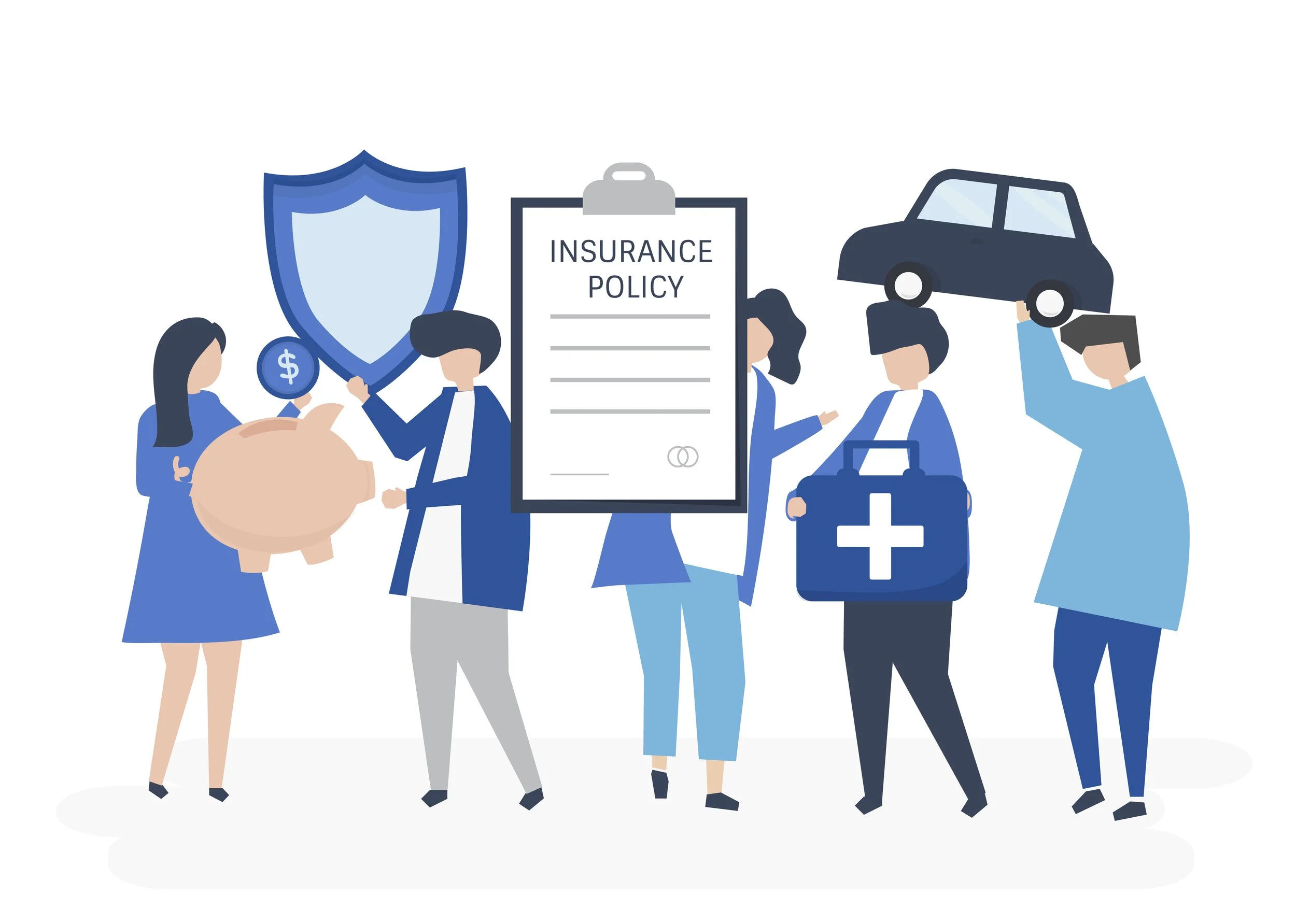
Emotions can impact driving ability, and seasoned drivers recognize this. Practicing patience and managing stress while driving can reduce the likelihood of rash decisions that lead to accidents. Traffic jams, road construction, or aggressive behavior from other drivers can all cause heightened frustration.

Experienced drivers embrace deep breathing or listening to calming music, allowing them to maintain composure in challenging situations. Engage in regular physical activity or mindfulness exercises off the road to improve a driver’s ability to handle stress effectively. By establishing a strong mental state, drivers are better equipped to make thoughtful choices in complex driving scenarios. Mindful driving creates a safer environment for the individual and all road users around them. Passengers might also feel more comfortable when drivers stay calm and collected behind the wheel.

A commitment to safe driving habits can impact the overall experience on the road. Seasoned drivers know that these techniques protect themselves and contribute to the safety of everyone on the road. By implementing defensive driving, staying updated on laws, and utilizing modern technology, individuals can actively minimize risks.

Maintaining their vehicle and practicing patience creates a harmonious driving environment. Understanding the implications of impairments may foster a responsible culture on the roads. A focus on ongoing education and self-awareness leads drivers to enjoy safer journeys.