Hidden Benefits Of Family Counseling: Rare Insights For Stronger Bonds

When most people hear family counseling, they imagine conflict resolution or crisis management. But what most people don't realize is that counseling can offer so much more than fixing what's broken. Beneath the surface, rare but powerful benefits have the potential to make your family stronger in ways you never imagined.

Family therapy opens the door to significant development beyond the therapy session, from forming healthier emotional connections to creating life-long communication skills. It’s more than just resolving conflicts. It’s discovering the ways that bring your family closer, even in the middle of everyday life.

These hidden benefits transform relationships so that families not just survive but prosper. In case you have wondered whether counseling can offer anything more than band-aid remedies, what you are about to learn next can change the way you do it in building strong relationships at home.

But first, what is family counseling? And why it is more necessary than you think.

Understanding Family Counseling

Most individuals have the wrong idea regarding counseling. Some consider it the last option to be attempted only when all else fails. The truth, though, is that family counseling is a healthy step toward growth and understanding.

It is a controlled setting in which all family members can communicate freely with the help of a neutral expert. Expert family counseling therapists assist the families in recognizing patterns, clarifying confusions, and adopting new and healthier ways of communication, not by accusing but by educating them about respect and compassion for one another.

Additionally, family therapy is not about repairing a "problem person." Family therapy addresses how the whole family operates as a unit, with an emphasis on teamwork and healing together.

Now that you understand family counseling, here are the hidden benefits of family therapy.

1. Enhancing Day-to-Day Communication Skills 

Furthermore, counseling helps families communicate better at a deeper level. It is easy to fall into the trap of superficial conversations, assumptions, or overlooking responses that create distance over time.

Therapists model and instruct skills like active listening, attention to nonverbal cues, and respectful use of language. These subtle shifts can make interactions more constructive and respectful.

With time, you will realize greater open communication within the home. People will feel more comfortable communicating, and there will be fewer misunderstandings, resulting in deeper emotional connections.

2. Constructing Healthier Conflict Resolution Mechanisms

Besides, every family has conflict, and it’s normal. What’s key is how the conflicts are handled. Without healthy tools, disagreements either blow up or stagnate.

Counseling delivers precise conflict-resolution skills. “I feel” statements or structured family dialogue reduce blame and defensiveness, rendering counseling a more serene forum for solving disagreements. As a result, tension is reduced, and conflict is transformed into a potential for growth instead of a divide.

3. Strengthening Emotional Ties

Similarly, family therapy also restarts emotional intimacy that is lost over the years. Because of work, school, and responsibility, it is easy to become emotionally disengaged, even among families that care for one another.

Therapists guide families through bonding exercises, reflective disclosure, and intentional interaction that awaken emotional bonds. This rekindled attachment brings warmth and trust back to everyday life. Even small increments of emotional intimacy can, over time, dramatically alter the dynamics of family life for the better.

4. Enabling Life Transitions and Changes

In addition, major life changes have a tendency to impact family stability. A divorce, a move, a job loss, or the arrival of a new baby can all change family dynamics in unexpected ways.

Family therapy provides a map throughout all of these transitions. It helps with adjustment, emotional processing, and building new patterns as a family. When families experience change together, they are less devastated and more resilient.

5. Healing Past Emotional Wounds

Equally significant, counseling can mend old emotional wounds within the family. Sometimes, past experiences such as loss, childhood trauma, or unspoken resentment still affect how family members relate to each other today.

Counselors walk with families in a compassionate manner through the process of facing and working through these events. It is not always comfortable, but the healing that can occur afterward can be amazingly powerful.

Following the work through ancient pain, the families typically experience a greater sense of peace and reconnection.

6. Creating a Safe Place for Vulnerability

Likewise, families also hold back deeper feelings for fear of being misunderstood. Counseling provides a safe, non-judgmental arena where vulnerability is welcomed instead of shunned.

As one member learns to be open and honest, others learn to empathize. This kind of emotional openness begets mutual trust, and future difficulties become more easy to overcome together. Vulnerability, when properly supported, becomes a strength instead of a weakness.

7. Empowering Families with Skills for Life

Interestingly, the beneficial effects of family therapy do not end after therapy sessions end. Communication skills, coping skills, and emotional skills learned are transferable to all areas of life.

Whether in friendship, romance, or the workplace, they make individuals good communicators, stress managers, and finer human relaters. Whatever is learned together as a family is a lifelong treasure for each person.

Wrapping Up

The subtle benefits of family therapy far outlast problem-solving. They set the stage for healthier, more satisfying relationships. From emotional intimacy and improved communication to increased insight and more lasting change, the rewards are unmistakable.

Whether your family is facing a problem or desires greater harmony in the home, counseling offers practical skills and insight that yield concrete results.

Take a step towards greater understanding, trust, and unity today. A stronger family starts with a single conversation, and counseling might be the door that gets it open.

Mini shed ideas: Small but effective backyard storage solutions

You approach the backyard in anticipation of relaxing and enjoying the fresh air. Instead of tranquility, you're met by tools lying all about the lawn, hoses wrapped around the fence, and cushions piled up in awkward corners. It's a common scenario for most householders.

Outdoor spaces have the propensity to become unorganized earlier than you think. Garages fill up, patios become dumping grounds, and before you know it, your backyard looks like chaos and not comfort.

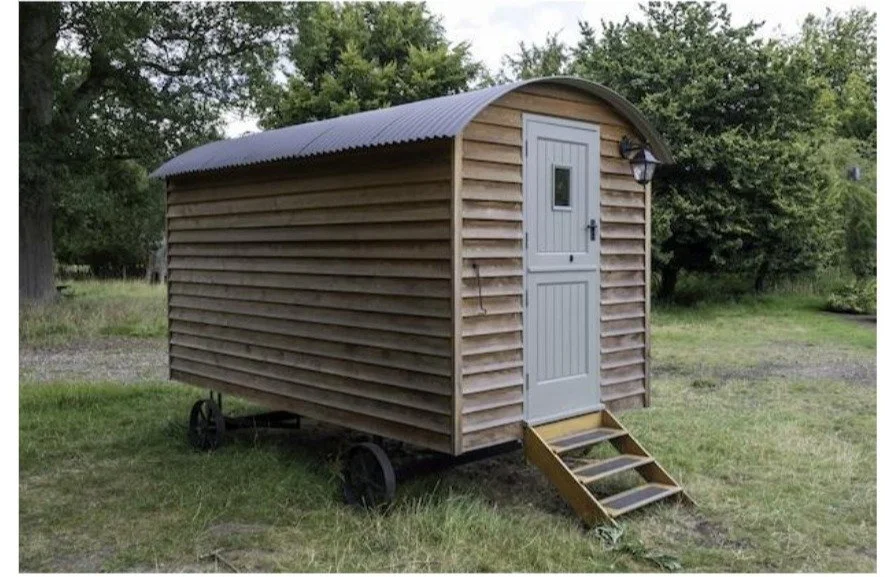
Fortunately, the solution need not be one of complete change. Mini sheds offer simple yet effective storage that gets you organized without taking up too much space. These small structures make a large contribution to storing your essentials tidily out of the way while enhancing the look of your backyard.

Here are some innovative mini-shed ideas that will allow you to reclaim your backyard, remain organized, and provide extra charm for your outdoor space.

Image source:

1. Find a Professionally Crafted Shed That Suits Your Style

First and foremost, selecting an expertly designed mini shed is critical. Well-made models provide function and form, allowing you to maintain order in your backyard without compromising style.

Whether you're storing gardening tools, seasonal decor, or even things like outdoor cushions, a well-built mini shed is a fashionable storage choice that will complement the overall look of your garden.

In fact, these thoughtfully designed sheds can enhance your outdoor appearance while keeping everything neatly stashed away.

2. Choose the Right Size for Your Space

Simply because you have a small yard does not mean you cannot have storage. In most cases, a small 4x6 or 6x6 shed usually has plenty of room for everyday needs.

Measure your area and the amount of storage you require before buying. That prevents you from buying one that's too large or too small. By scaling appropriately, you will maximize the use of your space without crowding.

3. Make the most out of Vertical Space

Also, since you have a small footprint that you must work within, vertical storage will become your new friend. Instead of piling everything on the ground, install shelves, hooks, and pegboards in the shed.

This setup not only optimizes the amount of open floor area but also makes everything accessible. From rakes to gloves, there's space for all without the mess. Therefore, your shed remains organized and functional even as the amount of things you need to store increases.

4. Consider Multi-Functional Storage Concepts

Alternatively, think beyond the simple storage. Mini sheds are adaptable spaces that you can customize according to your lifestyle.

For example, split your shed into two halves of garden tools in one half and the other half for a potting bench or hobby room. Others even turn sheds into small reading nooks or craft rooms. Doing so creates a space that brings value to your backyard in many ways.

5. Store Outdoor Furnishings and Seasonal Items Properly

Along the same lines, mini sheds are the perfect spot where patio furniture can be stored away when the seasons change. Chairs and cushions find room there if you plan. Even small grills have space.

Choose a shed with good ventilation and moisture resistance to protect items from mold or warping. Materials like resin or treated wood offer long-term durability. As a result, you prolong the life of your furniture and prevent expensive replacements.

6. Incorporate Your Shed into the Garden Design

A modest shed can beautify your landscape if selected well. Opt for a style that blends well with the exterior of your home and the overall landscape features.

For instance, the classic wooden shed with planter boxes and a roof covered in shingles will be charming in a cottage-themed landscape. Meanwhile, the metal shed will fit nicely into contemporary landscapes. Your shed, as such, is now a design element, not just a storage shed.

7. Opt for Modular and Mobile Storage Solutions

Also, being flexible while organizing a mini space is essential. Modular shelf units or mobile carts can change according to evolving storage requirements in the long run.

This makes you capable of reorganizing your shed according to the season or the activity you perform. Your storage is also effective and dynamic if you have a mobile setup. You can keep things within easy reach without overcrowding the interior.

8. Prioritize Functionality and Accessibility

Aesthetics aside, don’t overlook the functionality: How you plan on using the shed daily. Ensure the door is large enough to bring in and take out larger items.

Similarly, consider sliding doors or built-in lighting for added convenience. These small touches can make all the difference in your overall experience. Ultimately, good planning pays and spares you daily frustration.

9. Weatherproof for Long-Term Use

Yes, naturally, your shed will need to weather the climate. Sunlight, rain, and snow will degrade poorly made units. Use weather-resistant materials and seal the gaps with sealants so moisture and rot cannot seep in. Keeping the shed above the ground prevents water damage. In the long run, these measures protect the shed's structure and the items within.

10. Keep things simple and regular.

Even the most superior sheds require occasional maintenance. Fortunately, regular maintenance avoids bigger issues in the long term.

Seasonally clean the shed, check for damage or wear, and keep the containers labeled and in order. That way, you always know where everything is—and the shed stays in top condition. Little by little, these habits accumulate and make all the difference.

11. Look into Affordable and Durable Alternatives

Yes, budgeting counts and affordability does not always mean cheap. Many durable mini-shed models are functional without breaking the bank. You can also find good models online or in the seasonal clearance section at the garden store.

Alternatively, you can create one at home if you possess the skills and equipment. Either method does not require a big budget to gain long-term value.

Wrapping Up

Mini sheds prove that small things genuinely make a big difference. They keep you organized, protect your outdoor equipment from the weather, and give the overall appearance and functionality of the backyard a lift.

From housing gardening tools and patio cushions to storing patriotic hats and seasonal decor, these sheds bring order to your outdoor living space.

So what are you waiting for? If you are remodeling your garden or need a storage upgrade, take the time to explore your mini shed options.

With planning, you will discover no better way to make your backyard more peaceful and functional than the shed.

Preparing for Your Manhattan Move

So you’ve made plans to move to Manhattan, and you're especially excited about the opportunities the world's capital provides. This is entirely natural, and like most people moving into New York's heart, you'll likely find the reality even more exciting than the fantasy. You're also likely to find the process more challenging than you'd hoped for, but this is something you can learn to manage.

Accepting a Smaller Space

Unless you're an exceptionally lucky individual, the home you're looking at in Manhattan is likely going to be smaller than the one you already occupy. As reported by BusinessInsider.com, the median size of a modern Manhattan home is equivalent to about four-and-a-half parking spaces. Coming from a larger home, this can require significant physical and mental restructuring.

Physically, a smaller space means selling, discarding, or gifting anything you can't store or take with you. Mentally, less room can either be a real struggle or a non-issue, depending on the individual. If you're unsure how it will feel, commit yourself to a test run of a smaller home beforehand, via a service like Airbnb. You will likely adjust over time, but it's best not to completely shock the system.

Preparing Financially

Space being at a premium in Manhattan also means costs can be high. This means preparing yourself financially by securing an income stream ahead of time, and not rushing into the move before you’re ready. Having savings as a backup is a good start, with at least enough to support you for a few months in Manhattan.

If you have a home to sell, you should also ensure the selling process is complete before you head to Manhattan. This process can traditionally be challenging, but newer solutions like Sold.co.uk can help streamline the sale. These online services can help you sell in your own time frame with no hidden fees, giving you a quick and fair price for your property. Once you’ve sold your home, you don’t have to worry about completing paperwork from a distance, which can help reduce moving stress.

Learn the Local Hacks

New York is one of the most cosmopolitan cities in the world, as noted by PasteMagazine.com, and with this diversity comes community. One of the key parts of adjusting to Manhattan life is to connect with people who can offer life hacks and ideas to help you navigate the big city. Integrating yourself into your social community can provide a range of solutions to problems faced by others in your situation, so it shouldn't be overlooked. One way to do this is by joining local clubs and social groups.

The best overall advice we have for anyone looking to move to Manhattan is to be proactive. Consider the problems you've had where you live now, and search for solutions from others who have faced and overcome similar challenges. Prepare yourself, know what you're in for, and you could find yourself content for years among the 1.6 million other people who call the borough home.

7 Strategies To Save Up for a Down Payment on a Home

The journey to homeownership often begins with a significant milestone: saving up for a down payment. However, this crucial step can sometimes feel like an insurmountable mountain to climb. 

The good news is that various strategies and tools are available to help you inch closer to that dream, from assumable mortgage listings to homeownership assistance programs. Explore strategies and tips for saving up for your next home in this guide. 

1. Get Acquainted With Assumable Mortgage Listings

Assumable mortgages can offer substantial benefits to potential homebuyers. An assumable mortgage allows a homebuyer to take over the seller’s existing mortgage, subject to lender approval. This arrangement can benefit buyers as they can potentially snag a more favorable interest rate or terms than current market rates.

One key advantage of assumable mortgages is that they can assist homeowners in reducing their down payment, enabling buyers to step into homeownership more swiftly and economically. By exploring assumable mortgage listings, you may find an avenue that saves you time and financial strain, propelling you closer to owning your dream home.

2. Assess Your Financial Situation

Before saving for a down payment, you’ll need to honestly evaluate your financial standing. Take a deep dive into your income, expenses, debts, and existing savings. By analyzing these financial aspects comprehensively, you can set realistic savings goals that align with your current situation.

Identifying areas where you can cut costs, reduce unnecessary expenses, and optimize your spending habits will significantly boost your savings. Remember, the path to homeownership begins with a clear understanding of your financial situation.

3. Create a Budget That Works

Crafting a meticulously planned budget is a cornerstone of effective saving. Start by tracking your spending habits to identify areas where you can trim expenses and divert those funds towards your down payment goal. Prioritize your down payment savings within your budget and ensure it becomes a non-negotiable part of your financial plan.

A well-structured budget helps you monitor your progress and instills discipline and intentionality in your saving efforts. Through prudent financial management and strategic budgeting, you can achieve your homeownership aspirations.

4. Take Advantage of Employer Programs

Employer programs can serve as valuable assets in your quest to save for a down payment on a home. Many employers offer benefits that can aid in your financial goals, such as contributions to retirement funds or down payment assistance programs. 

These programs represent an opportunity to leverage employer assistance in bolstering your savings journey. By tapping into the resources provided by your employer, you can potentially accelerate your path to homeownership.

5. Prioritize High-Interest Debt Repayment

When saving for a down payment, prioritize the repayment of high-interest debts. High-interest debts can impede your savings progress and significantly impact your financial stability. 

Focusing on eliminating these costly debts first frees up more funds to channel toward your down payment savings. Strategically managing your debt obligations positions you on a stronger financial footing as you work towards achieving your homeownership dream.

6. Set Up a Separate Savings Account

Establishing a dedicated savings account earmarked for your down payment is a prudent step towards achieving your homeownership goals. A separate savings account keeps your down payment funds distinct and helps track your progress more effectively. 

You cultivate disciplined saving habits by directing a portion of your income into this account. This approach sets you up for success in accumulating the necessary funds for your down payment.

7. Monitor Your Progress and Adjust as Necessary

When saving for a down payment, monitoring your progress regularly is important. Keep a close eye on your savings plan, track your milestones, and adjust strategies as needed. Stay motivated by celebrating incremental achievements along the way. Flexibility and adaptability will help ensure that your savings efforts align with your home-buying objectives.

Making Your Dream Home a Reality

Saving for a down payment on a home is a significant financial undertaking that requires careful planning, diligence, and perseverance. By taking advantage of employer programs, prioritizing debt repayment, setting up a separate savings account, and monitoring your progress, you set yourself on a path toward achieving your dream of homeownership. 

Remember, the journey may present challenges, but with determination and strategic financial management, the keys to your future home could soon be in your hands. Start today, stay focused, and watch as your efforts turn into a home you can call your own.