Temporary Facilities: The Answer to Remote Workforce Housing Needs

Whether you manage construction projects, mining operations, oil rigs, or disaster response teams, your workforce needs safe, comfortable, and functional accommodations. Traditional housing solutions often fail to meet the demands of these remote projects due to high costs, logistical constraints, and the temporary nature of the work. Temporary facilities offer an efficient, scalable, and cost-effective alternative. These facilities can be deployed quickly, customized to meet specific needs, and removed or relocated once a project is complete. By investing in high-quality temporary housing, you not only improve employee well-being and productivity but also secure compliance with safety and labor regulations.

Cost-Effective Housing Solutions

Renting or leasing these facilities reduces upfront costs, allowing you to allocate resources more efficiently. Temporary housing minimizes maintenance and long-term upkeep costs associated with permanent buildings. Energy-efficient designs, modern insulation materials, and renewable energy options can reduce operational expenses. Renting or leasing temporary workforce housing reduces upfront costs, allowing you to allocate resources more efficiently while avoiding the financial burden of permanent infrastructure. When your project concludes, these units can be repurposed, sold, or relocated, preventing financial losses tied to underutilized infrastructure. 

Rapid Deployment and Scalability

Construction timelines for permanent structures can take months or even years, delaying operations and increasing costs. Temporary facilities can be installed within weeks, sometimes even days, depending on the size and complexity of the setup. This rapid deployment is crucial for industries that require immediate workforce accommodation, such as emergency response teams, military operations, or disaster recovery units. These facilities are highly scalable. If your workforce grows, additional units can be added seamlessly. If workforce numbers decrease, excess units can be removed or reassigned, making sure that you only pay for what you need. 

Comfort and Livability for Workers

Poor living conditions lead to fatigue, dissatisfaction, and higher turnover rates, which can disrupt operations and increase recruitment costs. Modern temporary housing is designed with worker comfort in mind, offering features like climate control, private rooms, communal spaces, and high-quality sanitation facilities. Some setups even include recreational areas, fitness centers, and dining facilities to make sure workers maintain a good quality of life. Advancements in modular housing technology allow for better insulation, soundproofing, and durable construction materials, making sure a safe and comfortable living environment. By providing workers with adequate housing, you foster a positive work culture, reduce health risks, and boost morale, leading to a more efficient and satisfied workforce.

  • Climate Control and Insulation: Workers in remote locations often face extreme weather conditions, from scorching heat to freezing temperatures. Modern temporary housing solutions include advanced HVAC systems and well-insulated walls to maintain a comfortable indoor climate, making sure that workers can rest properly after long shifts. 

  • Privacy and Personal Space: Long hours in demanding work environments make personal space a necessity rather than a luxury. High-quality temporary housing often includes private or semi-private rooms, allowing workers to have their own space for relaxation and personal time. 

Meeting Safety and Compliance Standards

Temporary facilities are designed to meet or exceed these standards, securing compliance with labor laws, fire codes, and health regulations. High-quality units feature proper ventilation, fire-resistant materials, emergency exits, and medical facilities, safeguarding workers in harsh or hazardous environments. Sanitation and hygiene play a critical role in workforce health. Temporary housing solutions include proper waste disposal systems, clean water supply, and well-maintained communal areas to prevent health risks and disease outbreaks. Choosing compliant, well-equipped temporary accommodations reduces legal liabilities and demonstrates a commitment to worker safety, protecting both employees and your organization from potential regulatory issues.

Environmental and Sustainable Benefits

Many modern units are built using sustainable materials, reducing waste and minimizing environmental impact. Prefabricated construction generates less debris than traditional building methods, and modular units can be reused or repurposed, reducing waste. Temporary housing can incorporate solar panels, energy-efficient HVAC systems, and water-saving technologies to lower overall energy consumption. Portable waste management and recycling systems make sure that remote operations leave minimal environmental footprints. By adopting sustainable temporary housing solutions, you increase corporate social responsibility, comply with environmental regulations, and reduce long-term operational costs.

Future Trends in Temporary Facilities

Smart technology integration is becoming more common, with features such as automated climate control, digital security systems, and remote monitoring increasing efficiency and comfort. The rise of modular construction techniques allows for greater customization, making sure that units can be tailored to specific industry needs. Advances in off-grid energy solutions, such as solar and wind power, are making remote housing even more sustainable. As technology continues to evolve, temporary housing will become more adaptable, efficient, and comfortable, solidifying its role as the best solution for remote workforce accommodation.

Temporary facilities provide the ideal solution for housing a remote workforce, offering cost-effective, scalable, and comfortable living conditions. These structures meet safety regulations, promote worker well-being, and align with sustainability goals. Whether your industry requires rapid deployment for emergency response teams or long-term accommodations for large-scale projects, temporary housing makes sure that workers remain safe, satisfied, and productive. Investing in high-quality, well-planned temporary facilities is not just a practical choice - it’s a strategic decision that benefits both employees and employers in the long run.

How to Make Your Home HVAC System Ready for the Spring Season

Spring is a season of renewal, and that applies to your home’s HVAC system too. As temperatures rise and flowers begin to bloom, your heating and cooling system needs a little attention to ensure it transitions smoothly from winter to warmer weather. Prepping your HVAC system in early spring can help you save on energy bills, prevent costly breakdowns, and maintain a comfortable indoor climate.

Your home’s Heating, Ventilation, and Air Conditioning system works year-round to keep you comfortable. During the colder months, it likely ran often to maintain warm temperatures. But as spring approaches, that same system will soon be switching roles, working to cool your home as temperatures rise. Just like you wouldn’t head out on a road trip without checking your car’s tires and oil, you shouldn’t kick off the spring season without making sure your HVAC system is clean, functional, and ready for the workload ahead.

A seasonal HVAC checkup isn’t just about comfort, it’s also about efficiency, safety, and long-term savings. Routine maintenance can help prevent unexpected breakdowns, improve air quality, reduce monthly utility bills, and even extend the life of your system. Here’s how to get your HVAC system ready for spring.

1. Replace or Clean Air Filters

One of the simplest yet most important things you can do is check and replace your air filters. Dirty filters restrict airflow, forcing your HVAC system to work harder and reducing its efficiency. Not only does this increase energy consumption, but it can also lead to poor indoor air quality, something you definitely don’t want as allergy season kicks in. Make it a habit to check your filters every month and replace them at least once every 1–3 months, depending on your system and filter type.

2. Clear and Clean Air Vents

Blocked vents and registers can affect how evenly your home heats or cools. Walk around each room and ensure vents are not obstructed by furniture, rugs, or drapes. Then, give them a quick dusting or vacuuming to remove any accumulated dirt or pet hair. Proper airflow throughout your home is crucial for consistent comfort and system efficiency.

3. Update Your Thermostat Settings

As the seasons change, so should your thermostat settings. Switch from heating to cooling mode and consider adjusting the temperature to suit springtime comfort. If you’re still using a traditional thermostat, this might be a good time to upgrade to a programmable or smart thermostat. These devices can automatically adjust your home’s temperature based on your schedule, helping you conserve energy and reduce utility costs.

4. Inspect and Clean the Outdoor Unit

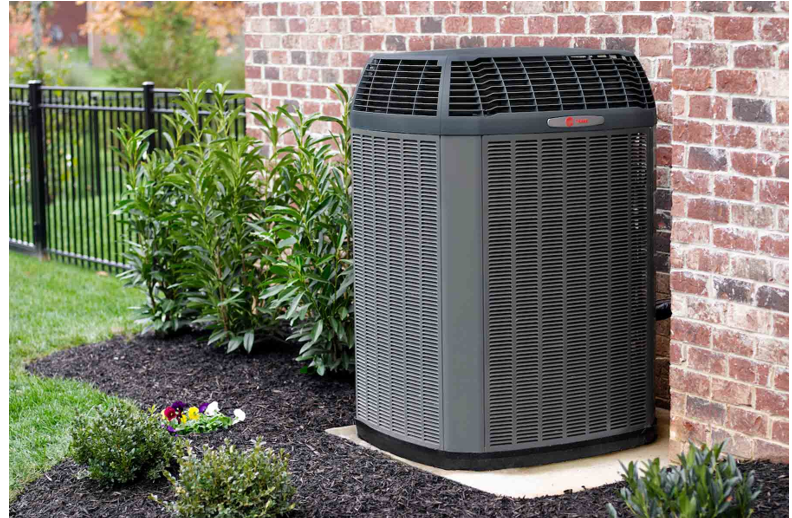
Your HVAC system’s outdoor condenser unit often gets neglected. Over the winter, leaves, twigs, and debris can build up around it, obstructing airflow and reducing efficiency. Gently clean the unit with a garden hose (not a pressure washer) and remove any plant growth within a two-foot radius. This ensures your air conditioning runs efficiently and avoids unnecessary strain on the system.

5. Schedule Professional HVAC Maintenance

Even if everything seems to be running fine, it’s wise to schedule a spring tune-up with a licensed HVAC technician. Professionals can spot minor issues before they become major repairs, check refrigerant levels, inspect electrical connections, lubricate moving parts, and make sure your entire system is functioning safely and efficiently. If your unit is more than 10–15 years old or showing signs of inefficiency, your technician may recommend a new air conditioning installation to improve performance and lower long-term costs.

6. Seal Leaky Ductwork and Insulate

Did you know that up to 30% of the air moving through your duct system can be lost due to leaks, holes, or poor connections? That’s a lot of wasted energy. Spring is an ideal time to have your ducts inspected and sealed. Adding insulation to your ducts, particularly in unconditioned areas like attics or crawl spaces, can also improve overall HVAC performance.

7. Test Your System Before the Heat Arrives

Don’t wait for the first sweltering day to discover your air conditioning isn’t working. Run your system early in the season and pay attention to how it performs. Look for weak airflow, unusual sounds, or strange odors. Identifying problems early can save you time, money, and discomfort when temperatures rise.

A bit of preventative maintenance in the spring can go a long way toward ensuring your HVAC system runs smoothly and efficiently throughout the warmer months. From cleaning filters to scheduling a professional inspection, these simple steps will help you stay cool, save energy, and enjoy a comfortable home this spring and beyond.

The Benefits of Configurable Software for Enterprise Home Care Agencies

Why Enterprise Home Care Agencies Need Configurable Software

As the demand for home care services continues to grow amid regulatory uncertainties, agencies of all sizes face challenges in maintaining healthy growth. One strategy that enterprise-level home care agencies are considering is service diversification to meet the diverse needs of clients. However, many of these agencies rely on home care software that only addresses some aspects of their operations, necessitating the use of multiple software solutions.

This approach results in significant operational inefficiencies:

Manual Workarounds: Relying on manual processes increases the risk of human error.
Duplicate Data Entry: Employees are burdened with unnecessary tasks due to repeated data input.
Data Silos: Fragmented systems complicate performance evaluations and impede communication.
Inconsistent Patient Data: Variability in records can lead to suboptimal care for clients.

The solution for enterprise home care agencies lies in utilizing one configurable home care software that incorporates a shared database to manage all home-based services. By allowing agencies to customize the software to fit their unique operational needs, CareVoyant enhances efficiency, profitability, and quality of care.

Top Challenges Facing Enterprise Home Care Agencies

When expanding service lines, enterprise home care agencies encounter several obstacles:

Data Silos: Using distinct software for various services results in inefficiency and a disorganized workflow.
  
Square Peg, Round Hole: Employing software designed for a single service across diverse offerings leads to operational challenges.
  
Manual Workarounds: Administrative staff often resort to manual processes to address data discrepancies, which can result in duplicate entries, scheduling errors, and inconsistent patient care.
  
EVV Requirements: Multiple software systems complicate compliance with state Electronic Visit Verification (EVV) requirements, potentially affecting claims and reimbursements.

Benefits of Configurable Home Care Software for Enterprise Agencies

Many home care agencies use a mixture of solutions, or they rely on one software that isn’t adaptable to their various service and payer requirements. The best home care management software for enterprise-level agencies includes the following features:

Configurable Intake Validations: Ensuring data completeness and accuracy to reduce claim rejections and improve quality of care.
  
Scheduling Validations: Maintaining compliance with authorizations, minimizing duplicate schedules, and enhancing overall productivity.
  
Clinical Validations: Ensuring the completeness and accuracy of clinical data, thereby reducing the time needed for quality assurance and clinical note completion.
  
Claims Configurations: Addressing different state or payer formatting requirements for various services.
  
Claims Validations: Identifying potential errors based on payer and service requirements before submission, which facilitates timely reimbursement.
  
Configurable EVV Software: Facilitating data transfer to state-designated aggregators and payers.

A unified software solution that manages all services and features in a single database eliminates data inconsistencies and operational inefficiencies. This approach provides field staff with a comprehensive view of clinical records, thereby enhancing care quality. Additionally, billing and financial decision-makers benefit from a consolidated view of financial records, which improves collections and revenue cycle management. Essential access to consolidated reporting functions allows administrators and managers to effectively analyze data and make informed decisions swiftly.

How Configurable Home Care Software Supports Agency Expansion

As enterprise home care agencies grow, they often find their outdated, inflexible software limiting their ability to expand services, add new payer types, and scale their operations efficiently. Many agencies contend with the complexities of managing multiple systems, resulting in data silos, inefficiencies, and compliance risks.

Configurable home care software, such as CareVoyant, helps eliminate these obstacles by offering a flexible and scalable solution that adapts to agencies' evolving needs without necessitating a complete system overhaul.

With a configurable system, home care agencies can scale operations effectively without switching software. Many agencies will initially adopt a software solution tailored to a particular service line (e.g., non-medical personal care). As these agencies diversify their offerings to include Home Health, Private Duty Nursing, and Home and Community Based Services, it becomes essential to employ a solution that accommodates multiple service lines efficiently.

Transitioning to a comprehensive, configurable home care software solution allows agencies to integrate all their services under a unified framework. This not only streamlines operations but also enhances the quality of care delivered to clients. Ultimately, agencies can focus on growth and service expansion, confident in their ability to adapt to the ever-changing landscape of home care services.

By leveraging a configurable home care software solution, enterprise agencies can effectively address the numerous challenges posed by service diversification, operational inefficiencies, and compliance requirements. CareVoyant stands out as a robust option for agencies seeking to improve their operational efficiency, enhance care quality, and ultimately support their business growth.

Elevate Your Adventure With 5th Gen 4Runner Roof Rack

If you enjoy spending time outside, or road trips, then maximizing your vehicle’s storage and functionality is essential. The Toyota 4Runner, especially the 5th gen model, is one of the best off-roading SUVs to drive over rough terrain and long trips.

But although trunk space in the 4Runner is adequate enough to hold some gear, it can quickly become cramped if you load it up to make long trips. 

This is where a quality roof rack can be helpful.

You can take your 5th Gen 4Runner to a new level of adventure capability with additional storage space, more organization, and mounting capacity to carry essential gear with a well-designed roof rack. Whether you have to move camping equipment, kayaks, or recovery gear, a roof rack enhances your vehicle’s versatility and streamlines your trips.

This guide will discuss the features and advantages of a 5th Gen 4Runner roof rack and why it is a game-changer if you enjoy spending time outdoors.

Features of 5th Gen 4Runner Roof Rack  

Below are some common features of a 5th Gen 4Runner roof rack; 

1. Durable Construction  

The 5th Gen 4Runner roof rack is built to weather extreme conditions and maintain long-term performance no matter where your adventure takes you. The roof racks are constructed using heavy-duty materials like steel or aluminum that can withstand heavy loads, rocky roads, and severe weather conditions.   

2. Modular Design  

The modularity of a 5th Gen 4Runner roof rack gives it immense versatility and allows you to design it to your specifications. 

Unlike fixed roof racks with single purposes, modular racks allow you to have it your way by allowing you to remove or add crossbars, side rails, and accessory mounts at your convenience. 

This versatility is especially convenient to those who spend time outdoors and participate in various outdoor activities. 

For example, if you’re heading out on a camping adventure, your roof rack can be designed to accommodate a roof tent. 

In addition, if you have extra space to store things on a road adventure, you can have your design changed to incorporate storage boxes.

3. Multiple Mounting Options  

The 5th Gen 4Runner roof rack is designed with several mounting points, allowing you to mount a variety of accessories to suit your adventure type.

Its versatility makes it a must-upgrade among users who need to carry roof tents, cargo boxes, recovery boards, fuel canisters, and bike racks.

Hence, with multiple mounting options, you can secure your equipment tightly without shifting while in transit.

Benefits of 5th Gen 4Runner Roof Rack 

The following are some benefits of a 5th Gen 4Runner Roof Rack. 

1. Increased Storage Capacity  

Among the best benefits of a 5th Gen 4Runner roof rack is that it provides additional storage space. The interior capacity of a 4Runner can quickly become full of passengers and equipment with little space to spare to store anything else. 

A roof rack solves this concern by allowing you to store heavy or bulky items on top of your vehicle while leaving interior space open, allowing you to have a more comfortable ride.

This extra space is especially handy for long road trips, overland trips, and camping. 

Therefore, instead of piling everything in the vehicle, you can neatly arrange everything on top of it so that there is still room for people and essential supplies.

2. Enhanced Versatility  

A roof rack enhances your 5th Gen 4Runner’s versatility by enabling you to load up your gear and equipment. 

As a camper, biker, skier, or kayaker, you can bring the equipment you’ll require to engage in your favorite outdoor activities with a roof rack. 

The ability to mount other accessories—such as bike racks, roof-top water containers, or cargo baskets—makes your 4Runner capable enough to adapt to other pursuits. This versatility allows you to make the most of your vehicle no matter your trip’s destination.

3. Better Organization  

A roof rack lets you keep your gear organized and easily accessible. Instead of piling everything into your trunk space, where it can become cluttered and difficult to access, you can store your gear neatly with a roof rack.

This improved organization makes it simpler to pack and unpack and reduces the risk of damaging equipment. Items that would otherwise be crushed or jostled around in the automobile can be stowed safely on top of it and arrive in good condition while traveling.  

4. Improved Off-Road Capability  

A 5th Gen 4Runner roof rack can boost your off-road capability by giving you room to store essential off-road gear such as recovery boards, spare fuel, and spare tires. Having such supplies while driving to remote areas can make a significant difference in enabling you to have a safe and successful trip. 

Beyond that, by redistributing some of it to roof space, you can load more evenly in the vehicle to enhance handling and stability on uneven terrain. The evenly weighted load enhances traction and overall performance while navigating challenging trails.

Wrapping Up

A 5th Gen 4Runner roof rack is a game-changer for adventure enthusiasts. It offers more storage space, versatility, and off-road capability. Its durable construction, modularity, and mounting versatility make it a top addition for anyone who wants to unlock their 4Runner’s full potential.

Whether you’re driving cross-country, venturing off-road, or merely seeking a hassle-free means of transporting your equipment around, a roof rack is your best bet. Purchasing a top-of-the-line 5th Gen 4Runner roof rack will have you reaching new heights with the assurance that you’ll always be ready to face whatever you encounter.