The Top Benefits of Radiofrequency Microneedling: What You Need to Know

When it comes to achieving youthful, glowing skin, radiofrequency microneedling is taking the beauty world by storm. Combining the power of microneedles with radiofrequency energy, this innovative treatment dives deep into your skin, targeting common concerns like wrinkles, acne scars, and uneven texture. The best part? It’s minimally invasive and delivers long-lasting results.

If you’ve been searching for a way to boost your skin’s health and appearance without surgery, this could be the game-changer you need. Whether you're looking to tighten, rejuvenate, or simply enhance your natural beauty, radiofrequency microneedling offers a host of benefits that will leave you glowing from the inside out. Let’s explore the top six reasons this treatment is worth the hype.

Boosts Collagen Production for Firmer, Youthful Skin

Radiofrequency microneedling works wonders by stimulating collagen production deep within your skin. Collagen, the protein responsible for skin elasticity, tends to deplete as we age, leading to sagging and wrinkles. This treatment triggers a natural healing response, encouraging the growth of fresh collagen and elastin fibers. Over time, you’ll notice firmer, smoother skin that appears rejuvenated and youthful. 

Unlike surface-level treatments, radiofrequency microneedling targets deeper layers, delivering more effective results. It’s particularly beneficial for areas prone to laxity, such as the jawline or neck. By improving skin elasticity, this treatment helps you reclaim that radiant, plump complexion you’ve been missing.

Reduces Fine Lines and Wrinkles with Precision

Fine lines and wrinkles are often the first signs of aging, but radiofrequency microneedling provides a powerful solution. By creating controlled micro-injuries and applying heat via radiofrequency, this treatment smooths out creases and wrinkles from within. 

The process tightens the skin and boosts cellular turnover, helping to soften crow’s feet, laugh lines, and other signs of aging. For instance, you can seek advanced Morpheus8 services to address stubborn wrinkles and achieve smoother, younger-looking skin with minimal downtime and maximum effectiveness. Unlike creams or serums that only target the surface, this procedure reaches the underlying layers for long-lasting improvements. 

Improves Skin Texture and Minimizes Acne Scars

Uneven skin texture and acne scars can be challenging to treat, but radiofrequency microneedling offers a breakthrough solution. The combination of microneedles and thermal energy promotes new tissue growth, reducing the appearance of scars and creating a smoother surface. It’s especially effective for pitted scars left by severe acne, as the treatment penetrates deep enough to remodel the damaged layers. 

Over multiple sessions, skin texture becomes more even, giving your face a polished, refreshed appearance. Additionally, the increased collagen production helps fill in depressed scars, making them far less noticeable. This dual-action approach makes radiofrequency microneedling a go-to option for scar reduction.

Tightens Loose Skin for a Contoured Appearance

If you’re struggling with loose skin on your face or body, radiofrequency microneedling is a game-changer. As the microneedles penetrate the skin, the radiofrequency energy heats the deeper layers, triggering immediate skin tightening. Over time, the production of collagen and elastin further enhances the lifting and tightening effects. 

This treatment is ideal for areas like the jawline, cheeks, and neck, where sagging is most noticeable. Beyond the face, it can also tighten loose skin on the abdomen, thighs, and arms, offering a non-surgical alternative to invasive procedures. With its ability to restore definition and firmness, it's perfect for those seeking a more sculpted appearance. As part of making a well-informed decision, many people also choose to consult with a reputable Med Spa In Meridian ID, or elsewhere to determine if RF microneedling is the right option for their skin goals.

Minimizes Pores for a Smooth, Airbrushed Look

Large pores can detract from an otherwise flawless complexion, but radiofrequency microneedling offers a solution. By stimulating the skin’s natural repair process, this treatment tightens pores, making them less visible. As collagen production increases, the skin becomes smoother, and pore size diminishes significantly. 

This benefit is particularly noticeable in areas like the nose and cheeks, where enlarged pores are common. Unlike topical treatments that only provide temporary fixes, radiofrequency microneedling addresses the root causes of enlarged pores. The result is a smoother, more refined complexion that looks effortlessly radiant—almost like an airbrushed effect in real life.

Enhances Absorption of Skincare Products

One lesser-known benefit of radiofrequency microneedling is its ability to boost the efficacy of your skincare products. The microchannels created by the needles temporarily increase skin permeability, allowing serums, moisturizers, and active ingredients to penetrate deeper. This means your post-treatment skincare routine becomes even more impactful, delivering nutrients to the layers of skin that need them most. 

Additionally, the improved skin texture and hydration help maintain the results of the treatment over time. Whether you’re using anti-aging serums, brightening creams, or hydrating masks, this enhanced absorption takes your skincare game to the next level, maximizing your investment in self-care.

Incorporating radiofrequency microneedling into your skincare routine offers a wealth of benefits, from boosting collagen production to reducing the appearance of fine lines, acne scars, and large pores. This non-invasive treatment promotes smoother, firmer, and more youthful skin, with long-lasting results that improve over time. Whether you’re seeking to tighten loose skin or enhance the absorption of your favorite serums, radiofrequency microneedling provides an effective solution for a variety of skin concerns. If you’re ready to revitalize your skin and achieve a glowing complexion, this treatment is worth considering for your skincare journey.


How to Spot the Signs Your Outdoor Areas Require Repairs Post-Storm

Severe storms can wreak havoc on your outdoor areas, leading to potential damage that may be unnoticed at first glance. Identifying these signs is crucial for maintaining your property and ensuring its longevity. Homeowners often overlook certain aspects that could point to underlying issues, thus delaying necessary repairs. Recognizing visible indicators of damage helps prevent further deterioration and saves you money in the long run. Knowing when to call for professional help can make a significant difference. This guide highlights several signs to look out for after a storm to determine if your outdoor areas are distressed and need prompt attention.

Visible Signs of Roof Damage

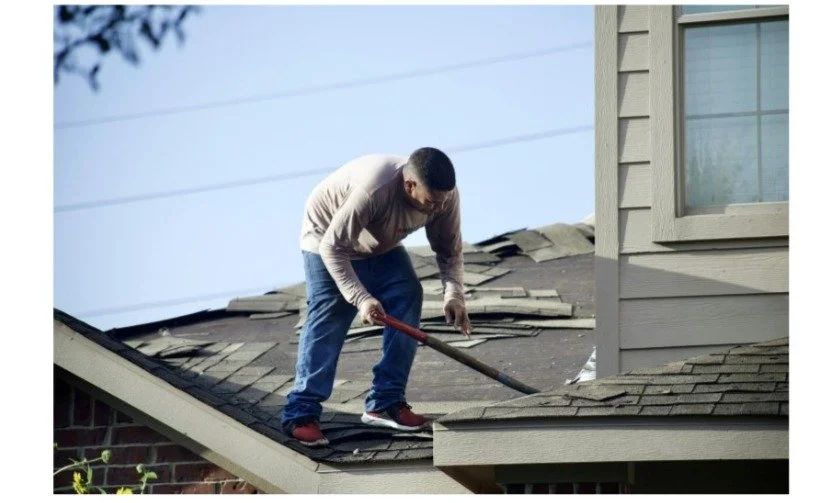
Your roof is one of the most critical areas to inspect after a storm. Look for missing shingles, which can expose the underlying layers to moisture and further storm damage. Water stains on ceilings or walls inside your home can indicate leaks stemming from roof damage. Be cautious of granule loss from asphalt shingles, as this signifies wear and tear. If you suspect any damage, seeking residential roofing services is advisable to diagnose and remedy the situation effectively. Engaging with reputable roofers ensures you receive an accurate assessment of your roof's condition and repair recommendations. Early intervention can prevent extensive and costly repairs, so don't hesitate to ask for assistance.

Checking the Gutters and Downspouts

After a storm, gutters and downspouts can accumulate debris such as leaves, branches, and dirt, leading to clogs. This blockage can cause overflowing gutters, damaging the siding, landscaping, or even your foundation. Inspect the gutters for signs of sagging or separation from the house, indicating water damage or poor installation. Clear them out thoroughly, and if you notice any cracks, consider repairing or replacing them. Properly functioning gutters channel water away from your home, safeguarding it from potential water damage. Regular maintenance of these components extends their lifespan and preserves your home's structural integrity.

Examining Windows and Doors

Windows and doors are often the first line of defense against the elements; storms can take a toll on them. After severe weather, inspect for any cracks or broken seals around windows. Damaged weather stripping can lead to water infiltration and damage interiors and insulation. Open and close doors and windows to check if they stick or have shifted out of alignment, which could suggest frame damage. Condensation between window panes can indicate seal failure, necessitating replacement. If you notice any significant damage, consult professional services to assess whether repairs will suffice or if a replacement is necessary. Investing in quality windows and doors can enhance energy efficiency and protect against future storms.

Inspection of Driveways and Walkways

Another area that may require attention post-storm is your driveway and walkways. Heavy rain and flooding can cause cracks and surface erosion. Assess the driveway for potholes, cracks, or crumbling edges; these can worsen over time if not addressed promptly. Walkways should also be checked for uneven surfaces, which can present tripping hazards. Filling cracks and repairing damaged areas is essential to avoid further deterioration and ensure safety. If significant damage is found, consulting with paving professionals may be necessary. Regular maintenance improves aesthetics and functionality, making your outdoor space more enjoyable.

Surveying Landscaping and Fencing

Storms can also have a severe impact on your landscape and fencing. Check for fallen branches, uprooted plants, or damaged trees, as lingering debris can pose liability risks. Assess the condition of wooden fences, looking for broken panels or posts that may require repairs or replacement. Moreover, soil erosion can occur after heavy rains, jeopardizing your garden's health and stability. Plant resilience can differ, so pay attention to how your plants react following a storm and provide necessary care. Well-maintained landscaping enhances your property's curb appeal and can increase its value. Early intervention helps ensure that your outdoor areas remain beautiful and functional.

Recognizing Structural Damage

After any severe storm, evaluating the overall structure of your home and outdoor areas is essential. Look for signs of water damage, such as stained walls or soft spots on wooden surfaces. Foundations can also be compromised due to heavy rain and flooding, leading to cracks or shifts. Be vigilant for any signs indicating underlying issues, and do not hesitate to investigate further if you notice anything unusual. Calling in a structural engineer may be necessary to perform a comprehensive assessment. Protecting the structural integrity of your home extends beyond mere aesthetics; it ensures the safety and stability of your living environment.

Recognizing and addressing the damage to your outdoor areas after a storm is crucial for maintaining the integrity of your home. From visible signs on your roof to assessing your landscaping, being proactive can save you time and money. Engaging professionals to handle repairs effectively is vital for the safety and longevity of your property. Prioritizing regular maintenance and enhancements will keep your home safe from future weather events and ensure it looks great year-round.

Innovative Packaging Ideas to Boost Your Brand’s Marketing Strategy

Crafting a compelling marketing strategy in today's competitive landscape requires creativity and ingenuity. Packaging has a crucial role in this process. A well-designed package protects the product and acts as a silent salesperson. Innovation in packaging can enhance brand visibility and make a lasting impression on customers. Moreover, incorporating elements that reflect your brand's values and mission can resonate with target audiences. As companies strive to differentiate themselves, unique packaging ideas can provide that competitive edge.

Creative Packaging Solutions

Branding goes beyond just the product; it encompasses the overall customer experience from the moment they look at your packaging. Consider utilizing clear packaging that allows customers to see the product inside. This kind of transparency can often build trust and intrigue. Additionally, using biodegradable or recyclable materials shows a commitment to sustainability that appeals to eco-conscious consumers. 

Another pivotal idea is to adopt unique shapes and sizes that stand out on shelves. Considering Personalized Cannabis Jars can be a game-changer for cannabis businesses. These jars not only cater to the specific needs of the products but can also be customized to reflect brand identity. Using vibrant colors and high-quality finishes can draw attention immediately and evoke various emotions associated with your brand. Participating in seasonal packaging changes can further entice customers and encourage repeat purchases. Ultimately, innovating your packaging can create a memorable experience that fosters brand loyalty.

  • Interactive Packaging Experiences

Enhancing consumer engagement through interactive packaging can create unforgettable experiences. This approach targets a modern audience that is drawn to innovation and fun. QR codes can be included to lead to unique online content, such as tutorials, recipes, or even games. Furthermore, incorporating augmented reality features can elevate the customer experience, allowing consumers to engage with the product in new ways. 

Another example is packaging that transforms for additional use, adding value after the initial purchase. Creating a memorable unboxing experience often encourages consumers to share their positive experiences on social media, thus promoting the brand organically. Additionally, incorporating tactile elements, like textured surfaces or interactive elements, can make the packaging memorable and engaging.

Eco-Friendly Packaging

The rising awareness of people on environmental issues has led consumers to prefer brands that prioritize sustainability. Eco-friendly packaging options, such as compostable materials and reduced plastic use, communicate a brand's commitment to environmental responsibility. Brands can leverage this trend by designing packaging that is not only sustainable but also very aesthetically pleasing. 

For instance, packaging incorporating recycled materials can tell a compelling story about brand values while maintaining style and functionality. By addressing sustainability, a brand attracts eco-minded consumers and stays ahead in a market that increasingly values corporate responsibility. Integrating these practices into your packaging strategy establishes a positive brand image that can often lead to increased customer loyalty.

Utilizing Limited Editions and Collaborations

Limited edition packaging can evoke a sense of urgency that drives sales. Collaborating with artists, influencers, or other brands to create unique packaging designs can attract new customers. Such energy can reinvigorate interest in established products, making them feel new and exciting. Seasonal packaging changes like holiday-themed designs can further boost visibility and drive purchases. Additionally, limited editions encourage collectors, creating a dedicated fan base actively seeking out rare items. By combining storytelling with appealing visuals, brands can effectively engage consumers while enhancing the perception of exclusivity. These strategies improve sales and enrich brand associations with creativity and novelty.

Personalized Packaging Options

Modern consumers value personalization, making offering packaging that reflects individual identities crucial. Customized packaging can include personal messages, names, or unique designs relevant to customers' tastes, capturing their attention more effectively. This trend has proven successful in various industries, providing a way to enhance customer relationships. 

Creating a sense of ownership through personalized packaging can increase brand loyalty and repeat purchases. Furthermore, data analytics allows brands to tailor packaging according to demographic insights, ensuring relevance. Offering a range of customizable options for consumers can differentiate your brand within competitive marketplaces. Ultimately, this personalization trend allows for deeper connections with customers.

Innovative packaging ideas are essential for brands aiming to enhance their marketing strategies. From exploring creative solutions and eco-friendly practices to engaging customers with interactive experiences, the possibilities abound. Limited edition collaborations and personalization offer channels to connect with audiences more profoundly. Brands that harness these trends can increase visibility, foster loyalty, and drive sales. Offering unique packaging experiences is not just about aesthetics; it's about developing a narrative that resonates with consumers and reflects brand values. As the market evolves, investing in innovative packaging will remain a significant aspect of marketing strategies.

Funky Gadgets The Slash Weekly Gardening Duties To 5 Minutes Or Less

Imagine if you could do all your gardening in less than five minutes a week. 

Well, it might be possible. These days, all sorts of technologies are becoming available. And they’re promising the world. 

So, what are we talking about specifically? 

That’s what this post explores. It looks at the most exciting gadgets out there and how they can help you reduce the amount of time you’re in the garden so you can focus on the rest of your luxurious lifestyle

Here’s everything you need to know: 

Garden Robots

Starting with perhaps the most innovative of all, these days you can get actual garden robots. 

No, we’re not quite talking human level yet. But the technology is certainly advancing. 

For example, Boston Dynamics has a robot called Spot that is helpful in the garden. It can collect options, pick up tools, and sometimes weed with a few tries. 

Then there are less extravagant robots that look like Roomba. These are handy when you have a large lawn and just want a machine to manage it. Robots can do all sorts of things, from cutting the lawn to fertilizing, watering, and weeding. 

Of course, these robots still require some management. But many can return to their stations and self-charge, or adopt schedules of their choice. This means that the amount of work you have to put in is nearly nothing. 

Hydroponic Garden Towers

Hydroponic garden towers are another area worth exploring. These are ideal for growing herbs, veggies, and flowers (and saving money on shopping bills). 

Hydroponics like these are best for cramped spaces. But anyone who wants a vertical green effect can also use them. 

The nice thing about hydroponics is that they water and fertilize themselves. Systems just get on with the job after you set them running. 

Furthermore, hydroponics doesn't require you to carefully monitor your herbs and shrubs like conventional raised beds. These systems are experts at delivering nutrition at precisely the moment the plants need it. 

These days, you can find dozens of hydroponics options on the market. There’s no shortage of companies making them. 

Leaf-Collection Gadgets

Leaf-collection gadgets are another tool worth using. These make the fall months so much easier, reducing the amount of time you have to spend clearing up tree fall. 

Numerous brands, like WORX, make these products. But how do they work? 

Many of them connect to a conventional vacuum. All you need to do is make your way around your garden, collecting leaves and dumping them into the internal bag. 

Some leaf collectors also have compaction functions that turn garden waste into handy bales. These are useful if you want to reduce volumes while providing feedstock for your compost heap. 

App-Enabled Sensors

Pexels - CC0 License

Sensors can also play a role in reducing the amount of time you spend in the garden. These devices track all sorts of metrics, ensuring that plants remain in an optimal environment. 

Sensors can measure things like the soil moisture and pH, telling you when you need to water or add chalk. They can also measure the heat so you know when to cover plants and even specific nutrient statuses. 

What’s more, they’re not particularly expensive. Most sensors are just a few bucks, meaning you can put them everywhere. 

Once sensors are in the ground, the next step is to connect them to your WiFi. This way, you can get the most recent data and respond to notifications on your devices that you need to do something (i.e. water plants). 

Weed-Zappers

Then there are weed-zappers, something gardeners have been dreaming about since time immemorial. 

A weed wacker can work in different ways. Some use AI to scan areas of shrubs or grass for weeds and then burn them using electricity or gas. Many avoid the use of chemicals that can pollute surrounding areas. 

Efficient and environmentally friendly weeding is also part of their job. Many of these devices run on battery power or sometimes get their energy from the sun. They search your garden for weeds while you’re out at work, allowing you to focus on being productive (instead of having to bend over all the time)> 

Robot Lawn Mowers

Robot lawnmowers are perhaps the ultimate example of luxury gadgets that massively reduce the amount of time you have to spend in the garden. These cut grass to the ideal length for you, so you don’t have to go out with a mower and do it yourself. 

Today’s robot mowers are becoming more advanced and better able to avoid obstacles in their paths. They aren’t quite perfect, but if you have a simple lawn layout, they should be able to do the job without any intervention, and then return to their charging station, ready for the next mow. 

If you don’t fancy a robot cutting your lawn, you could get a ride-on mower. Again, these reduce the amount of time it takes to cut the grass while also making the experience more fun for you. 

Smart Irrigation Systems

Watering your garden is a massive time-consumer. You just want to get it out of the way, but it seems to take so long. 

That’s where smart irrigation systems can help. These do the watering for you (once you install them), allowing you to sit back and put your outdoor areas on autopilot. 

Irrigation systems are essentially long tubes with holes in them connected to water supplies. When the water is on, the irrigation system starts to spray water over plants that need it. 

The great thing about modern real estate irrigation is how smart it is becoming. Today’s systems can water according to plants’ needs using onboard sensors that check soil nutrient and water levels. 

Furthermore, many of these systems are controllable by an app. You can adjust watering levels on your phone, no matter where you are, even if you’re in another country. Irrigation systems ensure that your plants stay looking their best, even when you aren’t there. 

So there you have it: some funky gadgets you can use to slash weekly gardening duties to five minutes or less. 

The Timeless Charm of Playing Cards: History, Games, and Collecting Tips

Key Takeaways:

  • Discover the rich history of playing cards and their cultural significance.

  • Learn about popular card games and strategies to improve your gameplay.

  • Explore the art and nuances of collecting playing cards.

Playing cards have been a significant source of entertainment for generations, providing endless opportunities for games, tricks, and storytelling. Their simple yet ingenious design reflects the culture and craftsmanship of their time, making them a staple for family gatherings, social events, and professional competitions.

For centuries, playing cards have captivated the imaginations of people across the globe. They offer a versatile playground of skill, chance, and strategy, from casual gatherings to competitive tournaments. These ubiquitous pieces of printed cardboard harbor a world of history and creativity, inviting players into their fold. As you explore the timeless charm of playing cards, you'll uncover stories of their origins, the diversity of games they inspire, and the art of collecting custom game cards that showcase each deck's unique allure.

The History of Playing Cards

Playing cards, originally from ancient China, made them European. They marked the late 14th century, showcasing societal, technological, and aesthetic changes and becoming an integral part of parlor games.

As playing cards spread through Europe, they underwent various local adaptations, with suits and designs reflecting regional art and social strata. The standardization of the 52-card deck evolved from this diversity, giving us a format that millions recognize and use for recreation and gambling today.

Popular Card Games and Their Strategies

Card games like poker and bridge are popular due to their combination of strategy, psychology, and luck. Beginners should understand basic rules and strategies to build a solid foundation for future mastery. Online resources and forums offer tutorials and gaming sessions from skilled players worldwide. These platforms also serve as hubs for discussion and growth, allowing players to exchange ideas and improve their skill sets through collaborative learning. Understanding the game's flow and hand-evaluation techniques is crucial for success in card games.

Cultural Significance of Playing Cards

Playing cards have woven into the cultural tapestry, leaving imprints in art and literature. They are not merely tools for games but symbols that have represented narratives of fate, fortune, and identity. Tarot cards, for instance, hold significant spiritual and mystical value and are utilized for divination and insight. The rich symbolism and intricate designs have made tarot decks alluring to collectors and practitioners alike.

Collecting Playing Cards

Collecting playing cards is driven by the desire for rarity and historical intrigue. Factors like limited-edition releases, creative evolution, and the deck's historical context contribute to its desirability. Starting a card collection involves researching interests, visiting specialized shops, and participating in auctions. Engaging with seasoned collectors can provide guidance. Proper storage in UV-resistant sleeves or cases and controlled humidity ensure structural integrity. Displaying cards in well-curated collections allows enthusiasts to showcase their passion and each deck's unique story.

Innovations in Modern Card Design

Modern card design has ushered in a new era of creativity. Artists and designers explore innovative materials, printing techniques, and bold aesthetics to create striking decks that captivate the imagination. This shift in design reflects broader trends in art and culture, making each deck a testament to contemporary tastes and technological advancements.

The Future of Card Playing: Digital Evolution

In today's digital age, the world of playing cards continues to expand on online platforms. Virtual card rooms and mobile apps have opened up new avenues, connecting players from across the globe in both leisurely and competitive settings. This digital evolution provides increased accessibility while preserving the charm and strategy associated with traditional card games.

How Permit Expediting Can Save Time and Simplify Your Construction Projects

In the construction industry, time is a precious commodity. Delays in obtaining the necessary permits can derail even the most meticulously planned projects. Navigating the complex web of regulations and compliance requirements is often overwhelming for contractors, developers, and homeowners alike. To mitigate these delays, many project managers are turning to permit expediting services that streamline the approval process. This strategy saves time and enhances project efficiency, allowing stakeholders to focus on building rather than paperwork. Understanding these services' role and how they can benefit construction projects is essential for anyone looking to simplify their operations and eliminate unnecessary roadblocks.

The Importance of Permit Expediting

Permit expediting acts as a bridge between project planners and governing bodies. It involves navigating various regulatory agencies to ensure all documents are filed correctly and on time. An expedited process can significantly speed up the timeline for obtaining necessary permits, which is critical for keeping projects on track. A 2020 study published by the Urban Institute showed that construction delays due to permitting can extend project timelines by up to 30%. Engaging the help of professional permit expediting services can dramatically reduce this risk, giving developers peace of mind. These specialists understand the nuances of local and state regulations, which can significantly reduce the likelihood of application mistakes that lead to delays. Their expertise allows them to communicate with agency personnel effectively and can facilitate smoother interactions throughout the permitting process.

How Permit Expediting Services Work

The process begins with a thorough assessment of the project's requirements. Permit expeditors engage with clients to gather necessary documentation and understand project specifics. They prepare all required forms and ensure that everything complies with local regulations, identifying potential issues before they arise. After submission, they continuously monitor the application status, providing updates and making necessary amendments in real time. This proactive approach is crucial for minimizing the risk of delays caused by unforeseen hurdles. By opting for permit expediting services, project managers free up invaluable time that can be redirected to other vital areas of construction management.

Common Challenges in the Permitting Process

Many common challenges arise during the permitting process, each of which can delay construction timelines. Bureaucratic red tape is a significant issue, as countless regulations must be adhered to across multiple jurisdictions – each often with its requirements. In addition, changes in legislation or local policies can create unexpected complications that halt progress. Delays can also arise from incomplete applications or lack of documentation, leading to unnecessary resubmissions. By hiring permit expeditors, construction teams can avoid these pitfalls, as these professionals have a thorough knowledge of regulatory requirements and maintain connections with local officials. Their expertise negates much of the guesswork in the permitting process, effectively mitigating many of the typical challenges construction projects face.

The Financial Benefits of Expedited Permitting

While spending money on permit expediting services may seem counterintuitive, the financial benefits often outweigh the initial costs. Reduced project timelines equate to lower labor and material costs, which can be significant. A quick turnaround on permits allows for earlier project delivery, translating to faster return on investment (ROI) for stakeholders. The additional overhead costs associated with project delays can add up rapidly; prolonged timelines could mean higher interest accrual on financing, extended rental expenses for equipment, and potential lost revenue during downtime. Considering these factors, investing in professional services to expedite permits becomes a financially sound decision. Costs can be calculated with greater accuracy, and overall project budgets can be maintained better.

Choosing the Right Permit Expediting Service

When selecting a permit expediting service, it is essential to consider multiple factors to ensure a seamless experience. Firstly, look for a company with a solid reputation and proven track record in your locality. Reviews and testimonials from previous clients can provide insights into a service's reliability and effectiveness. Additionally, assessing the company's connections and relationships with local agencies can reveal the potential for quicker approvals. Experience plays a crucial role; the longer a service has been in operation, the more likely they are to be familiar with the regulatory landscape. Ensure also that they offer tailored solutions designed to meet the unique needs of your projects. Finally, check if they provide continuous communication throughout the process, allowing you to stay updated on the status of applications.

Real-Life Success Stories

To illustrate the impact of permit expediting, consider a recent construction project that faced significant hurdles in obtaining necessary permits. The developers were unfamiliar with local regulations and saw their project timelines extend indefinitely as they wrestled with documentation. Upon hiring a professional expediting service, they experienced a significant turnaround. The expeditors identified the missing paperwork and potential red flags, enabling the team to address concerns proactively. As a result, what initially threatened to be a months-long delay was resolved within weeks. This example emphasizes how professional expeditors save time and help remove emotionally charged frustrations from the project management process.

Integrating Expediting into Project Management

Integrating permit expediting services into your construction project management framework makes sense from a strategic and operational perspective. By incorporating permit expediting as a staple in project planning, stakeholders can create a smoother workflow. This approach leads to improved alignment among teams responsible for documentation, ensuring all members know their roles. Planning for expediting services means that timelines can be effectively mapped out from the starting line to project completion. Additionally, with an external expert managing the permit process, teams can focus on what they do best—constructing and designing—rather than spending days sifting through regulatory requirements.

The Role of Technology in Permit Expediting

Advancements in technology have transformed many industries, and permit expediting is no exception. Innovative software solutions have emerged, streamlining how applications are prepared and tracked. Cloud-based platforms make collaboration easier among team members and contractors, enabling better document management. Automation simplifies the submission process, reducing the chances of human error that can lead to delays. Many permit expediting services leverage these tools to maintain a competitive edge, offering quicker and more efficient services. Utilizing technology enhances the quality of service provided and elevates the experience for clients, ensuring everyone is in the loop.

The Future of Permit Expediting and Construction

Looking ahead, permit expediting is poised to evolve alongside advancements in construction practices. As more developers embrace technology-driven solutions, merging compliance with innovation will be paramount. Future-focused strategies may include predictive analytics to identify potential permitting issues before they occur. Additionally, integrating federal guidance on local regulations could further streamline processes, benefiting everyone in the construction sector. Collaboration among agencies, developers, and permit expeditors will likely become the norm as industries forge tighter partnerships in pursuit of greater efficiency. These trends indicate a promising future for expedited permitting that could fundamentally change construction project execution.

By understanding and utilizing permit expediting services, construction teams can save valuable time and avoid unnecessary project complications. A streamlined approach to permitting can facilitate a smoother workflow, alleviate stress, and improve financial outcomes. Integrating expedited services will become increasingly vital to staying competitive as the construction industry evolves.