Selling Your Home? Eight Upgrades That Will Attract Higher Offers
When it comes time to sell your home, the process can be both exciting and challenging. Whether you’re moving to a bigger space, relocating to another city, or simply looking for a fresh start, one thing is certain: making your home stand out is essential to make sure your investment pays off. In cities like Houston, where recent statistics show homes are taking longer to sell compared to last year, sellers need to act strategically to attract serious buyers. Instead of rushing to list your property as-is, consider making smart upgrades that enhance its appeal and justify a higher asking price. The right changes can make all the difference between lingering on the market and receiving competitive offers.
Here are ten impactful upgrades to consider.
1. Revamp Your Outdoors: First Impressions Matter
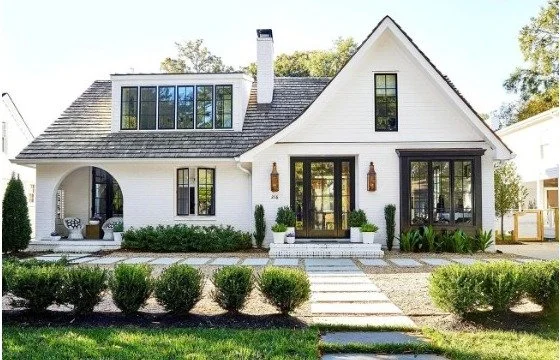
The exterior of your home is the first thing buyers see, making it critical to create a lasting positive impression. In regions like Houston, where summers are hot and winters are comfortable, outdoor spaces are particularly valuable.
So, how do you create an outdoor space that attracts buyers? First, make sure your lawn is well-maintained. Consider adding features that turn your yard into a functional space, such as a patio. A well-designed patio can serve as an entertainment area, a quiet retreat, or a family gathering spot.
Installing a motorized patio shade in Houston, Texas, can make the outdoor space more versatile and comfortable. This addition provides cooling shade on sunny days and adds a modern touch to your property. Ensure the work is done by a reliable company to guarantee quality and durability. A thoughtfully enhanced outdoor area can set your home apart from the competition.
2. Upgrade Your Kitchen
The kitchen often plays a central role in buyers’ decision-making. A modern, attractive kitchen can leave a lasting impression and even justify a higher asking price.
Focus on high-impact upgrades. Replace outdated countertops with more desirable materials like quartz or granite, which are both durable and visually appealing. Modernize the space further with energy-efficient appliances that look sleek while saving on utility costs.
Even small updates, such as installing a new backsplash, updating cabinet hardware, or adding pendant lighting, can create a cohesive and inviting look. These changes demonstrate care and attention to detail, which resonates with buyers seeking a turnkey property.
Before diving into renovations, it's smart to review expert tips for selling your home quickly to ensure your upgrades align with what today’s buyers are really looking for.
3. Refresh Bathrooms for a Spa-Like Feel
Bathrooms are no longer just functional spaces - they are seen as personal retreats. By giving your bathrooms a spa-like feel, you can make a major impact on buyers.
Simple upgrades can go a long way. Replace old faucets and showerheads with modern fixtures, add a new vanity with stylish finishes, and consider installing a frameless glass shower door for a sleek, contemporary look.
Choose neutral, calming tones like soft whites, greys, or beiges, which create a sense of serenity. Brighten the space with new lighting fixtures that highlight the room’s features. These updates don’t need to be costly but can add a sense of luxury and attention to detail that buyers will appreciate.
4. Enhance Curb Appeal with Landscaping
Curb appeal is one of the most important aspects of attracting buyers. A well-maintained exterior suggests that the interior will be equally cared for, setting a positive tone before they even step inside.
Focus on basic landscaping tasks like trimming hedges, planting seasonal flowers, and laying fresh mulch. These small steps create a polished and inviting look.
If you’re willing to invest more, consider adding elements like pathway lighting to illuminate the walkway or installing a new mailbox and house numbers for a cohesive aesthetic.
5. Modernize Flooring for a Fresh Look
Never underestimate the value of modern flooring. It is one of the first things buyers notice when entering a home. Worn-out carpets or outdated tiles can be deal-breakers. Upgrading to modern flooring materials like hardwood, laminate, or luxury vinyl planks can instantly transform your space.
These options are stylish, practical, and durable. They appeal to buyers looking for low-maintenance solutions. If replacing flooring entirely isn’t in your budget, consider refinishing existing hardwood floors for a refreshed and polished appearance.
A cohesive flooring choice throughout your home can also create a sense of flow, making your property feel more spacious and unified.
6. Brighten Up with New Lighting
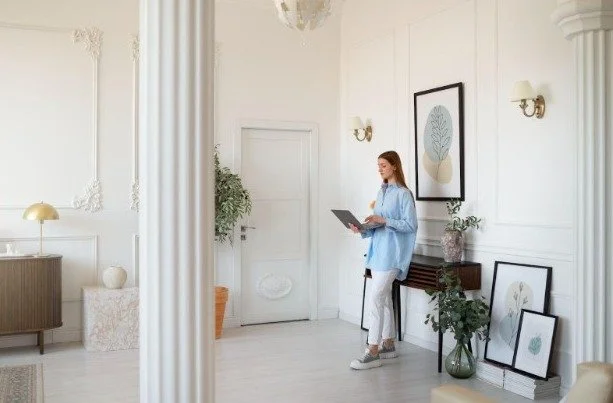
Lighting is one of the simplest yet most impactful upgrades you can make. It not only enhances the ambiance of your home but also highlights its best features.
Replace outdated fixtures with modern designs that suit your home’s style. Chandeliers, pendant lights, or sleek LED options can instantly modernize a room. Recessed lighting works well for kitchens and bathrooms, while wall sconces add charm to hallways and bedrooms.
Don’t forget about natural light. Open curtains and remove heavy drapes to let in as much daylight as possible. For showings, ensure every room is well-lit, as a bright space feels more welcoming and spacious.
7. Increase Energy Efficiency
Today’s buyers are increasingly eco-conscious and appreciate homes that are energy-efficient. And, of course, it’s not just about saving the planet; buyers want to invest in a home that saves energy costs, too! This is exactly what energy-saving features do.
Start with windows and doors. If they’re outdated, replace them with energy-efficient models that provide better insulation. Install a smart thermostat that allows homeowners to control heating and cooling remotely, a feature many buyers now expect.
Switch to LED lighting throughout the house and highlight these energy-efficient upgrades during showings—they can be a major selling point that sets your home apart.
8. Declutter and Stage for a Polished Look
Presentation matters when selling a home, and staging can make all the difference. Therefore, make sure your home is free from clutter. Remove personal items, excess furniture, and anything that makes the space feel cramped.
Once decluttered, stage your home to highlight its best features. Arrange furniture to create functional and inviting layouts. For example, position couches and chairs to encourage conversation in the living room or set the dining table with simple, elegant place settings.
If budget allows, hire a professional stager who can add tasteful touches that appeal to a wide audience. Staging helps buyers envision themselves living in the space, which is crucial for generating emotional connections and strong offers.
When you finally decide to sell your home, make sure you showcase its potential and maximize your returns. These changes don’t just attract higher offers; they also reduce the time your home spends on the market. Thoughtful enhancements signal to buyers that your home is well-cared-for, move-in ready, and worth the investment. Selling a home is a big milestone - making these upgrades ensures you achieve the best outcome for your efforts.