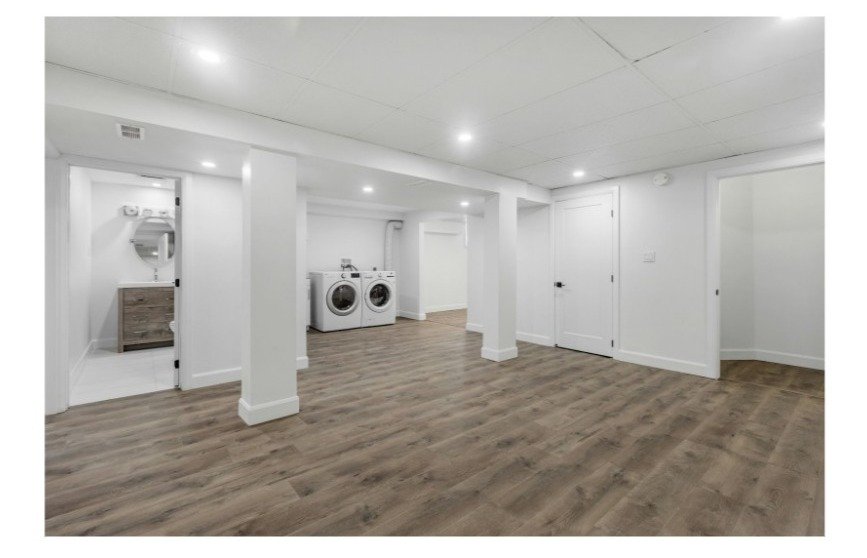
How Basement Repairs Can Protect Your Home from Flooding

Basement flooding is a nightmare to homeowners as it causes significant damage to property and possessions while compromising the structural integrity of the whole house. Fortunately, with proper basement repairs and preventive measures, you can significantly reduce the risk of flooding and protect your home from water damage. This article discusses different basement repair methods and their role in safeguarding your home against flooding.

Understanding the Causes of Basement Flooding

Before moving on to repair methods, it's essential to understand why basements are more susceptible to flooding. Some common reasons include:

  • Poor drainage around the foundation

  • Cracks in the foundation or walls

  • Hydrostatic pressure from groundwater

  • Sewer backups

  • Faulty sump pumps

  • Poorly sealed windows and doors

Addressing these issues with targeted solutions from B and B Basement Repairs helps build a robust defense against water intrusion.

Foundation Repairs: The First Line of Defense

Sealing Foundation Cracks

Addressing the issue of foundation cracks is one of the most important steps toward avoiding basement flooding. This will give the water room to enter into your basement and thus weaken its structural ability to be a basement.

Crack Injection: It is injecting specially formulated materials such as epoxy or polyurethane resin directly into the crack. As the material cures it provides a waterproof seal that closes the existing cracks and also strengthens the structure.

Restoring the Foundation Crown

Proper grading around your home is important to ensure water does not collect near the foundation. Soil around the foundation can settle over time, creating areas where water collects. Restoring the crown involves building up soil around the foundation to ensure there is a slope that pushes water away from the house.

Waterproofing: Moisture Barrier

Waterproofing your basement is one of the important steps in flood prevention. There are two approaches to basement waterproofing: Interior Waterproofing and Exterior Waterproofing.

 Interior Waterproofing

Interior waterproofing techniques target the prevention of damage caused by water that has already entered the basement:

Interior Sealants: Applying water-resistant sealants to the floor and walls creates a barrier against moisture penetration.

Interior Drainage Systems: Installing an interior drain tile system beneath the basement floor collects water and directs it to a sump pump for removal.

Exterior Waterproofing

Exterior waterproofing seeks to keep water from reaching the foundation in the first place:

Exterior Waterproofing Membranes: Applying a waterproof coating to the exterior foundation walls creates a barrier against moisture.

French Drains: Installation of a French drain system around the perimeter of the foundation helps divert water away from the house.

Drainage Solutions: Water Flow Management

Proper drainage is important to keep water away from your foundation and prevent basement flooding.

Gutter and Downspout Maintenance

It is important to ensure that your gutters and downspouts are clean and functioning to direct the rainwater away from your home foundation. Extend your downspouts at least 10 feet away from your house so that water does not collect along the foundation.

Sump Pump Installation

A sump pump is another critical part of basement flood prevention. It works continuously to pump water out of your basement, minimizing the potential for water damage. Using a battery backup means the pump will continue working if there is a power loss.

Plumbing and Sewer Maintenance

Take care of your home's plumbing and sewer systems to stop internal sources of flooding.

Installation of Backwater Valve

Installing a backwater valve can prevent sewage from backing up into your basement during heavy rains or system failures.

Regular Plumbing Inspections

Conducting regular inspections of your plumbing system can help identify and address potential issues before they lead to flooding. This includes checking for leaks, ensuring proper pipe insulation, and maintaining water heaters and other appliances.

Window Well Improvements

Basement windows are often overlooked entry points for water. Improving window wells can significantly reduce the risk of water infiltration:

Window Well Covers: Installing covers over window wells prevents rain and debris from accumulating.

Proper Drainage: Ensure window wells have adequate drainage systems to direct water away from the foundation.

The Importance of Professional Assessment

While some minor repairs can be DIY projects, it is important to have a professional assessment of your basement's flood risk. Experts can identify underlying issues that may not be apparent to the untrained eye and recommend the most effective solutions for your specific situation.

Long-Term Benefits of Basement Repairs

Investing in basement repairs and flood prevention measures offers several long-term benefits:

Increased Property Value: A dry, maintained basement adds value to your home.

Explored Living Space: A waterproofed basement can turn it into usable living space as well as increase your home's square footage.

Better indoor air quality: Water-intrusion prevention reduces the chances of mould and mildew, promoting better indoor air quality

Structural Integrity: With help of water-related problems one protects his house's base and overall structural integrity.

Conclusion

Basement flooding protection requires a multi faceted approach to address all the potential water entry points and weaknesses. With foundation repairs, waterproofing, drainage solutions and regular maintenance you can reduce the risk of basement flooding and the damage that comes with it.

Remember basement flood prevention is an ongoing process. Regular inspections and maintenance will keep your home protected from water intrusion. While you’re preventing flood damage you’re actually investing in the long term value, safety and comfort of your home by repairing and fortifying your basement.

Breaking Stereotypes: How Lab-Grown Diamonds Are Modernizing the Jewelry

Diamonds have always been a symbol of love, elegance, and luxury. But today, a new kind of diamond is taking center stage - lab-grown diamonds. These innovative gems are changing the way people think about jewelry, blending modern technology with timeless beauty. 

Whether it’s for an engagement ring or a bold fashion piece, lab-grown diamonds are breaking stereotypes and redefining what makes a diamond special.

What Are Lab-Grown Diamonds?

Lab-grown diamonds are real diamonds created in a lab rather than mined from the earth. Through advanced technology, scientists replicate the natural process of diamond formation, resulting in gems that are identical to mined diamonds in every way - appearance, structure, and sparkle.

What sets lab-grown diamonds apart is their origin. By skipping the mining process, they avoid many of the ethical and environmental issues tied to traditional diamonds. This makes them a modern, conscious choice for jewelry lovers who want something beautiful and sustainable.

Why People Are Choosing Lab-Grown Diamonds

Now, let’s look at just some of the reasons why more and more people are choosing lab-grown diamonds over the natural ones:

1. Ethical and Sustainable

Lab-grown diamonds offer a guilt-free way to enjoy fine jewelry. Unlike mined diamonds, they don’t involve destructive mining practices or unethical labor conditions. They’re made in controlled environments with minimal environmental impact, making them a top choice for socially conscious buyers.

Beyond that, these diamonds are part of a broader movement toward sustainable luxury. They show that you don’t have to compromise on beauty to make ethical decisions, aligning with modern values and priorities.

2. Affordable Beauty

A major reason lab-grown diamonds are so popular is their price. These diamonds typically cost 30-50% less than their mined counterparts, making high-quality jewelry more accessible to a wider audience.

With the savings, couples can opt for larger diamonds, custom designs, or even matching pieces without stretching their budget. Lab-grown diamonds prove that luxury doesn’t have to come with an oversized price tag, which is a refreshing shift in the jewelry world.

3. Perfectly Crafted with Modern Technology

The use of cutting-edge methods like HPHT (High Pressure, High Temperature) and CVD (Chemical Vapor Deposition) ensures lab-grown diamonds are flawless in clarity and precision. This level of control allows jewelers to craft pieces that showcase these gems in their best light, from intricate designs to classic settings.

Lab-grown diamonds also open the door to creativity. Designers are using them in innovative ways, from minimalist pieces to bold, artistic creations that wouldn’t be possible with traditional stones.

How Lab-Grown Diamonds Are Changing Jewelry

How Lab-Grown Diamonds Are Changing Jewelry Lab-grown diamonds are doing more than just giving consumers another option - they’re shifting the entire industry.

1. Making Fine Jewelry Inclusive

Lab-grown diamonds are breaking down the barriers that once made fine jewelry feel out of reach for many. With their lower cost and sustainable production, these diamonds make high-quality pieces more accessible to a wider audience. 

People who may have hesitated to invest in fine jewelry, whether due to budget constraints or ethical concerns, now have an option that aligns with both their values and finances.

This shift is reshaping the perception of luxury. No longer exclusive to a privileged few, lab-grown diamonds allow more people to celebrate life’s milestones with meaningful, beautiful pieces. 

By democratizing fine jewelry, they’re changing the industry’s traditional approach to luxury, proving that elegance and inclusivity can coexist.

2. Inspiring Modern Couples

Engagement rings are one of the biggest areas where lab-grown diamonds are making an impact. Modern couples are increasingly drawn to these diamonds because they reflect values like sustainability, individuality, and innovation

For many, the decision to choose lab-grown diamonds is about more than cost - it’s about making a conscious, thoughtful choice that represents their relationship and the world they want to build together.

Lab-grown diamonds also allow couples to get creative with their rings. With the option to choose larger stones, unique cuts, or custom designs, these diamonds offer flexibility and personalization that resonates with today’s couples. Whether it’s a sleek solitaire or a bold, artistic piece, lab-grown diamonds provide a way to make an engagement ring truly unique.

3. Embracing a New Era of Design

Lab-grown diamonds are sparking a wave of innovation in jewelry design. Because they’re created in controlled environments, these diamonds can be made to exact specifications, offering unparalleled precision in size, color, and clarity. 

This level of control gives jewelers the freedom to experiment with bold and imaginative designs that might not have been possible with traditionally mined stones.

From minimalist settings to intricate, avant-garde creations, lab-grown diamonds are pushing the boundaries of what fine jewelry can be. They’re also enabling designers to focus on sustainability without sacrificing beauty or craftsmanship. As a result, these diamonds are becoming a favorite for both traditional and contemporary styles, proving that innovation and elegance go hand in hand.

Lab-grown diamonds are not just reshaping jewelry - they’re redefining what it means to own a piece of fine jewelry. By making luxury accessible, inspiring individuality, and fostering creativity, they’re leading the industry into a new, exciting era.

Breaking Old Myths

For years, mined diamonds were considered the gold standard of fine jewelry. But lab-grown diamonds are challenging that idea. They’ve shown that authenticity isn’t tied to origin - what matters is quality, beauty, and meaning.

Consumers are also realizing that mined diamonds aren’t inherently “better.” Lab-grown diamonds offer the same brilliance and durability while being more ethical and affordable. It’s a shift in perspective that’s empowering buyers to make choices based on what matters most to them.

Are Lab-Grown Diamonds the Future?

The rise of lab-grown diamonds signals a new direction for the jewelry industry. As technology advances and consumer priorities shift, these gems are set to become even more popular. They align perfectly with modern values of sustainability, inclusivity, and innovation, making them a natural fit for the future.

That doesn’t mean mined diamonds will disappear - they still hold a certain appeal for some buyers. But lab-grown diamonds are carving out their own space, proving they’re not just a trend but a lasting change.

The Bottom Line

Lab-grown diamonds are more than just a new option - they’re a revolution in the jewelry world. They combine beauty, ethics, and affordability in a way that resonates with today’s consumers. Whether you’re shopping for an engagement ring or a statement piece, lab-grown diamonds offer a chance to own jewelry that feels as good as it looks.

Ready to explore the future of fine jewelry? Lab-grown diamonds are leading the way - and they’re here to stay.

How Do NYC Realtors Stay Ahead in 2025’s Wild Market?

Being a realtor in New York City isn’t just a job; it’s a lifestyle. The competition? Fierce. The clientele? Demanding. And the market? Constantly throwing curveballs. In 2025, success isn’t just about having the connections or the listings—it’s about evolving with the game. So, what does it take to thrive as a realtor in a city that never stops moving? Let’s break it down.

Knowing Your Niche Is Everything

If there’s one thing that sets top NYC realtors apart, it’s understanding their lane. New York isn’t one big market; it’s a patchwork of micro-markets, each with its own quirks. Whether you’re specializing in luxury condos on the Upper West Side or first-time buyer co-ops in Queens, you’ve got to know the specifics like the back of your hand.

But it’s not just about knowing the market—it’s about knowing your audience. Today’s clients don’t just want a realtor; they want a consultant, a confidant, and sometimes even a low-key therapist. Nail the art of listening to what they really want (not just what they say they want), and you’re already a step ahead.

The Digital Hustle: Email Still Reigns Supreme

Social media might be the shiny new toy in marketing, but let’s be real—email integrations are key. They’re not just a way to follow up anymore; they’re a powerhouse for nurturing leads and keeping clients in the loop.

Think personalized monthly market updates, not generic newsletters. A family looking to upsize in Brooklyn will appreciate knowing when that dream brownstone hits the market, while your investor clients crave data-driven insights. The trick? Automation that feels anything but automated. If you’re still treating email like an afterthought, you’re leaving deals on the table.

And don’t sleep on tech that makes this seamless. The right CRM isn’t just a tool; it’s your wingman in the hustle.

Mastering Modern Marketing: Beyond Just Listings

In NYC real estate, selling yourself is as important as selling properties. Clients are more tech-savvy than ever, and the traditional hard sell doesn’t cut it anymore. Instead, focus on building a brand that feels authentic and relatable.

This is where storytelling comes into play. Don’t just post glossy photos of listings—share the journey behind the deal. Highlight the unique features of a neighborhood or showcase the renovation potential of a fixer-upper. Sprinkle in testimonials that feel real, not staged.

And here’s the kicker: use these marketing techniques for growth. The right narrative, paired with a strategic ad spend or SEO push, can set you apart from a sea of lookalike brokers. It’s not about being flashy; it’s about being memorable.

Networking Is Still Non-Negotiable

For all the buzz about digital strategies, there’s one old-school method that still works: real, human-to-human connections. This is New York, after all—a city built on relationships. Whether it’s schmoozing at charity galas, hosting open house soirées, or just grabbing coffee with a colleague, your network is your net worth.

But in 2025, networking isn’t just about who you know—it’s about who you’re helping. Be the person who offers value, whether it’s advice on navigating zoning laws or recommending a top-tier contractor. When people think of you as a resource, the referrals come naturally.

Adapting to Change Like a Pro

If the past few years have taught us anything, it’s that the NYC market can shift on a dime. From fluctuating interest rates to evolving buyer priorities (hello, outdoor space obsession), staying nimble is key.

This doesn’t mean chasing every trend, though. It’s about being strategic. Are remote workers actually leaving the city, or are they just redefining what “home” means? Are cash offers the new normal, or just a phase? The best realtors don’t just react to these questions—they anticipate them.

Investing in ongoing education—whether it’s market analytics, legal updates, or tech tools—isn’t optional if you want to lead the pack.

Real Estate Hustle Never Sleeps

Being a realtor in New York is no joke. It’s fast-paced, relentless, and sometimes downright exhausting. But it’s also one of the most rewarding gigs out there if you play it right. Staying ahead means blending old-school hustle with new-school tools, all while keeping your finger on the pulse of what your clients actually need.

Because in the end, NYC isn’t just a real estate market—it’s a playground for the bold.