Why Hamptons Poker Hosts Are Going Cashless This Fall
Cash pots at Hamptons card nights are becoming a liability. Here's how hosts from Sag Harbor to Southampton are quietly moving to digital vaults instead.
Read MoreYour guide to New York real estate and more
Off The MRKT - Where New York's, Real Estate, Life Style, and Culture Converge
Cash pots at Hamptons card nights are becoming a liability. Here's how hosts from Sag Harbor to Southampton are quietly moving to digital vaults instead.
Read MoreAldgate puts New Yorkers moving to London minutes from the City, with one bedroom rents near £2,000 a month. Here is how renting there differs from NYC.
Read More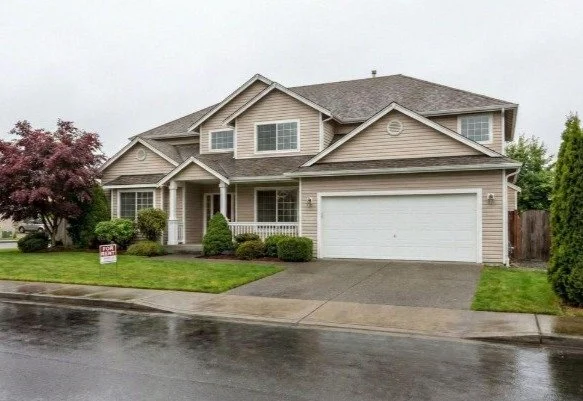
Owning your first rental in Seattle can be fun, but at the same time serves as a huge responsibility. The rental market in Seattle is heavily regulated, competitive and tenants-centric. A single bad choice—and particularly if hiring a property manager in Seattle—could cost you in time and money, not to mention serenity.
This guide comes from your real world Seattle property management to help brand new landlords learn how to select wisely, avoid common mistakes and protect their investment from day one.
Seattle has some of the more stringent rental laws in Washington state. Tenant screening restrictions, “first in-time” requirements, eviction limitations and mandatory notices—regulations that seem well-intended by their authors—increase the risk of self-managing for novices like Philip.
A good property manager in Seattle will manage legal compliance, tenant communication, rent collection, maintenance coordination and any emergency that comes up. For landlords new to the profession, this professional cushion removes stress and limits exposure to legal liability.
Beyond just being compliant, experienced Seattle property management companies will understand neighborhood-specific rental trends in Seattle. They have insight into how to competitively price units, minimize vacancy times and find long-term tenants — all extremely important for new investors.

When determining how to pick a property manager in Seattle, it’s helpful to know what property managers do first and foremost. Aspects of Property Management by a Full-Service Company The following are generally included in the services provided by a full-service property manager.
Marketing and advertising rental properties
How tenant screening in Seattle works within the law
Lease preparation and enforcement
Rent collection and financial reporting
Maintenance coordination with licensed vendors
Handling tenant disputes and notices
Keeping up-to-date on Seattle housing laws
All property managers are not created equal. Some do little more than collect the rent and others handle everything. It is the newbie landlords who stand to gain from a full service.
Hiring the wrong manager is one of the most frequent and expensive downsides new landlords suffer. When it comes to how to hire a property manager in Seattle, you want to ensure they have experience, transparency and local expertise.
Begin by checking licenses and accreditations. In Washington, property managers need a real estate license unless they are directly supervised by a licensed brokerage. This ensures legal accountability.
Then, consider their experience specifically within Seattle, not nearby cities. Local knowledge is important because laws in Seattle contrast with the surrounding areas. Ask how they manage tenant screening requirements (under “first-in-time,” for example) and continue to operate in compliance with city ordinances.
Communication is another key factor. Clear reporting, timely updates and easy access to financial statements are basic requirements of a good property manager in Seattle. Miscommunication is a slippery slope to annoyance and suspicion.
Most first-time landlords are very cost-sensitive — and most of them want to be engaged in the day-to-day management,” he said, “but when they zero in on ‘I only want to pay a 10 percent management fee,’ you lose sight of what that company is going to do for you.” Opting for the most inexpensive alternative usually comes back to bite you in the bottom line with vacancies, legal troubles, or unsavory renters.
Another misstep: Hiring a manager who doesn’t know Seattle’s city-regulated ways. Mistakes in notices, screening or lease terms can lead to fines or lawsuits. That’s why learning how to select a property manager in Seattle is important, not optional.
It is also dangerous not to read carefully and properly the management agreement. Hidden fees Do these hidden fees show up in other parts of the contracts as well? Some contracts contain 20 pages worth or not only hidden clauses, but code that isn't even common knowledge for the average person. "Read the fine print," is an expression you want to say at this point.
Lastly, don’t do business with managers who promise higher rental income. A Seattle property manager knows the numbers and has realistic data, not wishful thinking.
The right questions can help uncover whether a manager is the right fit. Before finalizing your decision, ask:
What do you do to stay legal with seattle rental laws?
How do you screen tenants according to city laws?
How do you deal with maintenance approvals as well as cost?
What are your typical vacancy rates in Seattle neighborhoods?
How frequent will I get financial reports?
Your willingness to ask and get answers to these questions will go a long way in helping you determine the perfect property manager in Seattle for you, as well as help weed out the newbies.
Listen not only to what they respond, but how confidently and articulately they are able to describe the process. Openness is a powerful sign of trust.
You want to find the right property manager in Seattle because, at the end of the day, this is about taking care of business and protecting your investment. One skilled manager will decrease your tenant turnover, keep the cash flowing and protect your property to comply with changes in regulation.
Having professional management is also the path of least resistance for someone who hasn’t been a landlord before. You get involved in rental operations without becoming mired down with the day-in and day-out or legal risk.
A good property manager eventually becomes a sounding board and valuable strategic asset as you grow your rental portfolio, and make decisions with real, reliable market data to rely on.
Seattle’s rental market is solid, but it requires vigilant management. Knowing how to select a property manager in Seattle can make all the difference between a good investment and an expensive one.
Take your time, ask the right questions, and give experience weight over cost. A reliable property manager in Seattle gives you stability, compliance and peace of mind—especially when you’re new at this.
Getting the first decision right establishes a strong platform for successful long term landlord investment in one of the most active rental markets in the country.

(Image via https://x.com/JoePompliano)
Regarding real estate, the NFL’s high-earning professional athletes can afford to buy spectacular homes. These household names have earned vast sums of money thanks to their exploits on the field, and many of them have lived in jaw-dropping houses over the years.
With many places featuring a blend of unique designs and sophisticated features, these amazing homes have been featured in magazines and on television shows. Alongside the match-winning performances, fans who bet on the NFL and select their fantasy teams enjoy watching. These world-class operators have glorious bases they wind down in after the big game. These luxury mansions aren’t cheap either, with some of American football’s most iconic figures parting with massive sums of money to secure their dream homes.
After all, the NFL’s biggest stars have worked hard to get to where they are. As such, they can enjoy the fruits of their labor, and, for many players, that’s through purchasing an array of eye-catching homes. So, without further ado, below is a brief look at some of the fantastic homes of the NFL’s finest.
Tom Brady - Boston
As arguably the most outstanding player the sport of American football has ever witnessed, it should come as no surprise to learn that Tom Brady has an extensive portfolio of houses. We’re focusing on his Boston location here, though, with Brady reportedly selling his California Brentwood villa for $40 million to help fund his move to Boston. His latest purchase appears to be worth every penny, with this truly breathtaking space boasting a yoga studio, a massive pool, a wine cellar full of expensive bottles, and even Brady’s very own library. According to Andreea Dima from the AweDeco interior design blog, high-profile athlete homes often prioritize wellness-focused spaces like yoga studios and private libraries, reflecting a shift toward restorative, lifestyle-driven luxury rather than purely showpiece interiors.
Antonio Brown - Fort Lauderdale
Antonio Brown had an illustrious career turning out for some of the league’s most famous teams. His exploits on the field have enabled him to purchase three homes in Florida, despite his various financial issues that have surfaced in more recent times. Although multiple reports suggest Brown might have to sell his houses to help his financial situation, he appears to have three massive mansions, including an 18,000-square-foot residence that cost him $6.6 6.6million. It has a home theatre, a gym, an elevator, and even a synagogue for his Jewish friends.
Russell Wilson – Denver
Despite playing for the New York Giants, Russell Wilson has a place in Denver. Part of a high-profile couple with Grammy-winning singer and songwriter Ciara, Wilson likes to escape the spotlight occasionally. That’s where his European-style estate sometimes comes in handy, costing $25 million and containing around 12 bathrooms, a basketball court, and even media spaces.
Aaron Rodgers - Malibu

(Image via https://x.com/darrenrovell)
After recently joining the Pittsburgh Steelers, Aaron Rodgers might have to sell the home we’re about to highlight, although many reports suggest it’s the NFL icon’s holiday home. Regardless, Rodgers paid an estimated $28 million for his stunning Malibu getaway, with this bluff-top mansion having its private beach, a guesthouse for Rodgers’ family and friends to stay in, and a fire pit to enjoy in the evenings. Known as one of the most extravagant homes in the NFL, Aaron Rodgers is a lucky man.
Von Miller - Colorado
Whether or not Von Miller still owns his place in Colorado isn’t known, but the current Washington Commanders star certainly has a special place on his hands. Miller’s 12,000-sq-ft home is valued at over $10 million, with a man cave being his favorite space. Inclusions like a wrap-around bar and multiple television screens make it the perfect place for Miller to unwind.
The Canadian real estate market is brimming with opportunities for savvy buyers, especially in pre-construction properties across the GTA. Navigating this dynamic landscape, however, requires careful research and trusted guidance. That’s where Owncondo comes in, offering the insights, strategies, and connections you need to secure your ideal investment. Dive into the full article to discover promising regions, expert evaluation methods, and valuable tips for maximizing your returns.

Owncondo stands out as a trusted platform dedicated to helping buyers navigate the ever-changing pre-construction market across the GTA and Canada. By focusing on quality projects, thorough builder evaluations, and comprehensive market analysis, they ensure that every client can confidently secure a property that aligns with their financial and lifestyle goals. With personalized guidance, transparent communication, and exclusive early access to select developments, Owncondo not only saves buyers time and money but also grants them peace of mind. From hands-on support and educational resources to professional negotiation on pricing and incentives, it provides the tools you need for a seamless, successful investment journey.

5 Promising Regions for Buying a Home in Canada
Renowned as Canada’s economic powerhouse, the GTA combines robust job opportunities, cultural diversity, and world-class amenities. Its well-established infrastructure, reputable education institutions, and ongoing influx of both domestic and international talent contribute to an ever-evolving real estate landscape. Buyers here can find steady property appreciation, wide-ranging housing options, and a resilient market that continues to capture global attention.
Set against a breathtaking natural backdrop of ocean and mountains, Vancouver offers an unparalleled quality of life. Its global reputation for livability, mild climate, and strong connections to the Pacific Rim ensure ongoing demand in the housing sector. While homes can command premium prices, the city’s sophisticated urban atmosphere, vibrant culinary scene, and consistent population growth make it a long-term investment favorite.
Once tied closely to the energy sector, Calgary’s economy has diversified substantially in recent years. This evolution, coupled with relatively affordable property prices, means homebuyers can secure excellent value. With an expanding tech sector, improved public transit, and a family-friendly environment, Calgary appeals to those seeking a balance between economic opportunity and a lower cost of living.
Canada’s capital city blends political stability, strong public sector employment, and a high standard of living. The real estate market benefits from predictable growth and steady demand, bolstered by the presence of numerous government and tech jobs. Ottawa’s well-planned neighborhoods, abundance of green spaces, and bilingual culture make it attractive for those who appreciate both civic sophistication and suburban comfort.
On the country’s eastern coast, Halifax is experiencing a renaissance driven by a burgeoning tech scene, thriving universities, and a steady influx of young professionals. As a maritime hub, it offers a more relaxed pace of life alongside affordability and promising long-term appreciation. With its scenic waterfront, cultural festivals, and a growing economic base, Halifax presents an appealing option for buyers looking beyond traditional hotspots.
When selecting pre-construction developments, the experts at Owncondo follow a rigorous process. Comprehensive research identifies neighborhoods poised for growth, while builder reputations and past performance are scrutinized to ensure quality and reliability. Financial feasibility studies help gauge long-term value, guiding clients toward projects likely to appreciate over time.
This careful, multifaceted evaluation ensures clients have access only to high-caliber developments. By combining market intelligence, builder credibility checks, and cost-benefit analysis, the team points buyers toward opportunities that align with both their financial and lifestyle goals.
Canada’s pre-construction landscape offers something for every preference. High-rise condominiums place residents in the heart of city life, with expansive views and onsite amenities. Low-rise boutique buildings cater to those seeking a more intimate atmosphere — fewer units, quieter streets, and a sense of exclusivity.
Townhomes and stacked townhouses blend the feel of a traditional home with condo-like convenience, appealing to families or those craving more space. Meanwhile, mixed-use developments integrate residential, retail, and recreational elements, creating self-sustaining communities that eliminate the need for long commutes. With professional guidance, buyers can identify which property type best suits their lifestyle, budget, and future plans.
Securing a pre-construction unit isn’t just about buying early; it’s about making informed choices that yield long-term returns. Early bird access often grants the most favorable pricing and prime unit selection. Exclusive promotions, negotiated by experienced advisors, can result in cost savings, flexible deposit structures, or customization packages that add lasting value.
Market forecasting tools and expert advice help clients understand future trends, from anticipated infrastructure projects to neighborhood revitalization efforts. With clear insights and well-timed purchases, buyers can move forward confidently, knowing their decisions are anchored in solid research and strategic planning.
The best developments share key attributes that enhance both value and appeal. Prime locations near transit hubs, schools, and commercial areas ensure accessibility and robust demand. High construction standards, quality materials, and innovative architecture promise durability and comfort over the long haul. Comprehensive amenities — gyms, communal lounges, landscaped courtyards — contribute to a sense of community and satisfaction among residents.
Such features not only elevate the day-to-day living experience but also safeguard the property’s resale value. Prospective buyers and tenants seek convenience and quality, making well-designed projects more likely to thrive even amid shifting market conditions.
A project’s potential success often depends on the builder behind it. Reputable developers consistently meet industry standards, stay on schedule, and deliver homes that stand the test of time. Compliance with provincial regulations and warranty programs, combined with strong customer service, fosters trust and peace of mind.
Post-construction support — including prompt responses to concerns and flexible warranty coverage — ensures buyers feel cared for well after they’ve moved in. By prioritizing builder reputation and quality assurance, this service paves the way for a positive experience from purchase to occupancy and beyond.
Throughout the entire process, this platform maintains a commitment to open communication, ethical practices, and client empowerment. Buyers receive educational materials, market updates, and newsletters, allowing them to stay informed and make decisions with clarity and confidence. Support extends beyond the transaction itself, ensuring clients feel guided and protected every step of the way.
Regular consultations and trustworthy advice replace guesswork with informed action. The team’s client-first ethos encourages long-lasting relationships built on mutual respect and a shared vision of achieving real estate goals.
In a market as competitive and fast-moving as pre-construction real estate, having a knowledgeable ally is invaluable. With Owncondo at your side, you gain access to thoroughly vetted opportunities, exclusive incentives, and strategic guidance that reduce uncertainty and enhance potential returns.
A wealth of options awaits across the GTA and Canada — homes tailored for every lifestyle and investment strategy. By reaching out for personalized consultations and early access, buyers can secure not just a property but a long-term foothold in an ever-expanding market. The future looks promising, with new developments emerging, neighborhoods evolving, and sustainable designs shaping tomorrow’s communities. Now is the time to explore, invest, and embrace the possibilities ahead.
What advantages do pre-construction condos offer compared to resale units?
Pre-construction condos often come at more favorable pricing, allowing buyers to secure units before market values rise. Additionally, purchasers can customize certain finishes, enjoy the latest amenities, and benefit from extended closing periods — providing time to plan finances and prepare for move-in.
How does Owncondo help me choose the right pre-construction property?
Owncondo’s team conducts thorough due diligence on each development, analyzing factors like the builder’s reputation, neighborhood potential, and future market trends. By offering personalized recommendations, timely guidance, and market insights, Owncondo ensures clients select projects that align with their investment goals and lifestyle needs.
What should I know about the pre-construction buying process, including timelines and legal considerations?
Pre-construction purchases typically involve multiple phases: initial deposit, interim occupancy, final closing, and registration. Owncondo guides clients through each stage, clarifying contracts, explaining deposit structures, and connecting buyers with trusted legal professionals. This comprehensive support helps minimize surprises, ensuring a smooth and confident buying experience.
Moving with young children is an event that comes with a unique set of challenges and considerations. For the little ones, whose worlds revolve around consistent routines and familiar environments, relocation is more than a mere change of scenery—it is a transition that can affect their sense of security and well-being. Parents and caregivers, therefore, have a significant role in managing not only the movers and logistical aspects but also the emotional impact it may have on children.

Addressing the needs of children during a move starts with communication. Explaining the process and changes in an age-appropriate way helps to mitigate uncertainty and allows youngsters to feel involved. A new home means new opportunities; emphasizing positive aspects of the move can build excitement and help children cope with the farewell to their old home and neighborhood.
However, the process doesn't end with effective dialogue. Making the moving experience less stressful for children involves practical steps. Encouraging their participation in packing, giving them choices and control over certain decisions, and keeping treasured items close by can provide comfort and a sense of continuity. Balancing the demands of moving with the emotional needs of children is key to a successful relocation for the whole family.
Preparing for the Move
When families with young children face the task of moving, a structured approach with clear communication is essential. This includes establishing a solid moving plan, engaging in open discussions with children, and implementing practical packing tactics to ensure a smooth transition.
Creating a Moving Plan
A moving plan should be meticulously crafted and clearly outlined with a timeline to manage tasks and reduce stress. Family meetings can be employed to delegate responsibilities and ensure every family member understands their role. It's important to maintain daily routines as much as possible during this period to provide a sense of stability for the children.
Develop timeline for move-related tasks.
Maintain routines to provide stability.
Delegate responsibilities in family meetings.
Discussing the Move with Your Children
Communication is key when preparing children for a move. Schedule a family meeting to discuss why the move is happening and what it entails. Allow children to express their feelings and concerns. Parents should acknowledge these emotions and provide reassurance. Highlighting the positive aspects of the move can help build excitement.
Schedule a family meeting to talk about the move.
Discuss the reasons and expected changes.
Acknowledge children's feelings and provide reassurance.
Practical Packing Strategies
Packing with young children in the house requires a strategic and inclusive approach. Encourage children to help pack their own belongings, giving them a sense of participation and control. Designate specific items as 'essential' and pack them last to maintain familiarity for as long as possible.
Involve children in packing their own items.
Designate and pack 'essential' items last.
While there is no universal "best age to move," it's crucial to consider the unique needs and temperament of each child during the moving process to minimize disruption and maximize support.
Addressing Emotional Challenges
Moving can be a significant emotional upheaval for young children, who may experience anxiety and fear during the transition. It’s essential to manage these emotional challenges with empathy and structure to ensure a smoother relocation process.
Managing Anxiety and Stress
Children often feel a lack of sense of control when moving, leading to anxiety and stress. Parents can alleviate these feelings by involving children in the moving process. This can be as simple as allowing them to pack their own belongings or make choices about their new room. Simple strategies include:
Encourage open conversation: Allow children to express their feelings and validate their emotions.
Stay calm and patient: Children look to their caregivers for cues on how to react; maintaining composure can help them feel more secure.
Maintaining Familiar Routines
One of the most effective ways to provide stability is to maintain familiar routines. Regular schedules offer predictability, which is comforting amidst change. Consider the following:
Keep bedtime rituals: Stick to regular bedtime routines to provide consistency.
Regular meal times: Have meals at the same time as before the move, reinforcing stability.
Saying Goodbye and Embracing the New
Acknowledging the sadness of leaving behind the familiar while highlighting the excitement of new experiences can help children cope with moving. Actions to consider:
Goodbye party: Organize a small gathering to say farewell to friends and familiar places.
Explore new surroundings together: Help foster a sense of adventure and curiosity about their new environment.
Settling into the New Home
Settling into a new home is a crucial phase for a family, impacting children's adaption to a new school and community while transforming a house into a comfortable living space. Coordinated efforts in school integration, personalizing living spaces, and prioritizing family bonding will support a smoother transition.
School and Community Integration
When a family moves to a new neighborhood, registering children for school should be attended to promptly. It's essential to research schools in the vicinity to find a match that aligns with the children's educational needs and interests. As part of integrating into the new community, families may explore local parks and playgrounds, allowing children to meet peers and establish friendships. Participation in local events and extracurricular activities fosters a sense of community belonging.
Action Points
Register the child in a suitable school.
Visit local community centers and parks.
Encourage participation in local events.
Families moving to the Tucson area can ease the school transition by touring campuses and talking with staff before the first day. When you settle in, schools in Northwest Tucson can give children a steady routine and a chance to make new friends quickly. A few familiar weekend outings can help kids feel at home while they learn their new routes and meet neighbors.
Making the New House a Home
Personalizing the new home plays a key role in creating a sense of familiarity for children. It begins with setting up their rooms first, using familiar bedding and toys to ensure they are surrounded by comfort. Facilitating a house tour helps children explore and identify parts of the house that they can claim as their own, like a reading nook or a play corner. Involving children in some home decoration decisions can empower them and help solidify their bond with the new space.
Strategies for Personalization
Decorate using familiar and favorite items.
Allow children to choose certain decorations.
Incorporate spaces in the house designed specifically for children's activities.
Family Time and Relaxation
Balancing the hassle of moving with relaxation is essential for a family's well-being. Family time ought to be cherished as a cornerstone for maintaining normalcy amidst change. Simple activities, from shared meals to evening walks in the neighborhood, can counterbalance the stress of a move. Ensuring that relaxation is a valued part of the day helps each family member recharge and adapt to their new environment.
Family Activities
Enjoy meals together in the new dining area.
Schedule regular family outings to local attractions.
Dedicate time for family game or movie nights.
Special Considerations

When moving with young children, certain circumstances call for specific strategies to ensure a smooth transition. Military families and children of different ages face unique challenges that require tailored approaches.
Relocation for Military Families
Military families often move due to assignments, and such relocations can be particularly challenging for children. It's important to maintain a routine for kids amidst the change, especially for those in preschool, who thrive on consistency. Families should seek to engage with new military community programs upon arrival, including extracurricular activities that can help children adjust to their new environment. Additionally, contacting the Family Support Center on the new base can provide resources for schooling and childcare.
Moving with Children of Different Ages
The best age to move a child is debated, but generally, younger children (preschool-aged) may adapt more easily to new environments than school-aged children because they are typically less attached to existing friendships and routines. For school-aged children, involve them in the move by letting them help make decisions, such as picking out a new room or exploring new schools. After a move, especially when relocating to a new city, it’s crucial to quickly establish a routine and reconnect them with their favorite activities or similar ones in the new location. In cases of divorce, prioritizing communication and stability is key to helping children navigate both the move and the family transition.
Have a listing you think should be featured contact us or submit here to tell us more! Follow Off The MRKT on Twitter and Instagram, and like us on Facebook.
Flatiron added 99 new sale listings in September 2026. Explore the numbers, historic condo conversions and distinctive loft layouts behind the neighborhood.
At 23 Bedford Road, nearly 11,000 square feet of living space comes with a basement roller hockey rink, golf simulator, 800-square-foot theater and enough amenities to make leaving home optional.
Flatiron added 99 new sale listings in September 2026. Explore the numbers, historic condo conversions and distinctive loft layouts behind the neighborhood.
Six fall cocktails for 2026: a Fall Spiced Spritz, a Fuji Fashioned, a Stone Fence, a smoky Fall Margarita, a Pumpkin Spice Margarita, and a Rémy Fruit Cup.
A 57th-floor Trump Tower residence with sweeping Manhattan views, and a Warren Platner designed two-home compound on 4.52 acres in Greenwich.




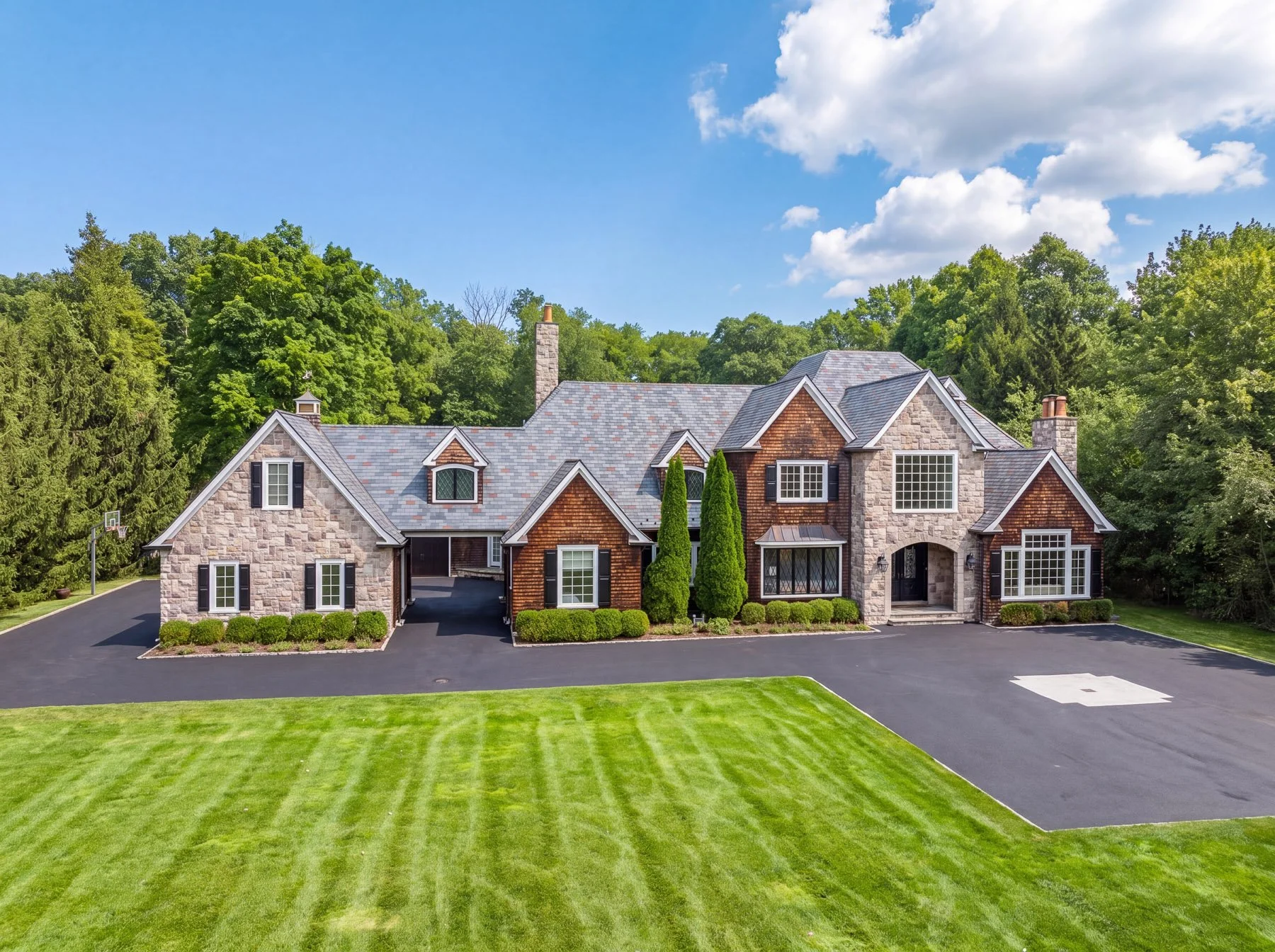


A 57th-floor Trump Tower residence with sweeping Manhattan views, and a Warren Platner designed two-home compound on 4.52 acres in Greenwich.