Why We Chase Moments That Take Our Breath Away
There is something worth examining about spectacle.
Not the manufactured kind that fills feeds and demands attention. The other kind. The moments that genuinely stop people. That makes them look up from whatever they were doing and feel something shift inside.
These moments are harder to find than they used to be. Or maybe they were always rare and simply went unnoticed in youth. Either way many people find themselves actively seeking them now in ways they never did before.
The world has become very good at simulating wonder. Every product launch promises revolution. Every trailer teases the epic. The language of amazement has been so thoroughly colonised by marketing that the words themselves have lost their weight.
Yet genuine awe still exists. It waits in places and moments that cannot be manufactured or controlled. Finding it requires intention. Sometimes it requires travel. Often it requires simply being present enough to notice what is actually there.
The Appeal of Controlled Spectacle
There is something deeply human about wanting to create wonder.
People have been doing it for thousands of years. Building monuments that dwarf human scale. Creating rituals that transform ordinary nights into something sacred. The impulse to mark important moments with spectacle runs through every culture.
Fireworks fascinate as a particular expression of this impulse. They exist purely to create a moment of shared wonder. They have no practical function. They cannot be kept or owned or accumulated. They happen and then they are gone.
Consider a wedding where the couple ends the evening with an elaborate fireworks display. The logistics are considerable. Sourcing wholesale fireworks for events like this involves more complexity than most people realise. Permits and timing and safety considerations that remain invisible to guests simply looking upward.
But at the moment none of that matters. What matters is the collective gasp as the first burst explodes over the water. The way conversations stop. The way everyone becomes briefly childlike in their attention.
Watch the faces more than the sky. The reflections in eyes. The unconscious smiles. Something about shared spectacle breaks through the irony and cynicism people usually carry. It gives permission to feel wonder without embarrassment.

The Limits of the Manufactured
Spectacle can be created. Awe is harder to engineer.
The difference matters more than often understood. Spectacle entertains. Awe transforms. Spectacle occupies the senses. Awe rearranges something deeper.
Many have experienced plenty of spectacle that left them unmoved. Concerts that should have been transcendent but felt merely loud. Fireworks that were technically impressive but emotionally flat. The ingredients for wonder were present but the wonder itself never arrived.
The missing element is usually presence. When someone arrives at a spectacular moment already distracted or already performing the documentation of it for later sharing the wonder cannot penetrate. They are there but not really there.
This realization changes how people approach experiences designed to impress. Leaving the phone in a pocket for the first few minutes at least. Resisting the urge to frame and capture and instead just looking. The habit of immediate documentation has cost more than initially recognised.
Some moments cannot be captured anyway. The feeling of bass reverberating through a chest at a live show. The smell of gunpowder mixing with night air after fireworks. The temperature of wind on a face while watching something beautiful unfold. These elements disappear in any recording. They exist only in real time for bodies that are actually present.
When Nature Provides the Spectacle
The most profound awe often comes from the natural world.
This surprises many initially. Those who grow up in cities have relationships with nature that remain largely theoretical. Landscapes serve as backgrounds for photographs rather than experiences in themselves.
Then something shifts. Partly from curiosity. Partly from a growing hunger for something that screens cannot provide. The experiences that follow rearrange understanding of what wonder actually means.
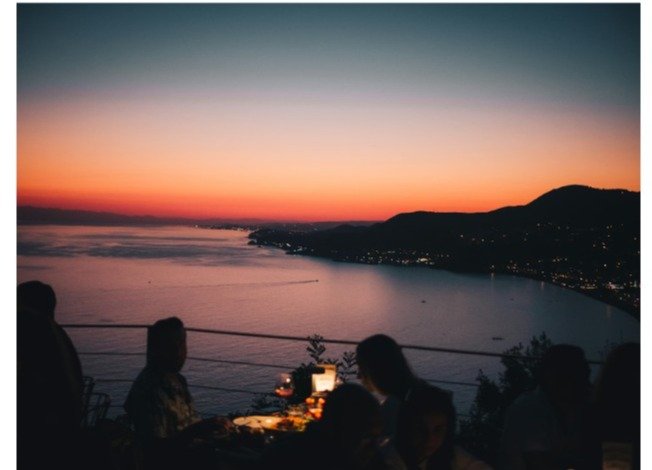
There is a particular quality to natural spectacle that differs from anything humans create. It exists without any regard for observation. The sunset will be magnificent whether or not anyone watches. The scale of a mountain range does not require an audience to achieve its effect.
This indifference is part of what makes natural wonder so powerful. People are not being performed too. They are simply being allowed to witness something that would happen regardless of their presence.
Australia contains landscapes that produce this feeling more intensely than anywhere else. The country is ancient in ways that European and American landscapes are not. The geological timescales visible in the rock formations put human concerns into immediate perspective.
Uluru in particular affects visitors more deeply than anticipated. Photographs seen countless times create expectations. Those expectations prove wrong.
The rock changes throughout the day in ways that photographs cannot convey. At sunset especially the colours shift minute by minute. Reds deepen into purples. Shadows lengthen across the desert floor. Attending an uluru sunset dinner experience combines landscape and gathering in ways that linger for years afterward.
There is food and wine and conversation. But mostly there is the rock. The impossible fact of it. The way it dominates the horizon while simultaneously feeling like it belongs there more than any visitor does. The sacred sites visible in the distance remind observers that this place has been provoking awe for tens of thousands of years.

What Awe Actually Does
Researchers have started studying awe scientifically in recent years.
The findings confirm what experiences have always been intuited. Awe makes people feel smaller in ways that are psychologically beneficial. It shifts attention away from the self. It increases feelings of connection to others and to the world. It makes people more generous and less focused on personal concerns.
This small self effect is not diminishment in a negative sense. It is perspective. The relentless focus on individual identity and personal branding that modern life encourages becomes exhausting. Awe provides relief from the burden of constant self-regard.
This effect lasts beyond the moment itself. After experiences of genuine wonder people are slightly different for days afterward. More patient. More aware of beauty in ordinary settings. Less caught up in problems that seemed urgent before but now reveal themselves as trivial.
This afterglow is part of why many seek these experiences actively now. They are not escapes from real life. They are resets that make real life more livable. The investment of time and money and planning pays returns that extend far beyond the moment of experience itself.
The Balance of Seeking
There is a tension in actively pursuing wonder.
The most powerful moments often arrive unexpectedly. The sunset no one planned to watch. The conversation that suddenly deepens. The ordinary day that reveals itself as extraordinary. Seeking too aggressively can make people miss what is already present.
Yet passively waiting for wonder means missing much of what is available. Wedding fireworks require someone to arrange them. The Uluru sunset requires someone to book the travel and make the reservation. Meaningful experiences rarely materialise from pure passivity.
A middle approach often works best. Intentionally creating conditions where wonder becomes more likely while remaining open to whatever actually arrives. Planning experiences that have historically produced awe without demanding that the awe appear on schedule.
Some planned experiences fall flat. Some unplanned moments become transcendent. The uncertainty is part of what makes genuine wonder valuable. If it could be reliably produced it would cease to mean what it means.
What We Are Really After
Behind the pursuit of spectacle and awe lies something simpler.
People want to feel alive. Fully and completely present in a moment that matters. The deadening effect of routine and responsibility and endless digital distraction creates hunger for experiences that break through.
Fireworks break through. Sacred landscapes break through. Sunsets and storms and starfields break through. They remind us that the world contains more than small concerns. That beauty exists whether anyone notices it or not. That some things are worth stopping for.
These moments deserve pursuit. Not desperately. Not as an escape from ordinary life. But as a necessary counterweight to everything that flattens and numbs.
The next fireworks display. The next impossible landscape. The next moment when everyone falls silent and looks upward together.
These are worth pursuing. These are worth protecting from the distraction of documentation. These are worth showing up for fully even when full presence feels difficult.
Wonder is still available. It just requires meeting it halfway.