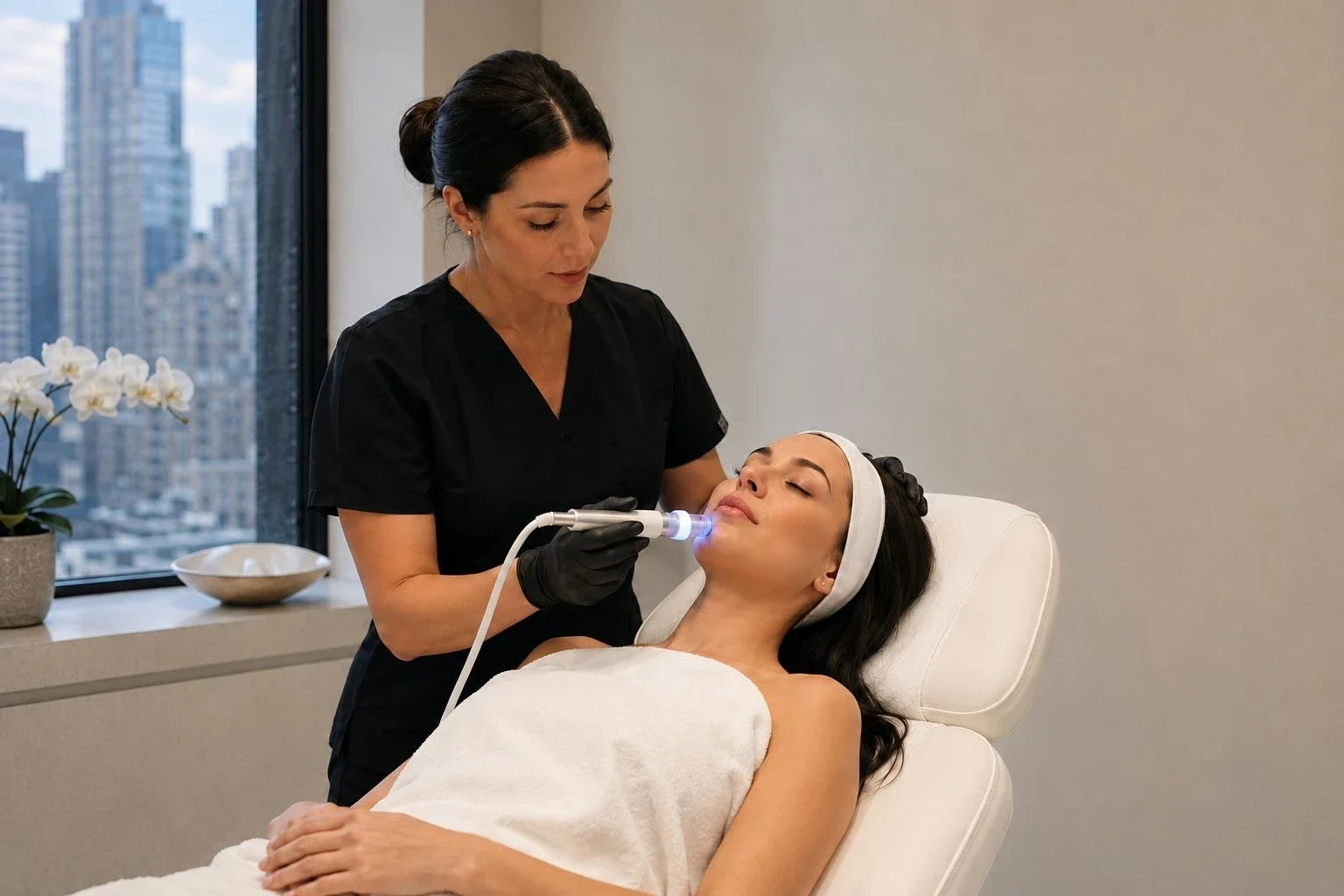
Why New York Is Embracing Non-Invasive Facial Rejuvenation
The clearest sign of change in New York's aesthetics market isn't a new device or a new technique. It's a question. Clients used to sit down and ask what could be fixed. Increasingly, they sit down and ask what can be kept.
That reversal explains a great deal about where the industry has moved. Across Manhattan, and just as visibly in Brooklyn, demand has drifted away from procedures that redraw a face and toward regular, low-drama upkeep that leaves one looking well rested rather than recently altered. Skin quality has replaced structural change as the thing people are willing to spend money on. The treatments themselves are only part of the story; what really shifted is the philosophy behind them.
Why New Yorkers Are Rethinking Anti-Aging
Cosmetic surgery used to carry a kind of social signal. It suggested resources, and a certain decisiveness about aging. Over the past several years that signal has weakened — most noticeably among people in their thirties and forties, who watched an older generation commit to results that were difficult to undo.
Four forces are driving the change:
Social media turned on dramatic work. The same platforms that once rewarded it now scrutinize it constantly.
Video is unforgiving. Front-facing cameras catch what professional lighting used to soften, and audiences have become fluent at spotting overcorrection.
The aspiration has flipped. Public figures who look their age, with good skin, currently attract more admiration than those who look rebuilt.
The reference photo changed. Specialists across the city report the same thing: clients rarely arrive with photographs of celebrities anymore. They arrive with photographs of themselves from a few years earlier.
The brief is to preserve a face rather than redesign one, and that brief points naturally toward non-surgical facial rejuvenation, where progress accumulates quietly across a series of appointments instead of arriving all at once.
The Shift Toward Non-Surgical Solutions
Lighter treatments were once framed as a stopgap for people who weren't ready to commit. That framing has collapsed. For a large share of clients, non-invasive care is now the plan, not the prelude to one.
Practicality drives much of it. Recovery is difficult to conceal in a city where people share elevators, sit in open-plan offices, and appear on camera several times a day. Disappearing for a fortnight is a genuine professional cost. An appointment that fits between lunch and a 4 p.m. meeting is a different proposition entirely, and in New York that difference tends to decide things.
Reversibility matters too. Surgical outcomes are final in a way that makes people hesitate; a course of gentler treatments can be adjusted, paused, or abandoned without consequence. Add to this the sheer density of the local market, where dozens of studios compete within a few blocks of one another, and clients end up with unusual leverage. They can afford to be particular, and they are.
Inside the Technology Behind Modern Facial Rejuvenation
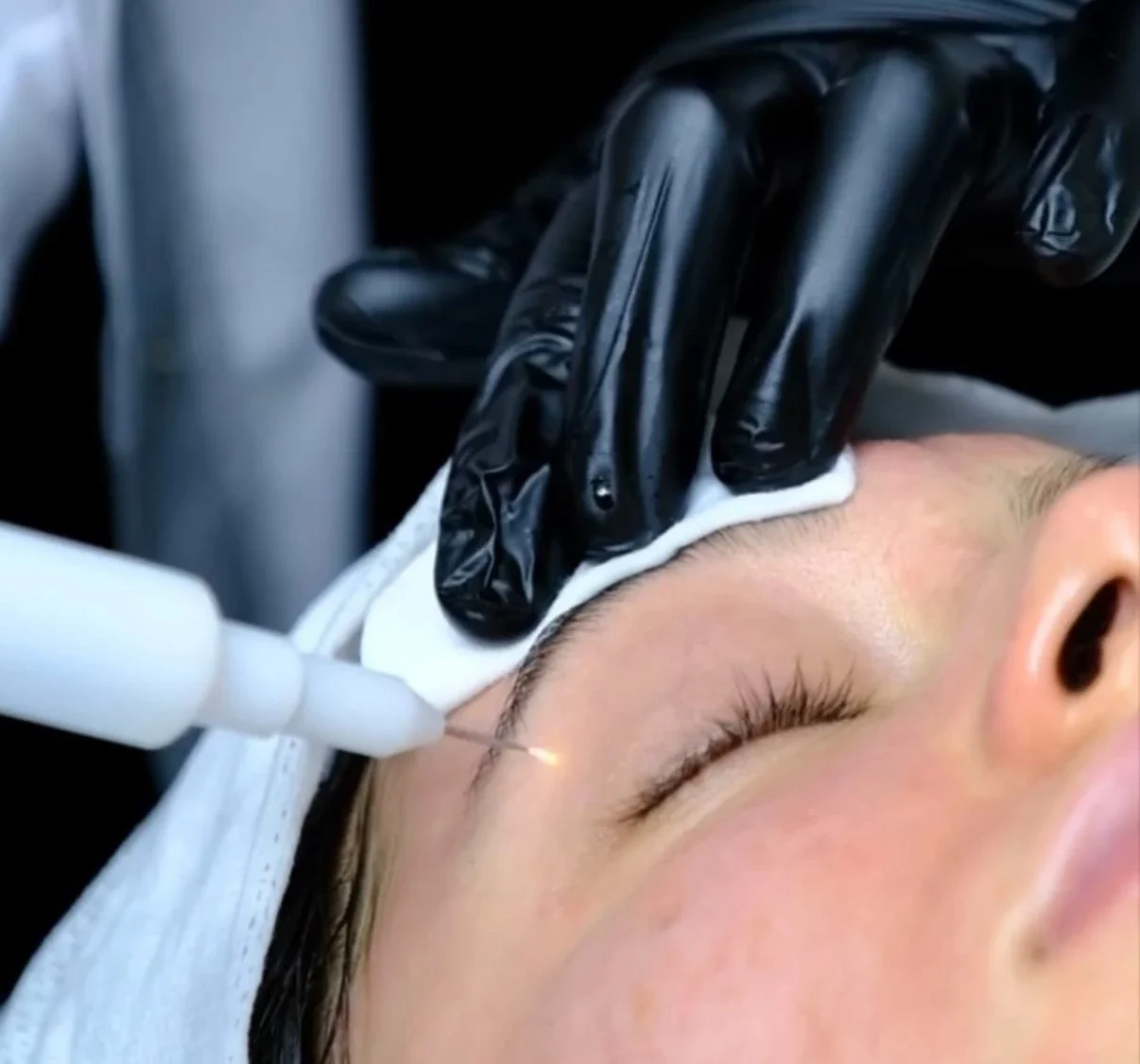
A good portion of recent progress comes from equipment that works without heat. Non-thermal plasma, usually shortened to NT Plasma, sits at the center of that shift, and the concept is simpler than the name implies.
The basics, in plain terms:
Plasma is the fourth state of matter, after solid, liquid and gas. Apply enough energy to ordinary air and its particles separate into a charged, reactive stream. Lightning is plasma.
In a treatment room, it's cool and small. A handheld device produces a fine flow of that charged air a fraction of an inch above the skin.
It doesn't rely on significant heat. Instead of thermal energy, the technology works through energized particles that interact with the skin's surface in a controlled manner.
The aim is to support the skin's own renewal, while minimizing unnecessary stress on surrounding tissue.
Precision is the appeal. Rather than applying one universal solution, practitioners can adapt treatment to different skin concerns and individual characteristics.
Every technology has its own applications and limitations. But the growing interest in non-thermal approaches illustrates the wider direction of travel: toward treatments that emphasize skin health alongside cosmetic improvement, and toward personalized planning instead of standardized protocols.
Why Personalization Matters in Choosing a Facial Specialist
Skin refuses to be standardized. Two clients of the same age, living a few subway stops apart, may need entirely different approaches depending on sun history, hormones, medication, sleep and inherited tendencies. A protocol that suits one can do very little for the other.
This is where a capable specialist separates from an indifferent one. A serious consultation feels closer to an interview than a sales conversation: questions about medical history, previous treatments, current products, and what specifically prompted the visit. It should also include a willingness to say that a given technology isn't appropriate, or that expectations need adjusting. In a market this crowded, that kind of candor is a reliable filter.
Worth asking as well: what happens between visits. Home care, sun protection and honest timelines determine much of what any series of sessions can achieve.
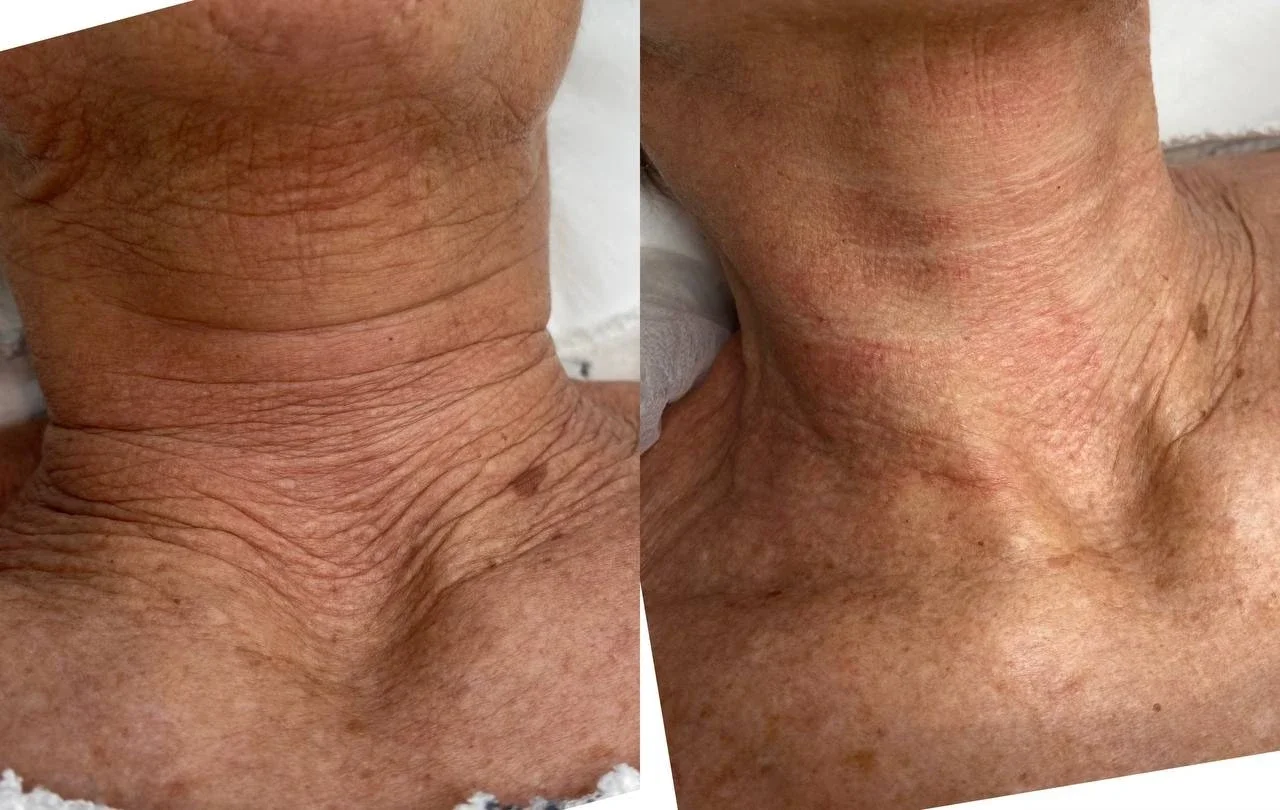
A Manhattan Studio Approaching This Differently
TheArtFace, a small facial spa in New York at 31 E 32nd St Ste 607, offers one illustration of how this looks in daily practice. The Murray Hill studio works largely with non-thermal plasma and structures sessions around individual assessment rather than a fixed menu, an approach that has become steadily more common as the field has moved in this direction.
This broader trend is reflected in the approach of studios like TheArtFace. Increasingly, facial rejuvenation is shaped not only by the technology used but also by careful consultation and individualized treatment planning. Spas and studios that emphasize long-term skin health over dramatic change are well positioned to meet these changing expectations.
Read broadly, the shift says something about the city rather than about skincare. New Yorkers have grown skeptical of decisive solutions in most areas of life, and noticeably more comfortable with maintenance that is unglamorous, incremental and consistent. Aiming to look like a better-rested version of yourself is a modest ambition. It also appears to be the one that lasts.