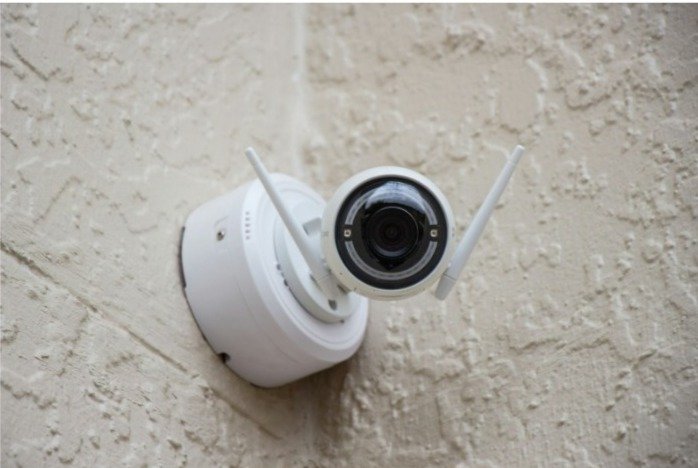
Why Every Australian Homeowner Should Consider Residential Surveillance Cameras
Home security has evolved dramatically over the past decade, moving well beyond basic alarm systems and deadlocks into the realm of intelligent, connected surveillance technology.
Today's residential cameras offer homeowners a level of awareness and control over their property that was once reserved for commercial buildings and high-security facilities.
The Changing Landscape of Home Security in Australia
Property crime remains a persistent concern across Australian suburbs, with break-ins, package theft and vandalism affecting thousands of households each year.
The Australian Institute of Criminology has consistently highlighted that visible security measures, particularly cameras, serve as one of the most effective deterrents against opportunistic criminals who typically target homes that appear unmonitored.
What has changed most significantly is the accessibility of these systems. Advances in wireless technology, solar power and mobile connectivity mean that high-quality surveillance is no longer expensive or complicated to install, making it a practical option for everyday Australian families rather than just those with large budgets.
More Than Just Catching Intruders
While deterring break-ins is the most obvious benefit, the practical uses of a home security camera extend far beyond crime prevention.
Parents use them to check whether children have arrived home safely from school, pet owners monitor their animals during the day, and homeowners keep an eye on deliveries left at the front door.
This broader utility is part of a growing trend in smart home integration, where security cameras work alongside other connected devices to create a more convenient and responsive living environment.
As a guide to smart home technology highlights, security cameras now rank among the most desired features for modern homeowners who want whole-home connectivity and automation convenience built into their daily routines.
Key Features to Look for in a Home Camera System
Not all residential cameras are created equal, and understanding the features that matter most will help you make a well-informed purchase decision.
The most important capabilities to evaluate include video resolution, night vision quality, motion detection sensitivity, weather resistance and the ability to access live or recorded footage remotely from your smartphone.
Night vision is particularly critical for Australian homes because the majority of residential break-ins occur during the evening hours or in the early hours of the morning when visibility is lowest.
A camera with strong infrared or no-glow technology can capture clear images in complete darkness without alerting intruders to the fact that they are being recorded.
Wired Versus Wireless Systems
One of the first decisions homeowners face is whether to install a wired or wireless camera system, and each option comes with distinct advantages.
Wired systems offer uninterrupted power and a stable video connection, making them ideal for permanent installations where the cameras will remain in fixed positions for years.
Wireless and cellular cameras, on the other hand, offer far greater flexibility in terms of placement and are significantly easier to install without professional help.
Solar-powered wireless models have become especially popular in Australia because they eliminate the need for power outlets, making them perfect for monitoring sheds, driveways, side gates and other areas of the property that are far from mains electricity.
The Rise of 4G Cellular Cameras
One of the most significant recent developments in residential surveillance is the emergence of 4G cellular cameras that operate independently of your home WiFi network.
These cameras transmit footage over the mobile phone network, which means they continue to function even during internet outages or if an intruder cuts your broadband connection.
For homeowners in rural or semi-rural areas of Australia where WiFi coverage can be inconsistent, 4G cameras provide a reliable monitoring solution that works anywhere with mobile reception.
Many of these units also come with solar panel kits, creating a completely self-sufficient surveillance system that requires virtually no ongoing maintenance once installed.
Choosing the Right Camera for Your Property
The ideal camera setup depends entirely on the specific layout and vulnerabilities of your property, as no two homes present the same security challenges.
A single-storey suburban home with a long driveway might benefit most from a pan-and-tilt camera with auto-tracking at the front, while a two-storey home backing onto a laneway might need multiple fixed cameras covering different angles.
For Australian homeowners looking for a comprehensive selection of options across different budgets and feature sets, it is worth exploring residential surveillance cameras from specialist retailers who carry trusted brands with features like motion detection, night vision, mobile access and solar compatibility.
Having access to expert guidance during the selection process ensures you invest in a system that genuinely matches your property's needs rather than overspending on unnecessary features.
Placement Strategy for Maximum Coverage
Where you position your cameras matters just as much as the quality of the cameras themselves, because even the best hardware underperforms when installed in the wrong locations.
The highest priority positions for most Australian homes include the front entrance, the driveway or carport, the backyard or rear access point, and any side gates or passages that could provide concealed entry to the property.
Height is another important consideration, as cameras mounted too low can be easily tampered with or redirected, while cameras mounted too high may capture wide angles but miss the facial detail needed for identification.
A mounting height of approximately 2.5 to 3 metres typically provides the best balance between security, image clarity and tamper resistance.
Understanding Australian Privacy Laws
Before installing external cameras, it is essential to understand the privacy regulations that apply in your state or territory, as the rules vary across different parts of Australia.
Generally, you are permitted to record video of your own property and any areas visible from your property, but recording audio or directing cameras specifically into a neighbour's private spaces can create legal issues.
The simplest way to stay on the right side of the law is to angle your cameras so they primarily cover your own property boundaries, entrances and driveways.
Many homeowners also find that openly visible cameras, rather than hidden ones, not only comply more comfortably with privacy expectations but also serve as a stronger visual deterrent to anyone who might be considering targeting the property.
The Value of Night Vision and Motion Detection

Two features that separate genuinely useful home cameras from basic models are high-quality night vision and intelligent motion detection.
Standard infrared night vision allows cameras to capture clear black-and-white footage in darkness, while newer models with starlight sensors or colour night vision can produce remarkably detailed images even in very low light conditions.
Intelligent motion detection has also advanced considerably, with many current cameras using AI-powered algorithms to distinguish between humans, vehicles, animals and environmental movement like swaying branches.
This means you receive meaningful alerts about genuine activity on your property rather than being bombarded with false notifications every time a cat walks across the driveway or the wind moves a garden shrub.
Solar Power: A Game Changer for Australian Homes
Australia's abundant sunshine makes it one of the best countries in the world for solar-powered security cameras, and this technology has matured to the point where it is genuinely reliable for year-round use.
A quality solar panel kit paired with a rechargeable battery can keep a camera running indefinitely, even through stretches of overcast weather, without ever needing to be plugged into mains power.
This independence from the power grid is particularly valuable for protecting detached garages, garden sheds, boat storage areas, rural properties and holiday homes that may not have convenient access to electrical outlets.
Solar cameras also eliminate the ongoing electricity costs associated with running a wired surveillance system around the clock, making them the most cost-effective long-term option for many households.
Making the Investment Count
A home security camera system is one of those investments where the value becomes most apparent on the one occasion you actually need it, whether that is capturing evidence of a break-in, confirming a delivery was safely received, or simply providing peace of mind while you are away on holiday.
The cost of a quality system is modest compared to the financial and emotional toll of a single burglary or property crime.
The key to getting the most from your investment is to choose cameras that match your specific property, install them in well-considered positions, and take the time to configure alerts and recording settings so the system works seamlessly with your daily routine.
With the right setup in place, a residential surveillance system quietly works in the background every hour of every day, giving you confidence that your home and family are being watched over even when you cannot be there yourself.