Why A Window Size Guide Matters For Remodeling And Home Upgrades
When planning a remodeling project or upgrading parts of a home, windows often play a larger role than expected. They influence how much light enters a room, affect energy performance, and set the tone for the overall look of a space. Choosing the right size is rarely a simple matter of picking a frame that fits. The dimensions of each window determine comfort, safety, and design balance. A reliable size reference helps avoid costly mistakes and prevents delays during construction. Homeowners who understand how to navigate window dimensions often find their remodeling projects move forward with greater clarity and confidence.
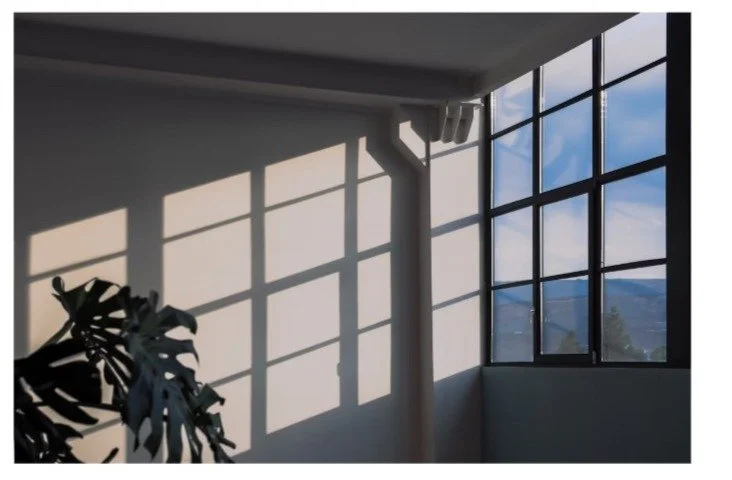
The Importance of a Window Size Guide
For homeowners and contractors embarking on remodeling projects, understanding window dimensions can prevent costly mistakes and time-consuming adjustments. One of the most practical tools in this process is a standard window size guide, which offers a detailed reference for measurements commonly produced by manufacturers. By consulting a guide like this, individuals can match their design plans with sizes that are readily available, avoiding the need for custom orders unless truly necessary. It also helps streamline communication with builders, architects, and suppliers, creating a shared framework for making decisions about placement, proportion, and style.
Beyond simplifying ordering and installation, the guide provides insight into how different window sizes affect lighting, ventilation, and overall room balance. Using such a reference ensures that every choice, from selecting double-hung windows to deciding on larger picture windows, is made with confidence, reducing the likelihood of mismatched frames, awkward fits, or delayed construction timelines.
A reliable guide becomes more than a list of measurements; it serves as a foundation for thoughtful, practical, and efficient home upgrades.
Balancing Design and Functionality
Windows should never be selected based on looks alone. The size and placement of each opening significantly influence a room’s comfort and functionality. Large panes can flood a space with natural light, creating an airy, welcoming feel, but if poorly positioned, they may cause glare or increase heat during warmer months. Smaller windows, while preserving wall space for furniture or storage, can leave a room dim, confined, or disconnected from the outdoors.
Striking the right balance requires weighing both visual appeal and practical outcomes. Orientation, surrounding architecture, and interior layout all shape how a window performs within a space. Using size references as a guide ensures openings provide sufficient daylight, maintain privacy where necessary, and align with the overall design. With thoughtful planning, windows can enhance comfort, beauty, and functionality for everyday living.
These spaces are usually ideal for adding a touch of nature to your home's facade while maximizing the utility of every external sill or ledge. Setting up a sturdy window box on your chosen frame allows for the cultivation of vibrant plants that bridge the gap between indoor comfort and the outdoor environment. Selecting various seasonal blooms ensures that the property maintains its visual charm throughout the year with minimal effort. This simple addition creates a more inviting atmosphere that complements the architectural lines of the building.
Energy Performance and Comfort
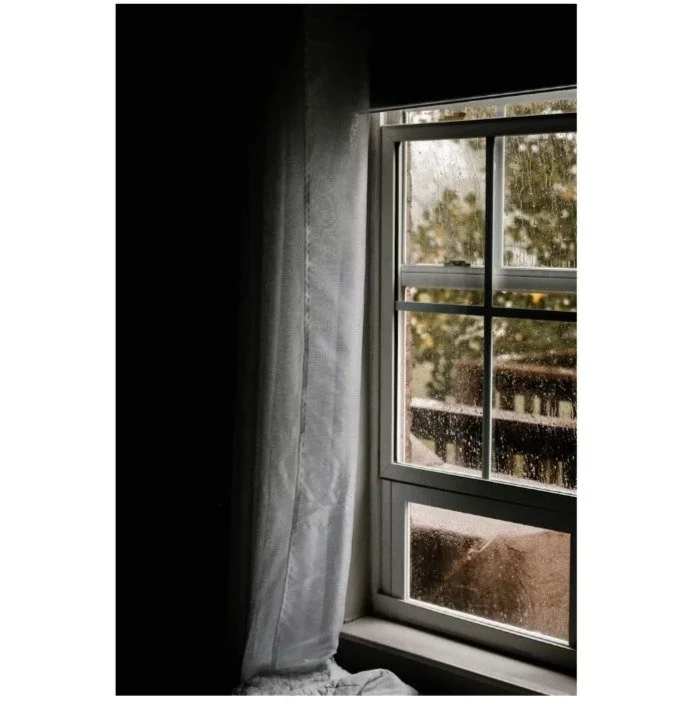
A window’s size has a direct impact on energy use and comfort levels. Larger glass surfaces can lead to heat loss in winter and heat gain in summer. Choosing sizes that align with energy codes and best practices helps reduce utility bills over time. Properly sized windows also work more effectively with ventilation strategies, allowing air to circulate and maintain healthier indoor conditions. When dimensions are carefully planned, they help regulate temperature naturally, minimizing the reliance on mechanical systems. This kind of forethought translates into a home that feels comfortable year-round without unnecessary energy waste.
Safety, Accessibility, and Building Codes
Every remodeling project must account for safety and accessibility. Window dimensions are often dictated by local building codes that set standards for fire escape routes, minimum opening sizes, and sill heights. A guide helps homeowners identify dimensions that meet these requirements before any purchase is made. Bedrooms, for instance, usually need windows that allow easy egress in case of emergency. Similarly, certain installations must follow height requirements to protect children. Referring to standard sizing helps prevent costly adjustments during inspections and makes sure every opening complies with regulations designed to protect the occupants.
Customization and Design Flexibility
Even with standard measurements readily available, many homeowners look for ways to showcase personal style through their windows. Custom sizing offers opportunities for creative architectural statements that go beyond typical catalog selections. Tall, narrow panes can emphasize vertical spaces and frame outdoor views dramatically, while wide, expansive openings help blur the boundaries between indoor living areas and outdoor patios or gardens. Bay and bow windows, for instance, can be adapted to fit unconventional wall dimensions, adding both depth and character to a room.
Custom designs also allow for distinctive material choices, grille patterns, and glass treatments that enhance privacy, natural light, or energy efficiency. While these builds usually cost more and take longer to complete, they provide homeowners with precise control over aesthetics, functionality, and integration into existing design elements.
By first understanding standard dimensions, homeowners gain a useful reference point to identify where customization will have the most impact—whether visually or practically—and where off-the-shelf sizes may be the smarter choice. Striking this balance between ready-made and custom options ensures that a remodeling project achieves individuality without compromising efficiency, resulting in a home that feels both thoughtfully designed and uniquely tailored.
Planning for Future Upgrades
Windows are long-term investments, and thoughtful planning can help homeowners avoid costly headaches down the road. When selecting sizes during a remodeling project, it’s important to consider how the home may evolve over time. A future room addition or a reconfigured interior layout might call for matching or complementary window sizes. By opting for dimensions that align with common standards, homeowners make it easier to replace or replicate windows later without relying on expensive custom work.
This forward-thinking approach also helps preserve a consistent aesthetic throughout the home, preventing mismatched openings that could disrupt the overall design. Standard sizing offers practical advantages as well—it simplifies maintenance and often boosts resale value, since buyers tend to prefer homes with windows that are easy to source and replace.
Planning with the future in mind transforms a remodel from a one-time upgrade into a strategic investment, ensuring today’s decisions continue to support comfort, style, and functionality for years to come.
Selecting the right window sizes is about more than filling an opening in a wall. Dimensions affect how a space feels, how it functions, and how much it costs to maintain. A clear reference guide helps homeowners make decisions that align with both design goals and practical needs. From meeting safety codes to managing energy performance, from blending standard options with custom designs to preparing for future renovations, the role of a window size guide cannot be overstated. When remodeling or upgrading, those who plan carefully around size choices create homes that remain comfortable, efficient, and attractive for years to come.