What It Takes to Outfit a Commercial Kitchen
A great restaurant lives or dies in the kitchen, and the kitchen lives or dies on its equipment. Outfitting one is far more involved than buying a bigger version of a home setup. It is part budget, part building code, and part hard-won planning.
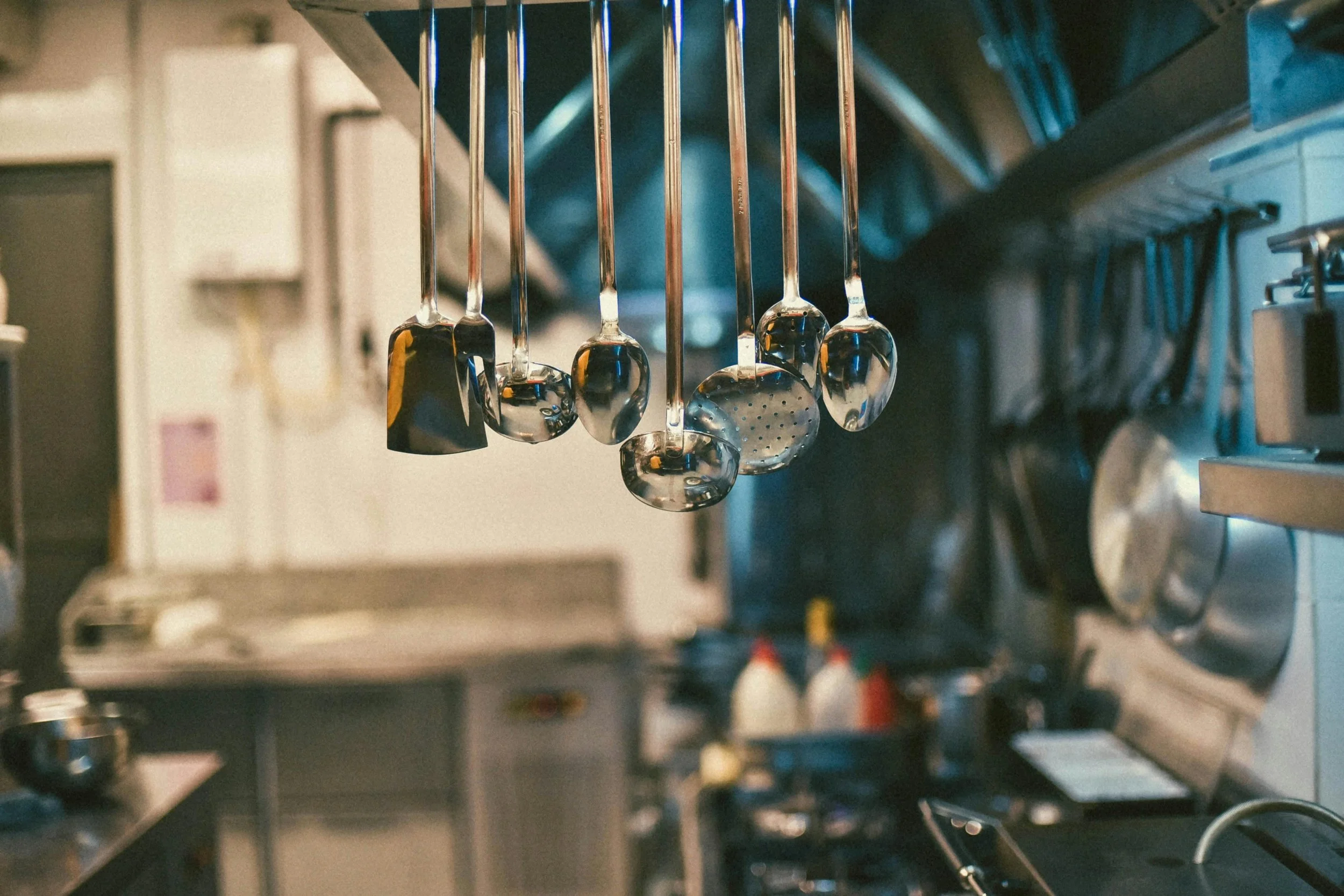
Get it wrong and you pay twice, in repairs and in lost service. That is why operators lean on specialists like Chef Stop, a Canadian retailer supplying commercial refrigeration, food-prep tools, and bar equipment built for daily punishment. This guide walks through what a commercial kitchen actually needs, how to prioritize the spend, and whether new or used makes more sense.
What Equipment Does a Commercial Kitchen Need?
More than a first-timer expects, and in a specific order. The core falls into a few groups: cooking, cold storage, prep, warewashing, and ventilation.
Cooking equipment is the obvious heart of it. Ranges, ovens, fryers, and grills are chosen around the menu, not the other way around. A pizza place and a sushi bar need almost nothing in common here.
Cold storage is just as critical and often underbought. Walk-in coolers, reach-in fridges, and freezers protect both your food and your margins. Prep tables, sinks, shelving, and a commercial dishwasher round out the working core.
The temperature rules are exact and enforced. Cold food must stay at or below 40°F, hot holding above 140°F, and poultry cooks to 165°F. Those limits come straight from federal guidance on food safety basics, and missing them is the quickest way to fail an inspection.
How Do You Prioritize the Big Purchases?
Spend where failure hurts most. A simple order of priority keeps a tight budget focused:
Refrigeration first. A failure here spoils stock and shuts you down.
Cooking line second. It defines what you can actually serve.
Warewashing third. No clean dishes means no service.
Prep and storage fourth. Vital, but cheaper to scale up later.
Front-of-house extras last. Nice to have, not need to have.
Work down that list and you protect the parts that stop service if they break. Scaling a restaurant business is a cash-flow tightrope, so every dollar should buy reliability before it buys polish.
There is a hidden cost most first-timers miss: installation and utilities. A heavy range needs the right gas line, a walk-in needs drainage, and a dishwasher needs both power and hot water. Budgeting for the equipment alone, without the hookups behind it, is how opening timelines slip and costs balloon.
Why Does Compliance Drive the Layout?
Because health codes are not suggestions, and inspectors fail kitchens that ignore them. Compliance shapes the floor plan as much as the menu does.
The rules cover surfaces, spacing, handwashing, and the flow from raw to cooked. The FDA's food code is the model most US jurisdictions build on, and it touches nearly every equipment choice you make. Stainless steel dominates kitchens for exactly this reason: it cleans fast and resists corrosion.
Layout follows from those rules. Raw and cooked areas have to stay separate, handwashing sinks sit where staff actually work, and ventilation has to clear heat and grease safely. A polished spot like this Thai newcomer hides a fully code-compliant kitchen behind the dining room, and the layout was settled long before the menu was printed.
New or Used: What Should You Buy?
It depends on the piece, and smart operators mix the two. The table below shows where each makes sense.

The rule of thumb is simple. Buy reliability where downtime costs you a service, and save money where a scratch does not matter. A good supplier will tell you honestly which category a piece belongs in.
What to Plan For Before You Buy
Choose cooking equipment around the menu, never the reverse.
Treat reliable refrigeration as a legal and financial must-have.
Let the health code shape your layout from the start.
Spend new on anything whose failure stops service.
Mix new and used to stretch the opening budget.
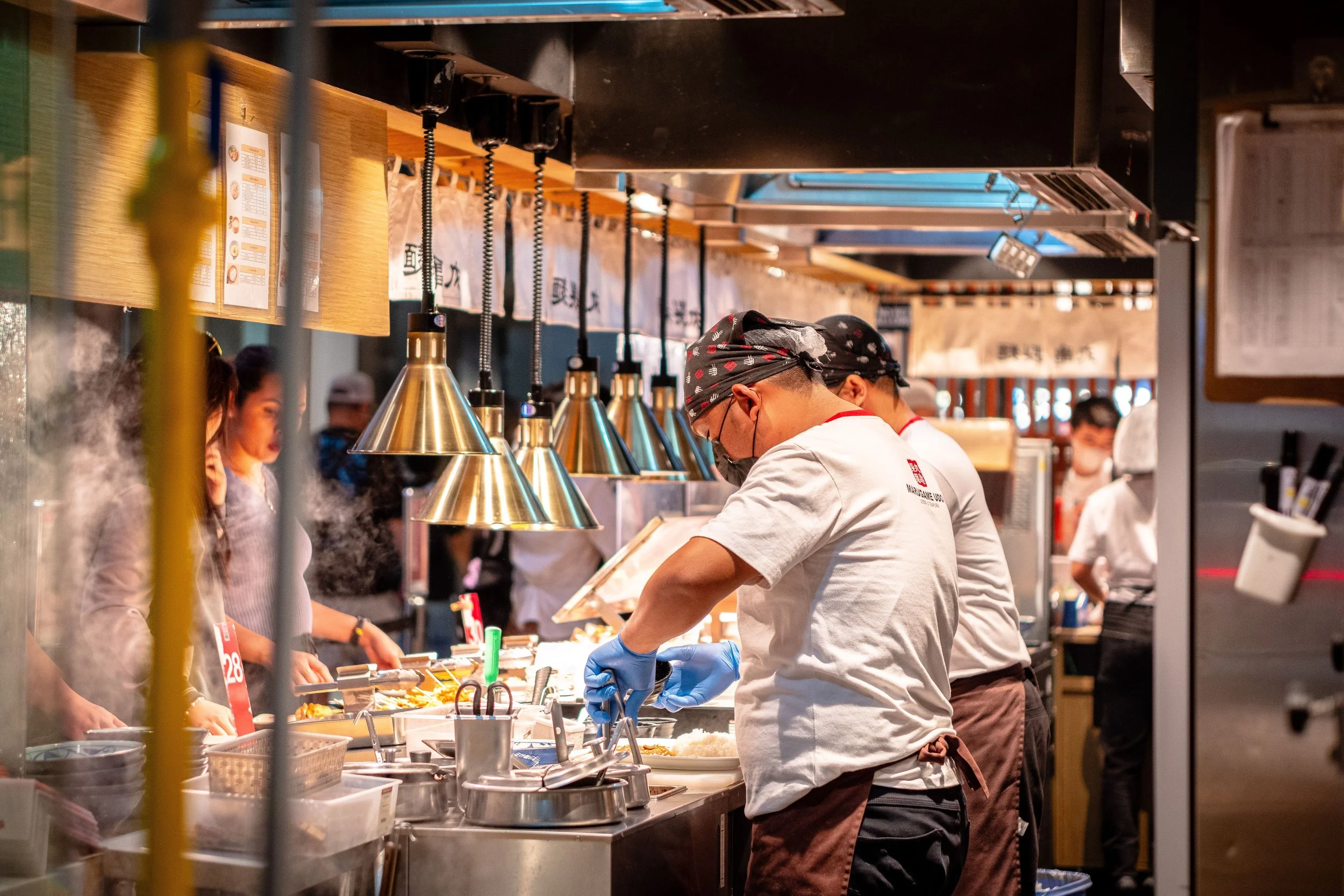
Building a Kitchen That Lasts
A commercial kitchen is the engine room of the whole business, and it rewards planning over impulse. Match the equipment to the menu, respect the code, and put your money where reliability counts. For operators in Canada especially, sourcing that heavy-duty gear from an established domestic supplier keeps delivery, warranty, and support close to home. Do that, and you build a kitchen that holds up through years of service rather than one that fights you from opening week.
Frequently Asked Questions
How Much Does It Cost to Equip a Commercial Kitchen?
It varies enormously with the concept and size, often running from tens of thousands into six figures for a full build. Refrigeration and cooking equipment usually take the biggest share. Mixing new and used gear and prioritizing the essentials first can bring the opening number down considerably.
Is Used Commercial Kitchen Equipment Worth Buying?
For many items, yes. Heavy stainless ranges, prep tables, and shelving often have years of life left at a fraction of the price. The exception is refrigeration, where reliability and warranty usually justify buying new. A trusted supplier can help you judge each piece. Always check that used equipment still meets current safety and sanitation standards before you commit, because a cheap unit that fails inspection is no bargain at all.
What Refrigeration Does a Restaurant Actually Need?
Most kitchens need a mix of walk-in cold storage, reach-in fridges near the line, and freezer capacity for stock. The goal is keeping cold food at or below 40°F at every stage. The right combination depends on your menu, volume, and available space.
Why Is Stainless Steel Standard In Commercial Kitchens?
Because it meets health codes and survives heavy use. Stainless steel is non-porous, easy to sanitize, and resists corrosion from constant cleaning. Those qualities make it the default for surfaces and equipment in any kitchen that has to pass inspection and run hard every day.