How Premium Decking Materials Boost Property Value
In modern residential architecture, the line between indoor luxury and outdoor comfort has blurred. Homeowners no longer view backyards merely as patches of grass; they treat them as essential extensions of their living space. This paradigm shift has made high-quality outdoor renovations immensely lucrative.
Among the various home improvement projects available, constructing a premium deck stands out as one of the most reliable ways to increase property value, maximize aesthetic appeal, and secure a stellar return on investment (ROI).
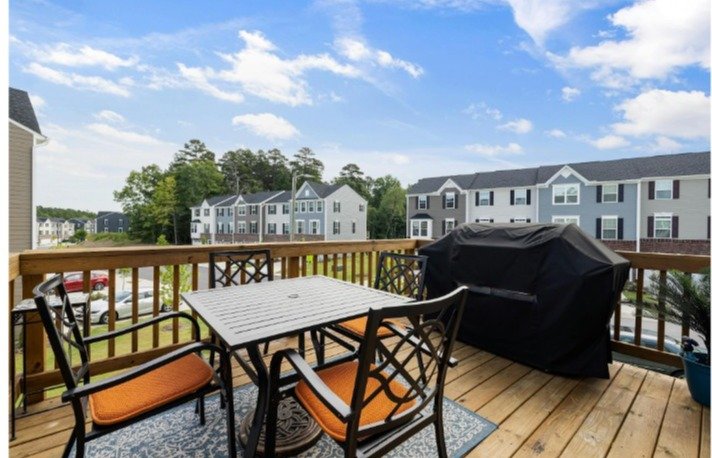
The Critical Role of Structural Integrity
When a real estate appraiser or a savvy home inspector examines a deck, they look past the surface boards. They peer underneath to inspect the substructure and the fastening system. A deck is only as good as the hardware holding it together. If a premium surface board is anchored by cheap, rust-prone screws, the entire investment is compromised.
Sub-frame timber moves, expands, and contracts due to climate fluctuations. Standard screws can snap under this shear stress, or their heads can strip during installation, leaving sharp, unsightly edges that ruin the smooth look of a premium finish.
Low-grade steel corrodes rapidly when exposed to the elements or the chemicals found in pressure-treated joists, causing dark, ugly rust stains known as "bleeding" to mar the timber.
Utilizing specialized engineered solutions, such as SPAX-D decking screws at Screws and Fasteners, ensures that the structural integrity matches the premium quality of the wood or composite boards. To prevent these issues and safeguard property value, professional builders use trade-grade hardware.
The Modern ROI of Deck Additions
When evaluating home renovations, smart property owners look closely at the expected return on investment. Historically, outdoor additions have performed well, but recent housing market data indicate that their value-add potential is skyrocketing.
According to data from the 2025 Cost vs. Value Report, a wood deck addition delivers an incredible 95% return on investment (ROI) at resale. This represents a massive surge from previous years, up from 83% in 2024 and just 50% in 2023.
This dramatic upward trend highlights a fundamental shift in buyer behavior: buyers are willing to pay a premium for homes that feature move-in-ready, highly functional, and beautiful outdoor living zones.
A deck expands the usable square footage of a home without the massive overhead costs, permits, and disruptive construction timelines associated with adding a traditional concrete-and-brick room extension.
When a prospective buyer walks into a backyard and sees a flawless, expansive deck, they instantly visualize summer barbecues, quiet morning coffees, and family gatherings. That emotional and practical appeal translates directly into higher appraisal values and faster sales cycles.
Timber vs. Composites
To secure the highest possible valuation, homeowners must choose materials that align with modern consumer preferences. The two primary categories in the high-end decking sector are premium natural timbers (such as Merbau, Spotted Gum, or Teak) and high-performance wood-plastic composites (WPC).
Premium Hardwoods
For purists, nothing matches the prestige and sensory appeal of premium natural hardwoods. Species like Spotted Gum and Merbau are naturally dense, rich in oils, and highly resistant to termites and decay. When properly oiled and maintained, a premium hardwood deck can last for decades, developing a beautiful character that adds sophisticated architectural value to a property.
Advanced Composite Decking
While hardwoods remain a gold standard, wood-plastic composites have seen an unprecedented rise in market share due to their virtually maintenance-free nature. Industry data reveals that wood-plastic composites captured 28% of U.S. decking demand in 2025, gaining six percentage points in five years.
Modern composites resist fading, scratching, staining, and mold. They do not split, splinter, or require annual sanding and staining. For the contemporary buyer, especially millennial and Gen Z professionals who prioritize convenience, a low-maintenance composite deck is highly attractive. They are willing to pay more upfront for a property if it means they won't have to spend their weekends stripping or re-coating a deck.
How Premium Decks Create Crucial "Curb Appeal" and Emotional Value
In real estate, first impressions dictate final offers. While curb appeal traditionally refers to the front of the house, "rear curb appeal" is becoming just as critical in the luxury and mid-tier markets.
A premium deck functions as a visual anchor for the backyard. It elevates the entire landscape architecture, transforming a flat, uninspiring yard into a multi-tiered sanctuary. Design elements like integrated LED step lighting, built-in bench seating, picture-frame borders, and seamless transitions to indoor open-plan living spaces make a home feel substantially larger and more luxurious.
When a property features a premium deck built with precision craftsmanship and top-tier materials, it sends a clear signal to prospective buyers: this home has been cared for. Buyers assume that a homeowner who invests in top-grade timber, high-end composites, and premium German-engineered fasteners has likely taken excellent care of the rest of the property’s hidden elements, such as plumbing, roofing, and insulation. This builds immediate buyer confidence, reduces negotiations, and can spark competitive bidding wars.
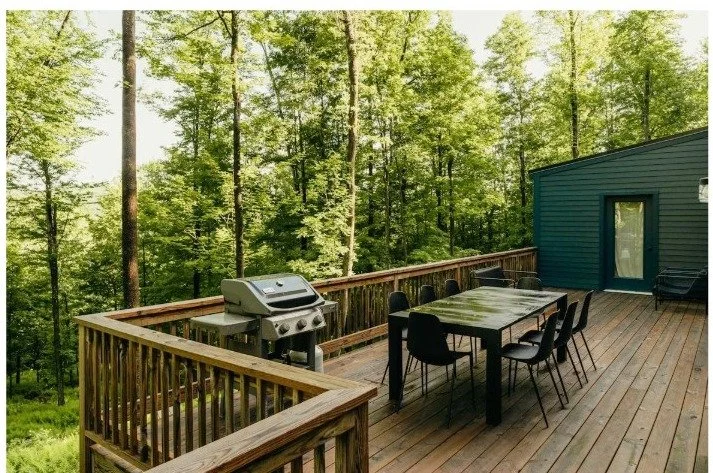
A deck is far more than an outdoor platform; it is a high-yield financial asset for your property. With the wood deck ROI soaring to an impressive 95% in recent market reports, and wood-plastic composites capturing nearly a third of the market demand due to their durable appeal, the data clearly support investing in outdoor spaces.