What Happens to a Roof During a Major Storm?
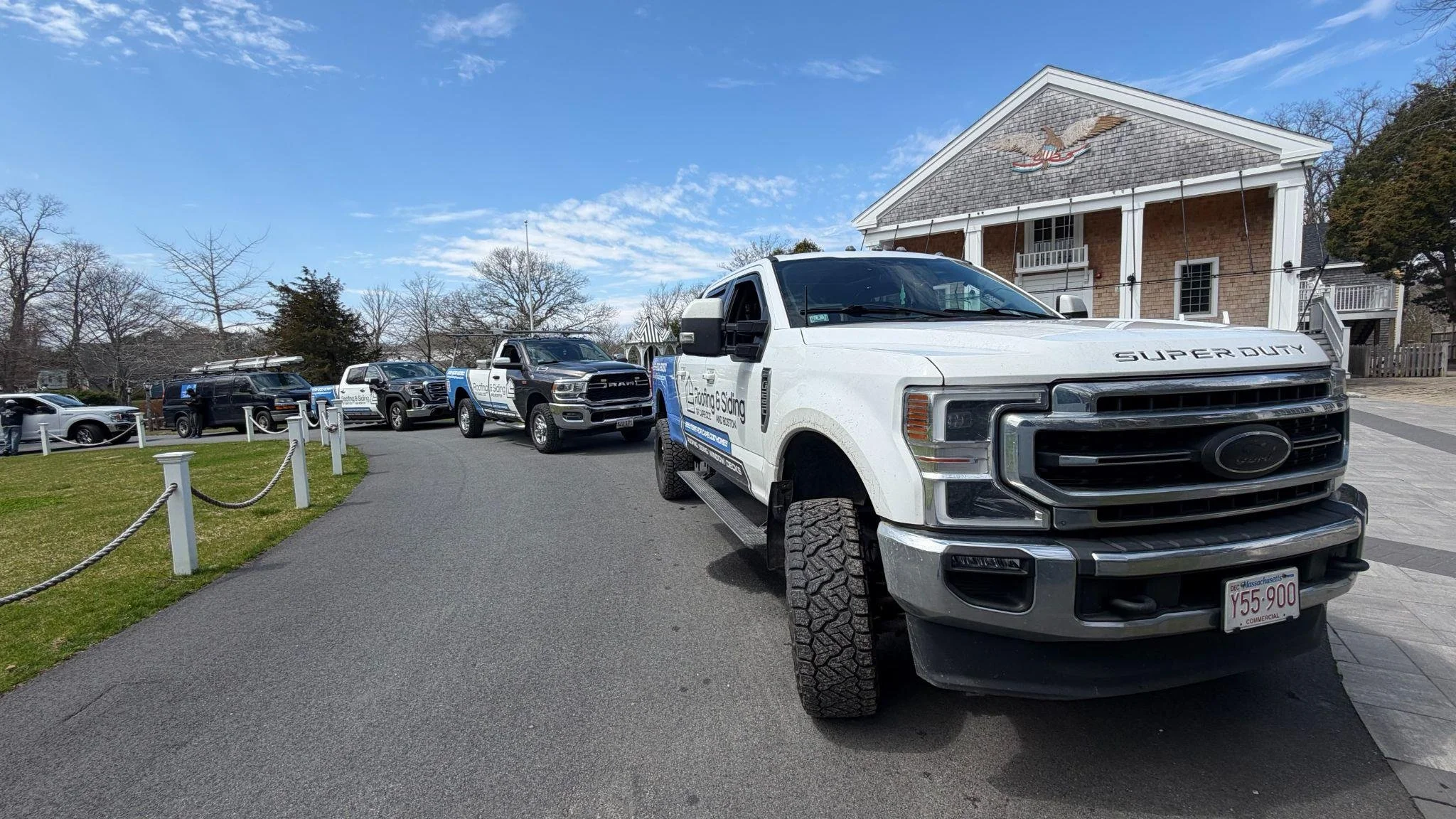
I have climbed a lot of roofs the week after a storm that the owner swore came through fine. Half the time they had not. Wind had broken the seal on shingles that still lay flat, or backed a length of flashing out far enough to let water track behind it, and the only reason anyone called was a stain that reached a bedroom ceiling weeks later. A storm does its worst work where you cannot see it. That is the case for having Cape Cod roofers check a roof after a severe storm, even one that looks like it came through clean.
How high winds go after shingles and roof components
Wind loosens the details on the roof first, before it tears it off entirely. Uplift is usually strongest at the edges and corners. That's where tabs lift usually, or seal strips break, and nails back out. Even when a shingle stays right where it always was, it can still lose the bond, so it lies flat on a calm day and lets water under it the next time rain comes in sideways. Wind goes after a few spots before anything else:
Perimeter edges and corners
Ridge and hip caps
Older, brittle shingles that have lost their flex
Anything a past repair left slightly proud of the surface
Where wind-driven rain gets in: flashing and penetrations
Wind-driven rain does not land on a roof so much as get pushed across it and up under it. The open field of the roof usually holds. The trouble starts at every point where the surface is interrupted, because those are the seams water can work into. The ones I find leaking most often, in order:
Chimney and wall flashing
Valleys where two roof planes meet
Plumbing vent boots, because the rubber cracks with age
Skylights
Satellite, cable, and solar mounts
Exhaust and attic vent caps
Falling branches and impact damage
Impact is the damage everyone can see, and also the damage people underestimate. A limb that punches a hole is obvious. A limb that only grazed the surface can still crack the mat under a shingle or knock the granules loose across a patch a foot wide, and that bruise becomes a soft spot that fails months later. Note where anything landed, even the hits that looked harmless at the time.
What you can see, and what stays hidden
Here is the split that matters. Visible damage is displaced or missing material, dents, and debris left on the roof. Hidden damage is the lifted shingle that settled back down, the underlayment that tore, the decking that is already wet, and the fastener that let go. That second kind is why a roof that looks fine after a severe storm still deserves a real look.
What you can safely check from the ground
You can learn a lot without ever leaving the grass.
Walk the full perimeter and collect any shingle pieces or granule piles
Scan the edges, ridge, and flashing with binoculars
Check gutters and splash zones for granule buildup
Look at your ceilings, then take a flashlight into the attic for daylight or damp spots
Photograph all of it before you touch anything
Stay off the roof, and keep well clear of any limb still hung up over the house.
When it makes sense to arrange a professional inspection
A professional inspection is needed when:
You see displaced or missing material
A stain has shown up on a ceiling
Sizable limb struck the roof
The storm was severe even though nothing looks wrong.
Temporary measures and permanent repairs
A stopgap and a repair are two different jobs. A tarp or a resealed boot stops water today and protects the interior while you wait. It does not fix the roof.
Why documenting damage helps with insurance
Good documentation settles a claim faster. Capture it in this order:
The date and time of your inspection
Wide shots that show the whole roof and the house
Close shots of every specific point of damage
The storm details you can find, like dates and reported wind speeds
Receipts for any temporary work
Photograph the damage before you tarp over it. The adjuster needs to see the original state, and a blue tarp over everything hides what they came to assess.
What homeowners should avoid after a major storm
A few things go wrong in the days after a storm, and all of them are avoidable:
Do not climb a wet or damaged roof
Do not pull at limbs still hung up above the house
Stay away from anything touching a downed power line
Do not sign with a crew that shows up uninvited before you have an inspection
Do not throw out damaged material before it has been photographed
Why waiting for a leak is a mistake
By the time you notice a leak, it's usually indicative of a larger issue. The decking and insulation above the leak have usually, at that point, been wet for days or even weeks. A post-storm check costs you an hour. The leak costs you a ceiling, and sometimes the deck under the shingles too.
Sign you can spot | Likely cause | How urgent
Shingle pieces in the yard | Wind uplift | High
Granules filling the gutters | Impact or age | Medium
Ceiling or attic stain | A leak already running | High
Bent or lifted flashing | A water path opening | High
Nothing visible after a big blow | Possible hidden lift | Check anyway
Temporary measure | Permanent repair
Goal | Stop water now | Restore the system
Examples | Tarp, patch, boot seal | New shingles, new flashing, deck work
Lifespan | A few weeks at most | Years
Who does it | Homeowner or pro, fast | Licensed pro