What Determines How Long Alcohol Is Detectable in Your Breath
Alcohol can generally be detected in a person's breath for several hours after drinking, but there is no single timeframe that applies to everyone. The amount consumed, how quickly it was consumed, body composition, metabolism, food intake, and the time that has passed since drinking can all affect how long alcohol remains detectable. Breath testing measures alcohol in exhaled air as an indicator of alcohol concentration in the body.
Understanding the consequences of alcohol on your breath is important because a breath test can detect alcohol even after a person may no longer feel noticeably intoxicated. However, common ideas such as drinking coffee, taking a cold shower, or exercising to make alcohol disappear faster are misleading. These methods may change how someone feels but do not significantly speed up the body's processing of alcohol.
How Does a Breath Test Detect Alcohol?
When alcohol is consumed, it enters the bloodstream through the digestive system. As blood circulates through the lungs, some alcohol passes into the air in the tiny air sacs where oxygen and carbon dioxide are exchanged.
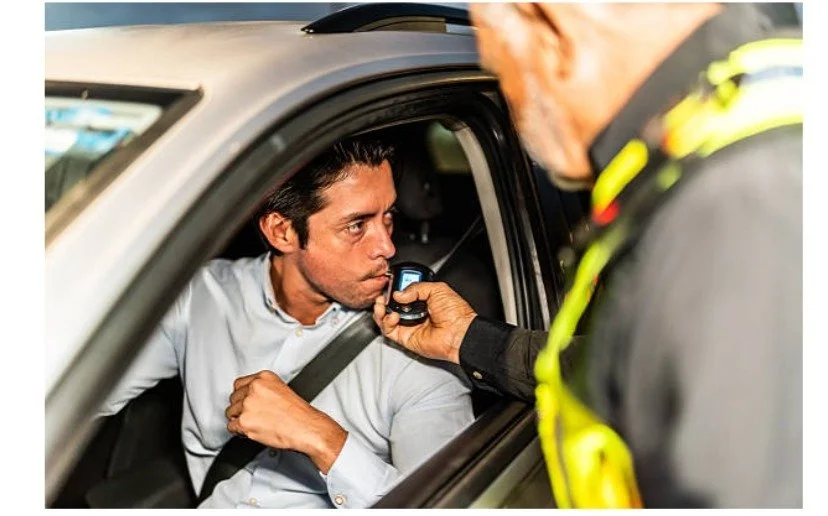
When a person exhales, that alcohol can be measured with a breath-testing device. The result is commonly expressed as a blood alcohol concentration equivalent, although the test itself analyzes breath.
Because alcohol elimination primarily depends on the body's metabolism, simply waiting is the main factor that allows alcohol levels to decrease.
Amount of Alcohol Consumed
The amount a person drinks is one of the biggest factors affecting how long alcohol can remain detectable.
Drinking several alcoholic beverages can result in a higher alcohol concentration and a longer detection period than consuming a single drink. Drinking quickly can also cause alcohol levels to rise more rapidly.
The type of beverage matters less than the amount of pure alcohol consumed. A large beer, strong cocktail, or generous serving of wine may contain considerably more alcohol than a person realizes.
Individual Metabolism
People process alcohol at different rates. Factors such as body size, sex, genetics, liver function, and overall health can influence alcohol metabolism.
However, feeling sober does not necessarily mean that alcohol has left the body. A person may feel normal while alcohol remains detectable.
This is one reason it is unreliable to determine whether someone is safe or legally permitted to drive based solely on how they feel.
Food Can Affect Absorption
Eating before or while drinking can slow the rate at which alcohol enters the bloodstream. This may affect how quickly alcohol levels rise, but food does not remove alcohol from the body.
Once alcohol has entered the bloodstream, eating afterward does not instantly make a person sober or eliminate a breath-test result.
Time Is the Main Factor
The body generally needs time to metabolize alcohol. There is no reliable trick that can instantly eliminate alcohol from the bloodstream or breath.
Coffee may make someone feel more alert, while a shower may make them feel refreshed, but neither method removes alcohol at a faster rate.
For this reason, trying to estimate sobriety based on a particular number of hours can be misleading.
Why Breath-Test Results Matter
Breath tests can be used in different situations, including suspected impaired driving investigations. The legal significance of a result depends on the circumstances and the applicable state law.
For example, California Vehicle Code § 23152 addresses driving under the influence of alcohol and establishes separate provisions concerning driving with specified alcohol concentrations.
A breath-test result can therefore have consequences beyond simply showing that alcohol was consumed. The circumstances surrounding the stop, testing procedure, and applicable legal standards can all matter.
Can Anything Make Alcohol Leave Your Breath Faster?
There is no dependable method for rapidly eliminating alcohol from the body. Mouthwash, breath mints, coffee, exercise, and similar methods may temporarily affect the smell of someone's breath, but they do not reliably eliminate alcohol detected through an appropriate breath test.
Time remains the most important factor.
Key Takeaways
Alcohol can remain detectable in breath for hours after drinking.
There is no universal timeframe for how long a breath test can detect alcohol.
The amount consumed and rate of drinking can affect detection.
Individual metabolism and body characteristics also matter.
Food can slow alcohol absorption but does not eliminate alcohol.
Coffee, showers, exercise, and breath mints do not reliably speed alcohol elimination.
Feeling sober does not necessarily mean alcohol is no longer detectable.
Breath-test results can have significant legal consequences depending on the circumstances and applicable law.