The Strategic Role of Tents in Business Events: Beyond First Impressions
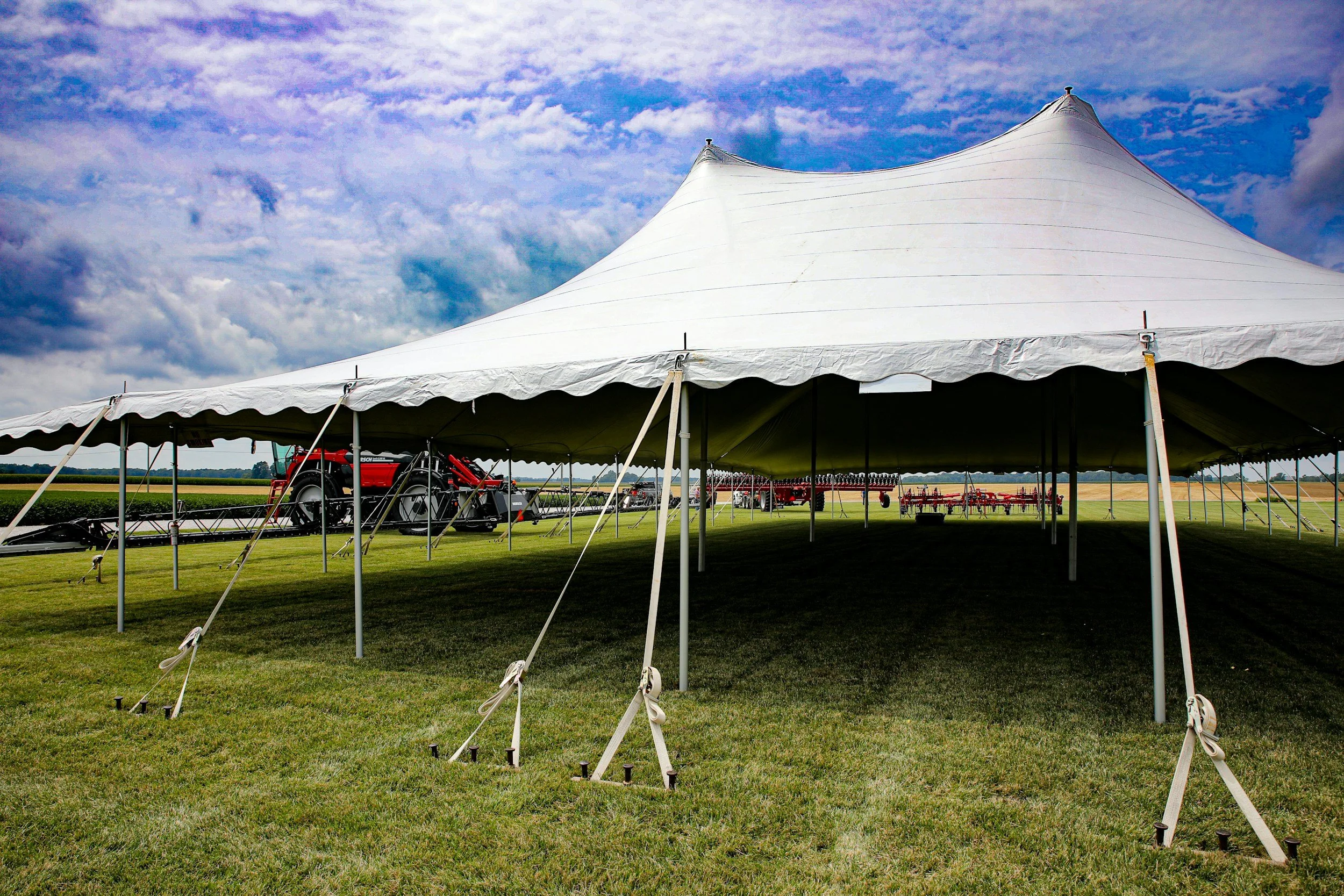
Business events, whether trade shows, expos, fairs, or corporate events, represent a dynamic opportunity for brands to showcase their identity, build an audience, and create lasting impressions. Specific items, such as displays, marketing collateral, and interactive experiences, are important—but the space where all of this takes place is also just as critical. A well-selected tent provides more than a place of shelter; it serves as a branding strategy, affecting visibility, audience engagement, and the perception of a company. A printed pop-up tent does much more than provide a barrier from the elements—it creates a branded environment that communicates professionalism and grabs attention in busy event spaces.
Often, the tent serves as the first tangible point of interaction that attendees have with an actual brand representative at an event. The tent’s design, size, and presentation can either take visitors on an engagement journey or they can stand by and never be noticed. Tents selected and designed with intention can support marketing goals, improve customer experience, and elevate a company to a serious, credible player in their market.
Why Strategic Tent Choices Matter at Events
1. Maximizing Brand Visibility with a 10×10 Custom Tent
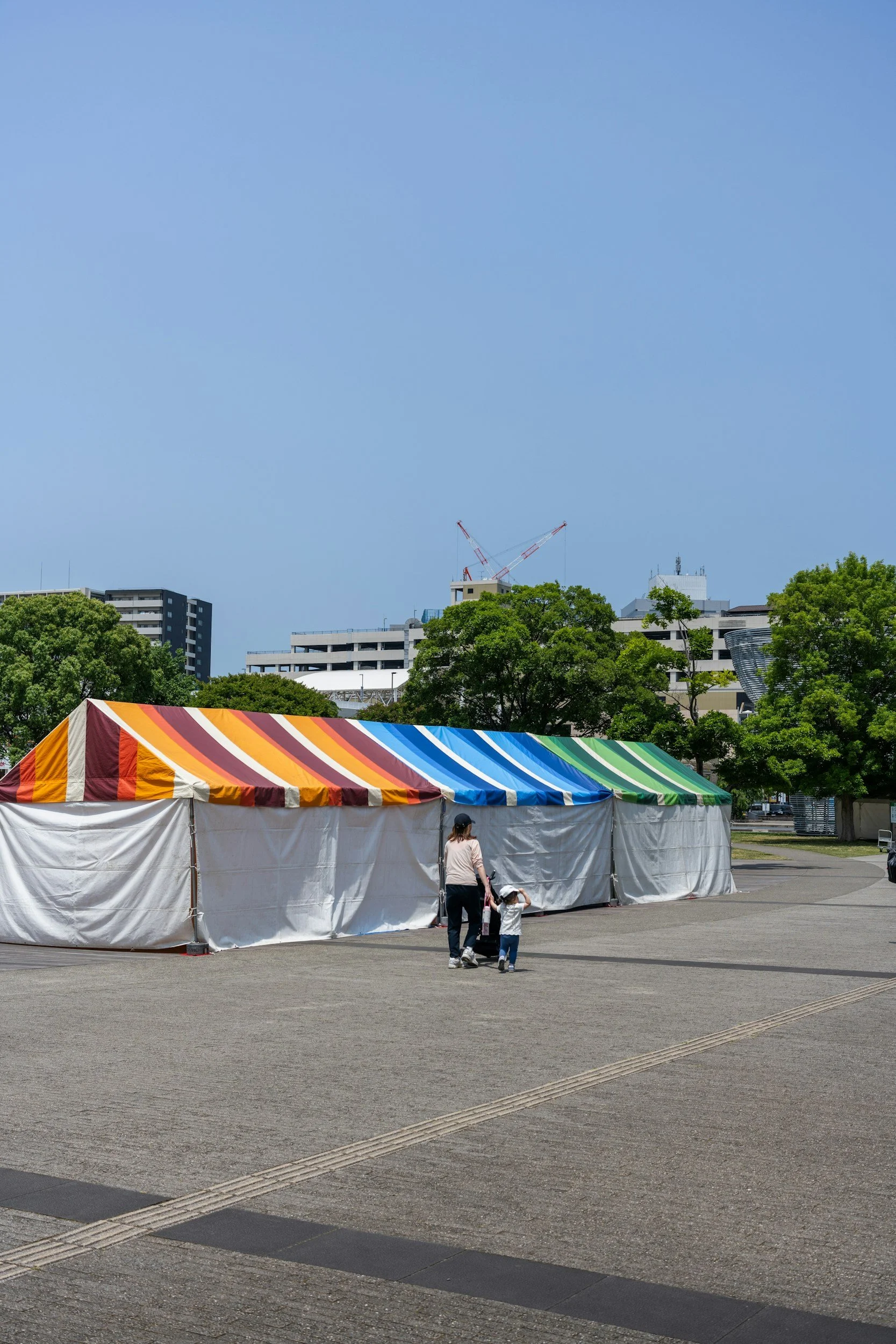
One of the primary difficulties at business events is differentiating oneself among dozens or hundreds of competitors. A 10×10 custom tent strikes a perfect balance between being small and recognizable, which makes it an ideal option for either indoor or outdoor venues. Its manageable size is easily manageable in an event space, and the customization options provide organizations with ample room to display logos, colors, and messaging.
Custom printing guarantees that the tent represents the brand’s identity, making the tent a marketing material that makes the brand stand out. As attendees view the floor or outside space, a well-designed tent (that is lit up) helps them identify the brand. Over time, and with exposure to the same branding at multiple events, the visitors will begin to recognize the brand by its color or logo.
2. Enhancing Audience Engagement Through Design
A tent is not a passive environment; it is a performance space meant for engagement. The physical layout of the tent can affect how attendees interact with the brand. For example, a tent designed with an open configuration and a wide entrance allows visitors to enter and consider it without the pressure to stay, while a thoughtful arrangement of displays, products, or seating can invite visitors to linger longer.
Interactive components, such as demonstrations or touchpoints for digital engagement, or calming lounge areas, can convert the tent into a concept or experience. The tent should appear inviting or interesting to attendees so conversations can unfold organically. It is the goal of all design interventions to shift the visitor's experience from viewing this brand as just another exhibitor to its consideration as an experience worth remembering.
3. Creating Functional Yet Flexible Spaces
Having flexibility is extremely important for companies attending multiple events that have different demands. One of the best features about tents is their flexibility. The same tent can be just what you need for all types of events—a product display at a trade show, a private meeting space at a corporate event, or an interactive display space at a community event.
Because tent systems are modular and flexible, it's easy for companies to adjust layouts, modify graphics, and add items such as counters and banners. This flexibility makes sure that tents are still relevant in multiple environments while validating consistency and continuity in branding. Integrating cohesive fence wrap banners around the perimeter allows organizations to seamlessly define their dedicated footprint while turning utilitarian crowd-control barriers into high-impact visual real estate. This complementary approach transforms an isolated structural layout into an immersive, fully branded environment capable of capturing attention from every angle. Companies that use tents as flexible, multipurpose assets can also realize the greatest opportunity for every event.
4. Supporting Long-Term Brand Recognition
While a first impression can grab attention, a lasting association is based on repeated exposure through consistent repetition. Tents featuring a cohesive set of brand colors, typography, logos, and imagery serve as visual representations of larger marketing initiatives. As conference and event attendees attend different conferences, when they see the same look and feel, they associate that experience with consistency and familiarity.
For example, a company that has utilized the same tent at trade shows creates a sense of familiarity and continuity across different locations and audiences. That familiarity and consistency at a trade show foster recognition of the brand, as well as embody that the brand is established, organized, and committed to a professional experience. In an overly crowded marketplace, this value is astronomical.
5. Balancing Practicality with Aesthetics
While aesthetics attract people, functionality supports smooth execution during any event. A tent that looks great but is not user-friendly to set up or is not durable will invite complications into the planning process that can distract from the objectives of the brand. Materials, weatherproofing, and a straightforward setup system will ensure success over the long haul.
Simultaneously, the aesthetics cannot be overlooked. A professional and polished look that reflects the brand's personality adds credibility and demonstrates attention to detail. For attendees, the cues matter; they are indicators that the company cares about quality not only in their presentation but also in their product. A business that can find a balance between function and form presents an image of reliability and creativity.
End Point
Tents are much more than structures providing temporary shelter at business events. They are strategic instruments that help establish visibility, create engagement, and foster lasting recognition. From maximizing exposure with custom colors and logos to creating functional, flexible spaces that blend styling and practicality, tents help convert an event experience into a brand experience. Companies that recognize tents as part of event strategy—not just a shelter—set themselves to develop stronger connections with visitors, increase recognition, and move closer toward achieving brand goals.