The City Built Vertically
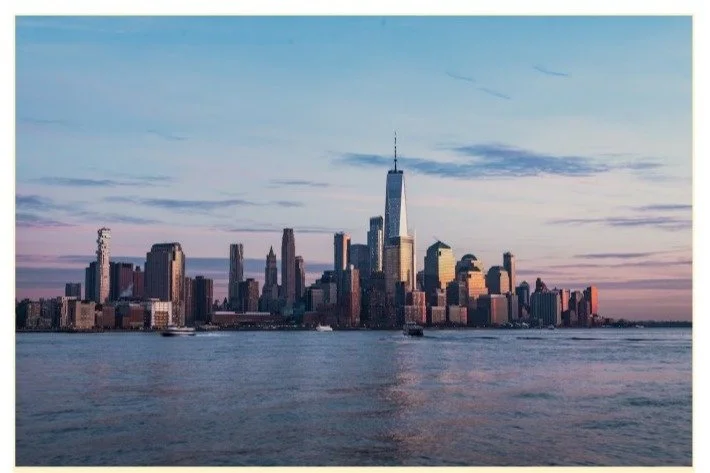
You walk the streets of New York and your eyes are drawn upward to the glass-and-steel towers, the slender pencil-like buildings that can rise into the air. In this case, there is a dearth of land, and it seems to stop you with the size of the plot, but ambition never does. Engineering wonders give developers the power to cram houses into the sky. The reason why the so-called silver buildings (the type with a narrow frontage and extravagant height) exist is that the desire to have the views, prestige, and unique airspace overcomes the rules of regulation.
Moving in New York can be tricky with narrow streets and busy sidewalks. Many people rely on a Moving Company NYC to make the process easier and stress-free.
The Alchemy of Supply, Demand, and Myth
New York is not cheap; however, it is even so because people trust in New York. It's not just about good schools, good places to live, or all the good things you have, it's about the concept. The city possesses a myth: culture, opportunity, power, a chance to belong, to rise. Price supports based on this myth balance prices almost as much as land values.
Concurrently, the mismatch is long-term: the demand exceeds the supply by far. New housing is expensive, not only due to land, but also due to there being materials, labor, regulations, taxes, and approvals. Luxury properties, particularly condos or co-ops of iconic skyscrapers, are usually the first ones to be built as they command high returns. But they serve the great middle very frequently.
Add foreign investment, prestige purchasing, investors seeking pied-a-terre (second, or third, homes they may never use), all types of speculative capital flowing in with a surge. Now so many high-end units are luxurious shells in a skyline, not residences for full-time residents.
When Policy, History, and Architecture Collide
There’s a deep layer of real estate in New York shaped by old laws, preservation, and community resistance. Brownstones in Brooklyn, row houses in Harlem, townhouses in Manhattan – many of which are under landmark protection – don’t just sit in old photographs; they are active, protected parts of the real estate tapestry, limiting what can be done with them.
Co-ops vs. condos introduce another wrinkle. In a co-op, buying isn’t just acquiring property – it means buying shares in a corporation that owns the building, and that brings with it interviews, financial scrutiny, and boards that can reject buyers. The process can be opaque and steep.
And then, of course, there are the quirks that only New York could produce:
Micro-apartments that challenge the definition of “enough space”.
Rooftop gardens and hidden courtyards that feel like secret oases.
Mechanical voids used to bend zoning rules while still reaching new heights.
Rent-stabilized gems tucked inside aging pre-war buildings.
Towers whose worth is as much symbolic as it is functional.
These are the oddities that make the city’s real estate not just a market, but a living character in the story of New York.
The Squeeze in the Middle
In the limbo between luxury and unaffordability lies the squeezed middle – those who earn enough to venture into homeownership but still can’t navigate prices, taxes, or co-op board approvals. Rent stabilization helps some renters avoid being priced out, but those units are rare and often come with trade-offs (older buildings, less modern amenities, sometimes tougher maintenance).
Meanwhile, neighborhoods evolve, sometimes rapidly. Gentrification pushes property values up but also displaces long-time residents. Sellers might cash in; neighbors watch local culture shift. And the infrastructure – transport, public schools, traffic, services – must strain to keep up.
New York real estate is many things: aspirational, precarious, utterly fascinating. It thrives on contradiction – priceless and costly, historic and cutting-edge, cramped yet grand. It’s a city of stories told in brick, steel beams, zoning laws, and penthouse dreams.