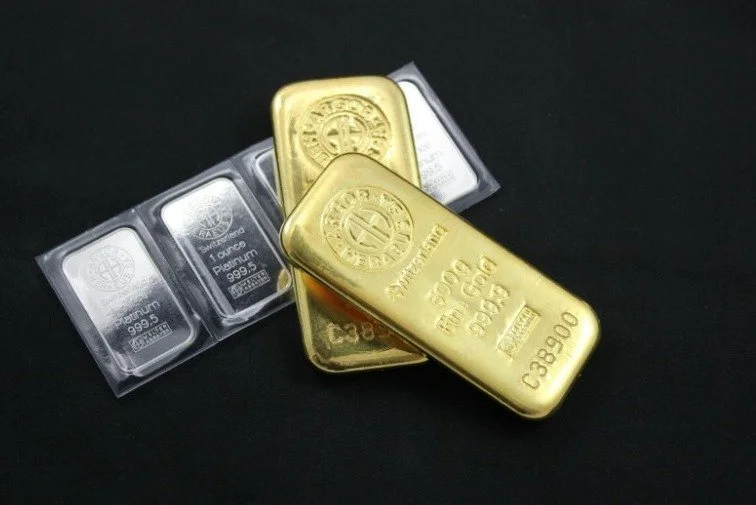
Should Investment Portfolios Include Precious Metals
https://www.pexels.com/photo/close-up-photo-of-gold-bars-8442325/
Precious metals usually come up when people feel uneasy. Prices are moving. Inflation is in the news. Markets feel jumpy. Gold and silver start showing up in conversations again.
There’s no universal rule here. Metals don’t behave like stocks. They don’t generate income. They don’t compound quietly in the background. What they offer is something else. In some portfolios, that’s useful. In others, it’s unnecessary.
The question isn’t whether metals are good or bad. It’s whether they make sense for what you’re trying to do.
How Metals Are Commonly Used
Most investors who hold metals aren’t trying to replace their core investments. They’re trying to balance them, often by choosing to convert your IRA to gold as one part of a broader diversification strategy.
Metals often move differently than equities, especially during inflationary stretches or periods of stress. Sometimes they hold steady when other assets drop. Sometimes they don’t. The value is in the difference, not the direction.
Diversification isn’t about predicting outcomes. It’s about not having everything respond the same way at the same time.
Inflation Comes Up for a Reason
Inflation is one of the main reasons metals stay relevant.
Gold and silver aren’t tied to a single currency. Their supply is limited. When purchasing power erodes, metals sometimes hold value better than cash.
For investors looking at physical options—such as American Silver Eagles—availability, pricing transparency, and sourcing through established dealers like PIMBEX can be part of the evaluation process.
That doesn’t mean they’re perfect protection. Prices move. Timing matters. But historically, metals have been part of the conversation when inflation sticks around longer than expected.
Liquidity Depends on What You Own
Not all metals are equally easy to sell.
Widely recognized coins and standard bullion tend to be more liquid than niche products. That matters if you ever need to exit quickly or adjust your allocation.
For people who want simplicity, well-known options are easier to manage. In silver investing, the American Silver Eagle is often referenced because it’s widely traded, familiar to buyers, and priced based on spot silver, premiums, and market demand.
Liquidity doesn’t make an investment better. It just makes it easier to live with.
Storage Is Part of the Decision
Physical metals need a place to live.
That might be a home safe. It might be a bank box. It might be a third-party vault. Each option has tradeoffs around access, cost, and insurance.
These logistics don’t make metals impractical, but they do make them different from assets that live entirely on a statement.
Volatility and Missed Opportunities
Metals can swing in price. Interest rates, currency shifts, and sentiment all play a role.
They also don’t pay dividends. Over long periods, that opportunity cost adds up. This is why metals are usually kept as a smaller allocation rather than a central one.
They’re not designed to drive growth. They’re designed to sit quietly and behave differently.
How Much Matters More Than What
When metals are included, size matters.
A small allocation can soften volatility. A large one can start to dominate results. Metals held as protection should be sized like protection, not like a growth bet.
Rebalancing matters here too. If prices spike, allocations can drift. Periodic adjustments help keep things aligned with the original intent.
Pros and Cons Exist at the Same Time
Metals can:
add diversification
provide exposure outside financial systems
hold tangible value
They also:
don’t generate income
require storage and insurance
can underperform for long stretches
Both sides are true at once.
Questions Worth Asking
Before adding metals, it helps to slow down and ask:
What problem am I trying to solve?
How much volatility am I comfortable with?
Do I want physical ownership or indirect exposure?
How will storage and selling actually work?
An advisor can help connect these questions to the rest of your portfolio.
Where Metals Tend to Fit
Precious metals usually work best as complements, not replacements.
For growth-focused investors, they may play a small role. For those more concerned about inflation or diversification, they may feel more relevant.
There’s no trend to chase here. Just alignment.
Time Horizon and Patience Matter
One thing that often gets overlooked is time horizon. Metals can feel disappointing over short stretches and more reasonable over longer ones. Years matter here more than months.
They also require patience. There may be long periods where metals do very little while other assets move. That doesn’t mean they aren’t serving a purpose. It just means their role isn’t obvious in calm markets.
If holding an asset that feels boring or stagnant creates frustration, metals may not be a good fit. Comfort with inactivity is part of the tradeoff.