How Care Facilities Maintain High Standards for Food Safety and Hygiene
Food safety and hygiene sit at the core of daily operations in care facilities. Residents rely on prepared meals not just for nutrition, but also for comfort, routine, and trust. A single lapse in hygiene can affect health outcomes and damage confidence among families.

High standards do not happen by chance. They come from structured systems, trained staff, and a culture that treats food handling with care and consistency. From kitchens to dining rooms, every step plays a role in protecting vulnerable people.
Staff Training and Accountability
Care facilities invest heavily in food safety training for kitchen and care staff. Team members learn proper handwashing, safe food storage, and temperature control through regular instruction. Many sites require refresher sessions to keep practices sharp and aligned with regulations.
Clear accountability supports this training. Roles are defined so everyone knows who checks deliveries, monitors temperatures, and logs cleaning schedules. This structure limits confusion and helps issues surface early rather than being missed during busy shifts.
Risk Management and Coverage
Food safety involves more than daily routines. Insurance plays a role in protecting care facilities from unexpected events tied to food handling.
Policies can cover incidents linked to contamination, equipment failure, or supply chain issues. Facilities that work with providers like Freedom Insurance Group often pair coverage with risk reviews. Partnering with insurance experts helps align insurance protection with real kitchen practices, rather than treating coverage as paperwork alone. This approach encourages planning that supports both resident safety and operational stability.
Safe Food Storage and Preparation Practices
Maintaining high standards of food safety in care facilities begins with proper storage and meticulous preparation practices, which are essential for protecting the health of residents and staff alike.
Care facilities implement strict protocols to ensure that all perishable items are stored at the correct temperatures, with refrigeration units regularly monitored and documented to prevent the growth of harmful bacteria such as Salmonella or Listeria.
Dry goods and packaged foods are organized systematically to reduce cross-contamination risks, with clear labeling indicating expiration dates and batch numbers.
When it comes to food preparation, staff members follow rigorous handwashing routines and use protective gear, such as gloves and hairnets, to minimize the risk of contamination.
Equipment and utensils are sanitized consistently, and separate cutting boards and knives are designated for raw meats, vegetables, and ready-to-eat items to maintain strict hygiene standards.
Cleaning Schedules and Facility Hygiene
Maintaining a spotless environment is the cornerstone of food safety in care facilities, and this begins with meticulously planned cleaning schedules. Care facilities typically implement a structured routine that outlines daily, weekly, and monthly cleaning tasks, ensuring that every area, from kitchen surfaces to dining rooms, storage areas, and equipment, is sanitized consistently.
High-touch surfaces such as counters, refrigerator handles, and utensils receive frequent attention to prevent the spread of bacteria and viruses, while deep-cleaning tasks like floor scrubbing, oven degreasing, and ventilation maintenance are scheduled regularly to eliminate hidden contaminants.
Staff are often trained in proper hygiene protocols, including correct cleaning agents, disinfectants, and the safe handling of chemical solutions, ensuring both efficacy and safety.
Monitoring, Audits, and Continuous Improvement
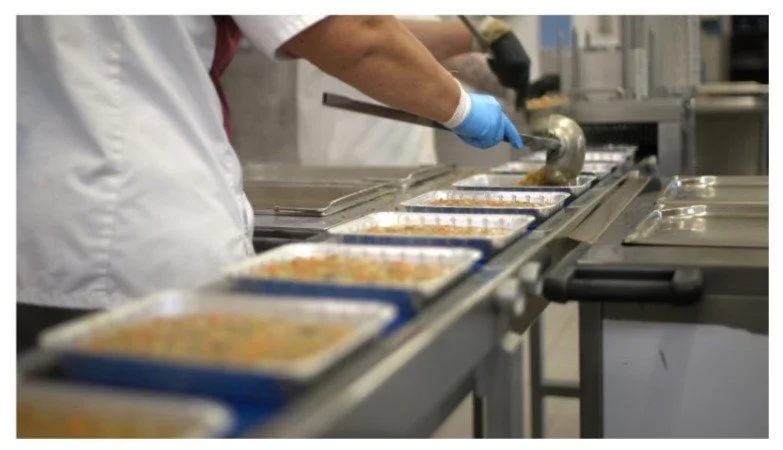
Care facilities prioritize food safety and hygiene through a rigorous system of monitoring, regular audits, and a commitment to continuous improvement, ensuring that residents and staff alike are protected from potential health risks.
Daily monitoring of food storage, preparation, and serving areas allows staff to quickly identify and address any deviations from established safety protocols, such as improper temperatures, cross-contamination risks, or hygiene lapses.
Care facilities often undergo both internal and external audits conducted by food safety experts or regulatory authorities, which provide an objective assessment of compliance with local and national standards. These audits not only highlight areas of concern but also serve as opportunities to refine procedures, update staff training, and implement innovative practices that elevate hygiene standards. Continuous improvement is a central philosophy, meaning that even minor issues are analyzed, documented, and used to enhance protocols over time.
Feedback loops from residents, staff observations, and incident reports contribute to a dynamic system where policies evolve proactively rather than reactively.
Communication With Residents and Families
Open communication strengthens trust around food safety. Care facilities explain meal planning, hygiene practices, and allergy controls during admissions and reviews. Families gain reassurance when they understand how meals are prepared and served.
Feedback channels add value here. Comments from residents and families can highlight concerns early, whether about food quality or cleanliness. Acting on this input supports continuous improvement and shared confidence.
Maintaining high standards for food safety and hygiene in care facilities requires structure, training, and oversight. Each element, from storage rules to cleaning schedules, contributes to resident well-being and peace of mind.
When daily practices combine with monitoring, communication, and thoughtful risk planning, facilities create an environment where safe meals are the norm. This consistency supports health outcomes and builds long-term trust with residents and their families.