Rising Storms, Rising Stakes: How Smarter Roofing Is Redefining Home Protection in Kissimmee, FL
When nature turns fierce, a home’s first and most vital line of defense is its roof. In Kissimmee, Florida—where torrential rains, hurricane-force winds, and humid heat are an annual reality—roofing has become more than a home improvement concern; it’s a matter of safety, resilience, and long-term investment. Each storm season tests how well homes are built to endure. And as extreme weather grows more unpredictable, homeowners are turning to smarter roofing systems that blend advanced materials, data-driven design, and innovative technology to protect what matters most.
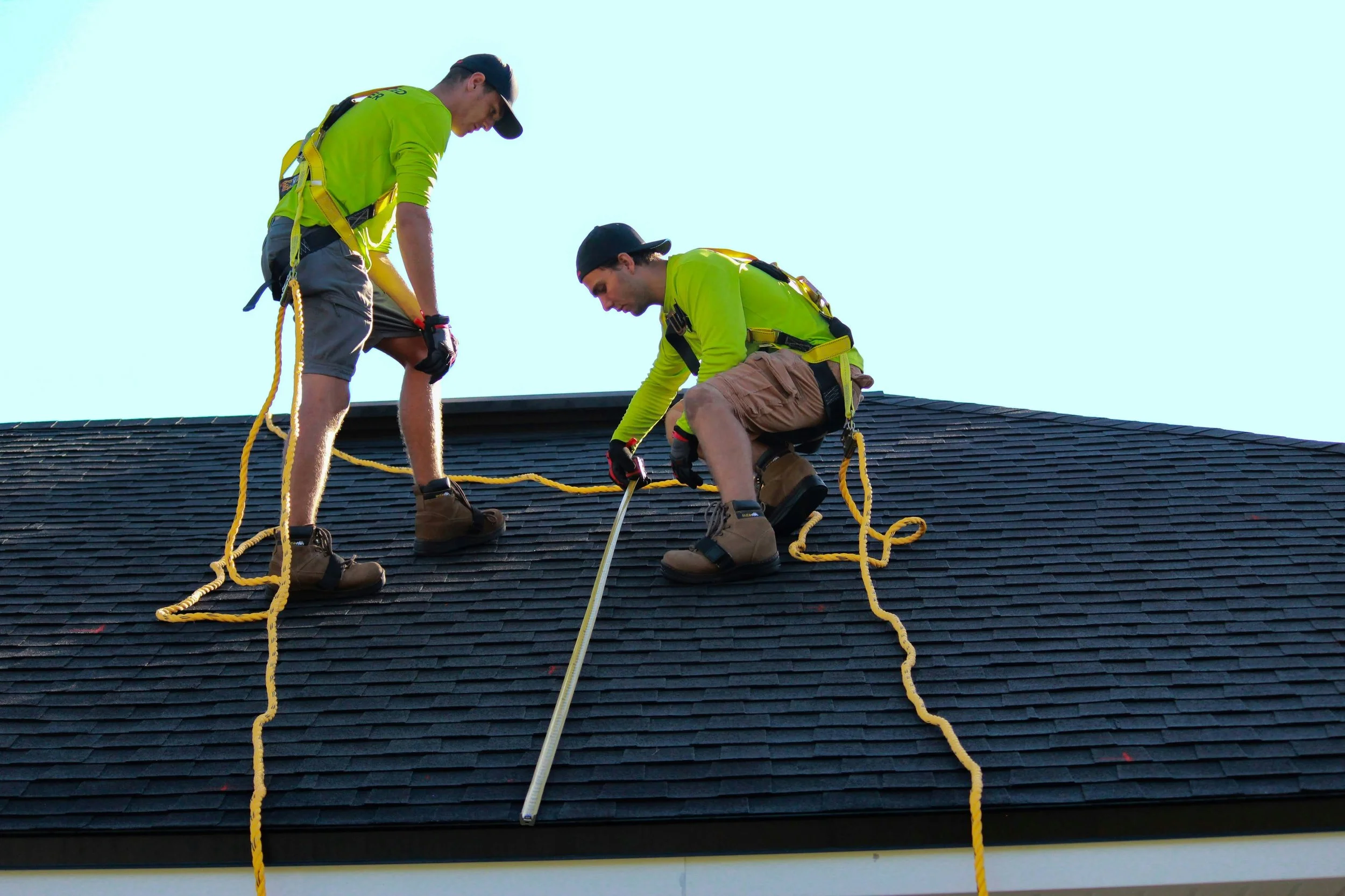
A leading name in this transformation is Kissimmee Roofing Pros, a Kissimmee-based expert helping residents strengthen their homes against Florida’s fiercest storms through modern materials, precise craftsmanship, and proactive roof management. Their work represents a broader movement toward resilience—an evolution from reactive repair work to proactive home protection.
Storms That Never Sleep
Kissimmee’s subtropical climate makes it one of the most weather-exposed cities in the southeastern United States. From June through November, the Atlantic hurricane season brings intense downpours, punishing winds, and airborne debris that test even the strongest structures. Even when Kissimmee escapes a direct hurricane hit, the periphery of storms can unleash wind gusts surpassing 100 miles per hour—enough to tear shingles, lift tiles, and compromise seams.
Yet it isn’t just the storms themselves that threaten homes—it’s the environment that surrounds them year-round. The heat and humidity of Central Florida work relentlessly against roofing materials. Constant UV exposure dries out shingles and sealants; moisture seeps into tiny cracks and expands with every temperature change. By the time visible leaks appear, the damage beneath is often extensive, affecting insulation, rafters, and interior drywall. For many Kissimmee homeowners, a roof’s failure doesn’t come all at once—it builds silently, storm after storm, season after season.
The Invisible Enemy: Slow Weathering
The harsh truth about roof degradation in Kissimmee is that it rarely announces itself until it’s too late. Every squall, thunderstorm, and gust of hot wind contributes microscopic wear to shingles and fasteners. Asphalt materials, common in older homes, soften in heat and contract under cool night air, causing cracking over time. Metal components expand and warp, creating openings that allow water intrusion.
This process can turn minor vulnerabilities into major breaches. Once water infiltrates the underlayment or roof deck, it begins a chain reaction—soaked insulation, mold growth, weakened wood framing, and electrical risks. Because this damage happens gradually, many homeowners underestimate it until a heavy storm exposes the consequences. In Kissimmee’s humid climate, one neglected leak can quickly become a full-blown structural issue.
What Makes Roofing Smarter
The new generation of roofing is defined by intelligence—systems engineered not just to survive storms, but to resist and adapt to them. Smarter roofing combines high-grade materials with precise installation techniques that account for wind resistance, water management, and long-term heat exposure.
Modern materials such as metal panels, composite shingles, and reinforced tiles outperform traditional asphalt by large margins. They can endure higher wind speeds, resist impact from flying debris, and reflect heat more efficiently. Metal roofs, in particular, are gaining popularity across Central Florida for their longevity, minimal maintenance needs, and ability to withstand hurricane-level forces. When properly installed, they can last over half a century—an investment that pays off in both durability and energy efficiency.
Equally crucial are modern installation practices. Hurricane straps, improved flashing systems, and synthetic underlayments now form part of an integrated approach designed to reduce uplift and leakage. These innovations ensure that the roof doesn’t merely sit atop the home—it becomes part of its structural framework. With every component working in unison, the result is a sealed, aerodynamic, and weather-resistant surface that can hold strong through both tropical storms and decades of daily wear.
Economic Sense Meets Environmental Logic
The shift toward smarter roofing isn’t driven by fear alone—it’s increasingly about financial prudence and sustainability. Insurance companies in Florida have tightened their standards, often refusing coverage or raising premiums on roofs that fail to meet modern wind-resistance codes. For homeowners in Kissimmee, upgrading to a storm-rated roof can mean significant long-term savings, both through reduced claims and improved insurance eligibility.
There’s also a compelling resale argument. A home equipped with a modern, storm-ready roof instantly signals quality and reliability to prospective buyers. In a market that attracts both permanent residents and vacation property investors, roofing has become a key differentiator. Homes with hurricane-rated materials and reflective coatings command higher prices and sell faster. In essence, a smarter roof doesn’t just protect your home—it enhances its market value.
Environmental benefits further strengthen the case. Reflective metal and cool-coated shingles reduce solar heat absorption, helping to lower air-conditioning costs and energy use. This means smarter roofing contributes to sustainability as much as safety. By consuming less energy, homeowners not only save money but also reduce their carbon footprint—proof that stronger can also mean greener.
Technology and Data at Work
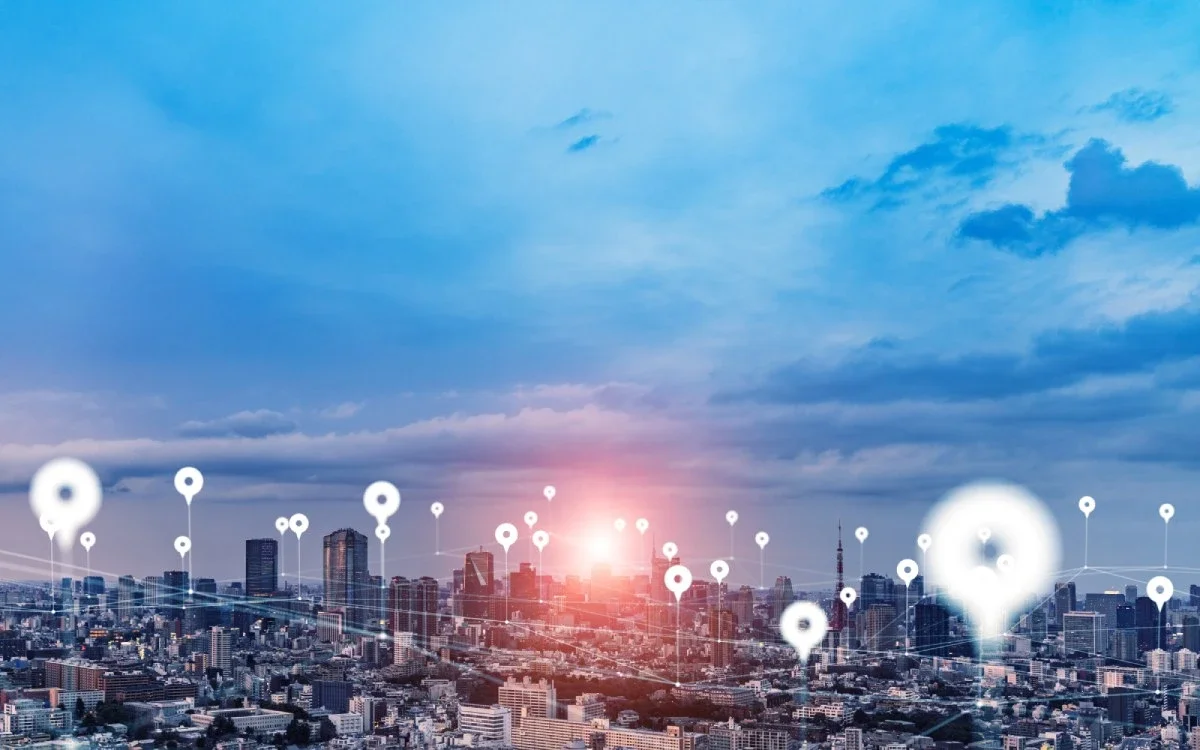
The roofing industry has entered a technological renaissance. Contractors today rely on drones, AI-assisted imaging, and satellite data to evaluate roofs with unprecedented accuracy. Aerial inspections capture minute details—missing fasteners, warped tiles, thermal leaks—without a single step on the roof. Infrared scanning detects trapped moisture long before it becomes visible, while advanced modeling software simulates how different materials respond to hurricane-force winds.
This digital precision allows for highly tailored solutions. Rather than a one-size-fits-all replacement, Kissimmee homeowners can now receive recommendations that match their home’s design, exposure level, and budget. Predictive analytics even estimate the lifespan of materials based on local weather patterns, allowing owners to plan maintenance before issues arise.
These technologies are revolutionizing how homeowners approach protection—turning roofing from a reactive necessity into a strategic science.
The True Cost of Waiting
Despite these advancements, too many homeowners in Kissimmee take a “wait and see” approach, assuming that a roof’s age or minor imperfections can endure one more season. Unfortunately, Florida’s weather doesn’t forgive the delay. Once water breaches a roof system, repair costs escalate rapidly. What begins as a small drip can result in thousands of dollars in structural restoration.
Older roofs, especially those exceeding 15 years, are particularly at risk. Their materials often fail to meet modern building codes designed for hurricane resilience. Even minor tropical storms can exploit weak points—lifting shingles, exposing underlayers, and allowing rain to flood attic spaces. For homeowners, procrastination often ends up being far more expensive than prevention.The message is simple: a roof is either ready for the next storm—or it isn’t.
Conclusion: Protection from the Top Down
In Kissimmee, storms are inevitable—but roof failure doesn’t have to be. As weather grows stronger and stakes rise higher, the new generation of smarter roofing offers homeowners more than security; it offers certainty. With cutting-edge materials, precise installation, and technology-driven oversight, today’s roofs are built not just to endure the next storm, but to thrive in the decades that follow.
The shift from conventional to intelligent roofing marks a turning point in how Kissimmee protects its homes and its people. Those who act now—who invest in strength, strategy, and sustainability—aren’t just preparing for hurricane season. They’re building a safer, smarter future for themselves and their community, one roof at a time.