Renter’s Checklist: What to Check Before Signing a Lease Post Preview
Key Takeaways
Read the complete lease before paying a deposit or signing an agreement.
Budget for every move-in and recurring cost, not only the advertised rent.
Tour the exact property and document its condition before moving in.
Ask direct questions about repairs, utilities, parking, pets, renewals, and early termination.
Keep written records, photos, receipts, and copies of all lease documents.
Watch for pressure tactics, vague listings, and unusual payment requests that may signal a scam.
Signing a lease is a major commitment. Before you agree to rent a house, apartment, condo, or room, take time to confirm the home's condition, the true cost, and the rules that will shape your daily life. A careful review can help you avoid surprise fees, unclear repair expectations, and preventable disputes later.
A professional property leasing management process should make it easy to review the lease, ask questions, and understand what happens before, during, and after your tenancy. Whether you are renting for the first time or moving into a new home, use this checklist before you sign.
Why a Lease Deserves a Careful Review
A lease is a binding agreement that spells out each party's responsibilities. It can affect more than your monthly rent. Details about late fees, guest rules, property access, utility billing, maintenance, deposits, and move-out deadlines may all be included in the document.
Do not rely on a verbal promise if it matters to your decision. For example, a renter may be told that parking is available or that a pet is allowed, but the lease may add a separate fee or restriction. Ask for important terms, changes, and approvals in writing before you commit.
1. Set a Realistic Rental Budget
Start with the full cost of living in the home. A rental that seems affordable at first may strain your budget once one-time charges and monthly add-ons are included.
Monthly rent and the due date
Security deposit, application fee, and screening fee
Utility deposits, connection charges, and estimated monthly usage
Parking, storage, trash, technology, or amenity fees
Pet deposits, pet fees, and monthly pet rent
Renter's insurance, moving expenses, and basic furnishings
Also ask whether utilities are included, individually metered, or divided among residents. Shared billing arrangements should be explained clearly enough for you to estimate a normal monthly total.
2. Tour the Exact Home You May Rent
Whenever possible, visit the specific unit, house, or room listed on your lease. Photos, floor plans, virtual tours, and model units can be useful starting points, but they may not show the condition of the actual home.
Check natural light, noise, odors, storage, parking, and cell service.
Open and lock doors and windows.
Test faucets, toilets, lights, outlets, appliances, heating, and cooling when possible.
Look for water stains, pests, damaged flooring, broken fixtures, and mold-like growth.
Visit the surrounding area at different times if neighborhood traffic or noise is a concern.
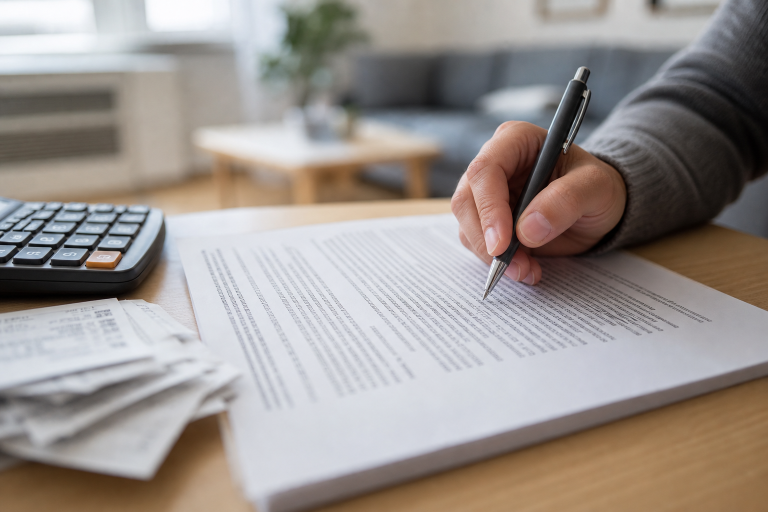
3. Read the Lease Line by Line
Lease language can feel dense, so review it in sections. Confirm that the names, property address, unit number, rent amount, and lease dates are correct. Then look closely at payment methods, grace periods, late charges, deposits, permitted deductions, and the process for receiving a deposit refund.
Terms That Need Special Attention
Fees: Identify charges for keys, pets, parking, utilities, maintenance, lease changes, or cleaning.
Repairs: Learn how requests are submitted and what the renter may be responsible for.
Property access: Review rules for inspections, repairs, showings, and notice before entry.
Renewal and move-out: Check notice deadlines, automatic renewal language, cleaning requirements, and early termination terms.
Occupancy: Confirm policies for roommates, guests, subleases, and home-based work.
The University of Georgia Extension smart renter checklist also recommends reviewing the lease before signing or paying a deposit, with close attention to lease length, deposit rules, pets, penalties, and early move-out provisions.
4. Ask Questions Before Signing
Clear answers now can prevent confusion after move-in. Ask which utilities are included, how urgent repairs are handled after hours, whether parking is assigned, and what happens if an appliance stops working. If you have a pet, ask about breed, size, number, registration, and fee requirements.
You should also ask whether the lease can be renewed, how much notice is required before moving out, and what options exist if you need to leave early. Request written clarification for any clause you do not understand.
5. Complete a Thorough Move-In Inspection
Before bringing in furniture, create a detailed record of the property's condition. Take dated photos and videos of every room, including floors, walls, ceilings, windows, appliances, bathrooms, closets, and outdoor areas that are part of the rental.
Record scratches, stains, dents, leaks, missing items, and damaged fixtures.
Test appliances and note anything that does not work properly.
Complete the landlord's inspection form, if one is provided.
Send the completed form promptly and save a copy in cloud storage.
6. Understand Maintenance and Communication Rules
Find out whether maintenance requests are made through an online portal, email, phone call, or emergency line. Keep written records of requests, confirmation numbers, photos, dates, and responses. Separate emergencies from routine issues, and do not assume you may hire your own repair professional without written approval.
7. Watch for Rental Scam Warning Signs
Be cautious if the rent is far below comparable homes, the person refuses to allow a tour, or you are rushed to send money. Verify that the person offering the property has authority to rent it, search the address, and compare the listing details with other trusted sources.
The Federal Trade Commission warns renters to be especially careful with requests for payment by wire transfer, gift card, cryptocurrency, or unfamiliar payment method. Never send money before you have verified the property and reviewed the agreement.
8. Keep a Complete Lease File
Create one digital folder for your signed lease and addenda, payment receipts, move-in inspection form, photos, renter's insurance documents, maintenance requests, emails, notices, and emergency contacts. Organized records can be valuable if questions arise about repairs, notice periods, or deposit deductions.
Common Mistakes to Avoid
Signing before reading the entire agreement
Budgeting for rent while overlooking fees and utilities
Assuming verbal promises will be honored without written confirmation
Skipping the move-in inspection or failing to report existing damage
Ignoring renewal, move-out, or early termination deadlines
Paying before confirming that the listing and landlord are legitimate
A Simple Pre-Signature Checklist
Tour the exact property.
Calculate your total move-in and monthly costs.
Read every lease section.
Ask about fees, utilities, repairs, pets, parking, and renewal.
Verify the landlord, manager, and payment process.
Request important changes or answers in writing.
Save a complete copy of the signed agreement.
Final Thoughts
A careful lease review does not have to be overwhelming. Take your time, inspect the home, ask direct questions, and document everything before move-in. A few extra steps before signing can protect your budget, clarify expectations, and make your rental experience much smoother.