Fostering Community Through Spiritual Growth and Youth Programs
Understanding the Role of Life Groups and Community Hubs
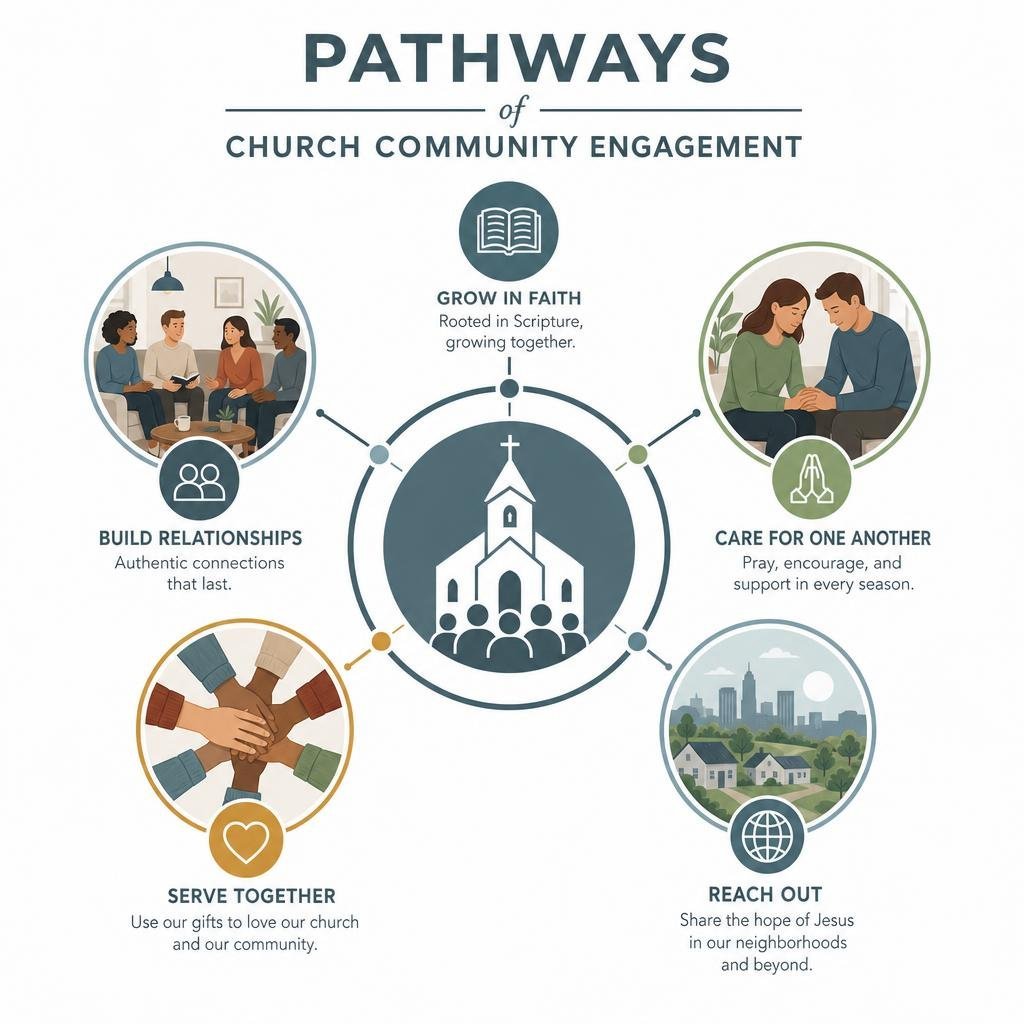
Life groups, often referred to as small groups or house churches, are fundamental to the health and growth of modern church communities. Rooted in the biblical model of the early church described in Acts 2:42, these gatherings provide an essential space for believers to connect deeply, share their lives, and grow in their faith. The passage from Acts highlights the early Christians' commitment to the apostles’ teaching, to fellowship, to the breaking of bread, and to prayer—all hallmarks of a thriving life group.
In our experience, these intimate settings are where genuine pastoral care truly happens. While a pastor may oversee a large congregation, it's within the life group that individuals receive personalized encouragement, prayer, and support. This decentralized approach to care ensures that no one feels lost in the crowd. Life groups typically meet with a consistent frequency, often weekly or bi-weekly, fostering a rhythm of biblical fellowship and hospitality. Whether hosted in a home, a coffee shop, or even online, the primary goal remains the same: to cultivate authentic connection and build a supportive spiritual family.
The average church congregation in America is seventy-five, a size where personal connection can still be maintained by a single pastor. However, as churches grow beyond this number, the need for smaller, more intimate settings becomes critical. Life groups help larger congregations feel personal, ensuring that every member is known, cared for, and actively participating in their spiritual journey. This structure is vital for creating a resilient community, much like the California Redwood trees, which, despite their shallow root systems, stand tall and strong because their roots interlock with neighboring trees, providing mutual support against storms.
Key Differences Between Sunday Services and Intimate Small Groups
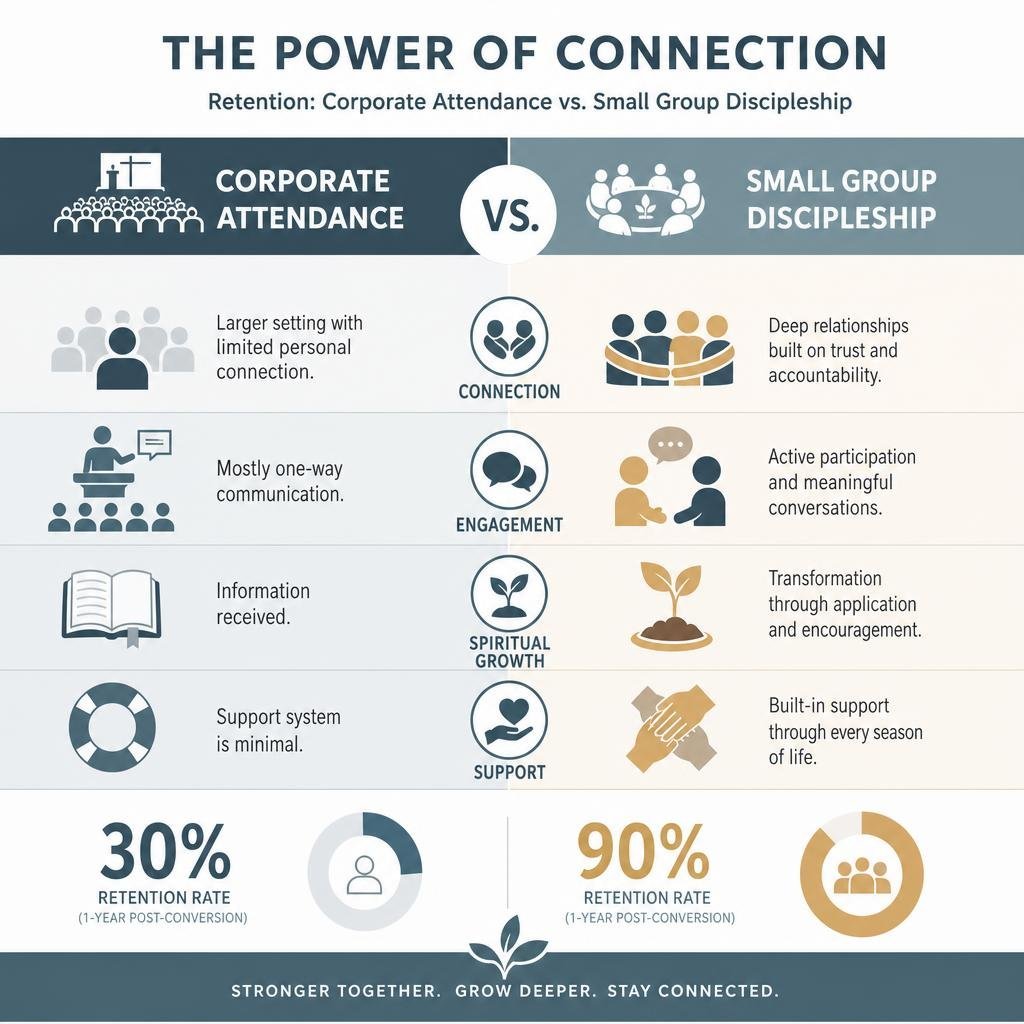
While both Sunday services and life groups are integral to Christian life, they serve distinct purposes. Corporate worship services are designed for collective adoration, inspiring expository preaching, and celebrating God's presence as a large body of believers. They offer a unified spiritual experience and foundational teaching from the pulpit.
However, the size and format of a Sunday service inherently limit opportunities for relational depth and personal interaction. This is where life groups shine. They provide the ideal environment for what we call "level-three conversations"—discussions that move beyond superficial pleasantries to explore internal hopes, fears, and struggles. In these settings, members engage in personal accountability, offering mutual encouragement and fostering a culture of vulnerability that is difficult to achieve in a larger assembly. We believe that attending Sunday services alone is insufficient for living an effective Christian life and thriving spiritually; the intimate fellowship of a life group is essential for true spiritual growth and resilience.
Integrating Spiritual Growth and Youth Programs into Community Life
Life groups are not just for adults; they are a powerful vehicle for integrating spiritual growth across all age demographics, including vital youth programs. We understand that a holistic church experience includes robust offerings that cater to every member of the family. From teenage discipleship groups that address the unique challenges of adolescence to student connections fostering faith among college-aged individuals, these small communities provide tailored support.
This integration extends to family faith initiatives, where parents and children can grow together, and intergenerational mentorship, allowing seasoned believers to pour into younger generations. Such intentional faith formation ensures that spiritual growth isn't confined to Sunday mornings but is woven into the fabric of daily life. For those seeking a comprehensive approach to spiritual development that includes vibrant youth programs and deep community, exploring a church's various offerings, including its worship services Bible study and youth programs, can provide a clear pathway to belonging and growth.
Core Pillars of Spiritual Growth and Youth Programs in Modern Ministry
In modern ministry, effective spiritual growth and youth programs are built on several core pillars that extend beyond the traditional classroom setting. Within the context of life groups, these pillars become tangible and actionable. Active listening is paramount, allowing individuals to truly hear and understand one another's journeys and struggles. Scriptural literacy is fostered through guided discussions and shared Bible reading, deepening members' understanding of God's Word.
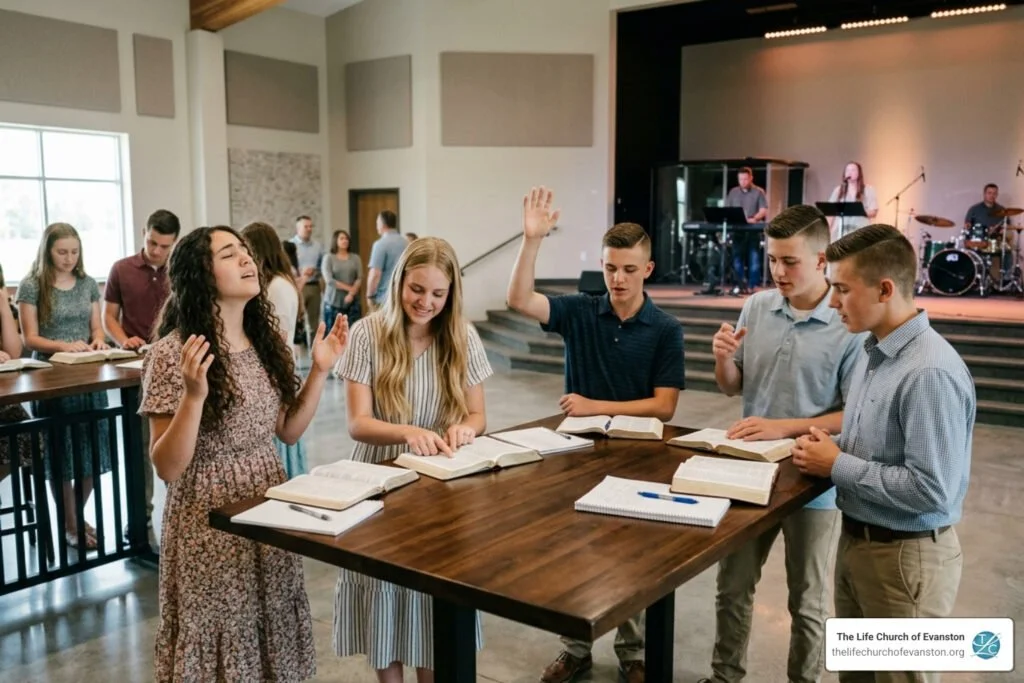
Life groups are also incubators for leadership multiplication. As members grow in their faith and confidence, they are encouraged to take on leadership roles, eventually even starting new groups. Community outreach becomes a natural extension of a healthy life group, as members collectively identify needs and serve their local area. For youth, these experiences are crucial for identity formation, helping them build a faith that is personal and resilient in the face of external pressures.
Designing Age-Specific Discipleship and Mentoring Tracks
Recognizing that spiritual journeys differ across life stages, we emphasize designing age-specific discipleship and mentoring tracks within our life group framework. This means offering modular curriculum tailored to various demographics, from young adults navigating career choices to empty nesters seeking new purpose. Groups can be formed around specific life stages, ensuring that discussions and support are relevant to the members' current experiences.
These tracks help develop spiritual habits, such as consistent prayer, Bible study, and service. They also leverage peer dynamics, allowing individuals to connect with others facing similar challenges and triumphs. The goal is character development, fostering Christ-like attributes through shared experiences and mutual encouragement. This often leads to organic mentorship, where informal relationships develop, and more experienced members guide those newer in their faith journey. Many churches utilize a "free-market model" for groups, allowing them to form organically around shared interests or specific needs, ensuring a diverse and relevant range of options.
The Impact of Spiritual Growth and Youth Programs on Faith Retention
The impact of intentional spiritual growth and youth programs, particularly through life groups, on faith retention cannot be overstated. Statistics consistently show that personal relationships are the most effective method for attracting and retaining church members. In fact, over 85% of long-term church conversions stem from pre-existing personal relationships rather than general outreach or advertising.
Furthermore, converts who commit to structured discipleship, small group classes, and midweek study have a significantly higher retention rate. While those who do not engage in relational discipleship commitments might see retention rates as low as 30%, those who actively participate in life groups and discipleship programs demonstrate a remarkable 90% retention rate. This highlights the crucial role these intimate communities play in fostering long-term commitment. For adolescents, engaging in youth programs and small groups is vital for developing a strong adolescent identity rooted in faith, contributing to their spiritual resilience and preventing them from drifting away from the church as they mature.
Commitment Level to Discipleship/Small Group Retention Rate (1-Year Post-Conversion) No commitment to relational discipleship 30% Committed to structured discipleship/small group 90%
Practical Dynamics: How Small Discipleship Groups Operate
Understanding the practical dynamics of how small discipleship groups operate can demystify the experience for potential members. While formats can vary, a common meeting structure often includes a welcoming time with snacks and conversation, an icebreaker to encourage interaction, a devotional or Bible study segment, dedicated prayer ministry, and casual hangout time. This blend of social interaction and spiritual focus creates a balanced and engaging environment.
Many churches provide discussion guides, often tied to the weekend sermon, allowing groups to delve deeper into the message and apply it to their lives. Group hosts play a crucial role in facilitating these meetings, ensuring everyone feels welcome and the discussion stays on track. One common question is about childcare solutions. Groups often coordinate this independently, pooling resources to hire a shared babysitter, rotating responsibilities among members, or sometimes integrating children into parts of the meeting with age-appropriate activities. This flexibility ensures that busy families can still participate and benefit from the community.
Responsibilities and Qualifications for Group Leaders
Leading a life group is a rewarding service, and we believe that everyone can contribute. The role of a life group leader, sometimes referred to as a spiritual shepherd, goes beyond simply being a facilitator who moderates discussions. A shepherd cares for the souls of the group members, listening for life moments, praying for their needs, and guiding them towards spiritual growth. While a facilitator might follow a script, a shepherd follows the Spirit.
Crucially, leaders do not need to be Bible scholars or have formal theological credentials. Churches typically provide comprehensive coach support, offering conversation guides, curriculum resources, and ongoing training. To ensure a safe environment, background checks are standard for all small group leaders. Many groups also practice rotating leadership, empowering different members to take turns facilitating or hosting, which fosters leadership development throughout the group. We believe that people would rather follow a leader who is always real than a leader who is always right, emphasizing authenticity over perfection.
Navigating Group Selection, Affinity Formats, and Mid-Semester Starts
Finding the right life group is a journey, and we encourage individuals to navigate group selection with patience and grace. Many churches operate a "free-market model" where groups form around diverse affinity hubs—whether it's for young parents, singles, specific hobbies like board games, or community service interests. This variety allows people to find a community where they genuinely fit.
It's perfectly acceptable to explore options, or "shop around," visiting multiple groups before committing to one that feels like the right relational fit. Most groups are structured around seasonal semesters (e.g., Spring, Summer, Fall), which provides natural on-ramps and off-ramps. However, many groups are also open to mid-semester starts, especially if they have capacity. If you find that there isn’t a life group for exactly what you’re looking for, it might be an invitation to step up and start a new one, with the full support and resources of the church. The availability of digital groups also expands options, allowing people to connect regardless of geographical constraints.
Frequently Asked Questions About Church Life Groups
We understand that joining a new group can come with questions. Here, we address some of the most common inquiries about church life groups.
What is the primary purpose of joining a life group?
The primary purpose of joining a life group is to experience authentic Christian community and foster spiritual maturity. We believe God designed us for connection, not isolation. Life groups provide relational care, acting as the "first responders" for pastoral care within the church. They offer mutual support through life's highs and lows, celebrating joys and providing comfort during trials. The biggest benefit is forming lifelong friendships that function like an extended family, providing a dedicated support network where you can be real and belong. This deep friendship and accountability are essential for growth and resilience.
Is it acceptable to visit multiple groups before committing to one?
Absolutely! We encourage you to "shop around" and visit multiple groups before making a commitment. Finding the right group dynamic and relational fit is crucial for a positive experience. We understand that no group is perfect, as no people are perfect, so we encourage patience and grace during this process. It's a journey to discover where you feel most comfortable opening up and sharing your life. Don't hesitate to explore different affinity matching options until you find a community where you truly belong.
How do small groups accommodate childcare and busy family schedules?
Life groups are designed with flexibility in mind to accommodate busy family schedules and childcare needs. Many groups meet on a semester cadence, offering defined commitment periods. Meeting bi-weekly is also a common option, reducing the frequency burden. For childcare, groups often find creative solutions:
Shared Babysitters: Members might pool resources to hire a babysitter to watch children in a separate room or at a nearby home.
Rotating Care: Parents can take turns watching each other's children.
Family Integration: Some groups choose to integrate children into the meeting, especially if they are older, or have a separate, age-appropriate activity for them during discussion time.
Logistical Flexibility: Group leaders are often willing to work with members to find solutions that make participation feasible for everyone.
This adaptability ensures that families can still prioritize spiritual growth and community without undue stress.
Conclusion

In a world that often leaves us feeling isolated, church life groups stand as beacons of hope and connection. We've seen how these vibrant communities foster unparalleled community resilience, providing a network of support that navigates life's challenges and celebrates its triumphs. Through shared discipleship, members grow not just individually, but collectively, sharpening one another as iron sharpens iron.
The lasting connection forged in these intimate settings often transcends years, creating lifelong faith journeys rooted in authentic relationships. As we look to August 2026 and beyond, we remain committed to cultivating environments where every person can find their people, deepen their faith, and experience the transformative power of belonging. We invite you to take the next step and discover the profound impact a life group can have on your spiritual walk.