Professional Upkeep Strategies for Modern Commercial Spaces
Most commercial property managers eventually arrive at the same question: which maintenance model actually reduces costs without sacrificing reliability? The answer, according to industry research, points consistently toward preventive maintenance as the foundation for modern commercial spaces.
Preventive maintenance schedules work performed before failure occurs, while reactive maintenance responds after something breaks. Predictive maintenance uses equipment data to anticipate problems, and condition-based maintenance triggers action only when monitored indicators reach a certain threshold.
For most commercial properties, the goal is less about picking a single “perfect” model and more about setting a clear baseline that everything else can build on.
With that in mind, the next sections walk through the main approaches and show how they fit together in a practical plan.
The Upkeep Model That Works Best Today
For most commercial properties, preventive maintenance sits at the center of a sound upkeep strategy. It schedules work before failure occurs, which keeps maintenance costs predictable and minimizes unplanned downtime. Reactive maintenance, by contrast, responds only after something breaks, and while it is sometimes unavoidable, relying on it as a primary model tends to raise costs and reduce tenant satisfaction over time.
Predictive maintenance uses equipment data to anticipate problems before they surface, while condition-based maintenance triggers action only when monitored indicators reach a defined threshold. Both have their place, particularly for high-value assets, but they work best as complements to a preventive foundation rather than replacements for it.
According to industry research, facilities that adopt structured preventive programs consistently see lower maintenance costs and fewer emergency disruptions. The sections that follow show how to build that kind of program in practice, from checklists and scheduling to technology, staffing, and compliance.
Build a Checklist Around Critical Systems
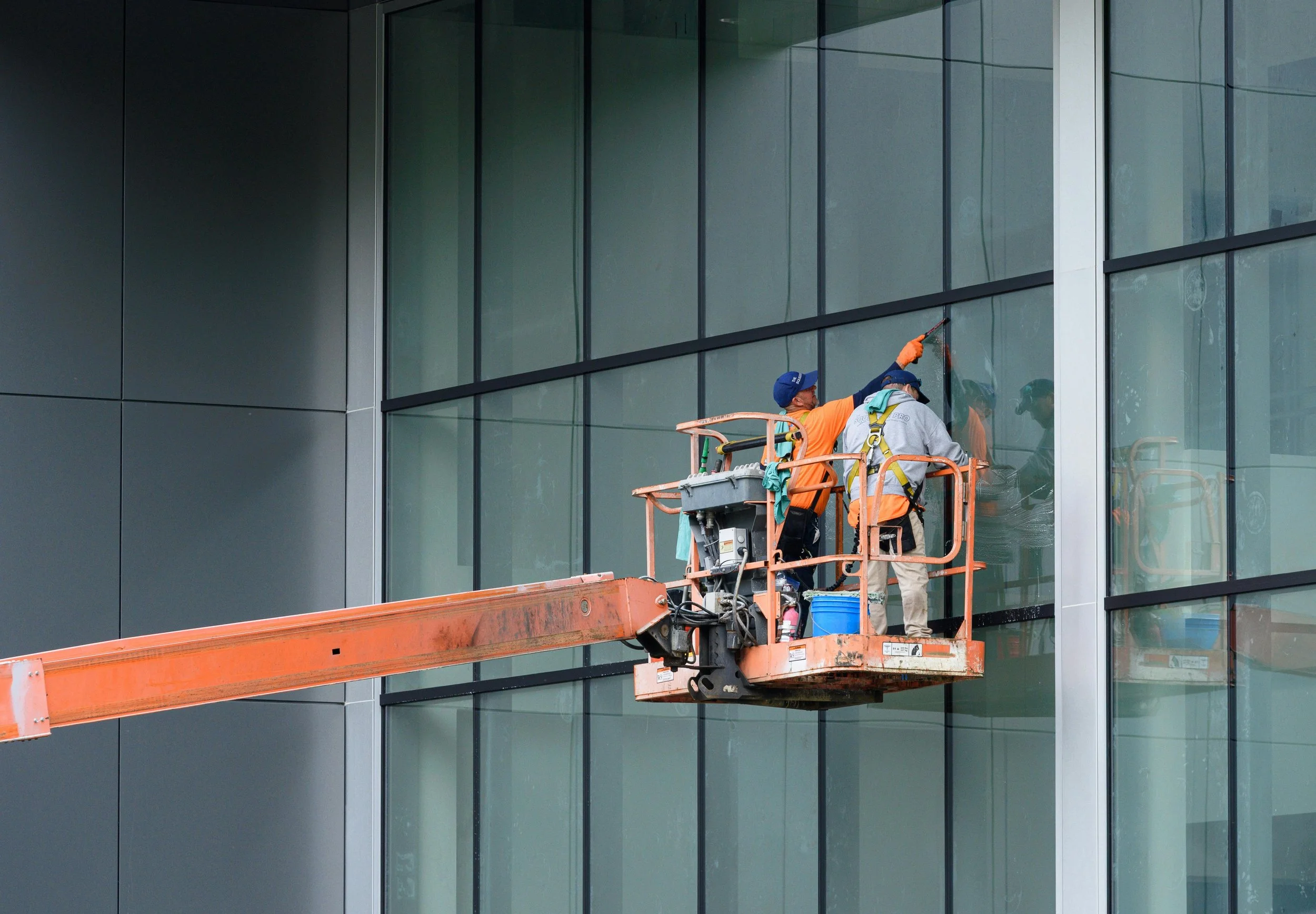
A maintenance strategy only becomes operational when it is organized around the systems that matter most. For commercial properties, that means structuring a building maintenance checklist by function, not by convenience. Alongside system reliability, surface-level upkeep through commercial cleaning services for businesses belongs in the same checklist framework, since cleanliness directly affects occupant perception and tenant satisfaction.
Systems That Cannot Be Allowed to Drift
Four system categories carry the most risk when neglected:
HVAC systems: Filters, coils, belts, and refrigerant levels should be inspected on a scheduled cycle. Unchecked HVAC drift leads to air quality issues, energy waste, and compressor failure.
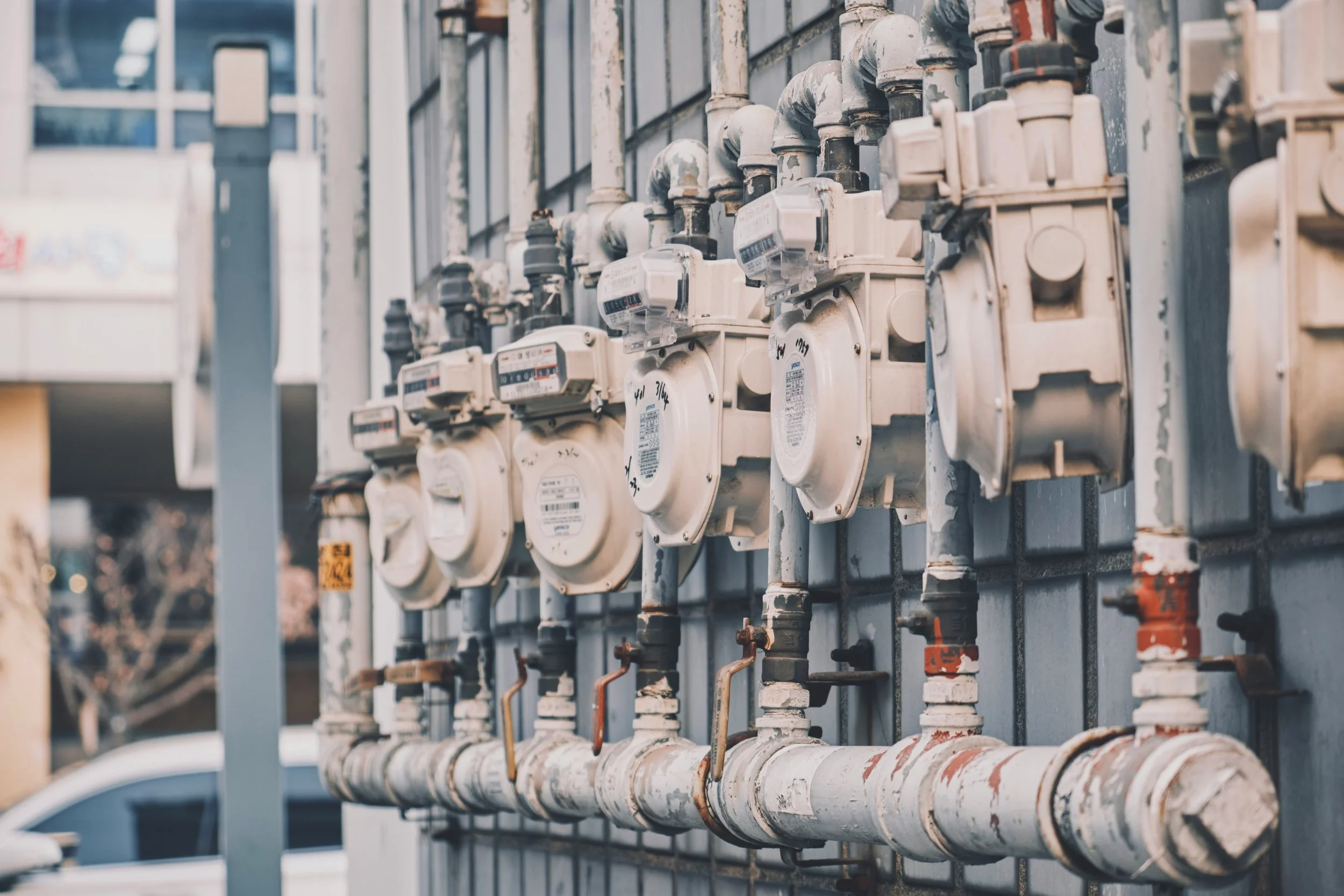
Plumbing systems: Inspections should cover water pressure, pipe joints, drain flow, and water heater condition. Small leaks left unaddressed escalate quickly into structural damage.
Electrical systems: Panel inspections, breaker testing, and lighting checks protect against fire hazards and code violations. Licensed electricians should handle anything beyond visual checks.
Fire safety systems: Sprinkler heads, smoke detectors, extinguishers, and emergency lighting require testing at intervals that align with local compliance requirements.
These systems affect safety, occupant experience, and operational continuity in ways that other building components simply do not.
Standards That Keep the Checklist Usable
A checklist that lists tasks without context becomes noise. Each item on a building maintenance checklist should carry three pieces of information: frequency, assigned responsibility, and a documentation field.
Frequency ensures tasks are not deferred indefinitely. Responsibility removes ambiguity about who owns the action. Documentation creates an audit trail that supports compliance requirements and helps identify patterns before they become failures.
When checklists are built this way, they connect naturally to proactive maintenance tasks for commercial properties, supporting energy efficiency targets and reducing the chance of unplanned system outages.
Set the Right Maintenance Cadence
Timing matters just as much as task selection. A building maintenance checklist only delivers value when it is tied to a realistic schedule, because without cadence, even well-designed checklists become reactive by default.
Daily to Monthly Tasks That Prevent Drift
Short-cycle tasks form the foundation of preventive maintenance. Daily walkthroughs cover visible conditions: lighting functionality, entrance and exit safety, and any obvious signs of water intrusion or equipment irregularity. These take minutes but catch problems early.
Weekly tasks shift toward operational systems. Custodial logs should be reviewed, restroom plumbing spot-checked, and any reported issues from tenants triaged. Monthly tasks go a layer deeper, covering HVAC filter inspections, fire extinguisher visual checks, and exterior condition reviews including drainage and facade.
The distinction between visible upkeep and asset-preservation work matters here. Surface tasks protect appearance and occupant comfort, while asset tasks protect the systems that keep the building functional year over year.
Quarterly, Annual, and Seasonal Reviews
Longer cycles address the kind of deferred maintenance that short-cycle checks cannot reach. Quarterly reviews typically cover HVAC coil cleaning, plumbing pressure testing, electrical panel inspections, and roof membrane assessments.
Annual reviews are where asset-preservation decisions get made. Full system audits, equipment warranties, and capital replacement forecasts all belong here. Seasonal reviews follow a parallel track: pre-winter checks on heating systems and weatherproofing, and pre-summer checks on cooling capacity and ventilation.
Each of these review points should be documented in the same system that houses daily task logs. That continuity is what separates a proactive maintenance program from a collection of ad hoc responses, and it is what keeps maintenance costs from compounding over time.
Use Technology Where It Changes Outcomes
Modern facilities management has moved well beyond paper logs and manual rounds. Building management systems, IoT sensors, and CMMS platforms now handle much of the scheduling, monitoring, and documentation work that once depended entirely on staff availability and memory. Used well, these tools reinforce the checklist and cadence disciplines covered in the previous sections.
Tools That Improve Visibility and Response
Building management systems give facility managers centralized control over HVAC systems, lighting, access, and energy use from a single interface. When something falls outside normal operating parameters, the system flags it automatically rather than waiting for a technician to notice during a scheduled walkthrough.
CMMS platforms extend that visibility into work order management. They automate task scheduling, track completion history, and generate the audit records that compliance reviews and insurance documentation typically require. Together with IoT sensors placed on critical equipment, these tools create a feedback loop between physical conditions and the people responsible for acting on them.
Where Predictive Data Actually Helps
Predictive maintenance earns its place when applied to assets where failure is both costly and detectable in advance. HVAC systems are the clearest example: vibration sensors, temperature anomaly alerts, and runtime data can identify a compressor under stress weeks before it fails outright.
The practical gain is timing. Instead of replacing a component on a fixed calendar schedule or after it breaks, facility teams can act at the right moment, extending asset life while avoiding emergency repair costs. Technology also contributes meaningfully to energy efficiency, since automated controls and usage analytics identify where systems are running harder than necessary, which translates directly into lower utility costs and better documentation for sustainability reporting.
Choose Between In-House and Outsourced Help
Staffing decisions shape how quickly problems get resolved and how much they cost to fix. The right model depends on the size of the property, the complexity of its systems, and the level of after-hours coverage required.
In-house teams offer speed and familiarity. They know the building, respond immediately, and handle routine tasks without scheduling friction. The tradeoff is that they typically carry limited depth across specialized disciplines. Outsourced models reduce fixed staffing costs and give access to specialists on demand, though the gap appears in response time and building-specific knowledge, which can affect tenant satisfaction when issues escalate quickly.
A hybrid approach addresses both limitations. Routine preventive maintenance and daily oversight stay in-house, while regulated or high-skill work, such as electrical panel work, fire safety compliance, or refrigeration systems, goes to trusted commercial contractors with the required credentials. For work tied to compliance requirements, specialized contractors are rarely optional, since licensing obligations and liability exposure make in-house handling impractical in those areas regardless of what it saves on paper. Choosing the wrong model in either direction raises maintenance costs or delays the responses that keep tenants from escalating complaints into vacancies.
Keep Compliance and Safety Built Into the Plan
Safety and regulatory obligations belong inside the maintenance plan itself, not in a separate compliance project reviewed once a year and forgotten. Treating them as an afterthought is where avoidable disruptions tend to originate.
OSHA standards and local building codes set clear expectations for how electrical systems and fire safety systems must be tested, documented, and maintained. Falling short of those expectations creates liability exposure, potential fines, and operational disruptions that consistent scheduling can prevent.
What makes compliance manageable is documentation. Inspection records, testing schedules, and verified contractor qualifications should live in the same system that tracks routine maintenance tasks. When compliance requirements are treated as part of the established cadence rather than a parallel workflow, they integrate naturally into the rhythm already built around critical systems.
A Modern Upkeep Plan Is a Proactive One
The strategies covered here, from building maintenance checklists and maintenance cadence to technology adoption, staffing models, and safety compliance, are most effective when they operate as a connected system rather than independent efforts.
Preventive maintenance is what holds that system together. It keeps maintenance costs predictable, protects tenant satisfaction, and reduces the frequency of emergency responses that disrupt operations and strain budgets.
Property managers who treat upkeep as an ongoing discipline rather than a periodic project tend to make better decisions at every level, from which vendor to call to when equipment has reached its replacement threshold. That posture is what modern commercial upkeep actually requires.