Beyond Referrals: HVAC Marketing Tactics That Drive Sustainable Growth
It's June 2026, and the HVAC business is tougher than ever. Many contractors struggle to reach new customers because everyone wants their attention. Even with great skills and a good name, you need to be seen. This means effective HVAC marketing is very important for growing your business. Homeowners now search online for services, and they expect fast, clear answers. The digital world changes fast, making it hard to know which marketing plans really work.
To win, businesses must be strong online. For more help building your online base, check our guide on Digital Marketing and Search Visibility. This article will look at top HVAC marketing ideas for 2026. We will cover digital tools, AI, and older methods. We'll show you how to check your results, get found locally, use online reviews, and spend your money wisely. Our goal is to help you through these challenges. We want you to get more customers and keep them for a long time.
In June 2026, the foundation of effective HVAC marketing lies in mastering the digital landscape. For contractors, this means prioritizing local search engine optimization (SEO), optimizing their Google Business Profile (GBP), and strategically utilizing Local Services Ads (LSA) and Google Guaranteed. The modern homeowner's journey to finding an HVAC technician almost always begins online, often on a mobile device, highlighting the critical need for robust Digital Marketing and Search Visibility.
Consider this: 88% of local HVAC searches culminate in a service call within 24 hours. Furthermore, businesses that appear in Google's coveted Local Pack can see a staggering 126% increase in website traffic. This underscores that merely having an online presence isn't enough; you need to be prominently visible where your customers are actively searching. Our comprehensive guide on Digital Marketing and Search Visibility offers deeper insights into crafting a winning online strategy.
Mobile optimization is no longer optional; it's a necessity. With 76% of HVAC searches now occurring on mobile devices, your website must be fast, responsive, and easy to navigate on any screen size. A slow or clunky mobile experience will deter potential customers and send them straight to a competitor.
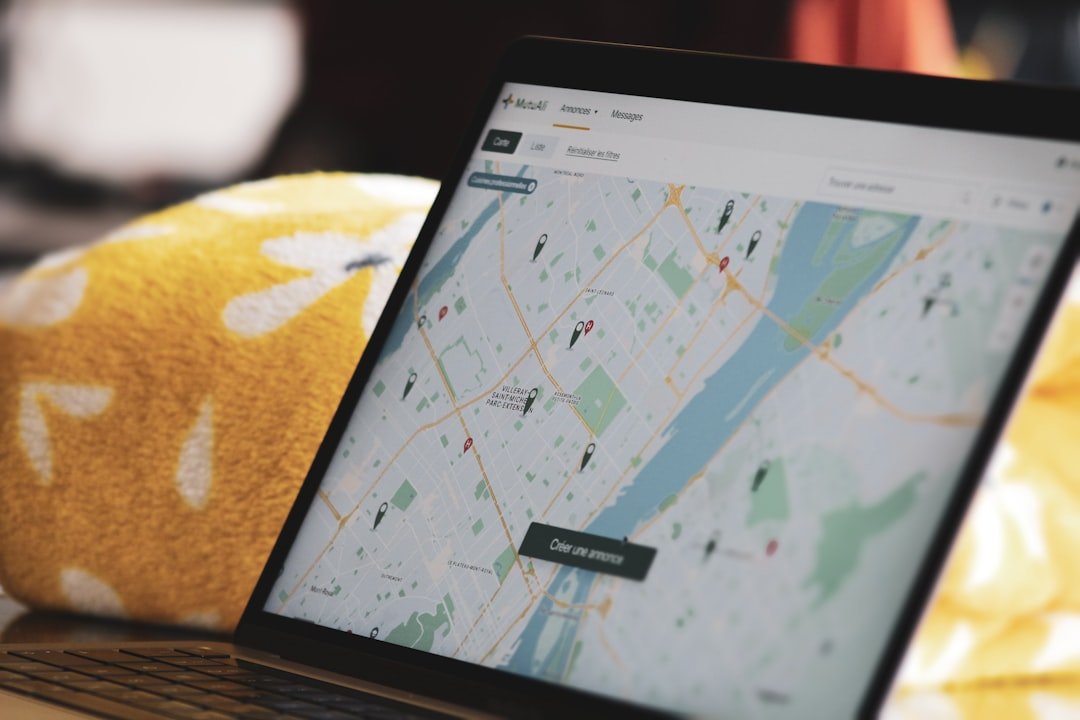
When comparing the performance of different online channels, it's helpful to understand their unique strengths. Organic SEO, while a long-term play, can yield highly cost-effective leads over time by establishing authority and trust. Paid channels like Google Ads and LSAs offer immediate visibility and lead generation, crucial for emergency services. While Google Ads might have an average cost per lead of $104 (with non-branded campaigns averaging $149), Local Services Ads can deliver leads at an average of $51, boasting a 44% book rate and an impressive 9.5x return on ad spend. The key is to integrate these channels into a cohesive strategy, leveraging each for its specific advantages.
Optimizing the Local Map Pack
The Local Map Pack is often the first thing a potential customer sees when searching for HVAC services in their area. To secure a spot here, several elements are crucial. Firstly, NAP (Name, Address, Phone number) consistency across all online directories and your website is paramount. Google cross-references this information, and discrepancies can hurt your rankings. Secondly, actively building local citations on platforms like Yelp, Angi, and Nextdoor signals to Google that your business is legitimate and active in the community.
Thirdly, strategically incorporating geo-targeted keywords into your website content and Google Business Profile description helps Google understand which local searches your business is relevant for. Think "AC repair [Your City]" or "furnace installation [Your Neighborhood]". Finally, and perhaps most importantly, managing your online reputation is key. A staggering 96% of customers read online reviews before choosing a local business, and a higher star rating directly correlates with an increased click-through rate on search engines. Encouraging positive reviews and responding professionally to all feedback on your Google Business Profile is non-negotiable for map pack dominance.
Leveraging Paid Search and Local Services Ads
For immediate lead generation, particularly during peak seasons or for emergency services, paid search channels like Google Ads and Local Services Ads (LSA) are indispensable.
Google Ads (PPC) allows you to target high-intent keywords, ensuring your business appears when customers are actively searching for solutions. While the average cost per lead for HVAC on Google Ads is around $104 (and higher for non-branded terms at $149), the ability to reach customers precisely when they need you can justify the investment. Effective campaigns require meticulous keyword research (including negative keywords to avoid irrelevant clicks), compelling ad copy, and continuous optimization to improve conversion rates.
Local Services Ads (LSA), identifiable by the "Google Guaranteed" badge, offer a unique advantage. These ads appear at the very top of Google search results, even above traditional PPC ads, and you only pay when a customer contacts you (either by phone or message) through the ad. For HVAC, LSAs average $51 per lead with a 44% book rate and a remarkable 9.5x return on ad spend, making them an incredibly efficient channel for qualified leads. The "Google Guaranteed" badge also instills a higher level of trust with potential customers, as it signifies that Google has vetted your business. Combining both Google Ads and LSAs often yields the best results, providing both broad reach and highly qualified, cost-effective leads.
Leveraging AI and Answer Engine Optimization in 2026
The digital landscape is continually reshaped by technological advancements, and in June 2026, Artificial Intelligence (AI) is at the forefront of this transformation. AI search tools like ChatGPT, Gemini, and Perplexity are fundamentally changing how users find information, and consequently, how HVAC contractors need to optimize their marketing efforts. These generative AI platforms are evolving into "answer engines," providing direct responses to complex queries, often summarizing information from various sources without users needing to click through to individual websites.
This shift presents both challenges and immense opportunities for enhancing online presence and search visibility. The goal is no longer just to rank high on a search results page, but to be the authoritative source from which AI tools draw their answers. We're already seeing this impact; AI-generated responses now appear in 22% of home service searches before any traditional organic or paid listings, fundamentally altering lead flow.
Optimizing Content for Digital Marketing and Search Visibility in AI Search
To thrive in an AI-driven search environment, HVAC contractors must adapt their content strategies. Here’s how to optimize for this new reality:
Embrace Conversational Queries: AI tools excel at understanding natural language. Your content should anticipate and directly answer the types of questions homeowners ask conversationally, such as "What's the best heat pump for a 2000 sq ft home in [My City]?" or "Why is my AC making a banging noise?"
Implement Structured Data and Schema Markup: This technical SEO element helps search engines and AI tools understand the context and meaning of your content. Using schema for services, FAQs, business information, and reviews makes it easier for AI to extract accurate data and present it as a direct answer.
Focus on Semantic Search: Beyond keywords, AI understands the relationships between concepts. Create comprehensive content that covers a topic thoroughly, demonstrating deep expertise. For example, instead of just a page on "AC repair," have sections that explain common issues, troubleshooting tips, when to call a professional, and maintenance advice.
Target Featured Snippets: These concise answer boxes at the top of Google's search results are often precursors to AI-generated answers. Structuring your content with clear headings, bullet points, and direct answers to common questions increases your chances of being selected for a featured snippet, and thus, for AI citation.
By becoming a trusted source of information, HVAC businesses can significantly improve their Digital Marketing and Search Visibility in the age of AI.
Generative Engine Optimization and Agentic SEO
The evolution of AI search has given rise to new concepts: Generative Engine Optimization (GEO) and Agentic SEO.
Generative Engine Optimization (GEO) refers to optimizing your content specifically for large language models (LLMs) and answer engines. This means creating content that is not only factual and accurate but also well-structured, easy to understand, and directly answers user intent. The goal is to be the primary source that these AI systems cite when providing answers, effectively becoming the "source of truth" in a given domain. For HVAC, this could involve detailed guides on system maintenance, energy efficiency comparisons, or explanations of new refrigerant regulations (like R-454B and R-32, which are driving demand for heat pump marketing).
Agentic SEO goes a step further. As AI agents become more sophisticated, they will not just answer questions but also perform tasks and make recommendations. Optimizing for agentic SEO means ensuring your business information, services, and unique value propositions are clearly articulated and easily digestible by these AI agents. This includes having highly accurate and complete Google Business Profiles, robust online review profiles, and clear calls to action that an AI agent could interpret and act upon (e.g., "book an appointment," "request a quote"). The future of search visibility will increasingly depend on how well businesses can communicate their offerings to both human users and intelligent AI systems.
Multi-Channel Lead Generation and Customer Retention Strategies
While optimizing for search is crucial, a truly effective HVAC marketing strategy in 2026 demands a multi-channel approach that extends beyond initial search queries. The customer journey is rarely linear, involving multiple touchpoints across various platforms. By engaging customers through diverse channels, HVAC businesses can build stronger brand authority, nurture leads, and foster long-term relationships that drive recurring revenue. This holistic strategy is vital for comprehensive Digital Marketing and Search Visibility.
Consider the power of referrals: referred customers convert at 4x the rate of cold leads and boast a 16% higher lifetime value. This highlights the importance of not just acquiring new customers but delighting existing ones. Traditional methods also retain their value; vehicle wraps, for instance, generate 30,000 to 70,000 impressions per day and cost less than $100/month over the wrap's life, offering continuous mobile branding. Moreover, 91% of homeowners check reviews before letting an HVAC contractor into their home, emphasizing the pervasive influence of social proof across all marketing efforts.
Integrating Email Marketing and SMS Automation
Email marketing remains one of the highest-ROI channels available for HVAC contractors, returning an impressive $36-44 for every dollar spent. This makes it an indispensable tool for lead nurturing and customer retention.
Automated Email Campaigns:
Seasonal Reminders: Send automated emails for AC tune-ups in spring and furnace checks in fall.
Maintenance Agreement Promotions: Highlight the benefits of service plans and offer exclusive discounts to existing customers.
Energy Efficiency Tips: Provide valuable content that positions your business as an expert, such as advice on thermostat settings or air filter changes.
"We Miss You" Campaigns: Target dormant customers with special offers to re-engage them.
Email Segmentation Strategies:
By Service History: Tailor offers based on past repairs or installations (e.g., customers with older AC units).
By System Type: Send relevant information for specific equipment (e.g., heat pump owners).
By Lead Source: Customize follow-up based on how they initially interacted with your business.
By Engagement Level: Send more frequent or exclusive content to highly engaged subscribers.
SMS Automation complements email by offering immediate, high-impact communication. The statistic that 78% of customers go with the first contractor to respond, and responding within 1 minute increases conversion by 391%, underscores the critical role of speed-to-lead. Automated SMS can:
Send instant confirmations for appointment bookings.
Provide technician arrival notifications.
Deliver direct links for review requests post-service.
Offer rapid responses to web form inquiries, initiating a conversation within that crucial first minute.
Enhancing Digital Marketing and Search Visibility Through Video Content
Video marketing is an increasingly powerful tool for HVAC businesses to build trust, showcase expertise, and engage with potential customers. With platforms like YouTube acting as the second-largest search engine, and the prevalence of video on social media, integrating video into your strategy is essential for modern Digital Marketing and Search Visibility.
Educational Content: Create "how-to" videos for simple troubleshooting (e.g., changing air filters, resetting a thermostat) or explain complex topics like the benefits of heat pumps or the new refrigerant standards. This positions your company as an authority and a helpful resource.
Customer Testimonials: Video testimonials are incredibly persuasive. Hearing a satisfied customer describe their positive experience builds immense social proof. 91% of homeowners check reviews before letting an HVAC contractor into their home, and video reviews add another layer of authenticity.
Behind-the-Scenes: Showcase your team, your values, and your commitment to quality. A brief video introducing your technicians or showing a glimpse of your operations can humanize your brand.
Before-and-After Videos: Visually demonstrate the impact of your work, from a dirty coil to a sparkling clean one, or an old system replaced with a new, efficient unit.
Service Explainer Videos: Clearly outline what a specific service entails, such as a full HVAC system inspection or duct cleaning, managing customer expectations and highlighting your thoroughness.
Optimizing videos for search involves using relevant keywords in titles and descriptions, adding transcripts, and promoting them across all your digital channels.
Frequently Asked Questions About Search Visibility
Navigating the complexities of online marketing can raise many questions for HVAC contractors. Here, we address some of the most common inquiries regarding search visibility and effective digital strategies.
How long does it take to see results from local SEO?
Local SEO is a long-term investment, not a quick fix. While you might see some initial improvements in visibility within a few weeks, significant and sustained results typically take 6 to 12 months to fully materialize. This timeline allows for Google to crawl and index your optimized content, build authority through consistent local citations and backlinks, and accumulate a substantial number of positive customer reviews. Organic growth requires patience and consistent effort, but the payoff is a resilient online presence that generates cost-effective leads over time. Unlike paid ads that stop delivering once your budget runs out, strong SEO continues to bring in traffic long after the initial effort.
What is the difference between Google Ads and Local Services Ads?
The primary difference lies in their payment model, placement, and the level of vetting required:
Google Ads (PPC - Pay-Per-Click): These are the traditional text ads that appear at the top or bottom of Google search results. You pay every time someone clicks on your ad, regardless of whether they become a lead. Google Ads allow for extensive targeting options and can drive traffic to specific landing pages. The average cost per lead for HVAC on Google Ads is around $104.
Local Services Ads (LSA - Pay-Per-Lead): These ads appear at the very top of Google search results, even above traditional PPC ads, and feature a "Google Guaranteed" badge. With LSAs, you only pay when a customer contacts you directly through the ad (via phone call or message). This model often results in higher-quality leads and a lower cost per lead, averaging $51 for HVAC, with a 44% book rate and 9.5x ROAS. To qualify for LSAs, businesses must pass Google's background checks and licensing verification, which builds significant trust with consumers.
How does AI search impact organic website traffic?
AI search, particularly with the rise of AI Overviews and generative AI tools, is fundamentally changing how users interact with search engines and, consequently, how organic website traffic is generated.
Direct Answers: AI tools aim to provide direct, comprehensive answers to user queries within the search results page itself. This means users may find the information they need without clicking through to a website, potentially leading to a decrease in organic click-through rates (CTR) for some queries.
Conversational Search: As search becomes more conversational, users are asking more complex, multi-part questions. Websites optimized for AI search (through structured data, clear FAQs, and comprehensive content) are more likely to be cited by AI tools, maintaining or even increasing their visibility, albeit in a different format (e.g., as part of an AI-generated summary).
Shift in Intent: While informational queries might see reduced website clicks, transactional or navigational queries (e.g., "HVAC repair near me") are still likely to drive direct website visits or phone calls, especially if your Google Business Profile and LSAs are optimized.
The impact is a shift from simply ranking high to being the source of the answer, emphasizing the need for robust content and Answer Engine Optimization (AEO) to maintain strong Digital Marketing and Search Visibility.
Conclusion
In the dynamic landscape of June 2026, effective HVAC marketing is about more than just advertising; it's about strategic growth, deep understanding of consumer behavior, and seamless integration of digital and traditional channels. From dominating local search results and leveraging the power of AI to implementing multi-channel lead generation and robust customer retention strategies, the path to success for HVAC contractors is clear.
By consistently optimizing your online presence, embracing new technologies, and prioritizing customer experience, you can build a resilient business that not only attracts new clients but fosters long-term relationships and recurring revenue. The future belongs to those who adapt, innovate, and commit to continuous improvement in their marketing efforts.
For those looking to elevate their business and explore strategic partnerships that drive growth, consider opportunities like the Daikin Partner Program, which can provide valuable resources and support.