Maximizing Your Roof's Lifespan: Essential Maintenance Tasks
A roof is one of the most important parts of any home. It protects against harsh weather, insulates interiors, and contributes to a house’s curb appeal. Despite its importance, many homeowners overlook roof maintenance until a major issue arises. By taking a proactive approach, you can extend the lifespan of your roof, save on costly repairs, and ensure that your home remains safe and secure for years to come.
Important maintenance tasks are not complicated, but they require consistency and awareness. With the right care strategies in place, homeowners can catch small issues before they become big problems.
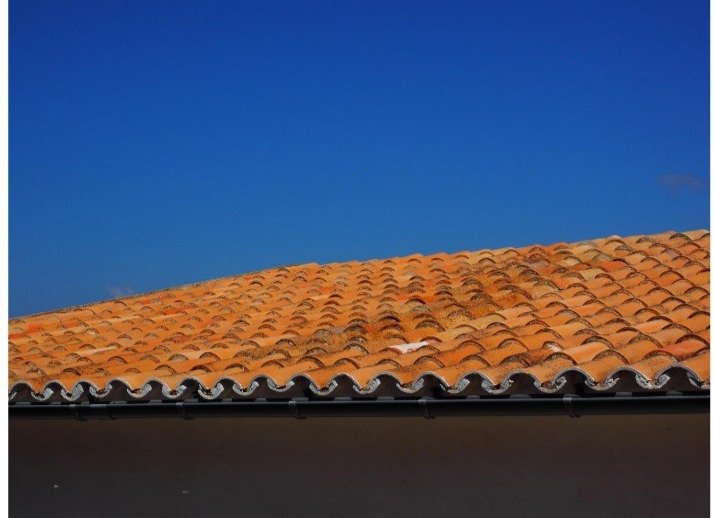
Scheduling Regular Inspections
One of the simplest yet most effective ways to prolong your roof’s life is through routine inspections. Ideally, roofs should be inspected twice a year, once in the spring and again in the fall. Seasonal changes, such as heavy rains, strong winds, or snow accumulation, can take a toll on roofing materials.
Identifying damage early prevents small cracks, leaks, or missing shingles from evolving into expensive repairs. If you’re not comfortable inspecting your roof yourself, this is where trusted roofing contractors can provide invaluable support. Homeowners dealing with storm damage or aging materials may want to explore professional services specializing in roof repair in Kansas City, where localized expertise ensures your roof meets regional weather demands. Professionals know how to spot early warning signs that homeowners might miss, from subtle water damage to structural weaknesses.
A professional inspection provides peace of mind and ensures your roof remains in optimal condition year-round.
Keeping Gutters Clean and Functional
Gutters play a critical role in roof longevity by directing water away from your home. When gutters become clogged with leaves, dirt, or debris, water can back up and seep under shingles, leading to leaks and rot. Regularly cleaning gutters in the fall when leaves accumulate reduces this risk.
It’s important to check downspouts to ensure water flows freely away from the foundation. For added protection, installing gutter guards can minimize buildup and reduce maintenance frequency. Clean, functional gutters protect your roof and preserve the structural integrity of your home.
Addressing Leaks Promptly
Even small leaks should never be ignored. Water infiltration can quickly lead to mold growth, damaged insulation, and weakened roofing structures. What starts as a minor drip may soon require thousands of dollars in repairs if left unaddressed.
Homeowners should routinely check attics and ceilings for water stains or damp spots. If a leak is detected, immediate action is critical. Quick repairs, whether replacing shingles, sealing flashing, or repairing underlayment, can make all the difference in preserving your roof’s health and lifespan.
Trimming Overhanging Trees
While trees provide shade and beauty, branches that hang too close to your roof can cause significant damage. During storms, branches may scrape shingles, break off, or even puncture the roof. Overhanging limbs encourage moss and algae growth by trapping moisture and limiting sunlight.
Trimming back trees prevents physical damage and improves air circulation, helping your roof dry more quickly after rain. As an added benefit, removing excess shade reduces the chances of pests, such as squirrels or raccoons, finding their way into your attic through roof openings.
Managing Moss, Algae, and Debris
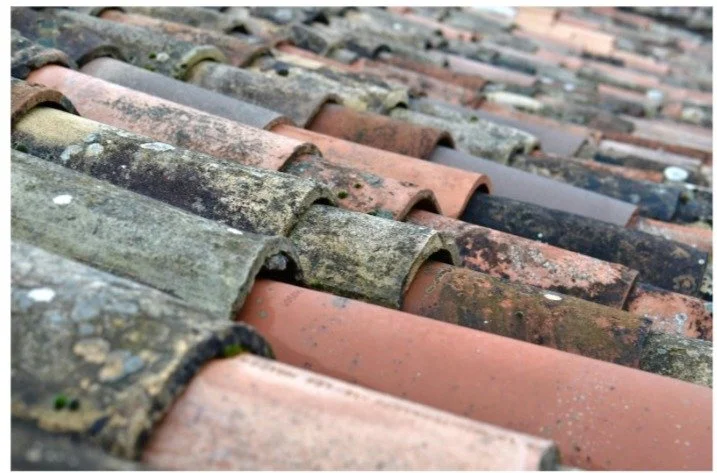
Moss and algae may look like minor cosmetic nuisances, but if left untreated, they can pose serious threats to a roof’s structural integrity. Moss thrives in damp, shaded areas and acts like a sponge, trapping moisture against shingles.
This constant exposure to dampness can cause shingles to warp, crack, or lift, leaving the roof vulnerable to leaks. Algae, on the other hand, often appears as dark streaks across shingles. While less damaging than moss, it absorbs heat, raising attic temperatures and potentially increasing cooling costs during warmer months.
Regular upkeep is the best defense. Sweeping away leaves, branches, and other debris prevents buildup that creates the damp, shaded conditions moss and algae love. In regions with heavy rainfall or dense tree coverage, homeowners may need to rinse their roofs more frequently to remove early growth before it spreads. A gentle wash using low-pressure water can be effective, but it’s important to avoid high-pressure cleaning, which can strip away protective granules from shingles.
Preparing for Seasonal Extremes
Different climates present unique challenges for roof maintenance. In cold regions, ice dams can form along the edges of roofs, trapping water and causing leaks. Installing proper insulation and ventilation in the attic helps prevent this. In hot climates, excessive sun exposure can dry out shingles, making them brittle. Reflective roof coatings or lighter-colored materials can reduce heat absorption and extend roof life.
Preparing your roof ahead of seasonal changes ensures that it’s ready to handle whatever weather comes its way. Proactive adjustments tailored to your climate are important for maximizing performance and durability.
Your roof is one of your home’s most valuable assets, and maintaining it should be a top priority. By scheduling inspections, cleaning gutters, addressing leaks promptly, trimming trees, managing moss and debris, and preparing for seasonal extremes, you can significantly extend its lifespan and reduce the likelihood of costly repairs. With the right care and attention, you maximize your roof’s longevity and maintain the comfort, safety, and value of your entire home.