Managing Pain and Mobility During Injury Rehabilitation
Recovering from an injury can be a demanding process that tests patience, discipline, and emotional endurance. Whether the injury stems from a sports accident, workplace mishap, or road incident, the journey toward healing involves much more than physical recovery.
Pain management, emotional resilience, and restoring mobility become interconnected goals. A structured rehabilitation plan guided by healthcare professionals can make a remarkable difference in how smoothly the process unfolds.
Balancing rest and activity, building confidence in movement, and adopting effective pain management techniques all play central roles in achieving long-term recovery.

Legal and Emotional Support During Recovery
The emotional burden of an injury can be just as overwhelming as the physical pain. When an accident involves another party, such as a reckless driver, the stress may extend beyond physical discomfort to include financial and legal concerns.
Victims navigating this process often turn to professionals who can guide them through legal complexities. Seeking the advice of a hit-and-run injury attorney during this stage can help clarify rights, secure fair compensation, and provide peace of mind while focusing on rehabilitation. Having someone handle legal responsibilities allows the injured person to devote energy to healing rather than being consumed by paperwork, claims, or negotiations.
Emotional stability often improves when there is trust that justice is being pursued, offering reassurance that recovery efforts are not overshadowed by financial strain or uncertainty.
Understanding Pain and the Healing Process
Pain during rehabilitation often serves as the body’s signal that tissues are healing and adapting. While discomfort is common, persistent or intense pain may indicate complications that require medical attention.
Learning to distinguish between normal recovery pain and potential injury-related issues can prevent long-term setbacks. This understanding is developed through communication with healthcare providers who assess progress and adjust treatment plans accordingly.
Pain management techniques such as controlled breathing, relaxation methods, and guided visualization can supplement medical treatments. Combining physical and mental strategies creates a balanced approach that keeps the body active without aggravating the injury.
Tracking pain levels through a journal or app can help identify triggers and measure improvement, leading to a more personalized rehabilitation experience.
The Role of Physical Therapy in Restoring Mobility
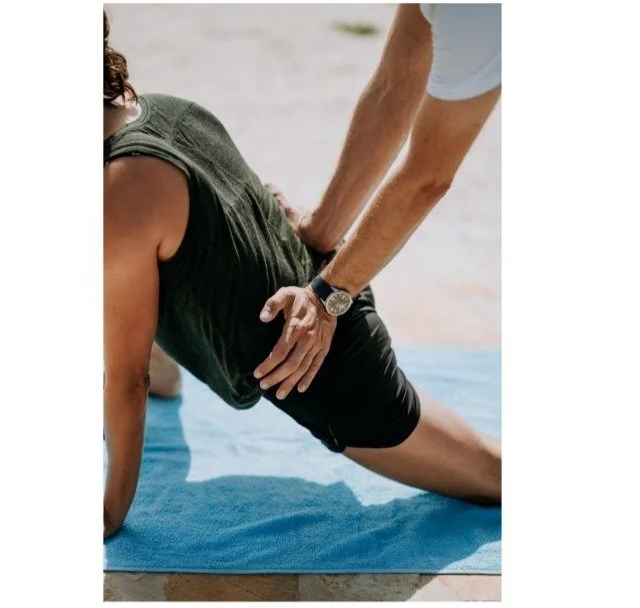
Physical therapy remains one of the most valuable components of recovery. Skilled therapists design programs tailored to the type and severity of the injury.
These plans often begin with gentle range-of-motion exercises that gradually transition to strength and endurance training. Restoring flexibility in joints and rebuilding muscle strength reduces stiffness and helps prevent re-injury.
Therapists also teach proper movement techniques that protect vulnerable areas while encouraging independence. Collaboration between the therapist and patient fosters confidence and helps maintain motivation when recovery feels slow.
Nutrition and Lifestyle Adjustments for Healing
Rehabilitation is not limited to exercises or treatments; lifestyle choices play a crucial role in recovery outcomes. Nutrient-rich foods that support tissue repair, such as lean proteins, fruits, vegetables, and healthy fats, accelerate healing. Hydration maintains joint lubrication and aids in cellular repair.
Reducing processed foods and sugar intake can also minimize inflammation, promoting better mobility. Restful sleep further complements physical recovery by allowing muscles and connective tissues to rebuild.
Small lifestyle modifications such as mindful eating, staying hydrated, and establishing consistent sleep routines create a supportive foundation for physical progress. Adopting these habits can also improve mental focus, leading to greater persistence throughout rehabilitation.
Managing Pain Without Overreliance on Medication
Medication can be an effective short-term solution for managing acute pain, but relying solely on it can hinder progress. Over time, excessive use may dull awareness of physical limits or introduce unwanted side effects.
Non-pharmacological methods such as heat therapy, cold compresses, massage, and acupuncture often provide relief while encouraging the body’s natural healing response. Learning how to use these techniques safely helps individuals maintain comfort without compromising recovery.
Developing mental resilience through mindfulness and relaxation exercises also decreases perceived pain levels. A balanced plan that integrates physical, psychological, and medical methods supports sustainable healing and prevents dependence on medication.
Building Long-Term Mobility and Preventing Reinjury
The goal of rehabilitation extends beyond recovery to include lasting mobility and injury prevention. Strengthening the body’s support systems—muscles, tendons, and ligaments—reduces the risk of recurrence.
Functional training, which mimics real-life movements, helps prepare the body for daily tasks or athletic performance. Continuing to exercise under guidance after formal therapy ends can maintain gains and prevent stiffness.
Developing awareness of body mechanics ensures safe movement and balance. Paying attention to early signs of fatigue or discomfort can alert individuals before problems escalate.
Rehabilitation becomes not only a path to recovery but also a lifelong commitment to maintaining mobility, strength, and confidence in one’s body.
Pain management and mobility restoration during injury rehabilitation demand patience, persistence, and informed choices. The process extends far beyond physical exercises, encompassing emotional stability, nutritional care, and mindful self-management.
Having reliable professional support, such as a medical team and a legal advocate when necessary, can ease the mental load of recovery.
Consistent therapy, healthy living habits, and an adaptable mindset contribute to a full and lasting return to daily activity. Each step in this process, no matter how small, brings individuals closer to regaining control over their bodies and their lives, marking recovery not as a single milestone but as an ongoing journey toward renewed strength and independence.