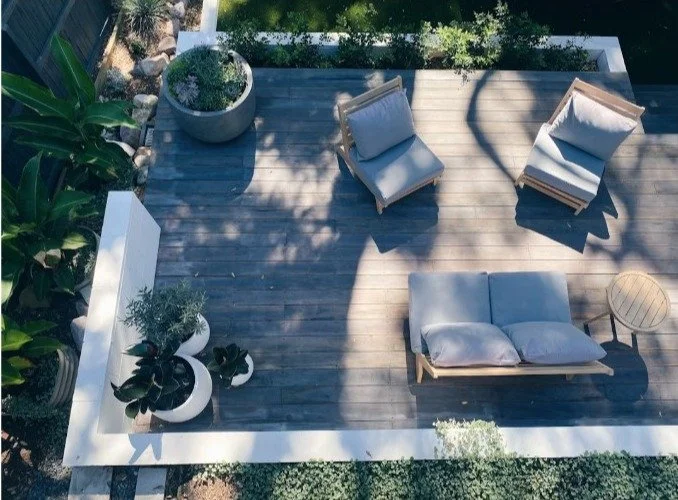
Key Considerations For Planning A Deck That Lasts For Years
When enhancing the value and appeal of your home, a well-designed deck serves as a stunning addition. It provides an outdoor space for relaxation and entertainment, and it seamlessly connects your indoor and outdoor worlds. Planning a deck that is both beautiful and long-lasting requires a thoughtful approach, balancing aesthetics with practical considerations. Whether you're envisioning a cozy space for family gatherings or an elegant setting for entertaining guests, careful planning will ensure your deck serves you well for many years to come.
Understanding Your Needs and Goals
Before setting foot in the materials section of your local home improvement store, it’s crucial to assess your needs and goals for the deck. Begin by asking yourself questions, such as the primary purpose of the deck, which will be used for outdoor dining, lounging, or family gatherings. Understanding the intended use will guide decisions on size, design, and layout.
Consider the number of people who typically use your outdoor space, as this will help you determine how large a deck you’ll require. The climate of your area plays a significant role in the planning process as well. Different materials and designs perform better in varying weather conditions. In regions where heavy rainfall is prevalent, drainage and materials resistant to moisture will be crucial.
Choosing the Right Materials
Selecting the right materials is quintessential in building a deck that endures the test of time. When considering materials, you have several options ranging from traditional wood to composite materials. Each comes with its own advantages and disadvantages. Wood has traditional appeal and is often less expensive initially.
It requires regular maintenance, including staining and sealing, to prevent rot and weathering. Brands of decking like pressure-treated lumber and cedar are popular for their compatibility with various climates. On the other hand, composite materials are engineered for durability and require minimal maintenance. They resist fading, staining, and mold growth, which makes them an attractive option for busy homeowners. This longevity factor often makes them a wiser economic choice for the long run.
A Balance of Functionality and Aesthetics
Deck design is where your vision comes to life. Successful deck design strikes a balance between functionality and aesthetics. Start by sketching a basic layout that includes important features like seating areas, railings, and plants. Lighting is another crucial aspect to consider. Different types of outdoor lighting can enhance the ambiance and safety of your deck at night. Options range from integrated lighting in the rails to solar-powered garden lights placed strategically around the perimeter of the deck.
Think about the flow between the deck and the existing landscape. Design elements such as stairs, planters, and decorative features can help create a seamless transition from your indoor living space to the outdoors. Remember, the goal is not just to have an attractive deck, but one that integrates well with your home and surrounding environment, enhancing the entire property’s value.
Permits and Regulations
Before construction begins, it’s paramount to check local regulations to ensure compliance. Building codes and zoning restrictions vary by location, so it is critical to familiarize yourself with your region's specific guidelines. These might include requirements for setbacks, height restrictions, and materials allowed for exterior construction.
Consulting with local officials or your experts for deck building can provide clarity on what is permissible and what isn’t. Obtaining the necessary permits usually involves submitting detailed plans outlining your intended design. Failing to secure these permits can lead to costly fines and may require you to dismantle what you built. Therefore, taking the time to understand these regulations upfront ensures a smoother process throughout your project and keeps everything above board.
Planning for Maintenance
A key aspect often overlooked in deck planning is maintenance. Selecting materials that require low upkeep is undoubtedly an advantage, and all decks will require some maintenance to maintain their longevity and appearance. Establishing a regular cleaning regimen, which may involve washing off debris and treating the deck with protective coatings, helps ensure your deck stays in great shape through the seasons. Be aware that decking materials will react differently.
While composite materials may resist staining better than wood, they will still require cleaning to prevent the buildup of dirt and grime. Schedule an annual inspection to assess the condition of your deck and address any issues promptly, such as cracks, loose boards, or mold growth, to prevent those problems from leading to more significant repairs down the road.
Consulting Deck Building Experts
Engaging with experts can make a significant difference in both the quality and longevity of your project. As stated by the team at SpaceStars Deck Builders, professionals bring experience and knowledge of best practices, local building codes, and material performance that can prevent costly mistakes. They can provide guidance on design optimization, ensuring that your deck is both functional and visually appealing. Seasoned professionals can help source high-quality materials and recommend the most durable options for your specific climate and lifestyle. By consulting deck building experts early in the planning process, you gain peace of mind knowing that your deck will be constructed safely, efficiently, and to a standard that will last for years.
Accommodating Future Modifications
As you finalize your deck plans, consider how your needs might develop in the future. Designing your deck with future modifications in mind can lead to lower costs later on and greater satisfaction. This might include integrating spaces for build-by-steps to allow for expansion or thoughtful placement of electrical outlets for light fixtures, speakers, or additional conveniences.
Resilience to change is critical. If you envision potentially installing a hot tub, sufficient structural reinforcement will be necessary to bear the added weight. Clarifying these possibilities in the early design phase will ensure that your deck remains adaptable to your lifestyle while maintaining its integrity.
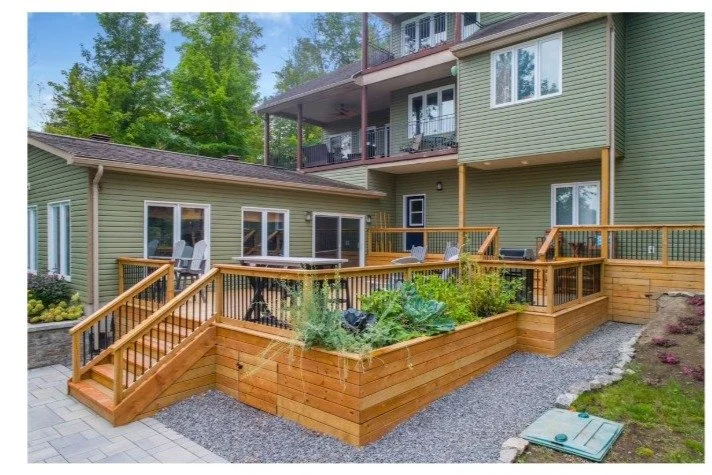
Building a deck that lasts for years requires thoughtful consideration of numerous factors, including needs assessment, material selection, design, regulatory compliance, and maintenance planning. By approaching the planning process methodically and addressing potential challenges early on, you can create an outdoor haven that enhances your home and serves as a cherished gathering space for years to come. Emphasizing quality and foresight in your deck project will pay dividends in longevity and satisfaction.