Inside A Pediatric Specialty Center: What Parents Should Know
Navigating a child's healthcare journey can be a daunting experience for any parent. When a pediatrician refers a family to a specialized facility, it typically comes with a mix of hope and anxiety. Understanding what to expect inside a pediatric specialty center can simplify the process, alleviate stress, and empower parents to become effective advocates for their children. These centers are meticulously designed ecosystems focused entirely on the unique physical, emotional, and developmental needs of children and adolescents. From the decor on the walls to the specialized training of every staff member, the environment is calibrated to provide compassionate, comprehensive, and highly technical care.
Also, the transition from general pediatric care to a specialty center signifies a step into a more focused realm of medicine. This move is typically recommended when a child presents a complex, rare, or chronic condition that requires the expertise of a specialist.
Here’s what parents should know about a pediatric specialty center.
The Team: A Multidisciplinary Approach to Care
The defining characteristic of a pediatric specialty center is its multidisciplinary team, which extends far beyond a single physician. At its core are board-certified pediatric specialists who have completed rigorous fellowship training in fields like cardiology or oncology. This deep, condition-specific expertise is complemented by a dedicated support staff, including nurses, therapists, and child life specialists, all focused on the unique physiology and emotional needs of children. This collaborative model ensures comprehensive, holistic care for the whole child and family.
However, the support network is much broader. It often includes:
Pediatric Nurse Practitioners and Registered Nurses: These highly skilled nurses possess specialized knowledge in how medications affect developing bodies. They’re trained to explain complex information in age-appropriate ways and to perform clinical tasks with techniques that reduce fear and pain, thereby building a trusted, ongoing relationship with both child and parent.
Child Life Specialists: Certified Child Life Specialists leverage developmental principles to empower young patients. Through medical play, they simplify intimidating equipment. They prepare children for procedures using honest, simple terms and teach proven coping skills, effectively transforming a potentially traumatic experience into one of mastery and understanding.
Pediatric Physical, Occupational, and Speech Therapists: These therapists focus on a child's holistic growth beyond their diagnosis. Physical therapists can build strength and mobility, occupational therapists can develop daily living skills, and speech-language pathologists can address communication and swallowing, ensuring the child can fully participate in life's activities at home, in school, and with peers.
Social Workers and Psychologists: Pediatric social workers and psychologists offer essential mental health support, guiding families through the emotional turmoil of a medical journey. They can provide counseling, connect families with community resources for financial aid, and develop strategies for a child's successful return to academic and social environments.
Registered Dietitians: Pediatric dietitians can create tailored nutrition plans that address the unique metabolic demands of conditions like failure to thrive, diabetes, or food allergies. Their expertise can ensure children receive the precise nutrients required to fuel growth, support organ function, and promote effective recovery and healing.
Therefore, for families in the Idaho region or similar locations seeking such integrated and child-focused care, providers like the Idaho Falls Community Hospital offer a prime example of this model in action.
The Environment: Designed for Comfort and Healing
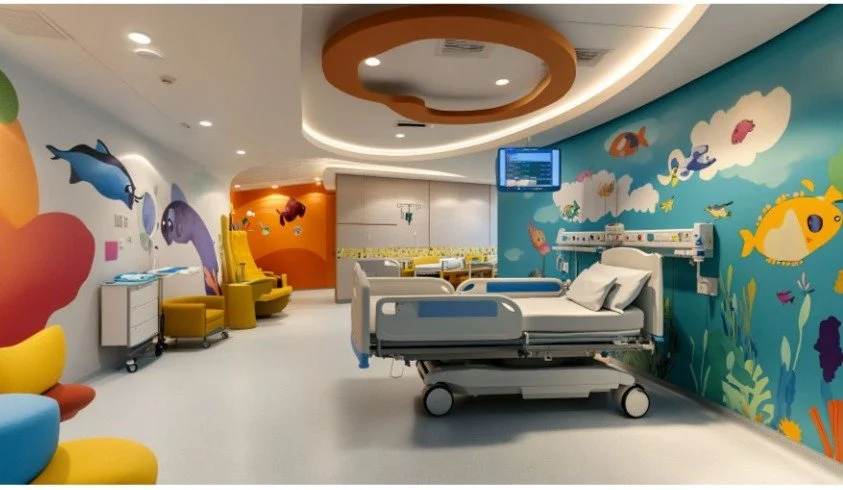
The architecture and interior design of a pediatric specialty center are deliberately conceived to counteract the inherent stress of a medical environment. This philosophy is rooted in evidence that a child's emotional state, heavily influenced by their surroundings, can directly affect physiological outcomes and recovery speed. Therefore, sterile corridors are replaced with vibrant, themed areas. Waiting rooms resemble play spaces, and treatment rooms may feature immersive, distracting decor, all working in concert to lower anxiety, build trust, and create a supportive atmosphere that actively promotes the child's comfort and participation in their own healing journey.
Upon entering, one is typically greeted by bright colors, natural light, and engaging artwork. Waiting areas may resemble playful spaces rather than clinical lobbies, featuring interactive displays, aquariums, or themed decor. Examination and treatment rooms are frequently equipped with distractions such as ceiling-mounted video screens, colorful murals, and accessible toys. The use of non-threatening languages is common. For example, an MRI machine might be decorated to look like a pirate ship or a spaceship to transform a scary procedure into an adventure. This meticulous attention to detail can help lower a child’s guard, making them more receptive to care and reducing the need for sedation in some diagnostic procedures.
Preparing for the First Visit: A Parent's Role
Preparation is key to a successful initial appointment. Parents should act as information gatherers before the visit. This includes:
Compiling Medical History
A thorough and well-organized medical history is one of the most powerful tools a parent can provide. This document should be a comprehensive narrative of the child's health journey, including all past diagnoses, significant illnesses, hospitalizations, surgical procedures, and a complete immunization record.
Critically, it must also feature a detailed, chronological timeline of the current health concern. This timeline should meticulously log into the initial onset of symptoms, potential triggers, the severity and frequency of episodes, and all previous treatments or interventions attempted, including their outcomes. This exhaustive context allows the specialist to see patterns, rule out possibilities, and form a nuanced understanding that’s essential for crafting an accurate diagnosis and a truly personalized, effective treatment plan from the very first consultation.
Listing Medications
Providing an exhaustive and precisely detailed medication list is a non-negotiable safety procedure in pediatric specialty care. This list must extend beyond just prescription medications to encompass all over-the-counter drugs, herbal supplements, vitamins, and any other remedies the child is taking. For each substance, the exact dosage, frequency of administration, and specific reason for its use must be clearly documented. This vigilance is paramount for preventing dangerous drug interactions, allergic reactions, and duplicative therapies.
A complete pharmacological profile can ensure the care team has an accurate understanding of the child's current regimen, allowing them to make safe and informed decisions about introducing new treatments or adjusting existing ones, thereby safeguarding the child's well-being throughout their care.
Preparing Questions
The high-stakes and emotionally charged atmosphere of a specialist's appointment can easily lead to forgotten questions and unresolved concerns. Preparing a written list of questions in advance is a simple yet profoundly effective strategy for parental advocacy. This proactive measure serves as a reliable roadmap for conversation, ensuring that all health-related issues, uncertainties, and goals are systematically addressed.
By organizing thoughts beforehand, parents can navigate the consultation with greater confidence and clarity, guaranteeing they leave with the information they need about diagnoses, treatment options, potential side effects, and long-term prognosis. This practice can also transform them from passive recipients of information into active, prepared partners in their child's healthcare journey.
Gathering Records
Ensuring that all relevant medical records, including prior consultation notes, imaging scans (on CD or film), and original lab results, are sent to the specialty center ahead of the appointment—or are hand-carried by the parent is a critical step for seamless continuity of care. This transfer of information can provide the new specialist with an immediate and foundational understanding of the child's medical history, eliminating the need to start from scratch. It can also help prevent unnecessary, costly, and often stressful repetition of diagnostic tests and imaging studies.
Most importantly, it allows the valuable consultation time to be dedicated to advanced analysis, collaborative discussion, and strategic planning, rather than being consumed by basic data gathering.
Navigating the Financial and Administrative Aspects
Navigating the administrative and financial aspects of specialized pediatric care can be daunting for families. It’s imperative for parents to proactively engage with their health insurance provider to confirm that the specialty center, its specific physicians, and all anticipated treatments or procedures are within their network. A clear understanding of policy details, including co-pays, deductibles, and out-of-pocket maximums, is essential for effective financial planning and to prevent unforeseen economic hardship during an already stressful time.
Additionally, many pediatric specialty centers can provide financial counselors or patient advocates dedicated to alleviating the economic burden on families. These professionals can help decipher complex medical bills, establish manageable payment plans, and identify eligibility for financial aid, including hospital-based programs and external grants.
Concurrently, maintaining a meticulous, organized file of all medical bills, insurance Explanation of Benefits (EOBs), and related correspondence is crucial. This disciplined record-keeping is fundamental for accurate financial tracking, disputing errors, and managing the long-term costs of a child's specialized medical care, ensuring families can focus more on healing and less on economic distress.
The Path Forward: Communication and Advocacy
The relationship with a pediatric specialty center is typically a long-term partnership, making clear and open communication its fundamental cornerstone. Parents, as the foremost experts on their child, can provide invaluable insights that guide clinical decisions. They should feel empowered to consistently share detailed observations regarding their child's behavior, specific responses to medications, and overall well-being in the intervals between formal appointments, ensuring the care team remains fully informed for optimal, continuous management.
Key Takeaway
Pediatric specialty center functions as a dedicated partner in a child's healthcare journey. By keeping the information mentioned above in mind, families can navigate this path with greater confidence and clarity. This knowledge can transform the experience from one of apprehension into a structured, supportive partnership focused entirely on achieving the best possible outcomes for the child's health and well-being.
Image Sources
https://stock.adobe.com/au/images/happy-boy-holding-teddy-bear-in-pediatric-hospital-room/1470249976