Spice Fundamentals: From Plant to Pantry
Understanding the fundamental difference between herbs and spices is the first step to mastering their use. While both are derived from plants and used to flavor food, they come from different parts of the plant and are typically used in different forms.
Herbs are generally the leaves of herbaceous plants, often used fresh, though they can also be dried. Think of basil, parsley, mint, or oregano. Their flavors are often more delicate and volatile.
Spices, on the other hand, come from other parts of the plant – the seeds (cumin, coriander), bark (cinnamon), roots (ginger, turmeric), berries (peppercorns), fruits (paprika, cayenne), or even flower stigmas (saffron). Spices are almost always used in dried form, which concentrates their flavors and allows for longer storage.

Whole vs. Ground Spices: Which is Better?
This is a common question, and the answer largely depends on your priorities: flavor longevity versus convenience.
Whole Spices: These are the seeds, pods, bark, or roots in their intact form. They retain their essential oils and volatile compounds much longer because their surface area is minimal, limiting exposure to air and light. This means whole spices offer superior flavor and aroma when freshly ground. For example, a whole cinnamon stick will hold its flavor for years, while ground cinnamon will fade much faster. Industry facts confirm that whole spices retain their flavor three times longer than ground spices.
Ground Spices: These are the powdered versions of whole spices. They offer immense convenience, as they are ready to use directly from the jar. However, the grinding process increases their surface area dramatically, exposing their aromatic oils to air, light, and moisture. This accelerates the loss of flavor and potency.
When to use each:
For maximum flavor impact, especially in dishes where spices are a central component (like curries, rubs, or baked goods), we recommend buying whole spices and grinding them just before use. This allows you to open up their freshest, most vibrant notes. For everyday cooking where convenience is key, or when a recipe calls for a specific texture (like a fine powder for a rub), pre-ground spices are perfectly acceptable, provided they are fresh.
How to Tell if Your Spices Have Expired
Spices don't truly "go bad" in the sense of becoming unsafe to eat, but they do lose their potency, flavor, and aroma over time. Using stale spices is a common mistake that leads to bland dishes.
- Visual Cues: Fresh ground spices often have vibrant colors (e.g., bright orange turmeric, deep red paprika). As they age, their colors fade. Whole spices might look duller over time.
- Aroma Test: This is the most reliable method. Take a small pinch of the spice, rub it between your fingers, and smell it. If the aroma is weak, dusty, or non-existent, it's time to replace it. A good spice should release a strong, characteristic fragrance.
- Clumping: While not always an indicator of staleness, clumping in ground spices can suggest exposure to moisture, which degrades quality.
- General Shelf Life Guidelines:
- Whole Spices: Can last 3-4 years.
- Ground Spices: Best used within 6 months to 1 year for optimal taste and potency. Some sources even suggest 6 months is the longest to store for the best taste.
- Herbs (dried): Typically last 1-3 years.
Buying spices in small amounts ensures you are getting the freshest possible product, as the supply is more likely to be in constant motion than packaged sets of ground spices. Don't be afraid to discard ground spices that have lost their flavor or scent – they can't be saved.
Mastering Flavor: Essential Techniques for How to Use Spices
Open uping the full potential of spices goes beyond simply adding them to a dish. Specific techniques can dramatically improve their flavor, aroma, and even color. We'll explore three crucial methods: grinding, toasting, and blooming.
Opening Up Aroma: Toasting and Grinding
Grinding Spices:
Freshly grinding whole spices just before use is one of the most impactful ways to lift your cooking. The act of grinding releases the volatile oils trapped within the spice, releaseing a burst of fresh aroma and intense flavor that pre-ground versions simply can't match.
- Mortar and Pestle: For a truly artisanal experience and precise control over texture, a mortar and pestle is invaluable. It allows you to gently crush and bruise spices, releasing their essential oils while retaining some texture, which can add a delightful crunch to dishes. This method is ideal for smaller quantities or when you desire a coarser grind.
- Dedicated Spice Grinder: For larger quantities or a very fine powder, a dedicated electric spice grinder (or a clean coffee grinder used only for spices) is a fast and efficient tool. Be sure to clean your grinder regularly to prevent flavor cross-contamination. A chef's trick is to grind a small piece of bread or a tablespoon of plain white rice to absorb residual oils and neutralize odors before switching spice types.
Dry Toasting Spices:
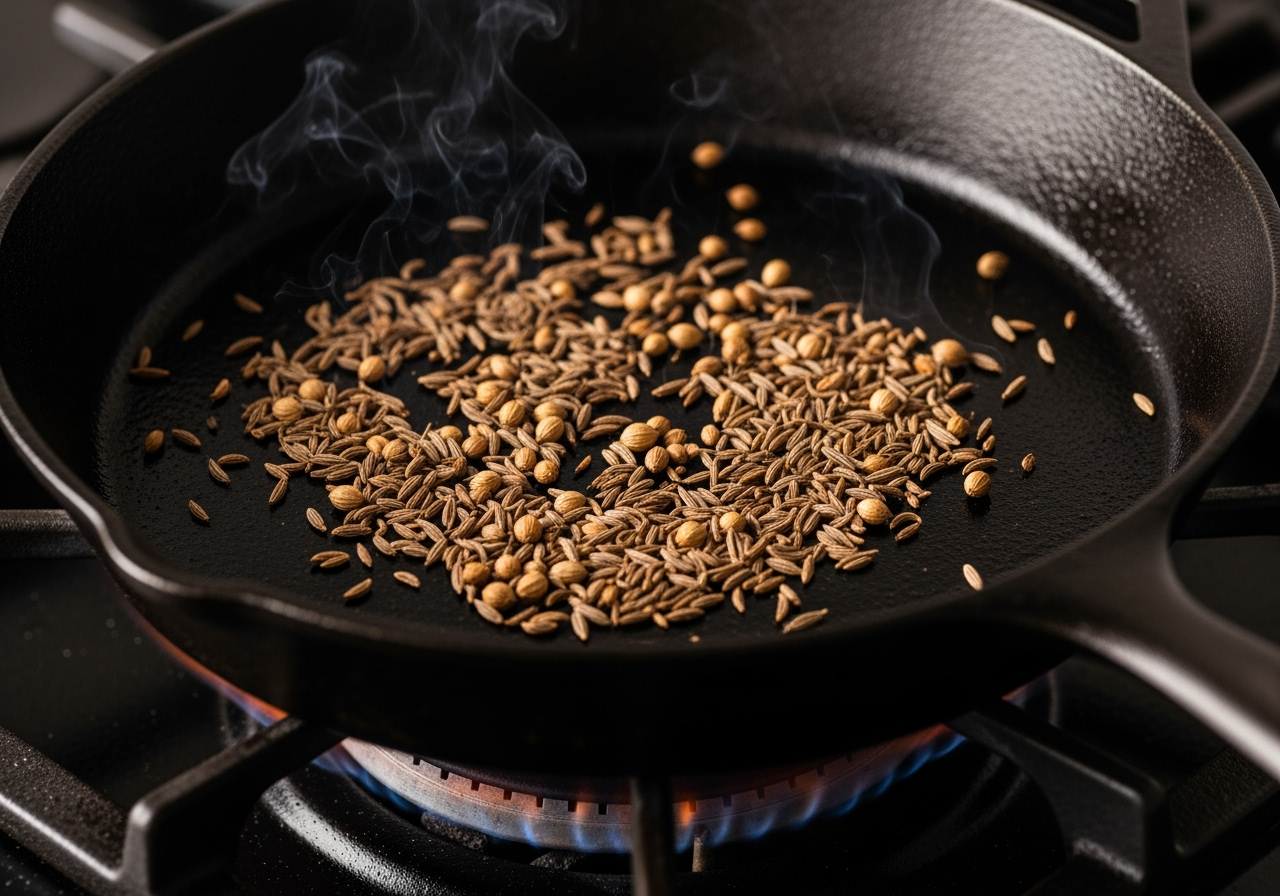
Dry toasting is a simple yet transformative technique that intensifies the flavor and aroma of whole and even some ground spices. Heat helps to release the aromatic compounds, deepening their complexity and adding a nutty, smoky note.
- Pan Selection: Use a dry, non-coated stainless steel or cast-iron pan. Avoid non-stick pans, as they can release toxins at high temperatures and their coating can be damaged.
- Process: Place your whole spices (or ground spices, with caution) in a dry pan over medium to medium-high heat. Stir constantly or shake the pan to ensure even toasting and prevent burning.
- Fragrance Cues: Toast until you smell their fragrance. For a light toast, this might be just a minute or two. For a deeper, smokier flavor, continue until they darken slightly and emit a more profound aroma. Be careful not to burn them, as burnt spices will taste bitter.
- Cooling: Immediately transfer the toasted spices to a cool plate to stop the cooking process. Once cooled, they are ready to be ground or added whole to your dish.
- Safety Note: When working with hot pans and spices, especially those that can pop or jump, it's important to practice proper spice handling to avoid burns or kitchen mishaps. Always use appropriate heat protection, and be mindful of steam or oil splatters if you're blooming spices. For more detailed guidance on how to use spices safely, including tips on avoiding common issues like burning, we recommend exploring additional resources that dig into these practical aspects of cooking with heat.
Infusing Flavor: The Art of Blooming Spices
Blooming, also known as tempering or tadka in Indian cuisine, involves briefly cooking ground spices in a small amount of hot oil or butter. This technique is distinct from dry toasting and serves to infuse the cooking fat with the spices' flavors and aromas, creating a rich, flavorful base for your dish.
- The Process: Heat a small amount of oil or ghee in a pan over medium heat. Once hot, add your ground spices (or whole spices, but be mindful of different cooking times). Cook for a very short period, usually 15-30 seconds, stirring constantly, until they become fragrant and their color deepens slightly.
- Flavor Release: Blooming allows the fat to extract and carry the fat-soluble flavor compounds from the spices, distributing them throughout the entire dish. This creates a much more integrated and harmonious flavor profile than simply stirring dry spices into a liquid.
- When to Add: Blooming is often done at the beginning of cooking, before adding other ingredients like onions, garlic, or vegetables. This builds the foundational flavor of the dish.
- Preventing Burning: The key is a short cooking time and moderate heat. Spices can burn very quickly in hot oil, leading to a bitter, unpleasant taste. If you see them smoking heavily or turning black, they are likely burnt and should be discarded.
Common Mistakes in How to Use Spices (and How to Fix Them)
Even experienced cooks can fall prey to common spice blunders. Being aware of these pitfalls can significantly improve your results.
- Adding Spices Too Late (or Too Early):
- Mistake: Adding dried spices at the very end of cooking, or delicate fresh herbs at the beginning.
- Fix: Dried spices, especially whole ones, need time and heat to release their flavors. Add them early in the cooking process, often with aromatics like onions and garlic, or during the blooming stage. Fresh, delicate herbs like parsley, cilantro, or basil should be added towards the end of cooking or as a garnish to preserve their vibrant flavor and color.
- Adding Too Much (or Too Little):
- Mistake: Over-spicing can overpower a dish, while under-spicing leaves it bland.
- Fix: Start with a smaller amount than you think you need, especially with potent spices like cloves, cardamom, or cayenne. You can always add more, but you can't take it away. When doubling a recipe, a chef's insight suggests using only 1.5 times the spices rather than doubling them exactly for a balanced flavor.
- Using Stale Spices:
- Mistake: Relying on spices that have lost their potency, leading to dull, lifeless food.
- Fix: Regularly check your spices for freshness using the aroma test. Replace ground spices every 6-12 months and whole spices every 3-4 years. Buying in small quantities from bulk bins can help ensure freshness due to higher turnover.
- Burning Spices:
- Mistake: Over-toasting or blooming spices at too high a heat, resulting in a bitter, acrid taste.
- Fix: Use medium heat and constant stirring when toasting or blooming. If spices start to smoke excessively or turn very dark, they are likely burnt. Discard and start over. Non-stick pans should not be used for dry toasting due to potential damage and off-flavors.
- Not Tasting as You Go:
- Mistake: Seasoning a dish only at the beginning or end, without adjusting along the way.
- Fix: Taste your food at various stages of cooking. This allows you to adjust seasoning, including spices, salt, and acidity, ensuring a perfectly balanced final dish.
A well-stocked and properly maintained spice cabinet is the foundation of flavorful cooking. Knowing which spices to keep on hand and how to store them effectively will save you time and ensure your dishes always taste their best.

The Essential Spice Cabinet
While the "essential" list can vary by cuisine preference, here are 10 versatile spices that form a strong foundation for any kitchen, allowing you to explore a wide range of global flavors:
- Cumin: Earthy, warm, slightly pungent. Essential in Mexican, Indian, Middle Eastern, and North African cuisines. Pairs well with beans, lentils, meats, and vegetables.
- Coriander: Citrusy, sweet, and nutty. The seed of the cilantro plant. A key component in many spice blends, especially Indian and Mexican. Great with chicken, fish, and roasted vegetables.
- Turmeric: Earthy, slightly bitter, with a vibrant golden color. A staple in Indian and Southeast Asian cooking. Known for its anti-inflammatory properties. Use in curries, rice dishes, and even smoothies.
- Paprika: Ranging from sweet to hot, often smoky. Adds color and mild flavor. Essential in Hungarian, Spanish, and Mexican dishes. Great for rubs, stews, and garnishes.
- Black Peppercorns: Pungent, sharp, and aromatic. The universal seasoning. Always best when freshly ground. Adds a kick to almost any savory dish.
- Cinnamon: Warm, sweet, and woody. Used in both sweet and savory dishes globally. Think baked goods, curries, and stews.
- Cayenne Pepper: Fiery and sharp. Adds heat to dishes without much other flavor. Use sparingly to control spiciness. Common in Mexican, Cajun, and Asian cuisines.
- Ginger: Pungent, spicy, and warm. Available fresh, ground, or candied. Used in Asian, Indian, and many baking recipes.
- Oregano: Pungent, slightly bitter, with a strong aroma. A staple in Mediterranean and Mexican cooking. Great for tomato sauces, pizzas, and grilled meats.
- Nutmeg: Warm, sweet, and aromatic. Best when freshly grated. Pairs well with dairy, baked goods, and some savory dishes like creamed spinach or béchamel sauce.
Proper Spice Storage for Maximum Potency
Proper storage is paramount to preserving the freshness, flavor, and potency of your spices. Light, heat, air, and moisture are the enemies of spices.
- Airtight Containers: Always store spices in airtight jars or containers. This prevents moisture absorption and keeps their volatile oils from evaporating. Glass jars with tight-fitting lids are ideal.
- Cool, Dark Place: Store your spices in a cool, dark pantry or cabinet, away from direct sunlight.
- Away from Heat and Light: Avoid storing spices near the stove, oven, dishwasher, or microwave. The fluctuating heat and steam from these appliances will rapidly degrade their quality. Similarly, clear spice racks on countertops exposed to light are detrimental to long-term freshness.
- Labeling and Dating: When you purchase new spices, especially if you buy in bulk or decant them, label the container with the purchase date. This helps you keep track of their age and ensures you're using them at their peak. Discard ground spices after about six months for optimal flavor, or if their aroma has faded.
How to Use Spices for Beginners: Simple Experiments
If you're new to spices, the sheer variety can feel overwhelming. The best way to learn is by experimenting!
- Start with One New Spice: Don't try to overhaul your entire spice cabinet at once. Pick one new spice from the essential list above that sounds appealing.
- Simple Pairings: Begin by adding that new spice to dishes you already know and love.
- Cumin: Add a pinch to roasted vegetables (carrots, potatoes), black beans, or even scrambled eggs.
- Paprika: Sprinkle on deviled eggs, roasted chicken, or potatoes for color and mild flavor.
- Turmeric: Add a dash to rice while cooking for a golden hue, or to a simple vegetable sauté.
- Add to Familiar Dishes:
- Soups and Stews: These are excellent canvases for spices. Add a pinch of cumin, coriander, or paprika to your favorite chicken noodle soup or lentil stew.
- Roasted Vegetables: Toss vegetables with olive oil and a new spice before roasting.
- Eggs: A dash of paprika, turmeric, or even a tiny pinch of cayenne can lift your morning scramble.
- Taste Before Adding More: Remember the golden rule: you can always add more, but you can't take it away. Start with a small amount (e.g., ¼ teaspoon for a dish serving 2-4), stir it in, and taste. If you want more intensity, add another small increment.
- Trust Your Palate: Cooking is an art, not a science. Your taste buds are your best guide. Don't be afraid to adjust quantities based on your personal preference. The journey of finding new flavors is part of the fun!
Global Flavors: Pairings, Blends, and Cuisines
Spices are the soul of global cuisines, each region boasting its unique flavor profile shaped by centuries of culinary tradition. Learning classic combinations and how to create your own blends can open up a world of authentic tastes.

Classic Spice Combinations by Cuisine
Many ethnic cuisines are distinguished by the spices used in preparing them. Understanding these foundational pairings allows you to recreate authentic flavors or inspire new dishes.
- Italian Pairings: While often associated with herbs, Italian cooking also relies on key spices.
- Common: Garlic powder, onion powder, red pepper flakes, black pepper.
- Classic Use: Tomato sauces, pasta dishes, roasted meats.
- Mexican Pairings: Bold, earthy, and often spicy.
- Common: Cumin, chili powder, oregano, paprika, cayenne pepper.
- Classic Use: Tacos, enchiladas, chili, beans, and salsas.
- Indian Pairings: Complex, aromatic, and layered. Often involves blooming spices in oil.
- Common: Cumin, coriander, turmeric, ginger, garlic, cardamom, cinnamon, cloves, fenugreek.
- Classic Use: Curries, lentil dishes (dal), rice pilafs, meat and vegetable preparations. Turmeric and paprika, for instance, are responsible for the deep yellow and red colors often seen in Indian dishes.
- Middle Eastern Pairings: Warm, fragrant, and sometimes sweet.
- Common: Cumin, coriander, cinnamon, nutmeg, allspice, cardamom, sumac, za'atar.
- Classic Use: Tagines, kebabs, rice dishes, hummus, roasted vegetables. Sumac, with its tart, lemony flavor, can be a great low-sodium alternative to salt.
How to Create Your Own Spice Blends
Creating your own spice blends at home is not only cost-effective but also ensures freshness and allows you to customize flavors to your exact preference, free from anti-caking agents or excessive salt often found in commercial blends.
- Simple Ratios: Start with basic recipes and adjust to your taste. The key is to balance strong and mild flavors.
- Benefits: Homemade blends are superior because they're fresher, contain no additives, and you control the quality of ingredients. One packet of commercial taco seasoning, for example, is roughly equivalent to 2 tablespoons of homemade mix.
- Storing Homemade Blends: Store your custom blends in airtight containers in a cool, dark place, just like individual spices. They will generally maintain their potency for up to 6 months.
Example: DIY Taco Seasoning Blend
This is a versatile blend perfect for ground meat, chicken, or vegetables.
- 2 tablespoons chili powder
- 1 tablespoon ground cumin
- 1 tablespoon paprika (sweet or smoked)
- 1 teaspoon garlic powder
- 1 teaspoon onion powder
- ½ teaspoon dried oregano
- ½ teaspoon salt (optional, adjust to taste)
- ¼ teaspoon cayenne pepper (adjust for heat)
Instructions: Combine all ingredients in a small bowl or jar. Mix well. Store in an airtight container. Use 2 tablespoons per pound of meat or vegetables.
Example: DIY Italian Seasoning Blend
A classic blend for pasta sauces, roasted vegetables, or marinades.
- 2 tablespoons dried oregano
- 2 tablespoons dried basil
- 1 tablespoon dried thyme
- 1 tablespoon dried marjoram
- 1 teaspoon dried rosemary, crushed
- ½ teaspoon garlic powder (optional)
- ½ teaspoon red pepper flakes (optional, for a kick)
Instructions: Combine all ingredients in a small bowl or jar. Mix well. Store in an airtight container.
Spices and Wellness: More Than Just Good Taste
Beyond their incredible ability to transform culinary experiences, spices offer a wealth of potential health benefits, making them a valuable addition to a balanced diet.
The Health Benefits of Cooking with Spices
For centuries, many spices have been revered not just for their flavor but also for their medicinal properties in traditional medicine systems like Ayurveda and Traditional Chinese Medicine. Modern research is increasingly validating many of these ancient uses.
- Antioxidant Powerhouses: Many spices are rich in antioxidants, compounds that help protect our cells from damage caused by free radicals. This can contribute to overall health and potentially reduce the risk of chronic diseases. Herbs and spices have antioxidant, antiviral, and antimicrobial effects.
- Anti-inflammatory Properties: Chronic inflammation is linked to numerous health issues. Several spices possess significant anti-inflammatory capabilities.
- Turmeric and Curcumin: Turmeric has a history of medicinal use dating back at least 4,000 years and is now the focus of thousands of studies into its potential health properties. Its primary active compound, curcumin, is a powerful anti-inflammatory agent. Incorporating turmeric into your meals (curries, golden milk, roasted vegetables) is a delicious way to benefit.
- Ginger: Known for its anti-inflammatory and anti-nausea properties. Ginger tea is a popular remedy for digestive upset and motion sickness.
- Cinnamon: Contains compounds with antioxidant and anti-inflammatory effects. Some studies also explore its potential role in blood glucose regulation.
- Sodium Reduction: Spices are an excellent way to improve flavor without relying on excessive salt. This is particularly beneficial for individuals looking to manage blood pressure or reduce sodium intake. A University of Maryland School of Medicine study found an 18.2% increase in school lunch vegetable consumption among teenage students following the addition of herbs and spices to the usual selection of vegetables, demonstrating how flavor can drive healthier choices.
- Piperine in Black Pepper: The active compound in black pepper, piperine, not only gives it its characteristic pungency but also improves the bioavailability of nutrients, including curcumin from turmeric. This is why black pepper is often paired with turmeric in recipes and supplements.

Dietary Considerations and Allergies
While spices offer many benefits, it's important to be mindful of individual sensitivities and dietary considerations.
- GERD Triggers: For individuals with Gastroesophageal Reflux Disease (GERD) or frequent heartburn, certain spices, particularly those that are very hot or acidic, can act as triggers. Cayenne pepper, chili powder, and red pepper flakes are common culprits. If you experience GERD, it's advisable to moderate your intake of very spicy foods and consult with a healthcare professional about managing your diet. Up to 20% of Americans live with GERD, so this is a significant consideration for many.
- Potential Allergens: While rare, allergic reactions to spices can occur. Common spice allergens include mustard, celery, and sesame. If you have known food allergies, always check the ingredient list of pre-made spice blends.
- Moderation: Even beneficial spices should be used in moderation. While a pinch of turmeric in your rice is great, consuming very high doses of concentrated spice extracts (e.g., in supplements) without professional guidance may lead to unintended effects. It's generally best to get your spice benefits through real food preparations.
Conclusion: Spice Up Your Cooking with Confidence
We've journeyed through the vibrant world of spices, from understanding their fundamental differences from herbs to mastering essential techniques like toasting and blooming. We've explored how proper storage can preserve their potency, identified key spices for your pantry, and even digd into their surprising health benefits.
The art of using spices is a continuous learning process, one that rewards curiosity and experimentation. Remember to start with fresh, quality spices, store them correctly, and don't be afraid to try new combinations. Trust your taste buds, taste as you go, and adjust to your preference.
By applying these insights and techniques, you're not just adding flavor; you're infusing your cooking with creativity, tradition, and a touch of global trip. So go ahead, open your spice cabinet, and confidently transform your everyday meals into extraordinary culinary experiences. The journey of flavor awaits!