How to Tell Whether a Luxury Condo Is Really Worth the Premium
Luxury condos can be attractive for obvious reasons. Better finishes, stronger amenities, desirable locations and impressive views can all make a property feel noticeably different from a standard apartment or condo.
The challenge is working out whether those differences justify the premium.
A higher asking price does not automatically mean better long-term value. Some luxury properties offer features that genuinely improve daily life, while others rely heavily on branding, presentation or amenities that owners rarely use.
The smartest way to judge a premium property is to separate what looks impressive from what will actually matter over time. Location, building quality, monthly costs, resale potential and how well the condo fits your lifestyle all deserve closer attention.
Buying at the upper end of the market makes the most sense when the premium is supported by practical benefits rather than appearance alone.
Start With the Location, Not the Lobby
A polished entrance and high-end finishes can create a strong first impression, but location usually has a much bigger impact on long-term value.
That means looking at more than the neighbourhood name.
Walkability, access to restaurants, employment centres, public transport and major roads can all affect how convenient the property feels day to day. Buyers comparing downtown Seattle options, for example, may look at buildings such as escala luxury condos seattle to understand how a specific development fits within the surrounding area rather than judging the unit in isolation.
The question is whether the location supports the lifestyle being promised.
A beautiful condo can feel much less luxurious if every everyday errand requires a difficult commute.
Look Closely at What You Are Paying for
Luxury pricing is often built from several different elements.
Part of the premium may come from materials and construction quality. Another part may reflect views, floor height, architecture, concierge services or access to shared amenities.
Break those elements apart.
Ask which of them would still matter if the property were being evaluated five years from now.
High-quality windows, good sound insulation, durable flooring and thoughtful layouts can retain value because they affect daily comfort. Decorative finishes may be easier to replace and therefore less important than they initially appear.
A premium is easier to justify when it comes from features that are difficult to replicate later.
Study the Monthly Costs Carefully
The purchase price is only part of the financial picture.
Luxury condos can come with significant homeowners association fees because the building may offer staffed services, gyms, lounges, parking facilities, security systems or extensive common areas.
Those amenities are not free.
Before buying, calculate the annual cost of ownership rather than focusing only on the mortgage.
Then ask whether you will actually use what you are paying for.
A resident who regularly uses the gym, concierge and shared spaces may see good value in higher monthly fees. Someone who rarely uses those services may effectively be paying for benefits they do not need.
The best luxury purchase is one where the ongoing costs match the way you actually live.
Pay Attention to the Building, Not Just the Unit

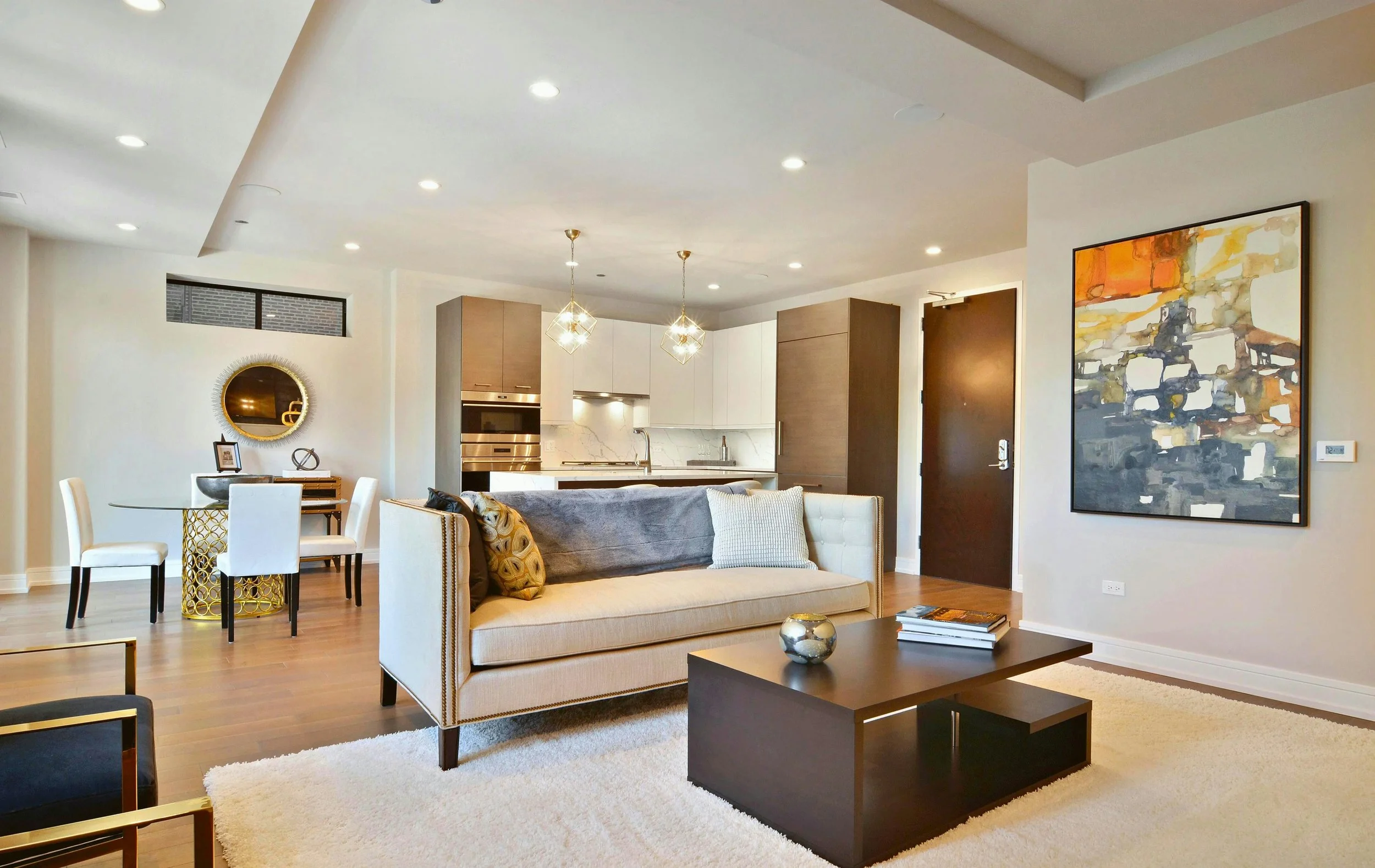
Photo by Lotus Design N Print on Unsplash
A renovated unit can look exceptional even when the wider building has problems.
That is why buyers should look beyond the front door.
Maintenance history, reserve funds, upcoming repairs and the general condition of elevators, roofs, garages and common systems can all affect future costs.
Well-managed buildings tend to protect value more effectively because major issues are addressed before they become emergencies.
It is also worth understanding the rules.
Restrictions on renovations, rentals, pets or short-term guests may influence how flexible the property is in the future.
A luxury unit inside a poorly managed building can quickly lose some of its appeal.
Decide Whether the Amenities Improve Your Life
Amenities are one of the easiest ways for developers to create a sense of luxury.
Rooftop terraces, resident lounges, fitness centres, private dining rooms and concierge desks can all sound impressive during a viewing.
The useful question is not whether they look good.
It is whether they will actually change how you use the building.
A resident who works from home may get genuine value from shared workspaces. Someone who entertains regularly may appreciate a bookable dining area. A frequent traveller may value strong security and staffed entry.
Amenities become expensive decorations when they are admired but rarely used.
Think About Resale Before You Buy
Even if the plan is to stay for many years, resale should still be part of the decision.
Luxury properties often serve a smaller pool of buyers, so demand can be more sensitive to location, layout and market conditions.
Features that appeal broadly tend to protect value better.
Good natural light, practical floor plans, parking, strong views and convenient access to employment and amenities are usually easier to understand and appreciate than highly personalised design choices.
It is also worth comparing the building with nearby alternatives.
If several similar luxury developments are competing for the same buyers, the property needs something distinctive enough to justify its position in the market.
The Premium Should Be Easy to Explain
A luxury condo is worth more when its advantages remain obvious after the initial excitement of the viewing fades.
The strongest premiums usually come from a combination of location, construction quality, useful amenities and a well-managed building.
Those benefits affect everyday life and are difficult to reproduce cheaply.
What matters less is the label.
A property can be marketed as luxury without offering much more than expensive finishes and an impressive lobby.
The best way to judge value is to ask a simple question: if the branding disappeared, what would still make this condo meaningfully better than the alternatives?
When the answer includes location, comfort, quality and long-term practicality, the premium becomes much easier to justify.