Common Causes of Rotten Wood Window Frames
A rotten wood window frame can look worse than it actually is. Darkened wood, peeling paint, or a soft corner may make homeowners think the entire window has reached the end of its life. In many cases, however, the damage is limited to a specific section and can be repaired.
The important question is not simply whether rot is present, but how far it has spread and what caused the wood to deteriorate.
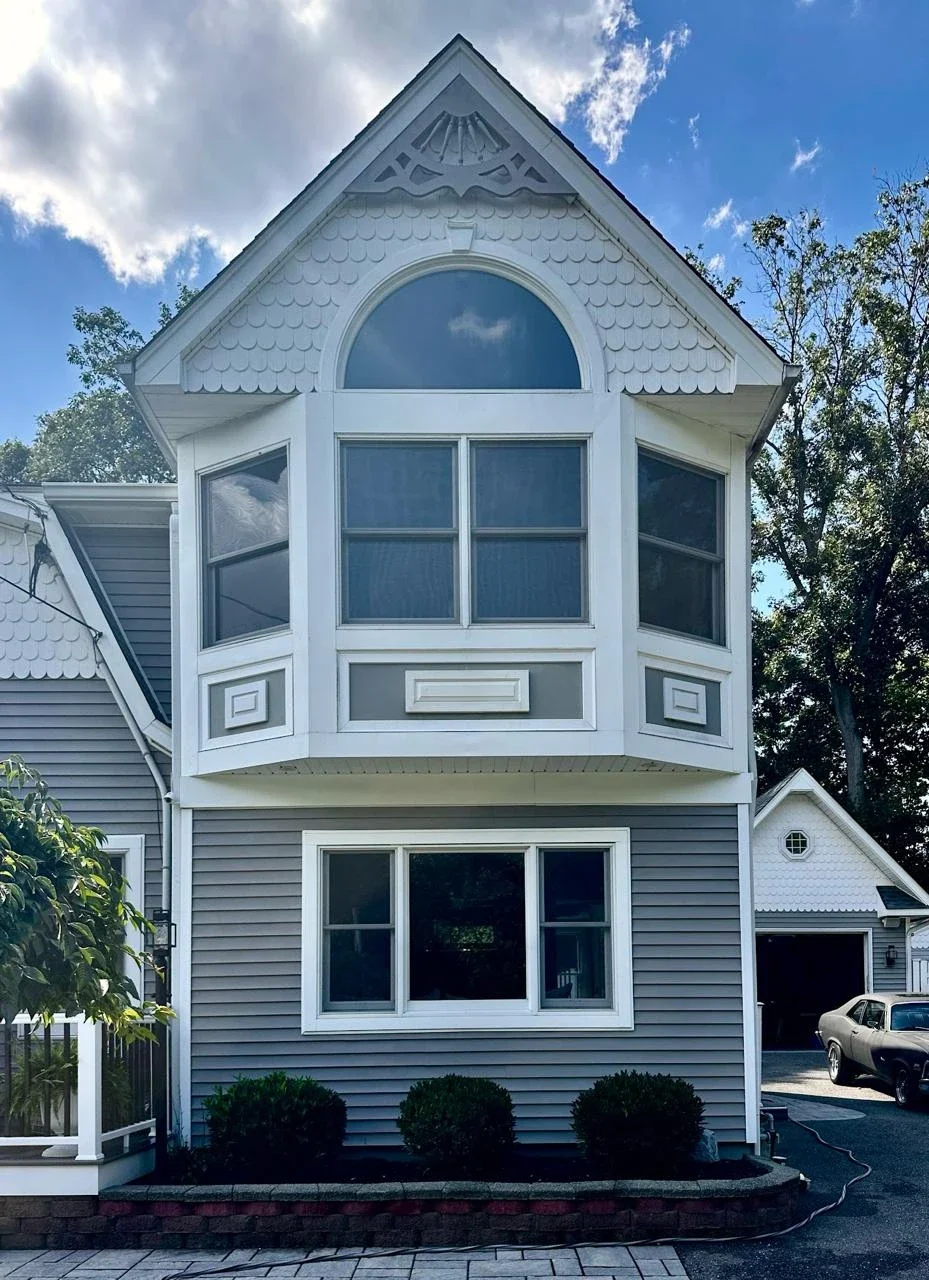
Why do wood window frames rot?
Wood rot is usually associated with prolonged moisture exposure. Water can enter through cracked paint, failed caulking, deteriorated glazing putty, or gaps around the window.
The lower parts of a window are particularly vulnerable. Sills, bottom rails, corners, and joints can remain damp after rain, allowing deterioration to develop gradually.
On Long Island, exterior wood is exposed to changing weather throughout the year. A small failure in the protective finish can therefore become a much larger repair problem if it is ignored.
Signs of Rot in a Wood Window Frame
Start with a visual inspection. Look for:
Soft or crumbly wood
Dark or discolored areas
Peeling or blistered paint
Cracked caulk around the frame
Gaps in joints
Water stains on interior trim
Drafts or visible moisture near the window
You can also gently press a screwdriver into a questionable area. Healthy wood should remain firm. If the tool easily penetrates the surface or the wood breaks apart, the area should be examined more closely.
Do not assume that surface discoloration alone means the frame must be replaced. A professional assessment can determine whether the damage is superficial, localized, or structural.
Rotten Wood Window Frame Repair in Long Island
Repair is often possible when the surrounding frame remains structurally sound.
Depending on the condition, the work may include removing deteriorated wood, rebuilding a damaged section, repairing joints, replacing a portion of the sill or frame, and restoring the protective finish.
The repair should also address the source of moisture. Rebuilding rotten wood without correcting water entry can leave the same problem waiting underneath the new finish.
For older homes, this approach can be particularly useful because the original window may still have a solid frame and repairable components.
What Homeowners Can Check Before Calling a Professional
Homeowners can perform basic maintenance and inspection. Keep an eye on exterior paint, caulking, glazing, and areas where water tends to collect.
Small cracks in otherwise sound caulking or minor paint deterioration can sometimes be addressed as routine maintenance. Cleaning debris from window drainage areas can also help prevent water from remaining against the frame.
More serious deterioration is different. If the wood is soft, the damage extends into the frame, or water is getting behind the trim, it is better to have the window assessed before attempting a repair.
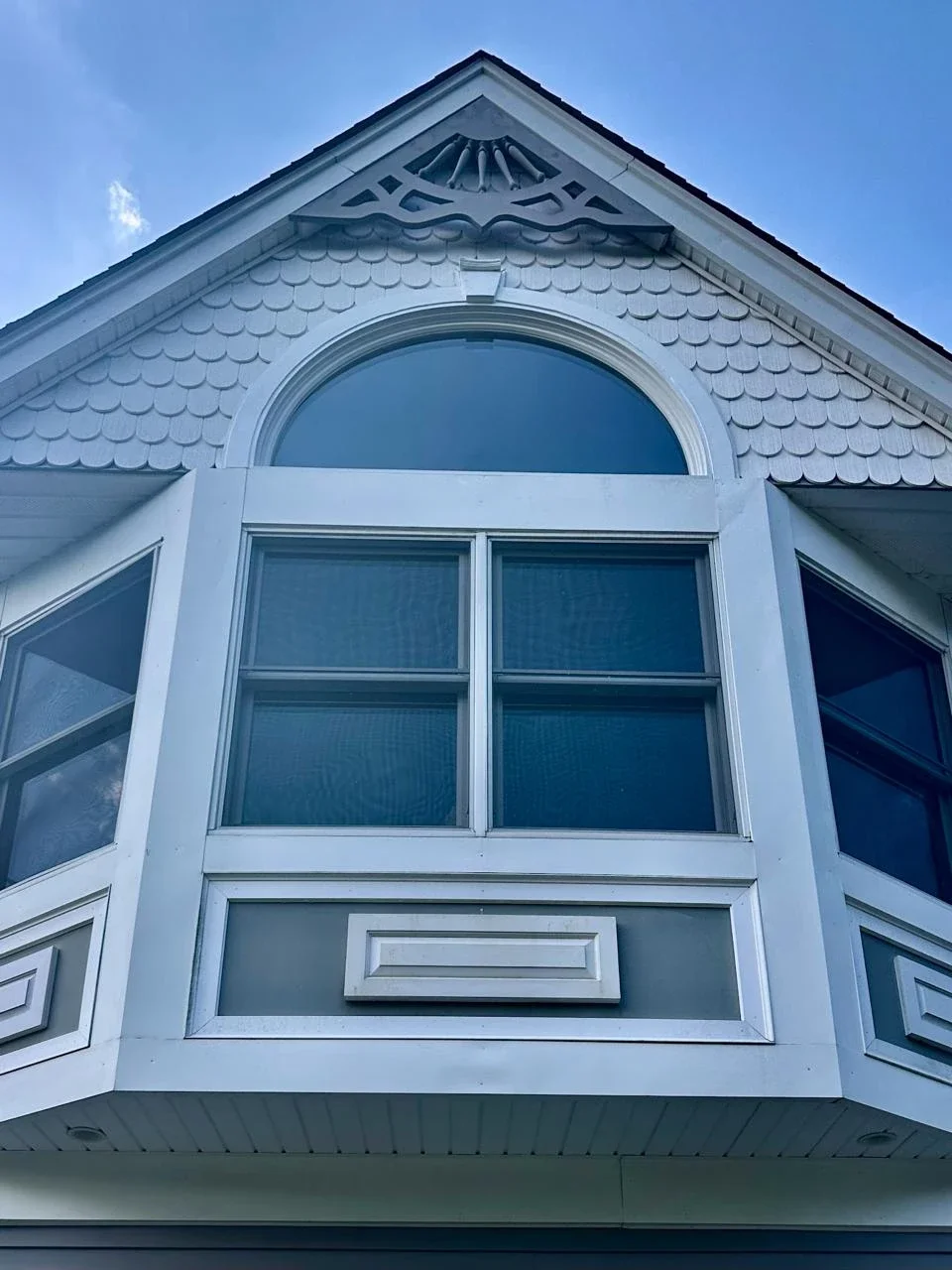
When Window Frame Repair Is Better Than Replacement
A localized rotten section does not automatically justify replacing the complete window. If the main frame is sound and the window still has useful components, repairing the damaged area may preserve the existing unit.
Replacement becomes more relevant when deterioration has spread through major structural sections, the frame can no longer provide adequate support, or several parts have extensive damage.
The decision should be based on the condition of the actual window rather than the presence of one rotten spot.
For homeowners dealing with extensive wood deterioration, rotten window repair and restoration can be an appropriate starting point for determining whether the existing frame can be restored.
Don't wait for a small repair to become a larger one
Rot does not improve on its own. Once moisture continues reaching exposed wood, deterioration can spread from a sill or corner into adjacent sections.
A quick inspection can reveal whether the problem is limited to the surface or requires more extensive work. Addressing damaged wood, failed caulking, and deteriorated finishes early can help preserve a window that might otherwise be considered for replacement.
For older homes in Long Island and New York, that distinction can be especially important: a window with localized damage may still have plenty of useful life left in it.