How to Layer Lighting So Your Home Actually Feels Relaxing
Some rooms look perfect in photos but still feel off as soon as you walk in. The sofa is cozy, the art is up, and you spent three weekends picking out the paint color, yet something doesn't feel right. Most of the time, the problem is hanging right above you: a single bright ceiling light trying to do the work of several lamps, casting a harsh glare over everything and making the space feel flat.
Layered lighting is the solution, and it's much cheaper than another renovation. Instead of relying on a single light source, you add different types of lighting to a room, each layer serving its own purpose. When done right, it can turn a room from just looking good in photos to feeling relaxing and comfortable at the end of the day.
Here's a step-by-step guide to layering lighting in a room so your home feels cozy and relaxing, not just bright.
Why One Light Rarely Works
A single ceiling light gives you just one thing: harsh, direct lighting from above. It's okay for spotting your keys but awful for relaxing. That kind of light creates strong shadows, highlights every mark on the wall, and subtly signals your brain to stay awake instead of helping you unwind.
Rooms that feel calm usually have three types of lighting working together. Ambient light gives the room an overall glow. Task lighting is focused on specific activities, like reading or cooking. Accent lighting highlights details, such as artwork or plants, and adds depth to the space. When you use all three together, a room feels inviting and personal instead of cold and impersonal.
Most people think of lighting as a simple, one-time choice: just put a bulb in each room, and that's it. But in the rooms where you really want to relax, good lighting comes from making several small decisions that work together. That's the main idea behind layered lighting.
Build the Base With Ambient Light
Ambient light is your foundation, the layer that takes over from the harsh overhead as the main source. You want soft and even here, not bright and clinical. A couple of floor lamps and a table lamp will almost always beat a lone ceiling light for creating a room you want to sink into.
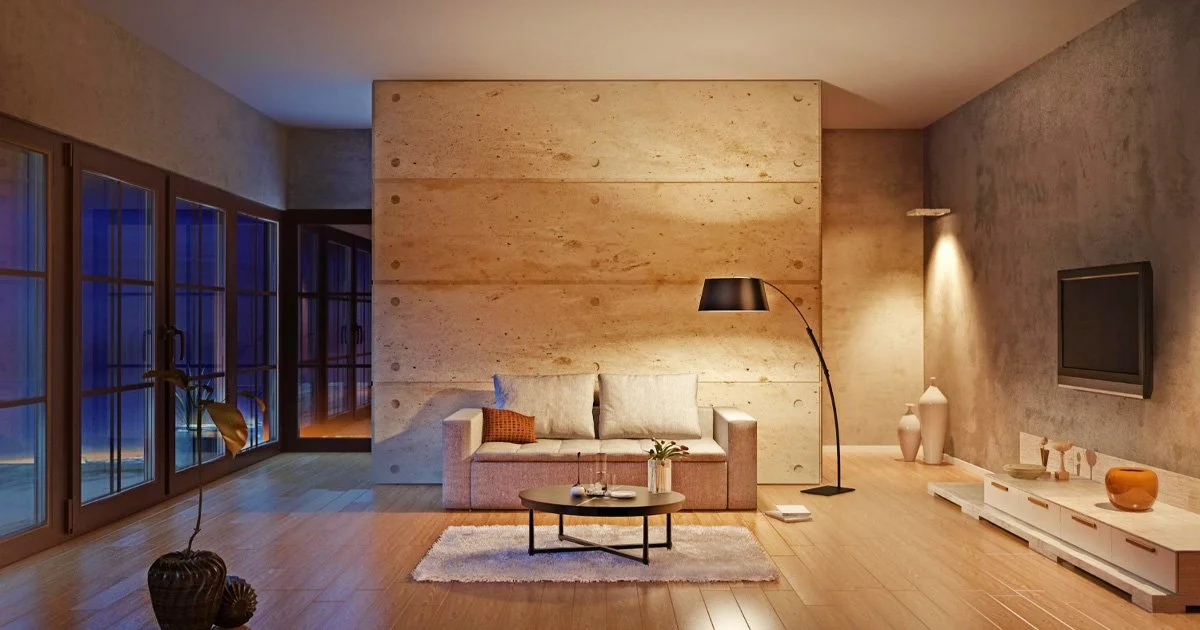
Color temperature does a lot of the quiet work. Bulbs are measured in Kelvin, which indicates how warm or cool the light appears. A bulb with about 2700K gives off a warm, amber glow, similar to the light you see in the early evening.
ght becomes cooler and more blue, which works well over a bathroom mirror but feels harsh in a living room late at night. For spaces where you want to relax, stick to warmer tones.
Then add a dimmer. This is the most affordable upgrade on the list, and it's also the one you'll notice the most. Lowering the brightness as it gets later lets your room match your mood rather than work against it. Your body sees dimmer, warmer light as a sign to relax and get ready for sleep, which is exactly what you want after a long day.
Task Light Is Where Comfort Hides
Ambient light creates the atmosphere, but task lighting makes a room practical after dark. It's the reading lamp next to your chair, the strip of lights under the kitchen cabinets, or the adjustable desk lamp. Task lights are small and focused and easy to overlook until you find yourself squinting at a book because the light is just out of reach.
Match the task light to what actually happens in each spot. A reading corner needs a directed light that you can point exactly where you want it. In the kitchen, you want light shining on the counter, not behind you, so you don't end up working in your own shadow.
A desk needs a lamp you can point away from your screen to reduce glare. When each task has its own light, you no longer have to turn the main overhead light up all the way to see. That harsh brightness is often what ruins a calm atmosphere in the first place.
Good task lighting blends into your space when it works well. You usually only notice it when it's not there, which is why it's important to plan your lighting based on how you actually live, not just how a showroom looks.
Accent Light Is What Makes It Feel Like Yours
Ambient and task lights make a room work. Accent light is what gives it character, and it's the layer people skip most. This is the soft glow hidden behind a shelf, or the gentle light spreading up a textured wall until one warm spot quietly draws your attention across the room. It creates depth, which is a big reason why some rooms feel complete while others look more like furniture showrooms.

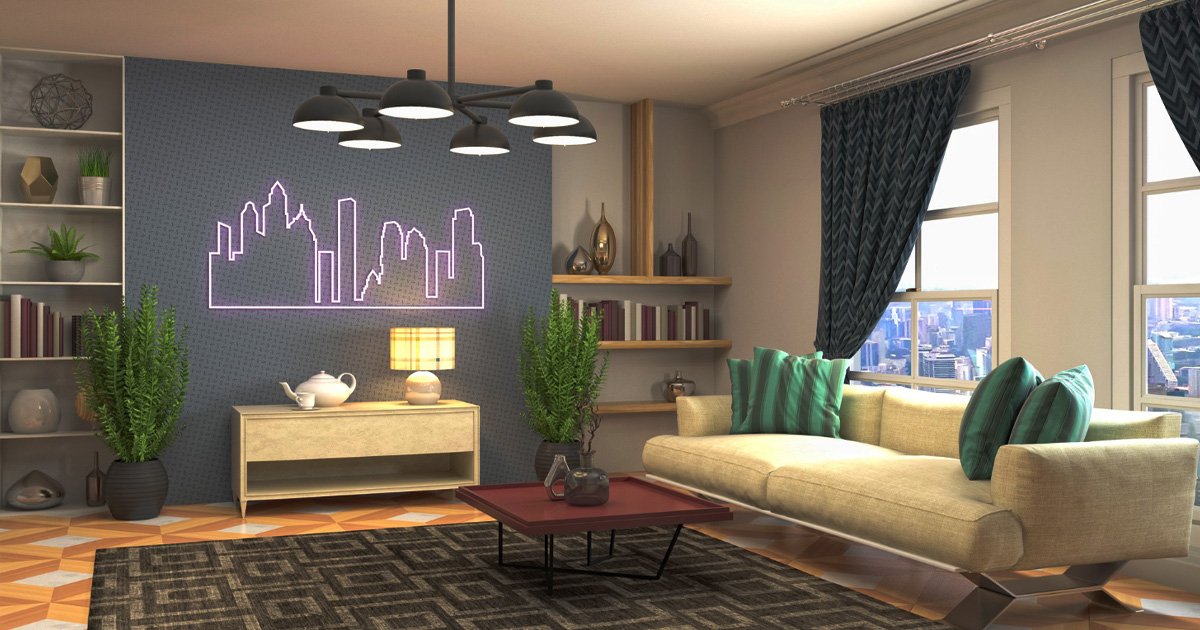
This is where a warm, dimmable neon sign really shines as home decor. Custom neon signs mount flat against the wall, give off a gentle colored glow, and serve as both artwork and lighting. This is especially helpful if you're low on floor or table space, a common issue in most city apartments.
A word, a shape, a favorite song lyric, a name, any of these on a blank wall can become what everyone remembers about the room. People are naturally drawn to it, and it often turns into the spot everyone wants to photograph. That's a great bonus if you want your space to feel personal and lived-in, rather than looking like it came straight out of a catalog.
Neon lighting shouldn't replace your main or task lighting; using it that way is what makes a living room look more like a nightclub. It's the finishing accent, nothing more.
If you're weighing colors and styles, it pays to spend a minute on choosing a neon sign that works as home decor rather than grabbing the brightest option and hoping. Warm tones plus a dimmer keep it firmly in the relaxing column.
Layering Room by Room
The three layers apply everywhere, but the balance shifts with what each room is for.
In the living room, focus on using ambient and accent lighting. Since this space is meant for relaxing, use a warm main light, add a few accent lights, and make sure a good dimmer switch controls everything.
In the bedroom, keep things even softer: use gentle overall lighting, place a small reading lamp on each side of the bed, and avoid any harsh or bright lights near your sleeping area.
Bathrooms benefit from cool, bright lighting near the mirror for tasks like shaving or applying makeup, while warmer lights elsewhere help keep things calm during late-night trips so you're not fully woken up. The home office is a bit different.
You'll want cool, bright lighting to help you focus while working, but once the workday ends and you close your laptop, switching to warmer accent lighting helps the room feel more relaxed and part of your home again.
The goal isn't to buy more lights. It's to give each room two or three lighting options, so you can easily switch from bright, practical to soft, relaxing without having to mess with any wiring.
Getting the Balance Right
Layered lighting takes some experimenting. Try moving a lamp, switching a cool bulb for a warmer one, adding a dimmer, or placing an accent light where the room feels dull. Notice how these changes look at night instead of during the day. Most homes don't need more lights; they need the right kind of light in the right spots, with each one serving a different purpose.
Start with one room, connect the different elements, and you'll notice the difference the very first evening you walk in and want to relax.