How to Get Started Growing Your Own Food
With food becoming increasingly expensive and people becoming more aware of the impact their lifestyles are having on the environment, the number of people growing their own food is increasing. There are many benefits to having your own kitchen garden – not only can it be a cheaper option than buying fruit and vegetables, but you also know it is fresh, that you are reducing your carbon footprint, and exactly what has been used during the growing process. Here’s how you can get started.
Decide Where You Will Grow
You don’t need a small holding or a large garden to grow your own food. With clever use of space you can grow all sorts of popular herbs, fruit and vegetables in a yard, on a balcony or even on a windowsill. Most fruit and vegetables will grow best in a sunny, sheltered spot, so find a space that fits this description. If your garden is open to the elements, consider using a commercial greenhouse heater or cold frame to offer shelter. For gardens with limited space, living retaining wall systems can create extra growing space as well as offering an eye-catching feature which will be the talking point of all your guests.
Decide What You Will Grow
It sounds obvious, but when you are starting out growing your own food you should grow what you eat. If you enjoy fresh salads, sow lettuce leaves, cucumbers and tomatoes. For those who love the comfort of carbs, potatoes are a great option. Soft fruits can be expensive to buy but easy to grow, so if you enjoy strawberries and raspberries, these can offer good value.
If you’ve never grown your own food before, there are some fruit and vegetables that are easier to grow than others. Onions (from sets), garlic and potatoes are excellent for beginners and usually provide a good harvest, with peas and beans also known for their ability to thrive.
Decide How You Will Grow
For many people, the appeal of grow your own is that you don’t need to use nasty chemicals in the way many farmers of mass-produced fruit and vegetables do. Organic growing is extremely popular, and gardeners are always on the lookout for waste products that can be turned into nutrient-rich compost (used coffee grounds are excellent for this, as well as cardboard, woodchips and eggshells). You may choose to use shop-bought compost for ease and speed as you start your growing journey. There is also a wide variety of supplements designed to boost growth, some organic and natural and others that contain chemicals. It is up to you which method you choose.
There is little in life that is more rewarding than eating a meal made from food you’ve grown yourself and the process of watching fruit and vegetables grown is rewarding and educational. Whether you are a young family, a singleton or a senior keen to take on a new hobby, growing your own food will enhance and enrich your life.

Grid Group and BKSK Architects have launched sales at The Myles, a 22-residence Chelsea condominium weighted toward four- and five-bedroom homes, with pricing from $2.695 million to $19 million.

Bathhouse is bringing its contrast therapy and sauna rituals to Philadelphia for the first time, opening inside The Bellevue’s historic former Tiffany & Co. space on September 25.
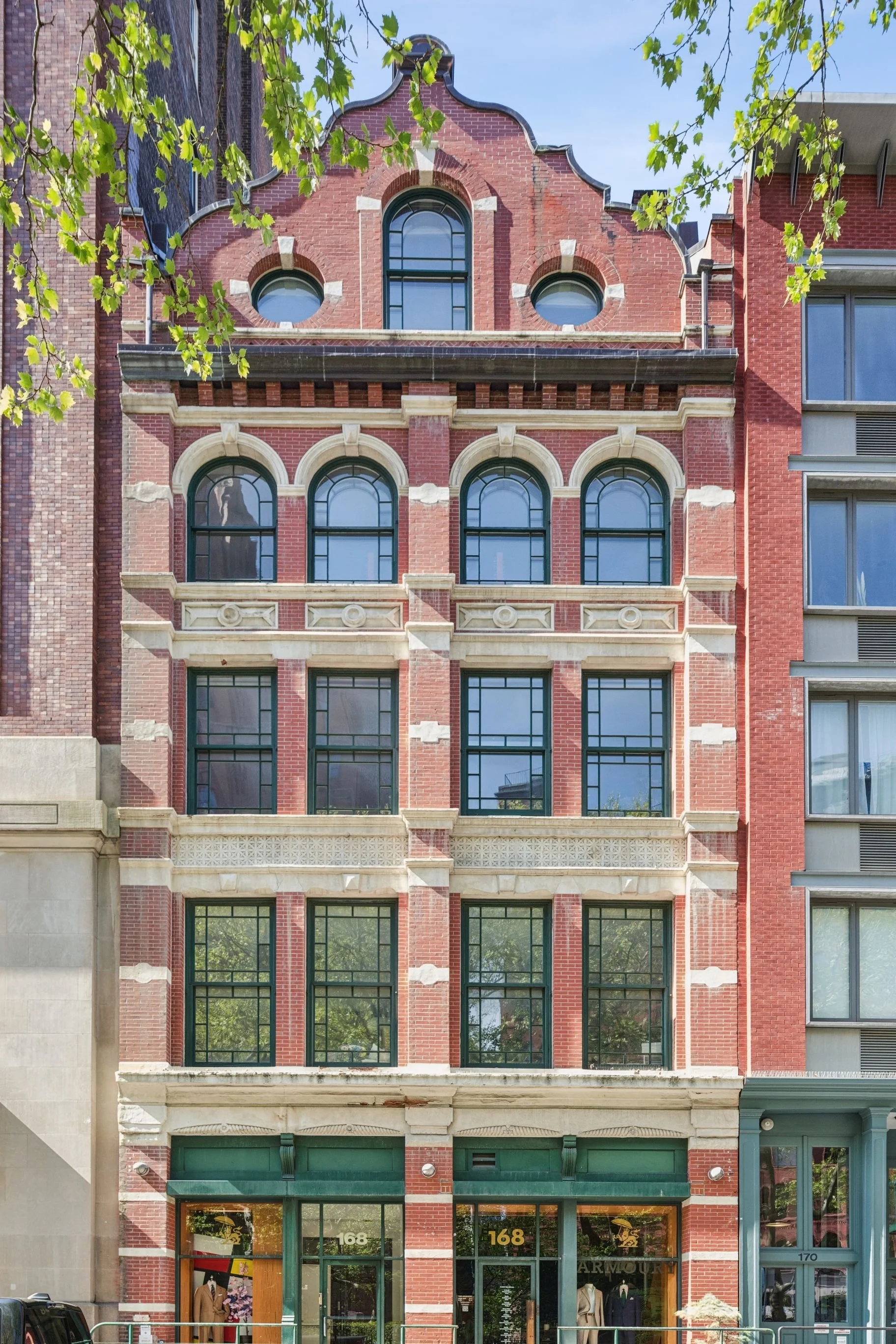

Carnegie Deli reopens on September 15 at 834 Seventh Avenue, bringing back its towering sandwiches, cheesecake and legendary Wall of Fame just blocks from where it began in 1937.
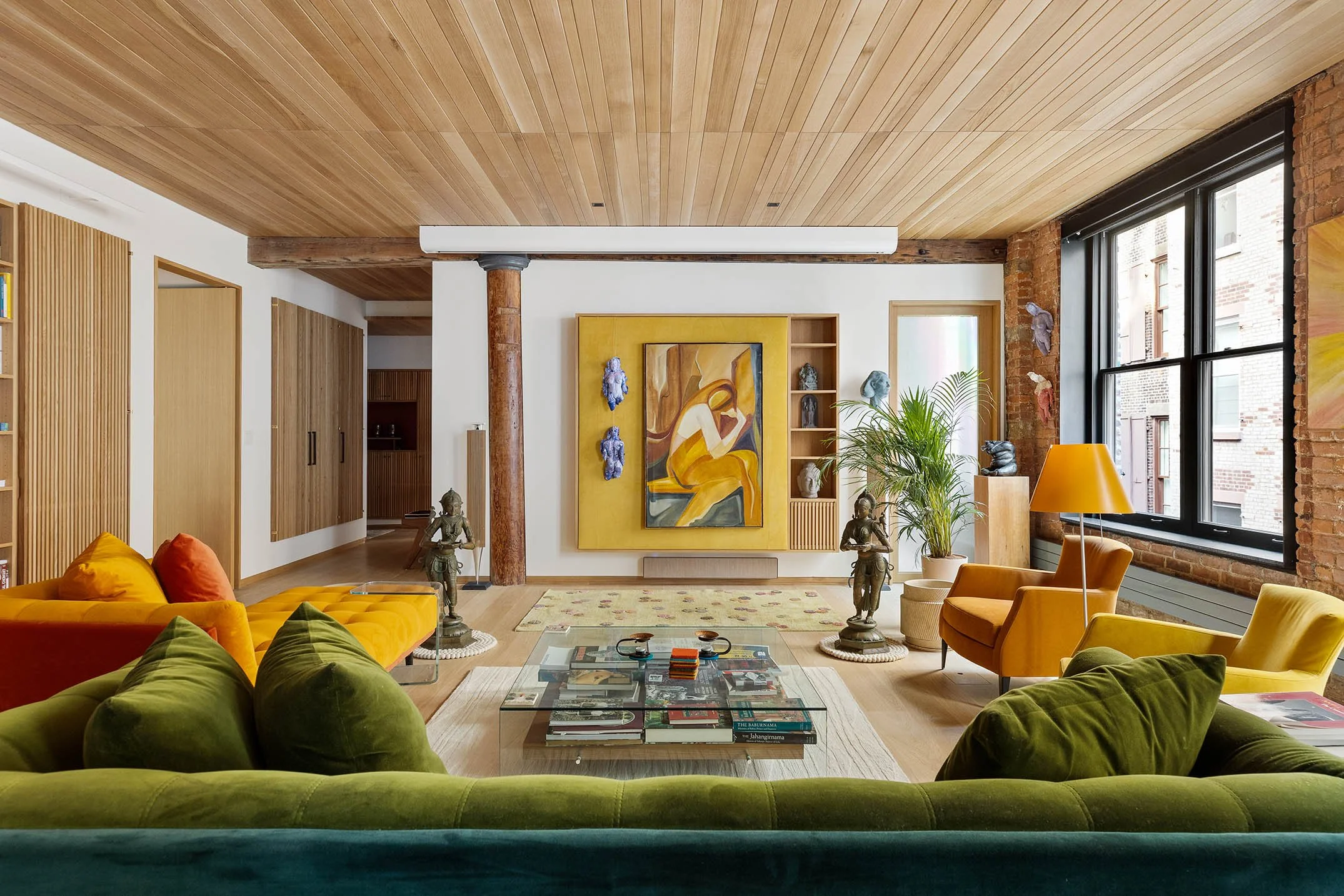
Andrew Franz Architect has reimagined a 2,614-square-foot loft at 50 Wooster Street in SoHo, pairing a 1895 cast-iron building’s original details with custom millwork, a 32-foot great room and a spa-like primary suite.
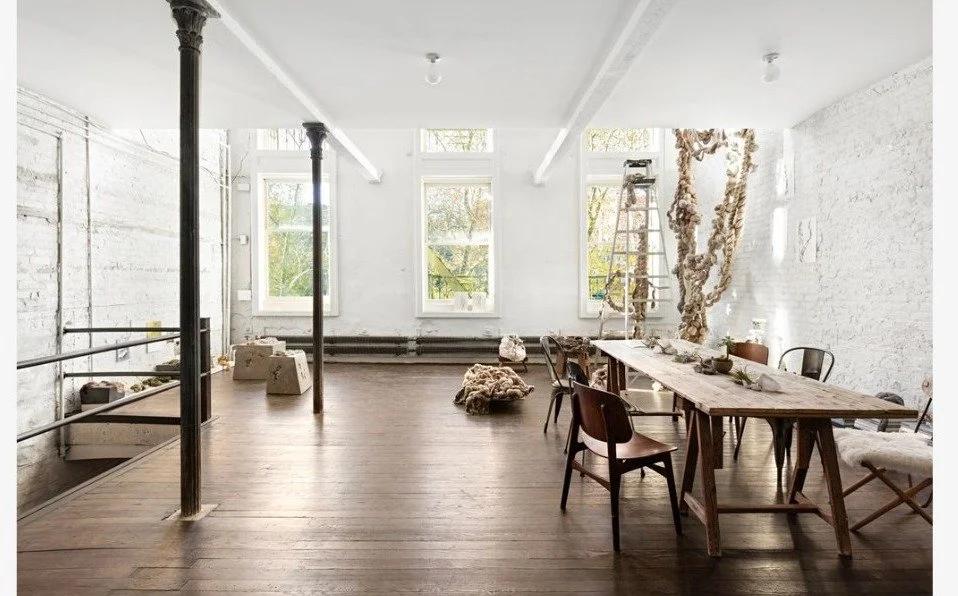
Dive into the details of these remarkable spaces and discover what makes them stand out in the world of real estate.








Bonnie Haydon, mother of Vanessa Trump, has listed her three-bedroom condominium in Southampton’s Whitefield community for $3.75 million.