How to Choose the Right Fuel Storage for Industrial Applications
Fuel is essential for many industrial operations. The construction, mining, agriculture, and transport sectors also require a consistent supply of fuel. Poor storage may result in leakages, contamination and safety hazards.
Such problems may lead to time wastage and escalation of expenses. The efficiency and safety of the fuel storage solution depend on its selection. Many companies have trouble determining the kind of tank that would best fit their requirements.
Knowing the capacity, durability, and compliance are some of the factors that assist in making the right decision.
Know Your Fuel Needs
The initial thing is to know the amount of fuel your operation needs. Fuel is consumed differently by different industries. Determine the daily and weekly fuel consumption. This assists in deciding the appropriate tank size.
A small tank will require a lot of refilling. An overly large tank might be hard to operate. A balance between storage capacity and usage leads to efficiency and minimisation of wastage.
Selecting the Type of Tank
There are different types of fuel storage tanks.
Above-Ground Storage Tanks: These are easy to install, inspect, and maintain. They are commonly used for farming, construction, and industrial sites.
Underground Storage Tanks: Underground tanks conserve space but need more installation. They are frequently used at gas stations but require stricter regulatory compliance.
Mobile Tanks: They can be employed during remote operations or in mobility.
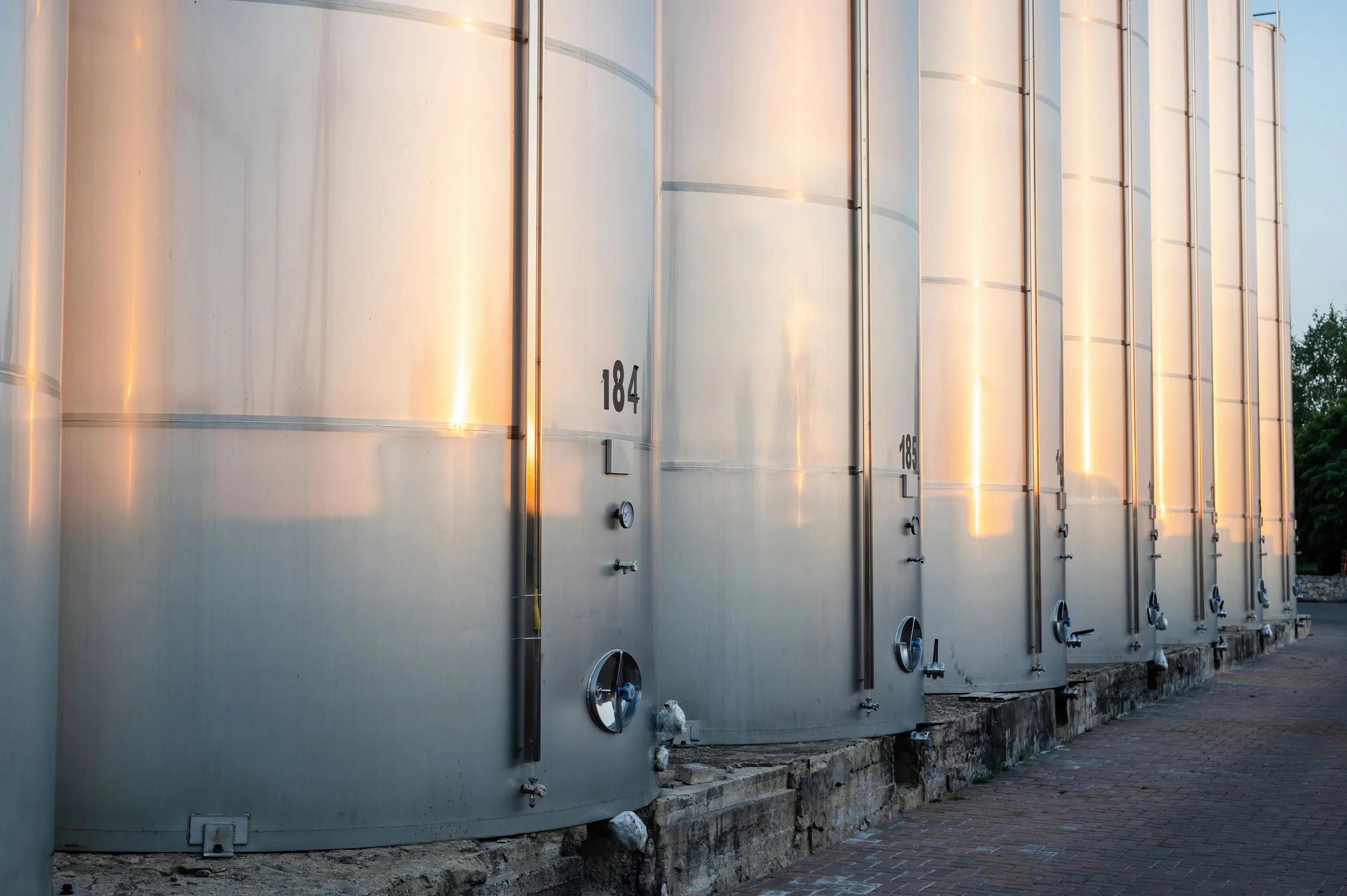
Many businesses use above-ground industrial diesel tanks due to their high performance and durability, especially in heavy use.
Material and Durability
The tank content influences the longevity and dependability of the tank. The environments in industries may be tough, and thus tough materials are required.
Steel Tanks: Sturdy, suitable for high-volume, long-term, heavy-duty storage.
Polyethylene Tanks: Corrosion-resistant, lighter, and more durable, often used in mobile applications.
Safety Features to Consider
Much care is imperative when storing fuel. An effective storage system ought to have risk-reducing features. Find tanks with secure lids, well-ventilated, and with spill containment. The tank is made of two layers, which offer additional resistance to leakage.
These characteristics assist in safeguarding employees, machinery and the environment.
Compliance with Regulations
The storage of fuel should comply with local and national requirements. The purpose of these rules is to be safe and environmentally friendly. Ensure that the tank is up to standard before making a purchase. Certified tanks lessen the danger of lawsuits and penalties.
Compliance also makes sure that under any circumstances, the storage system can be safely operated.
Maintenance and Inspection
Fuel storage systems should be properly maintained to ensure that they are in good condition. Check for leaks, corrosion, and wear. Wash the tank regularly to avoid contamination.
A well-kept tank will have a longer lifespan and work better. It also minimises the risk of unforeseen failures.
Cost and Long-Term Value
Price is a significant aspect, yet it cannot be the sole factor. Cheap tanks might need very frequent repairs or replacement. It is a better long-term investment to invest in quality storage systems. Long-lasting tanks save on maintenance expenses as well as enhance performance.
The selection of the appropriate fuel storage solution is a guarantee of stable performance and industrial functioning.